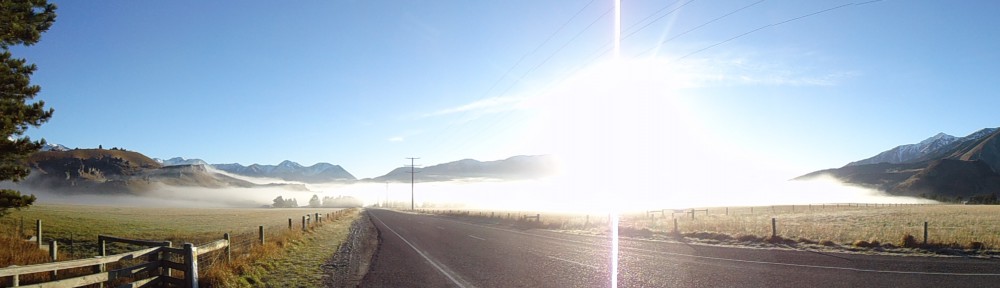
The Sacred Valley
Arequipa
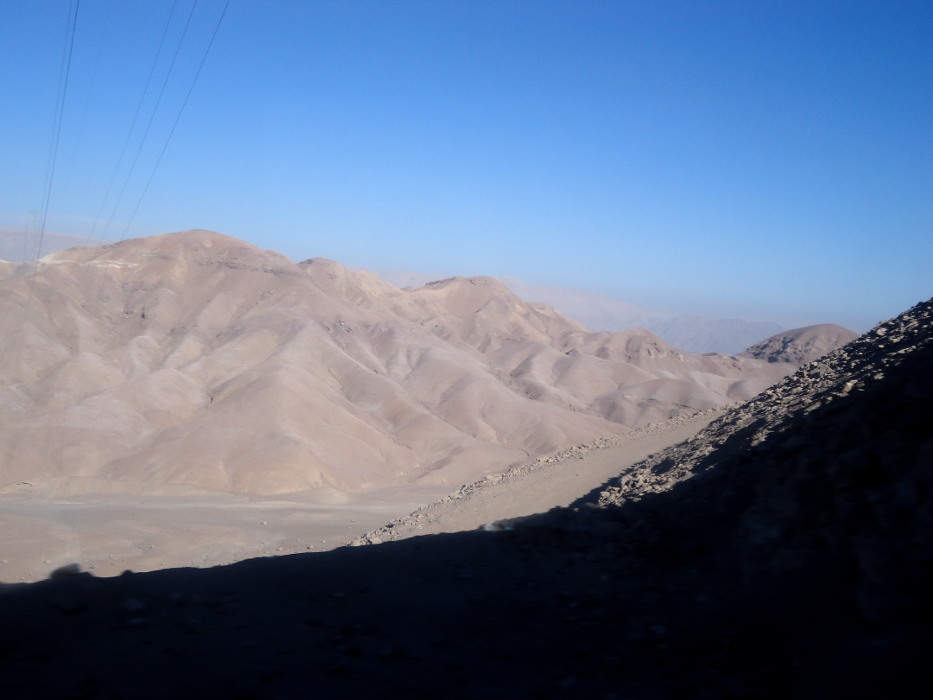
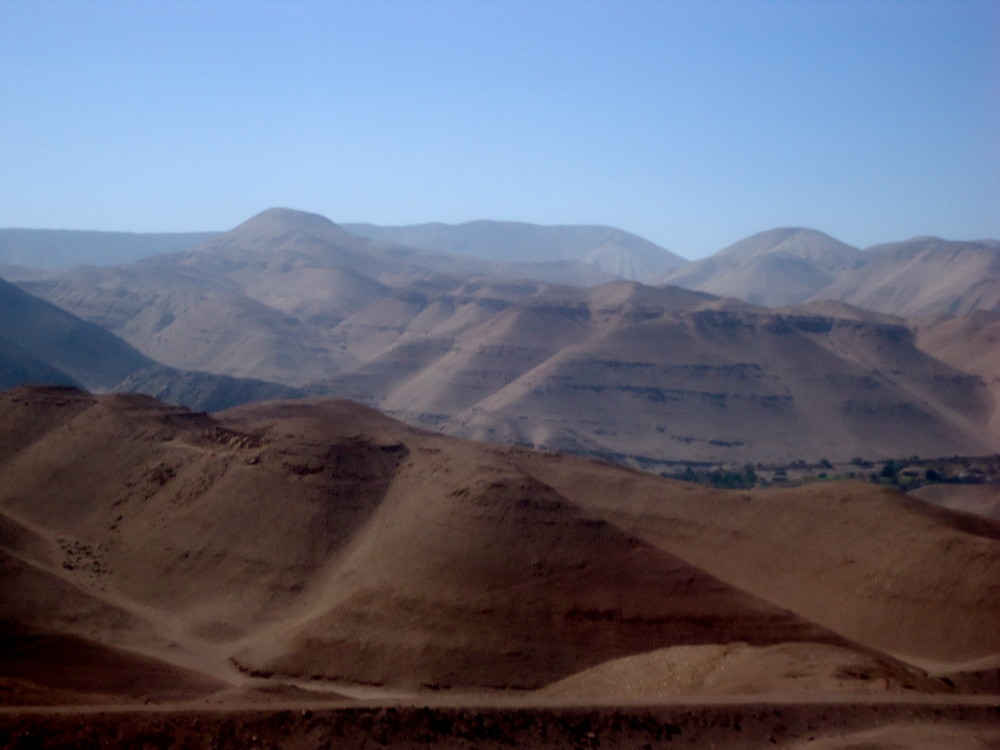
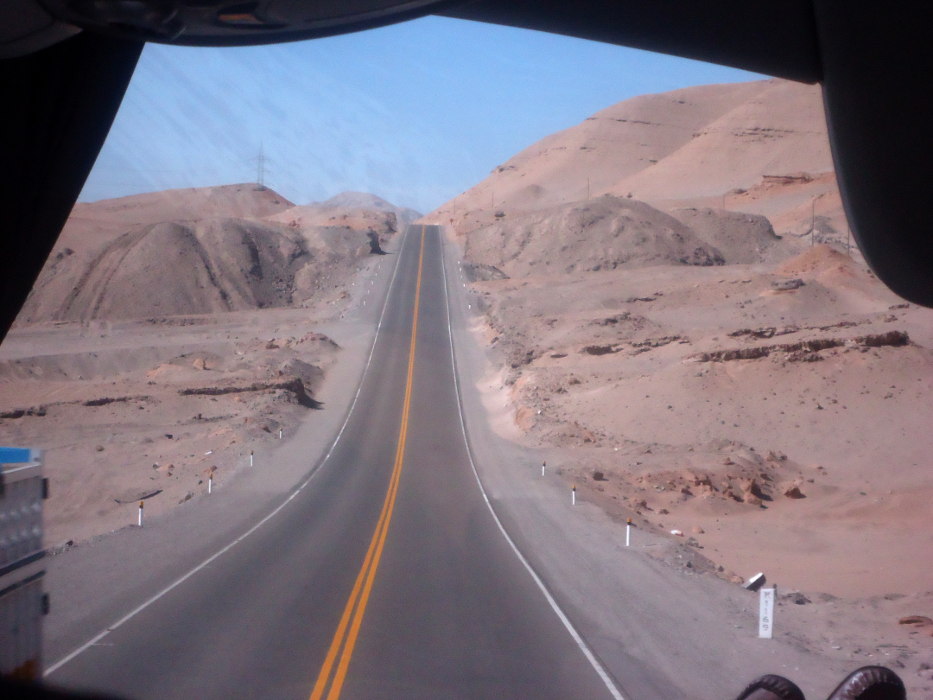
9 October, I was officially in Peru, after crossing the border in Tacna. The bus ride from Arica to Arequipa was incredibly beautiful. The mountains and desert scape seemed to change every time I looked out the window. For once it wasn’t an overnight bus, so this time, got to see what the landscape is doing! There were to be a lot of bus journeys to get about on this trip. Luckily l really like sitting on a bus and watching scenery unwind. Probably more than I do wandering streets.
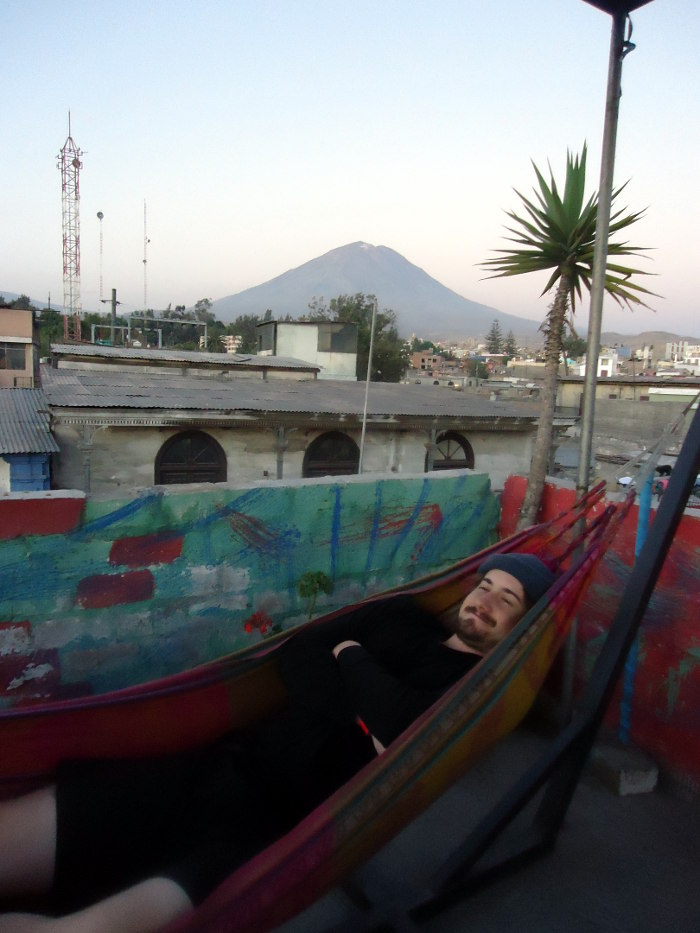
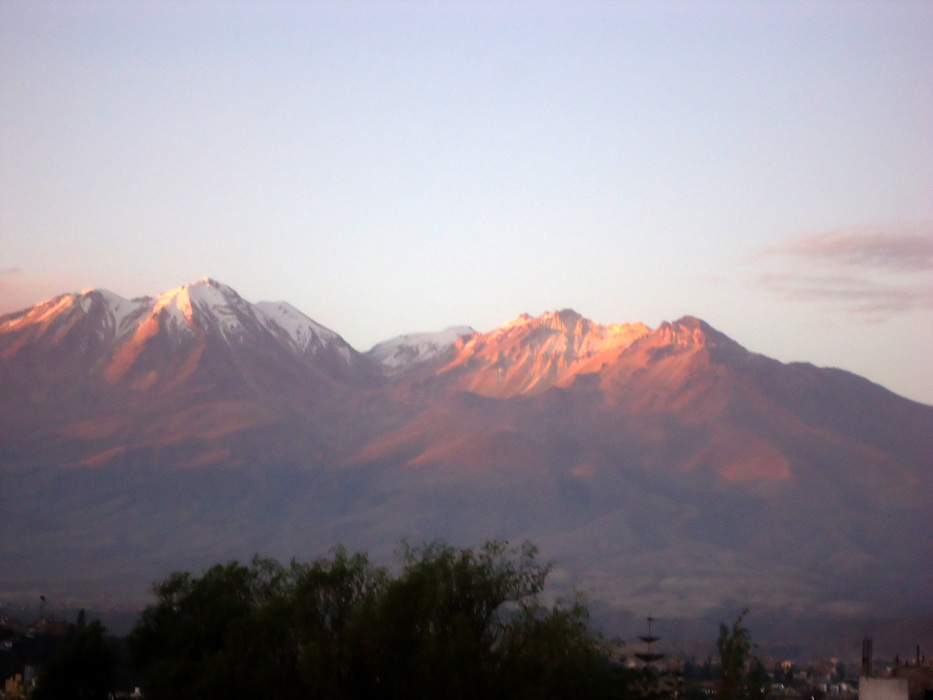
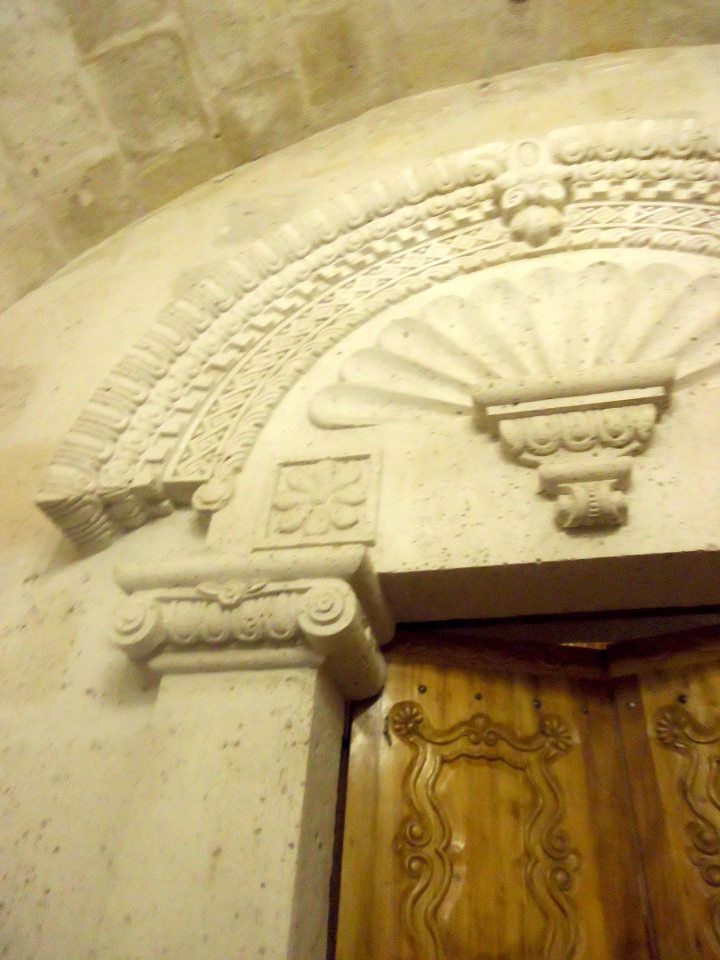
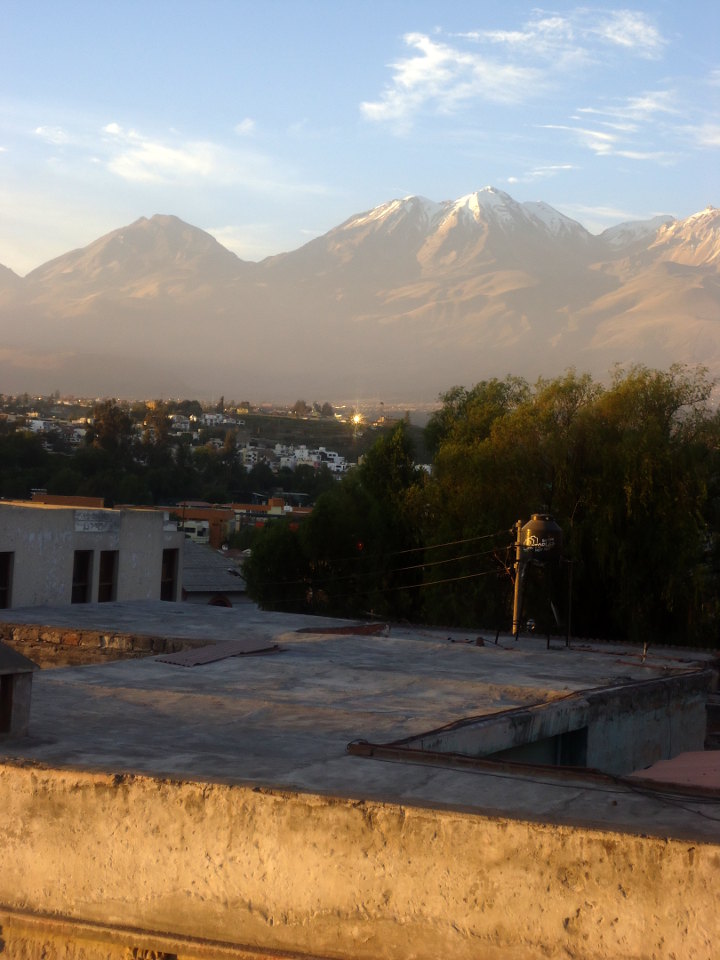
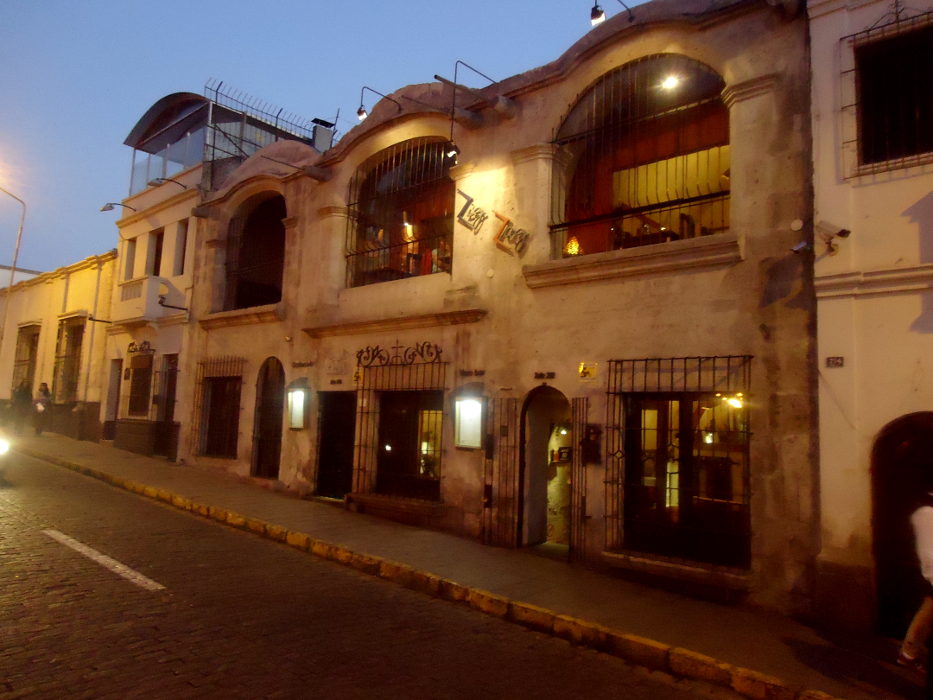
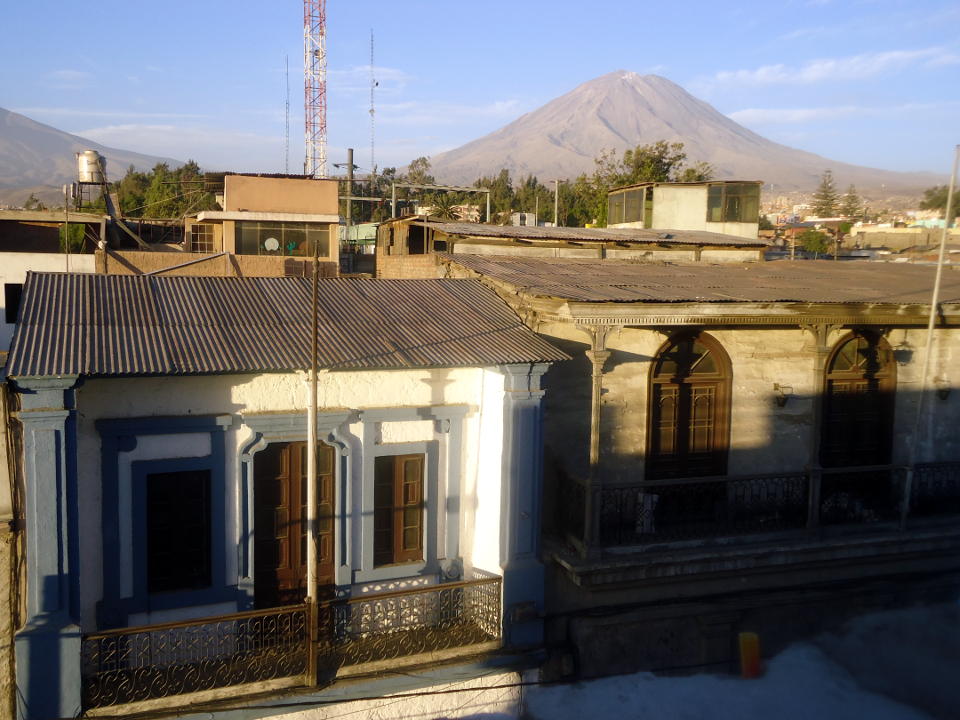
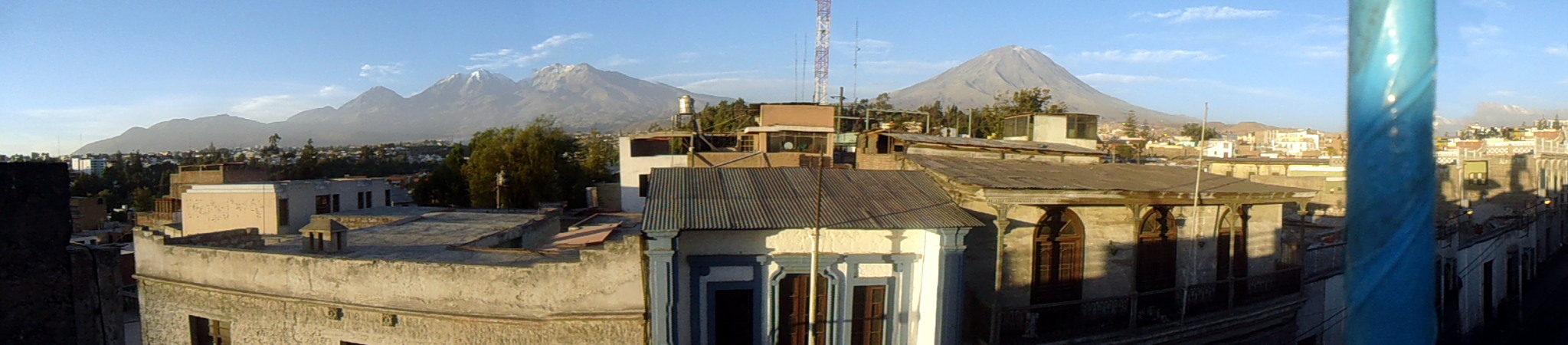
Arequipa is 2335 m above sea level. I was on the way to Cusco. And thought it would be good to stay in this town to help with acclimatization. Staying three nights at a hostel there called Bothy Hostel. It was really friendly and I liked the terrace especially. As the sun set, the view of the surrounding volcanoes would take your breath away. I enjoyed walking around Arequipa, as there is quite a foray of eating out. I met a few of the lads whom worked at the hostel. They would take the guitar to sing Spanish songs, hustling the tourists with their charm, and they took me along. Afterwards it was lunch, where they spent their earnings in this town is full of restaurants. A mouth watering meal that I had whilst there was a combination of quinoa, figs, avocado, and shrimps.
Peru is a bit of food capital of South America. And Arequipa is bulging with some of the best restaurants in Peru. Newer influences are blended with traditional cooking styles, makes Peruvian food so appealing. With unique combinations of flavours and influences. If your going to Arequipa, be prepared to have your palette refreshed.

Cusco
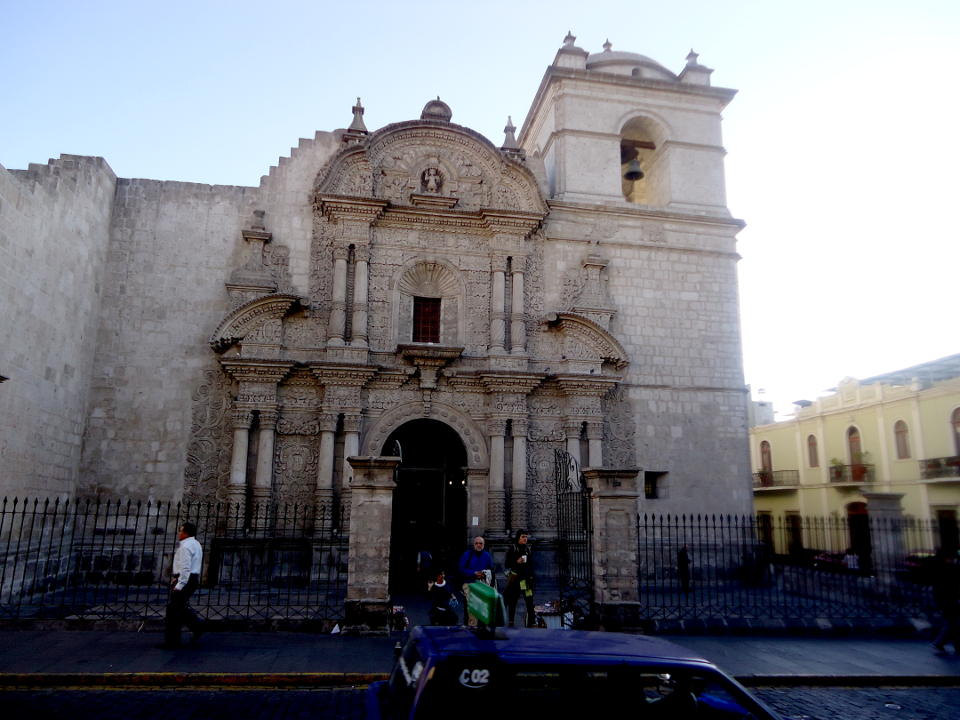
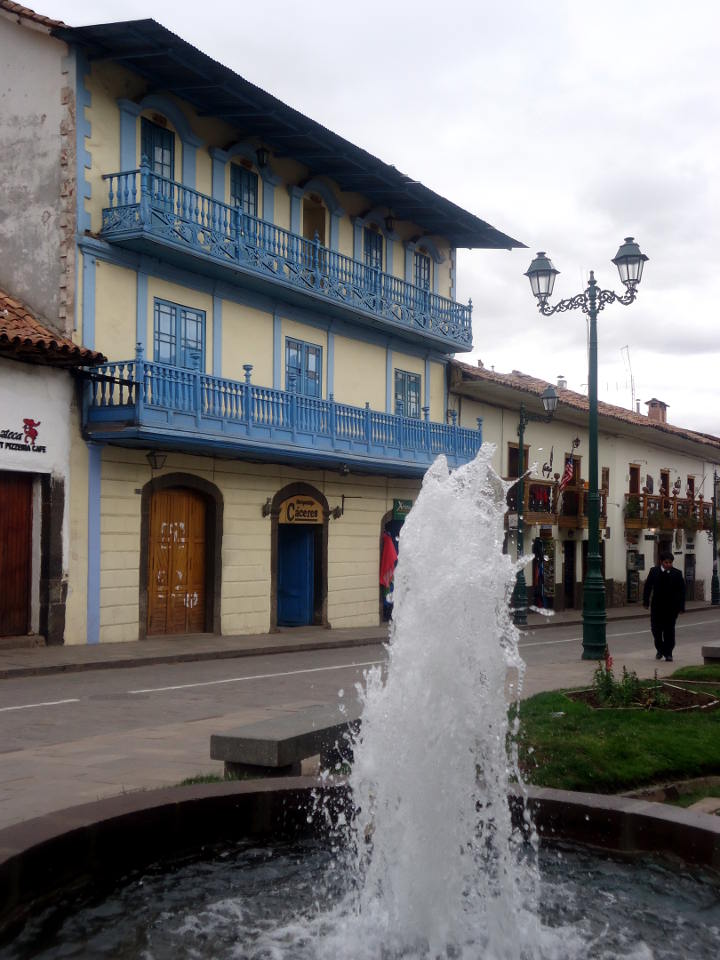
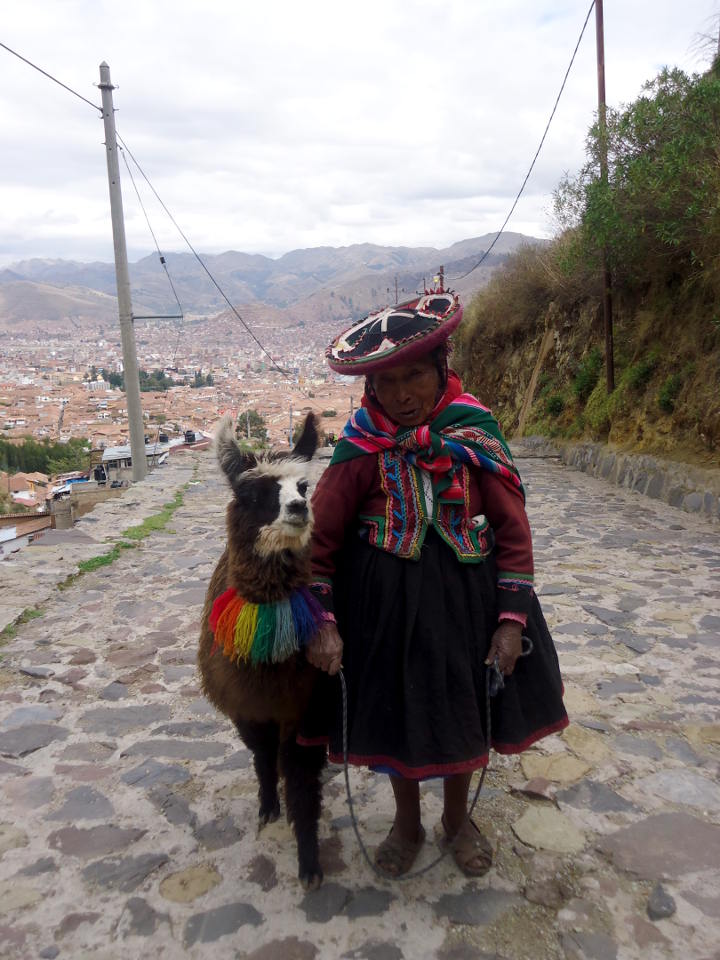
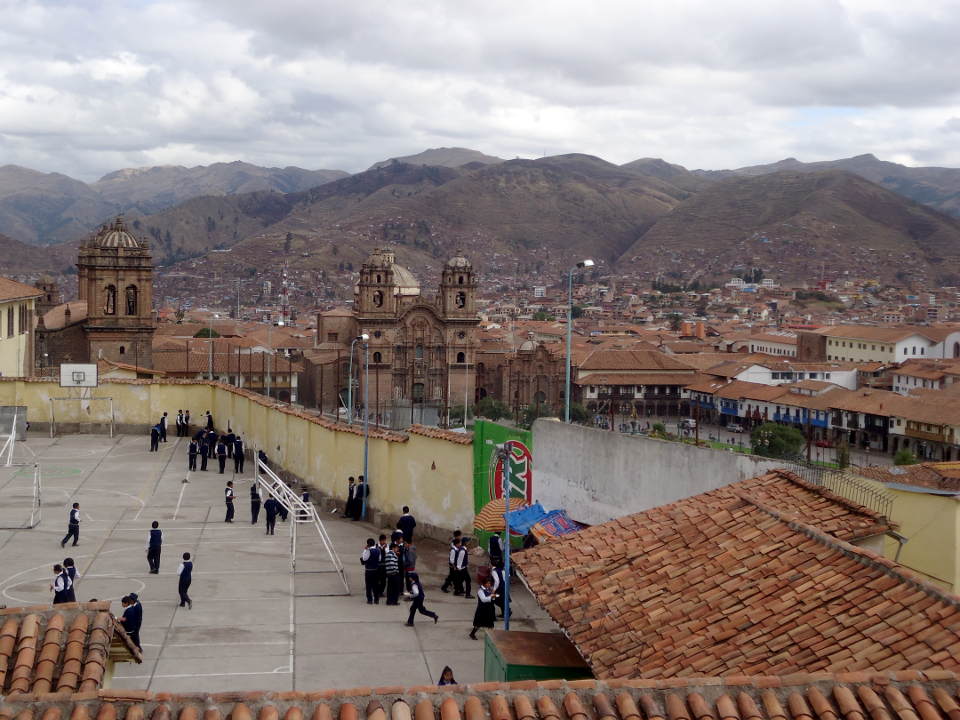
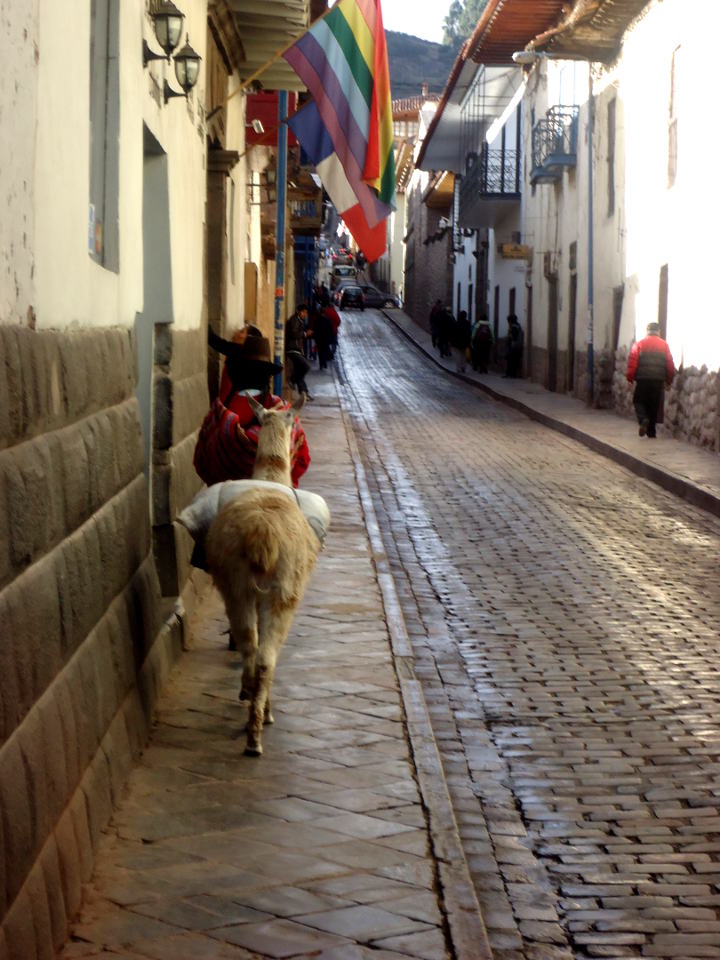
12 October, Oltursa, on the overnight bus at 8pm, from Arequipa to Cusco, for 60 Sol. Cusco is a place that draws many from all over the world, also a stepping stone enroute to Machu Picchu. There is much to explore in this city near the Urubamba Valley of the Andes mountain range. Its elevation is around 3,400 m. Full to overflowing with culture and history, with much to delight the visual senses. The indigenous name of this city is Qusqu. This city was built on layers of cultures. The former Inca Empire; Tawantinsuyu, was built on Killke structures. With the Spaniards replacing the indigenous temples with Catholic churches, and Inca palaces with mansions for the invaders.
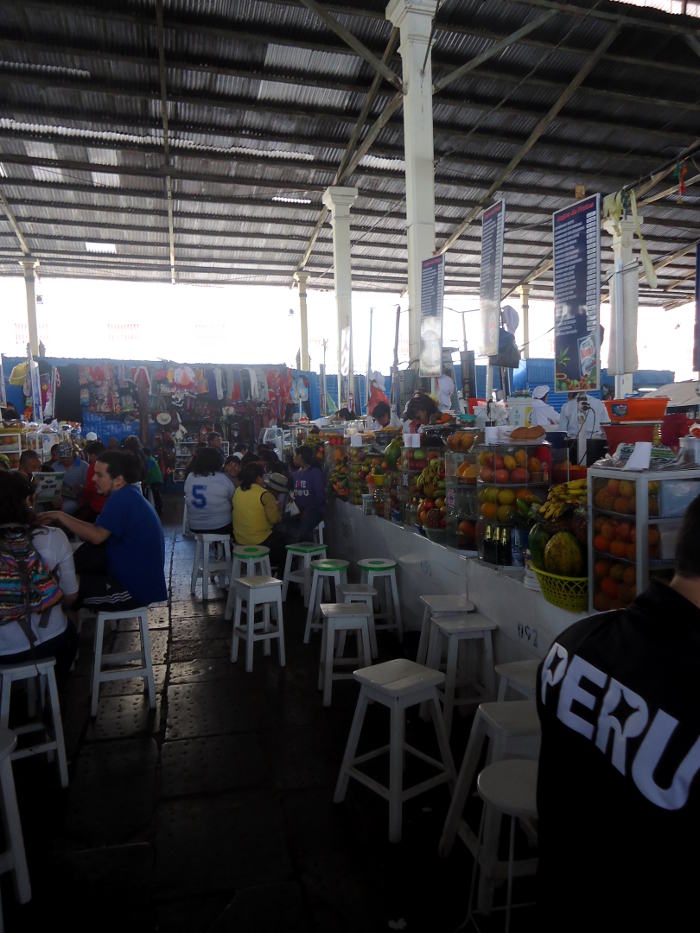
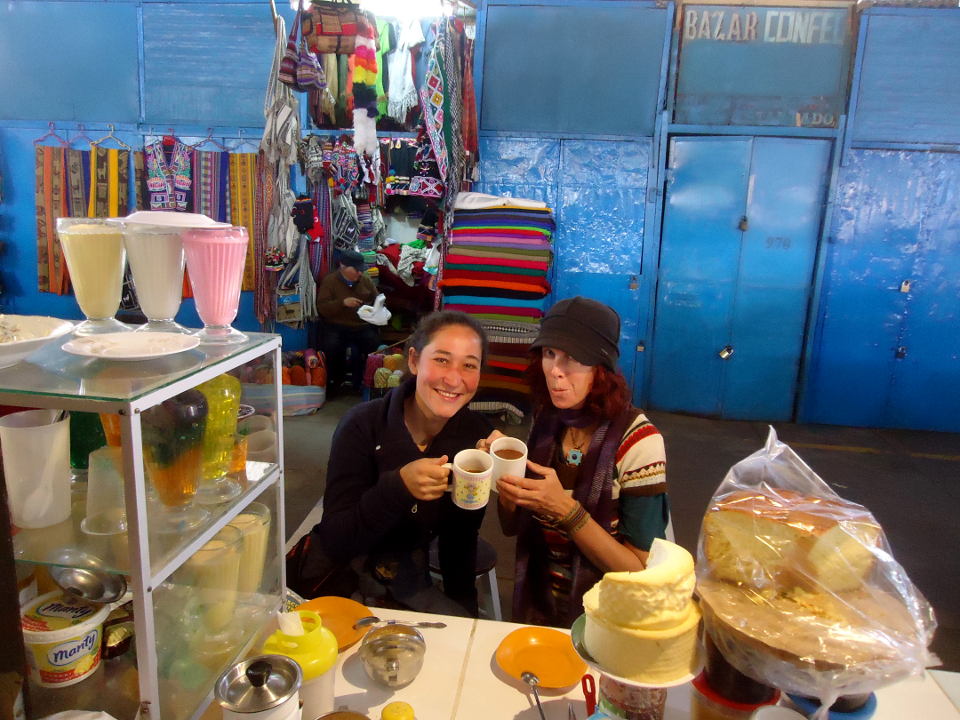
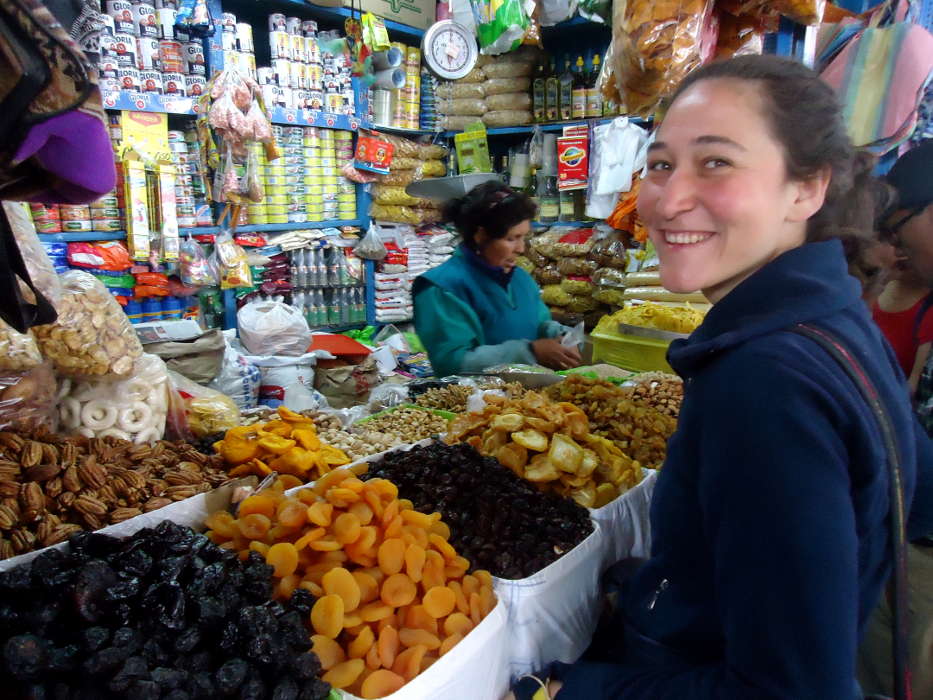
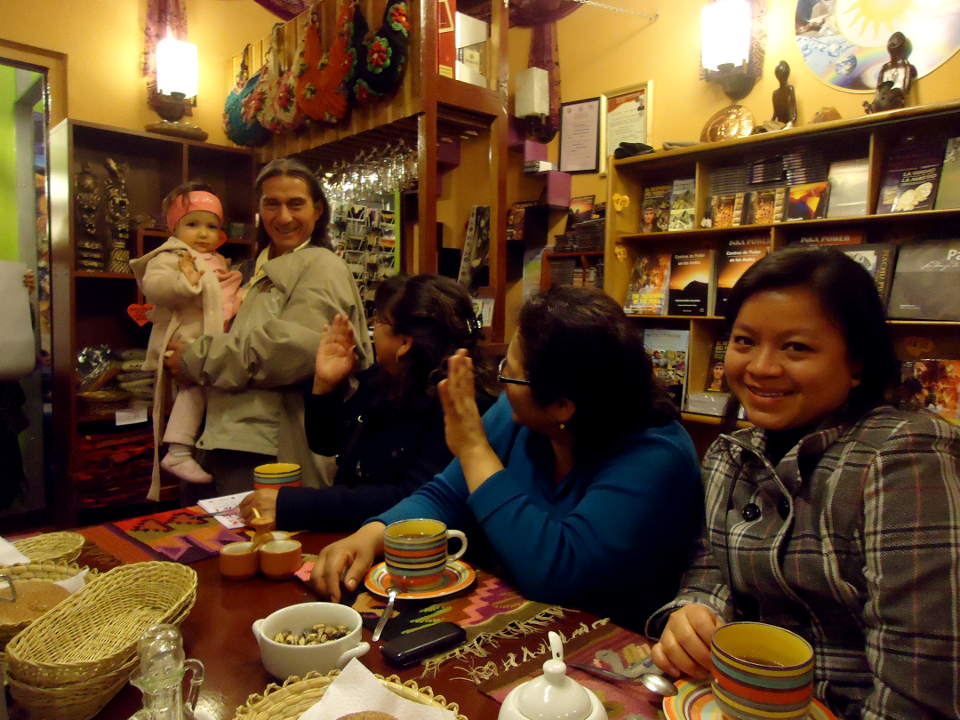
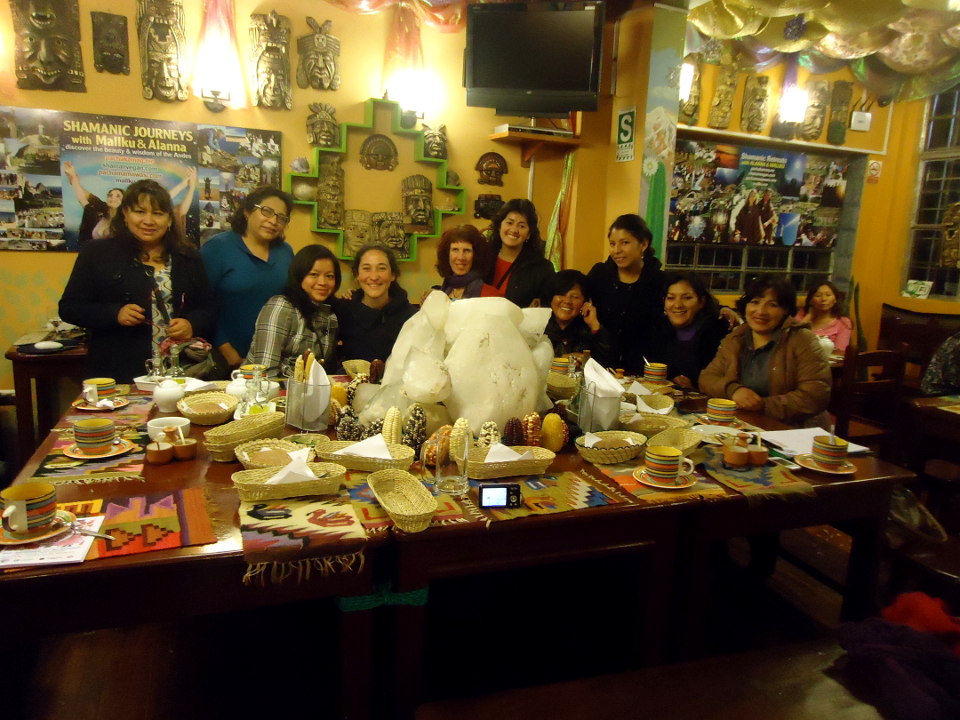
I met a new friend called Astrid at the hostel, which was close to town. We had a lovely time at the markets one morning. We also went to Museo de Plantas Sagradas, Magicas y Medicinales. This museum specializes in sacred, magical and medicinal plants used in the Andean and Amazon Region. Interesting learning about the coca plant. We also went to a restaurant that was hosting a meditation ceremony one evening and this was a real highlight. This group of mainly local woman, they kind of held us in their warmth, and treated us so well.
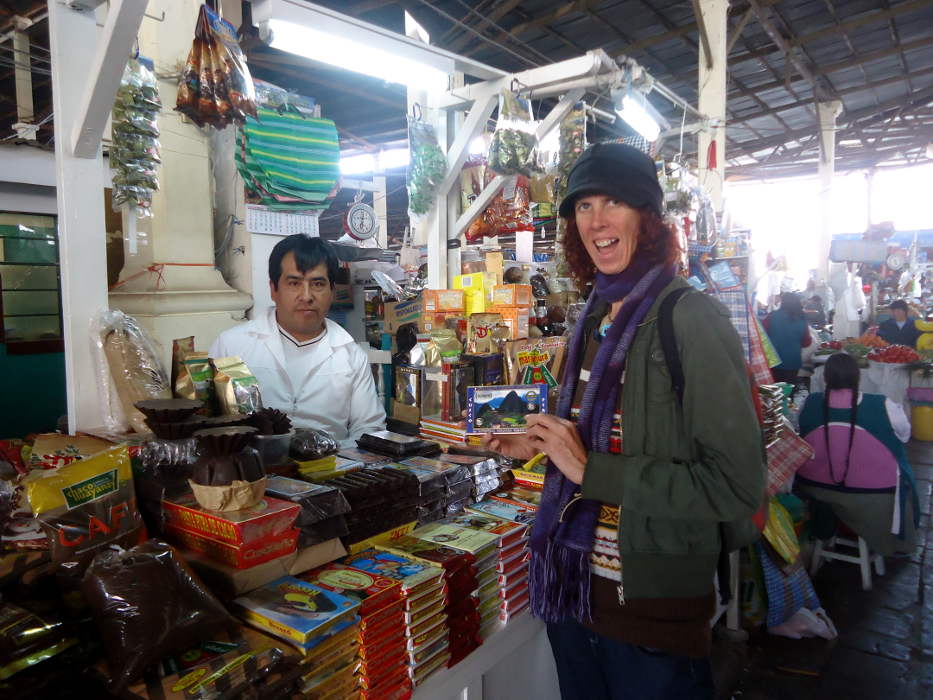
I brought coca leaves and was chewing these, keeping the system balanced in the high altitude. I went to the Chocolate Museum café one day. With lots of lush things made of chocolate, and they do short classes to make your own.
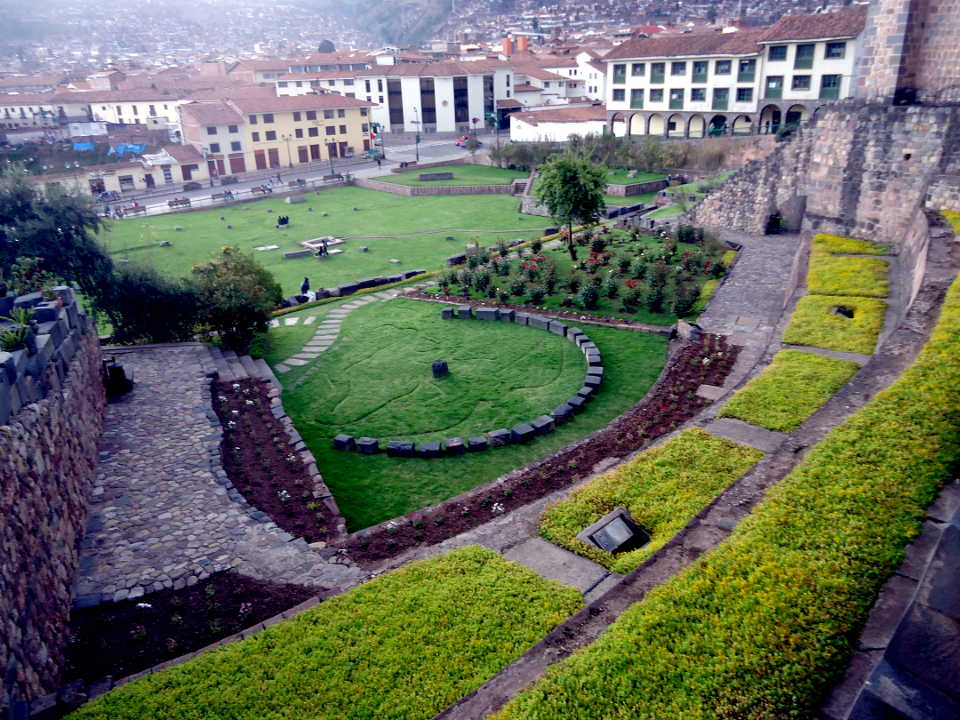
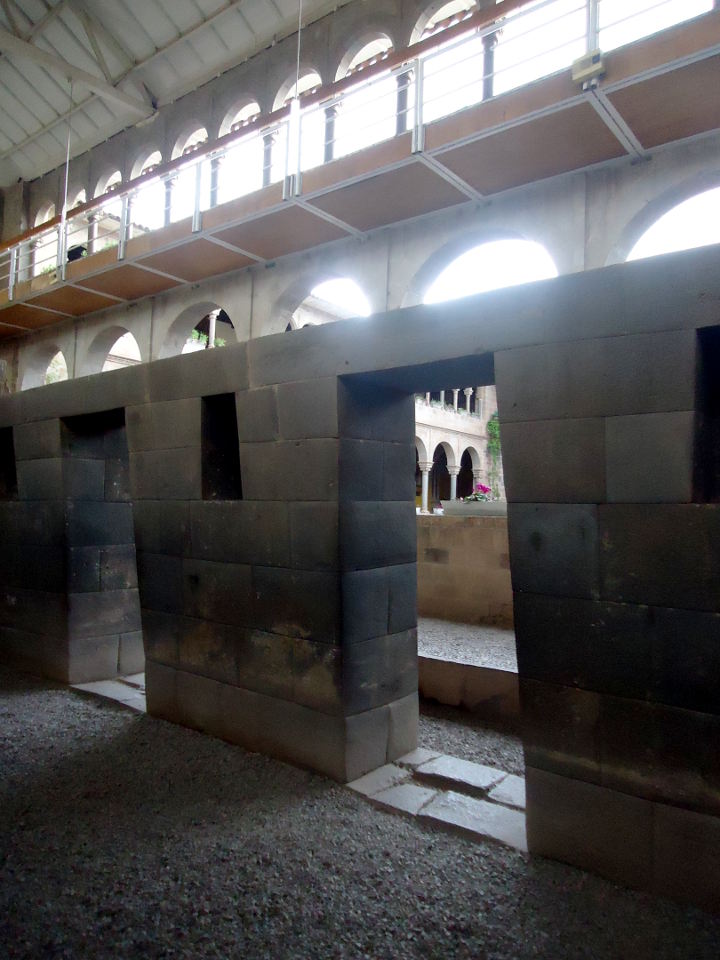
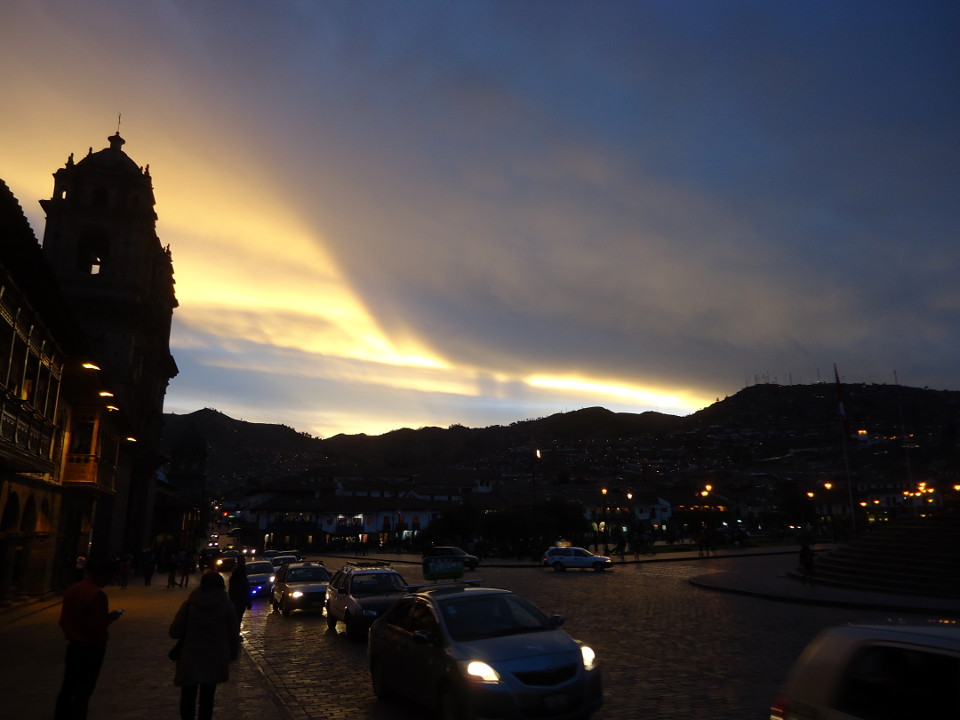
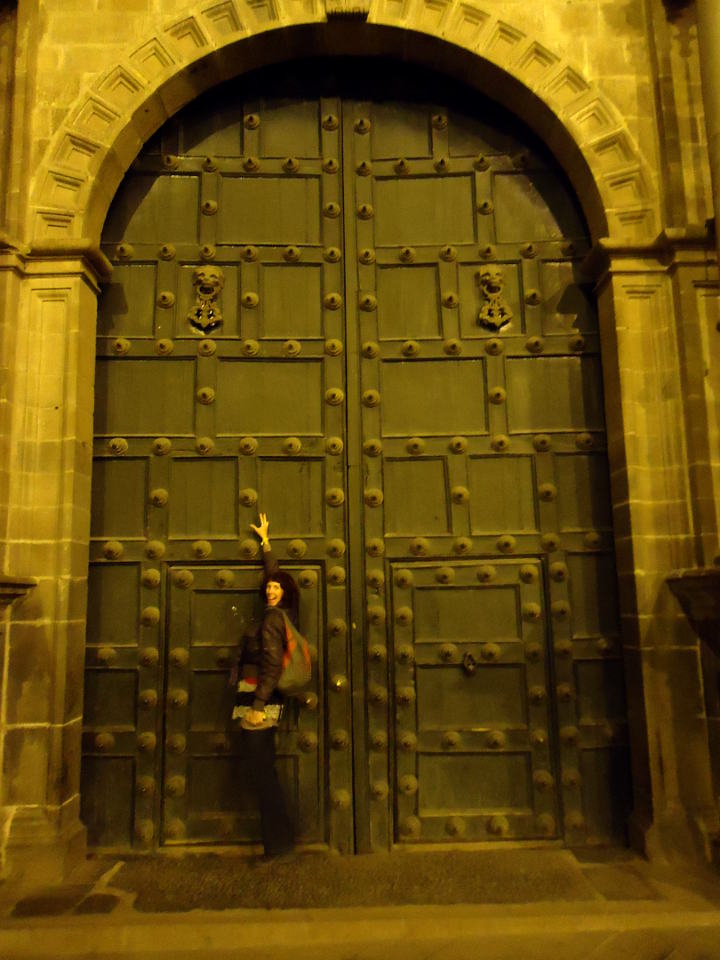
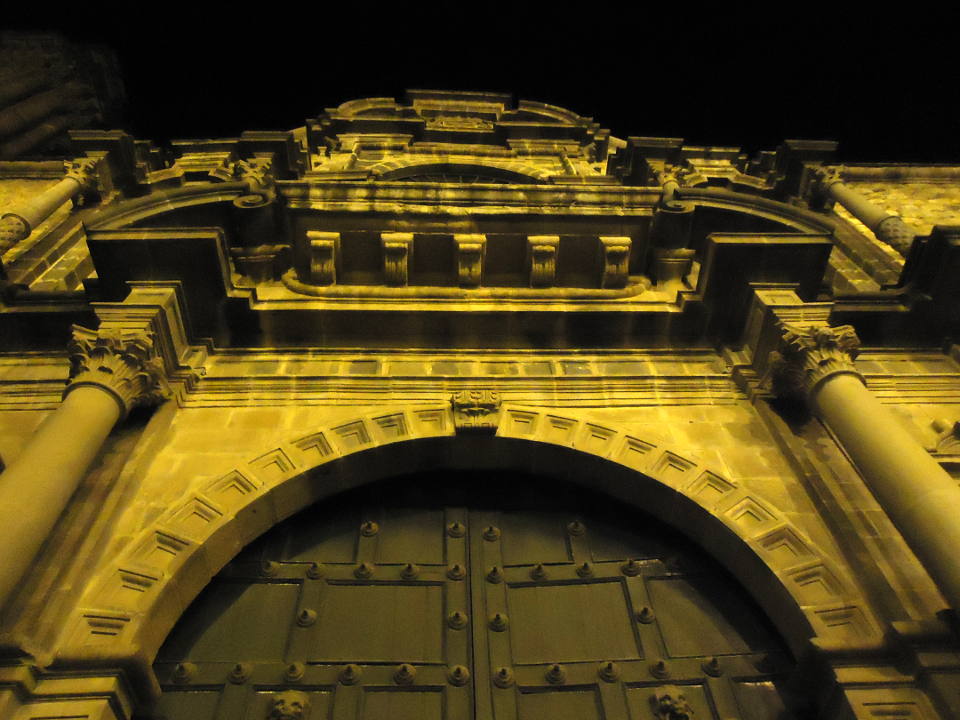
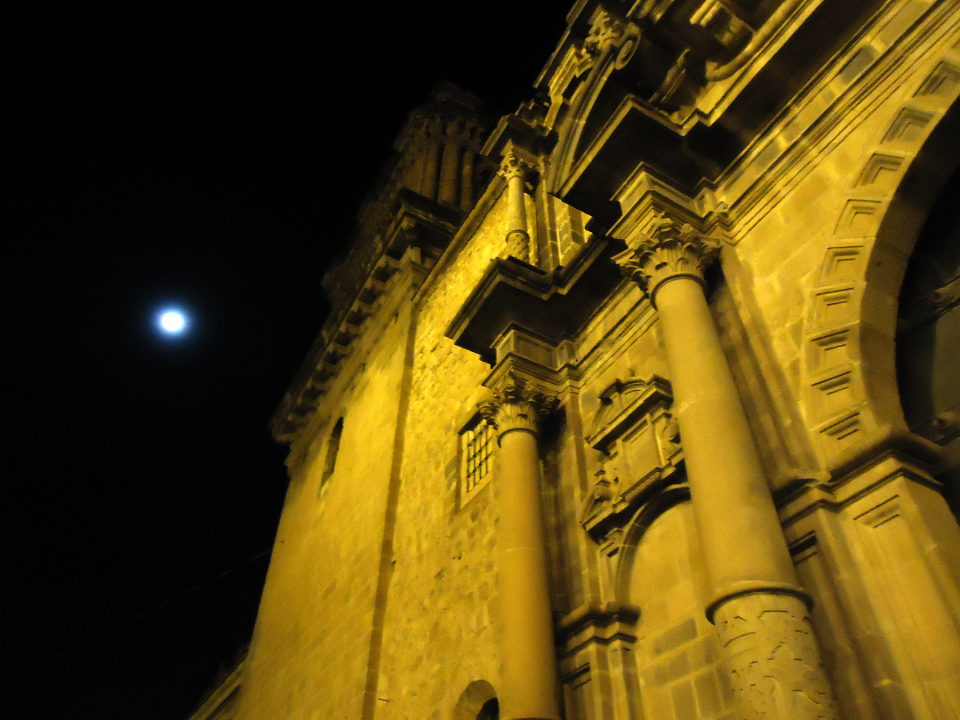
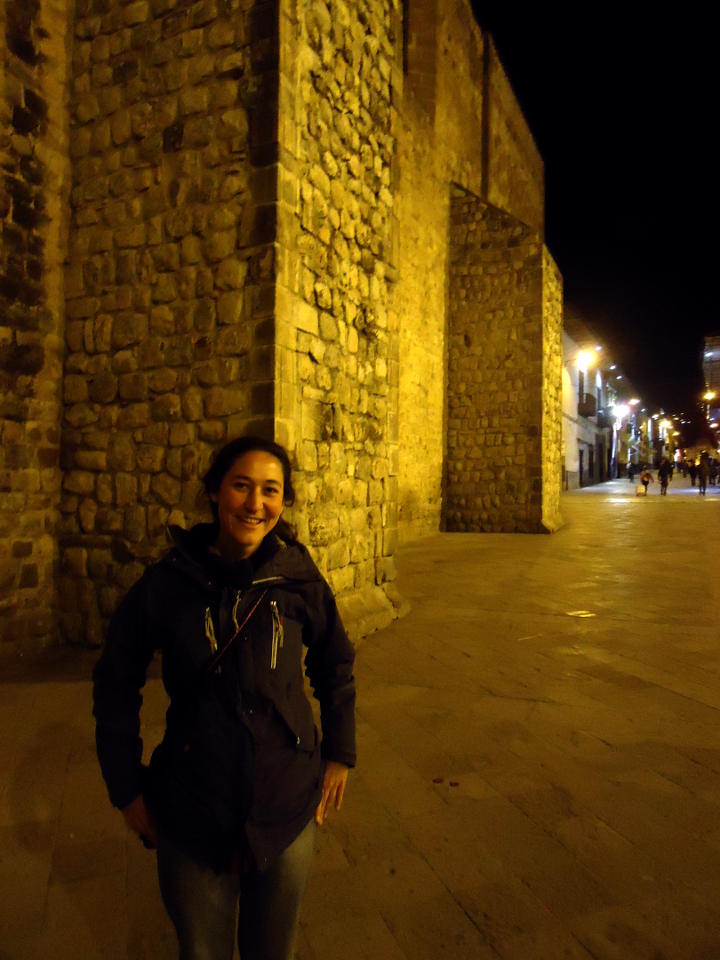
The Q’orikancha Complex, also called Coricancha. It is the main Inca temple for the worship of major deities. It is also a supreme example of Inca stonework. On my first day in Cusco, I spent a lot of time outside here. Felt guided to stand in a spot for what seemed a good while. And fascinating visiting the Temple complex inside.
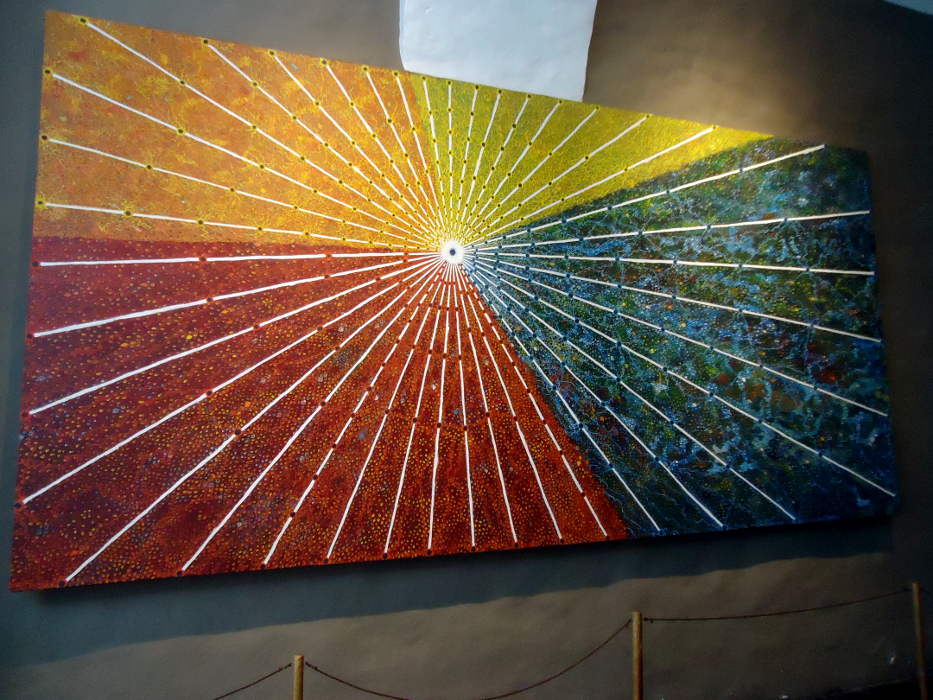
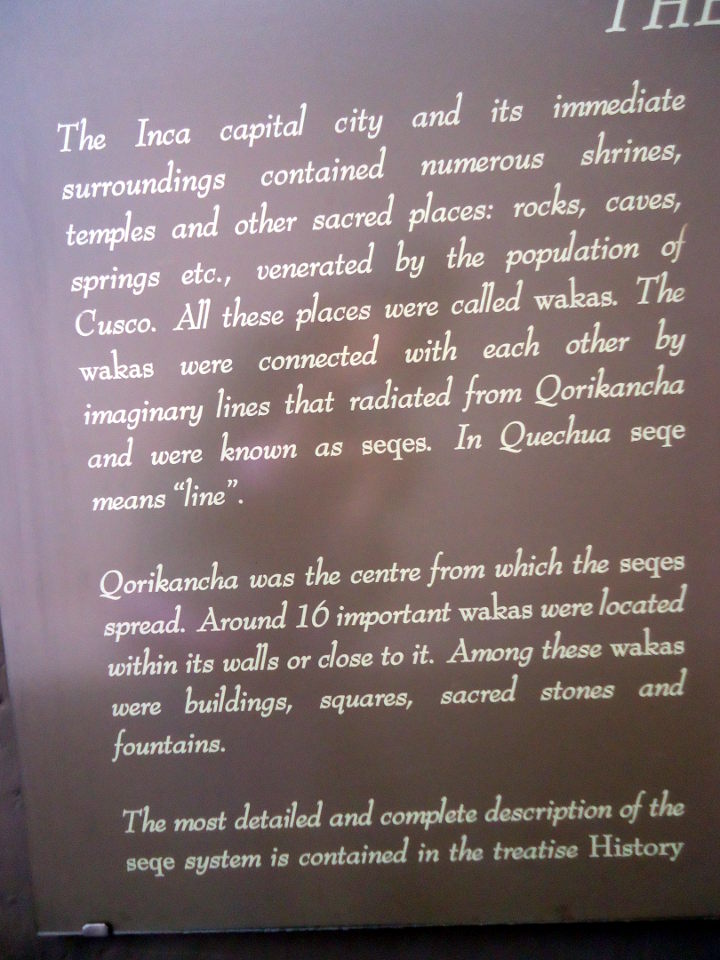
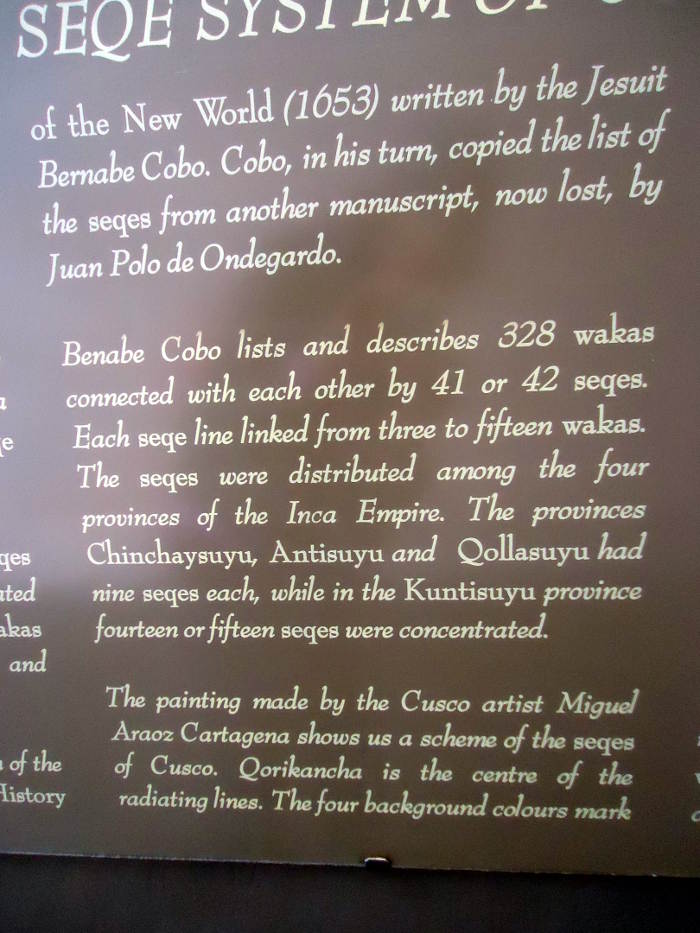
Description of the complex that I found most interesting. This was written on the wall: ‘Q’orikanchas position in the Cusco valley was carefully planned. Dozens of ceques (power lines, in many ways similar to ley lines, though in Cusco they appear to have been related to imperial geneology) radiate for the temple towards more those 350 sacred huacas, special stones, springs, tombs and ancient quarries. Prior to the Incas, the Wari culture had already dedicated the site with its own sun temple, known as Intianch (inti meaning “sun” and cancha meaning “enclosure”) Before the conquistadors set their gold-hungry eyes on it. Q’orikancha must have been even more breathtaking, consisting as it did of four small sanctuaries and a larger temple set around a central courtyard. The whole complex was encircled on the inside walls by cornice of gold, hence the temples name (Q’orikancha means “golden enclosure”)’
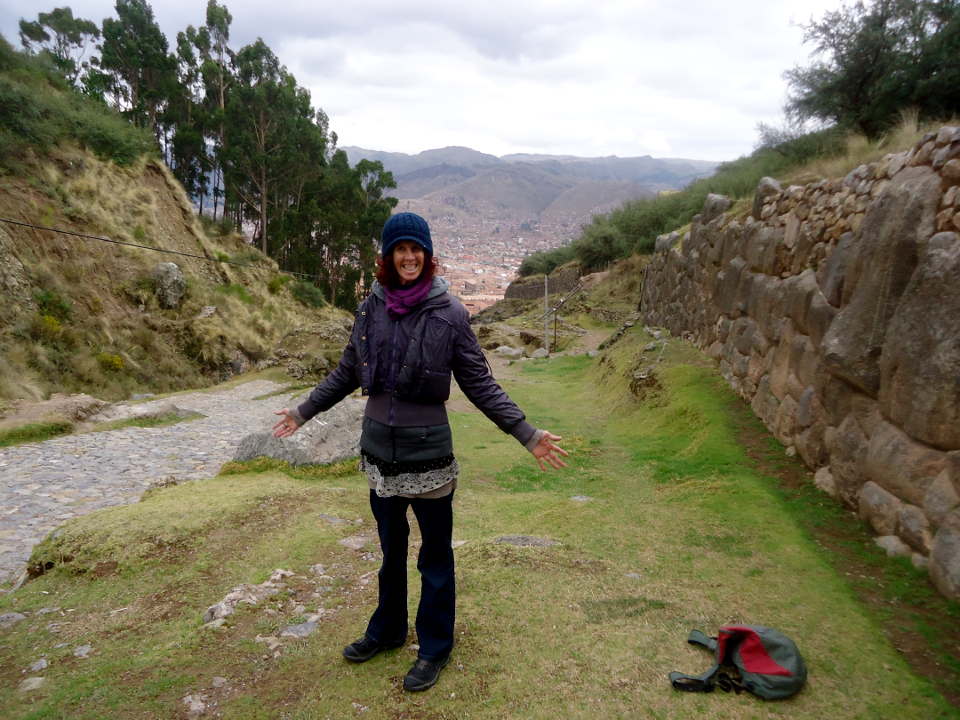
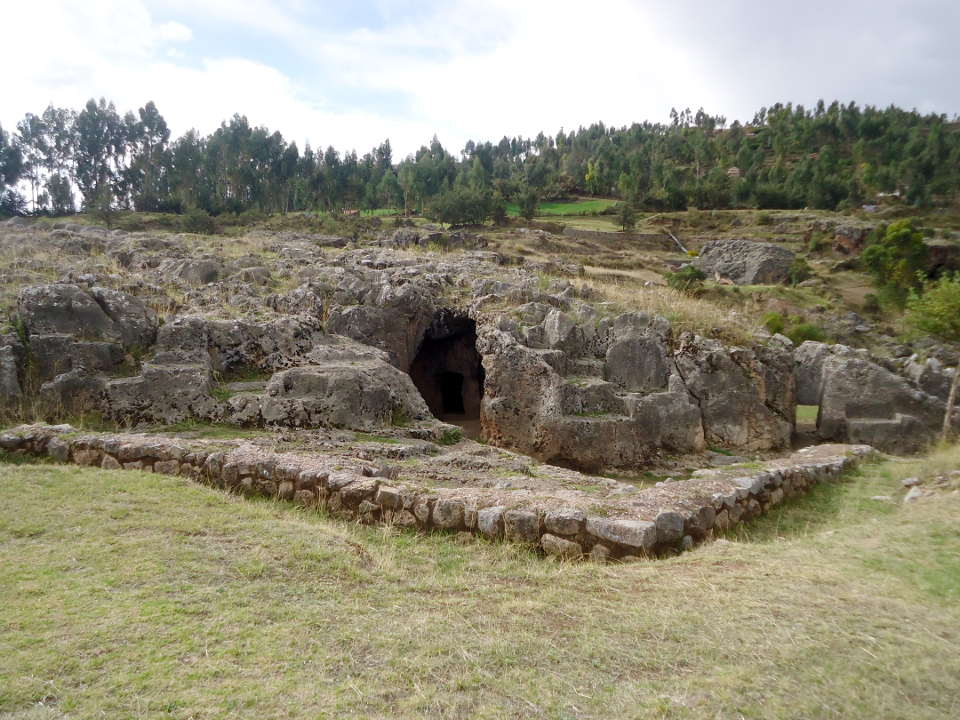
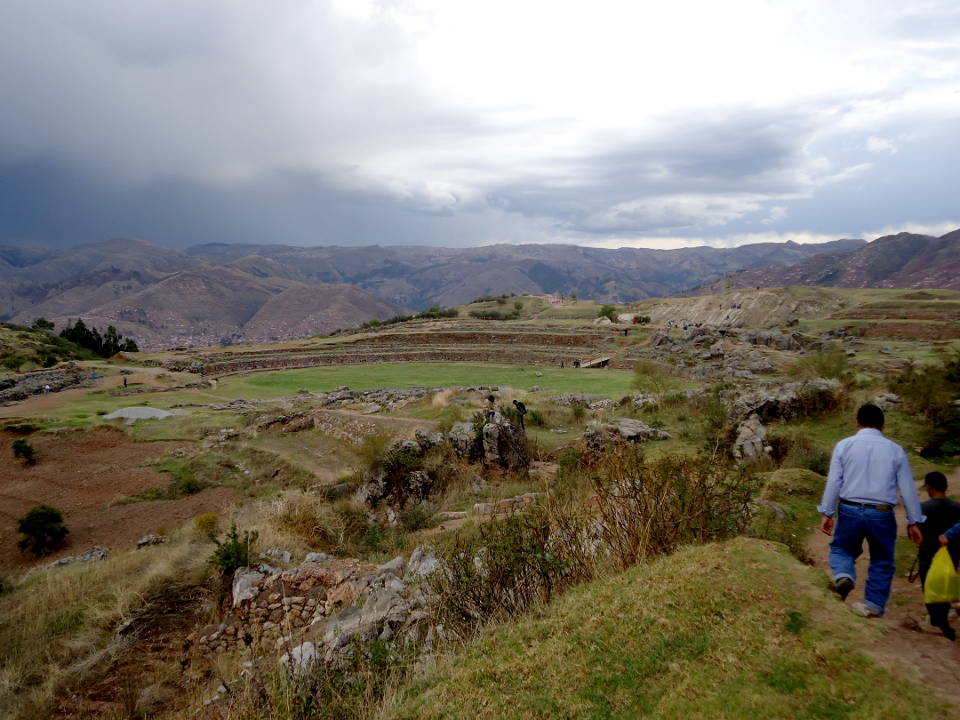
Whilst in Cusco, I met up with Victor in a café. He is a local shaman and we had a mutual contact in Helen Barnes from New Zealand. In a reading with Helen earlier in the year. There was given a nod for me in the direction of Sasayhuaman. This complex sits at the top of Cusco. It was built by the Incas in the 15th century. But archaeology sits that the earliest occupation of the hilltop dates to about 900 CE. With dry stone walls constructed of huge stones, it is quite a place to explore. I went there briefly one afternoon, and then back for a lot longer another day. Victor had mentioned he could take me to this place, as he is a tour guide. But I felted guided to go there myself, so that I could take my time.



Aqua Calientes – Machu Picchu
I met a lad at the hostel whom mentioned about a tour. Another way to get to the town of Aqua Calientes. He was going to book his journey, so I went along to find out more and ended up booking too. But it was all a bit epic really. As this option was cheaper than the train, but it involved a bit of a hike. So I caught the train back! But I guess it was more of a pilgrimage, to walk in.
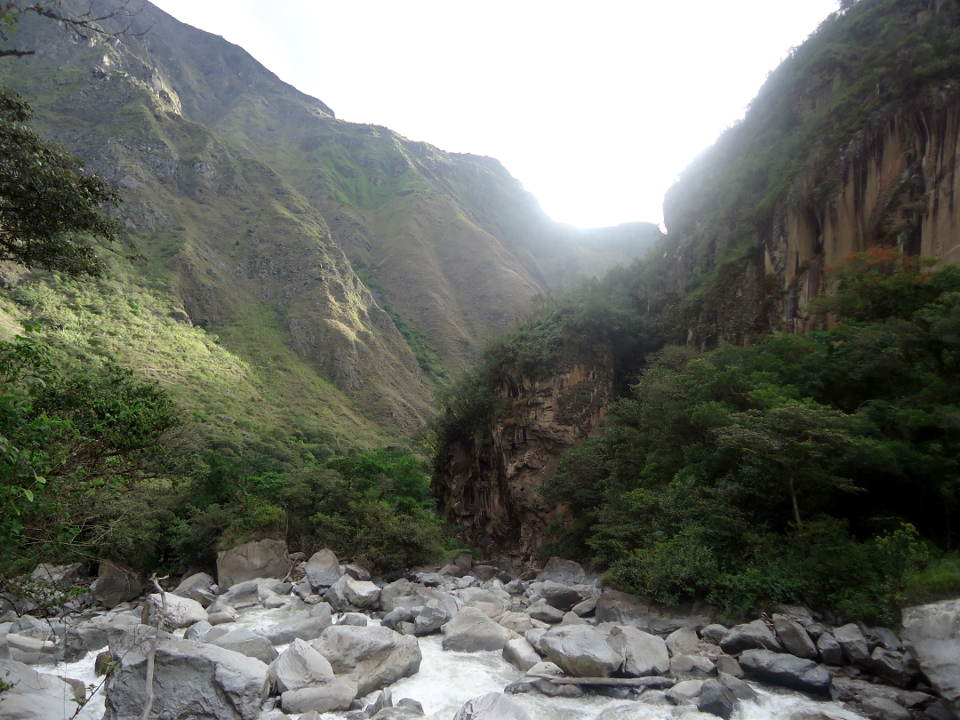
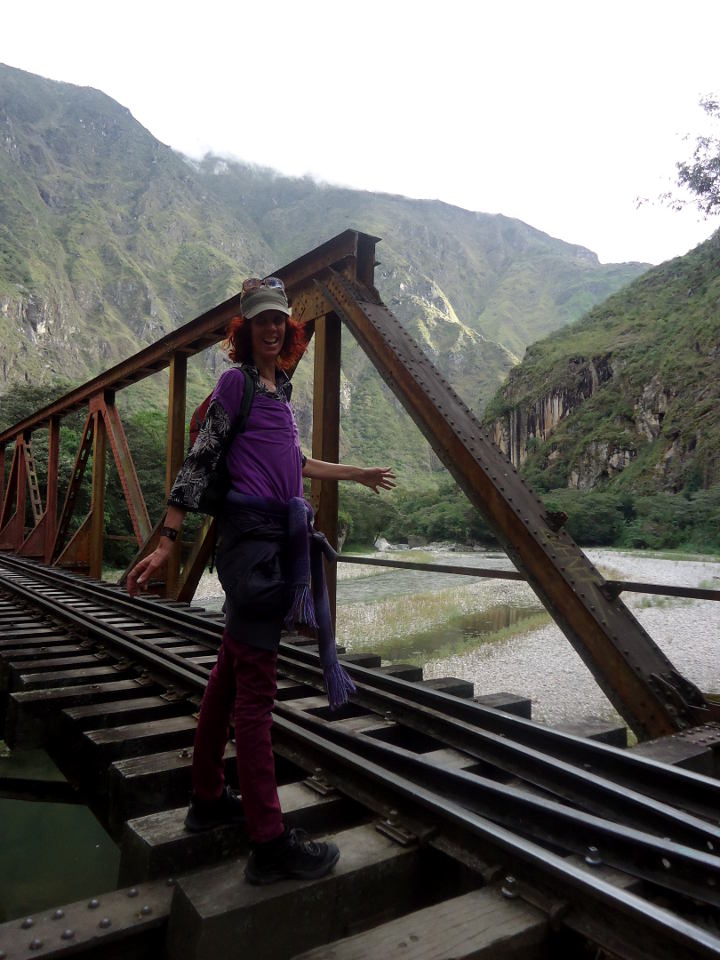
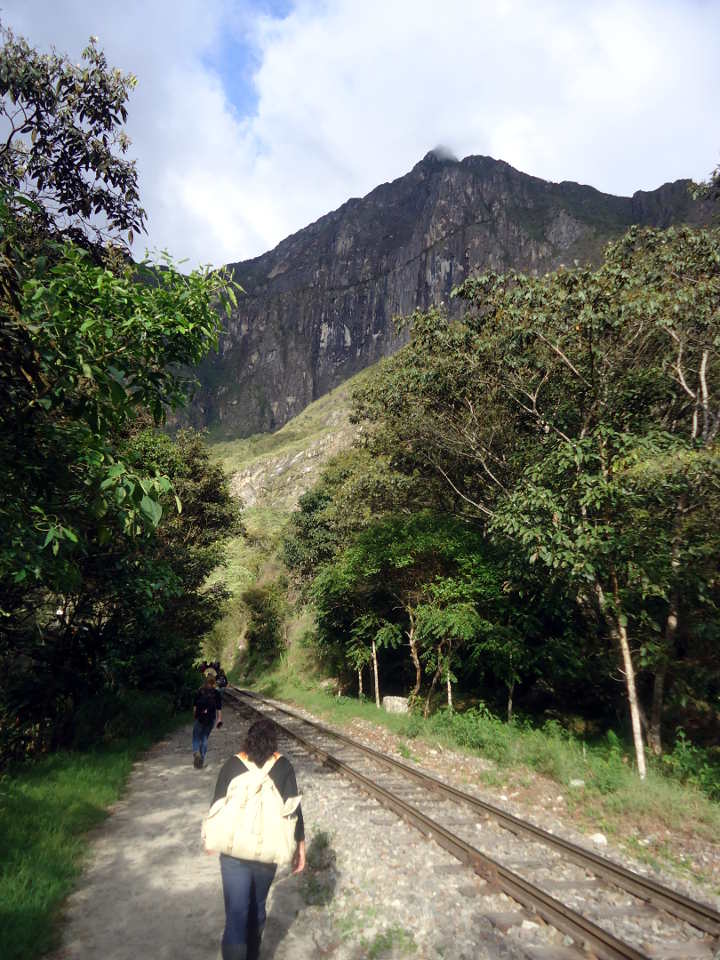
I left most of my belongings at the hostel in Cusco. Taking a small bag with all I needed for a few nights. The small van hugged the road with a steep and deep drop on one side. It was a hairy ride to a place called Electric. From there it was a three hour hike to Aqua Calientes. It is a beautiful walk in the jungle by the river beside the train tracks. I met a new friend, and with her walked together slowly to get there. Some of us slow walkers got picked up in a small train at the end. Thank goodness. As its a bit of tight squeeze walking through the train tunnel when a train is going through it. And a wee bit scary. I was knackered, but I had done it.
Agua Calientes is the town at the foot of valley of Machu Picchu. It is a cool little town. I went for a walk after sitting down to rest in my hot exhaustion. And found a hostel to stay in. In the morning I was going to Machu Picchu!
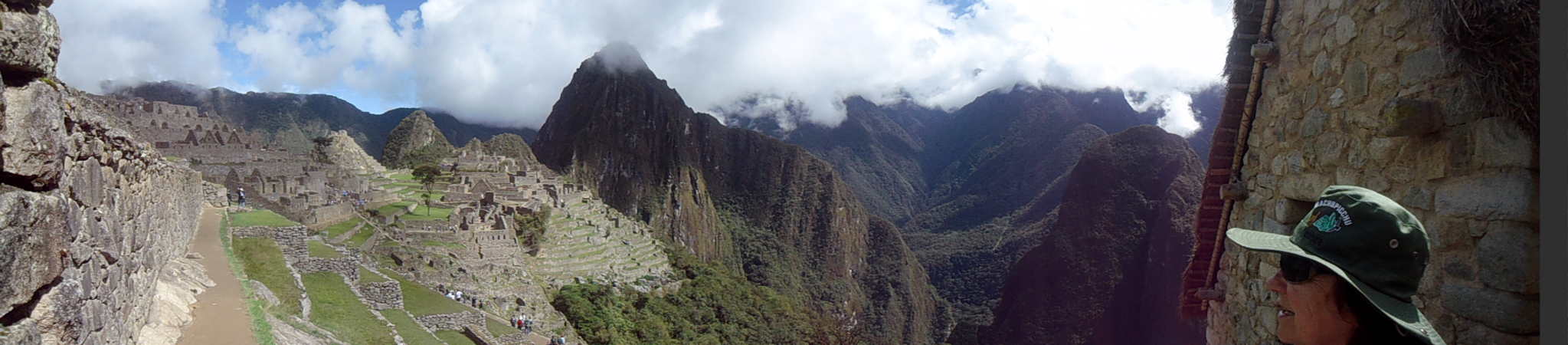
What a place Machu Picchu is, catching one of the early buses up. I ended up staying there for nine hours. As it is so big, there is much to explore and see. And so even if there is lots of tourists it is barely noticeable. A few people wanted to get a photo taken with me. When leaving I met three people that I bumped into two more times on this journey. Miquel, (Peruvian) Iryna and Andrusenko (from Ukraine) and we bonded straight away. I said goodbye and then took the bus back down. On the way, looking back up to Machu Picchu. There was a rainbow like I have never seen before in my life. Bright and clear.
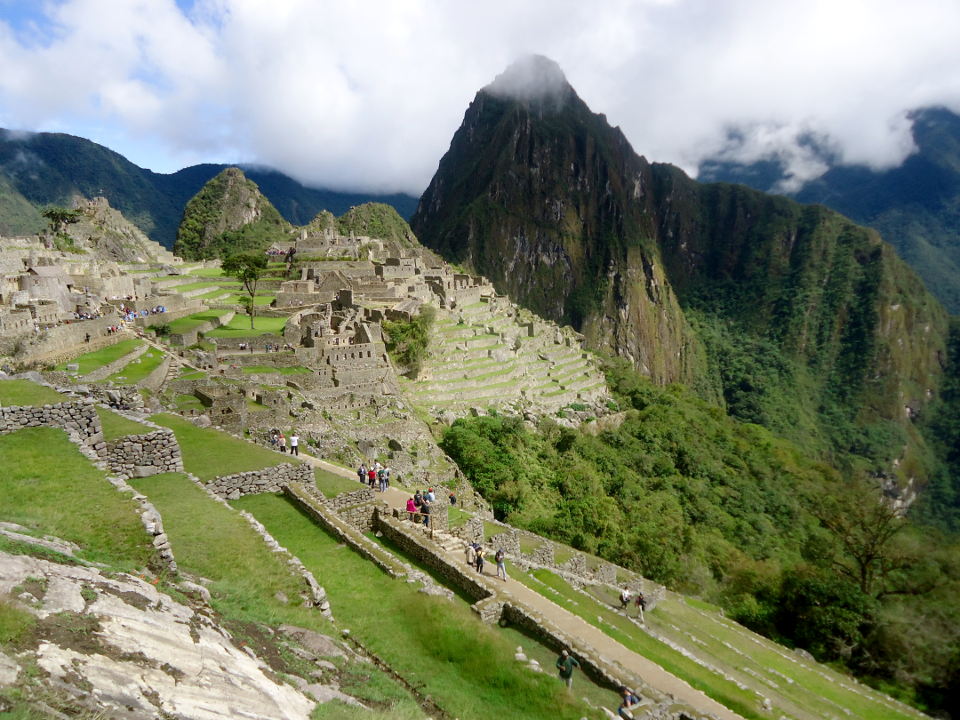
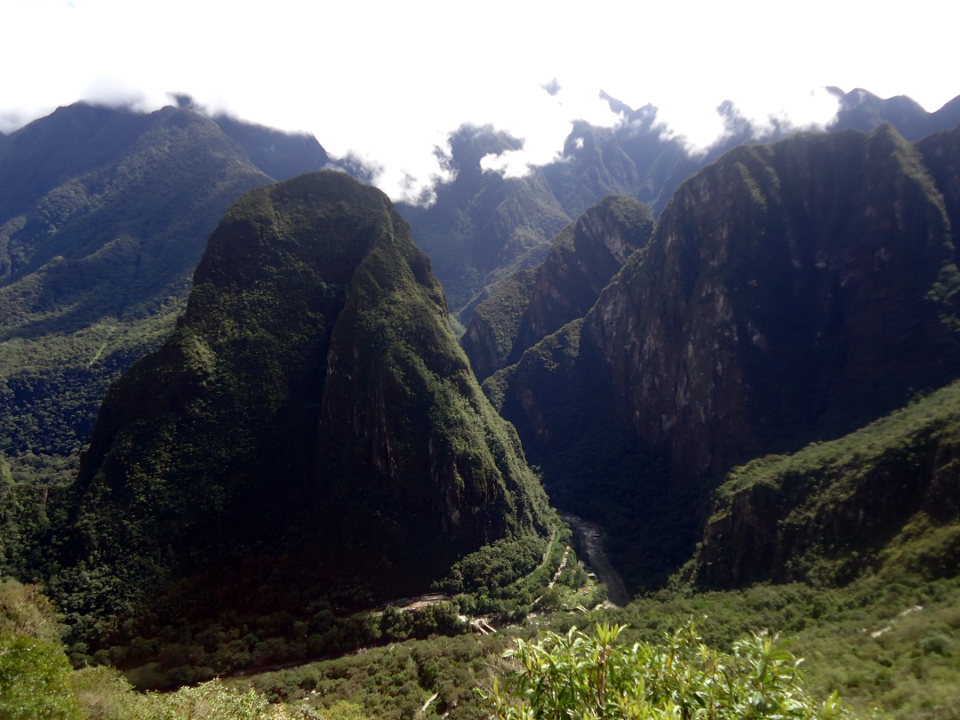
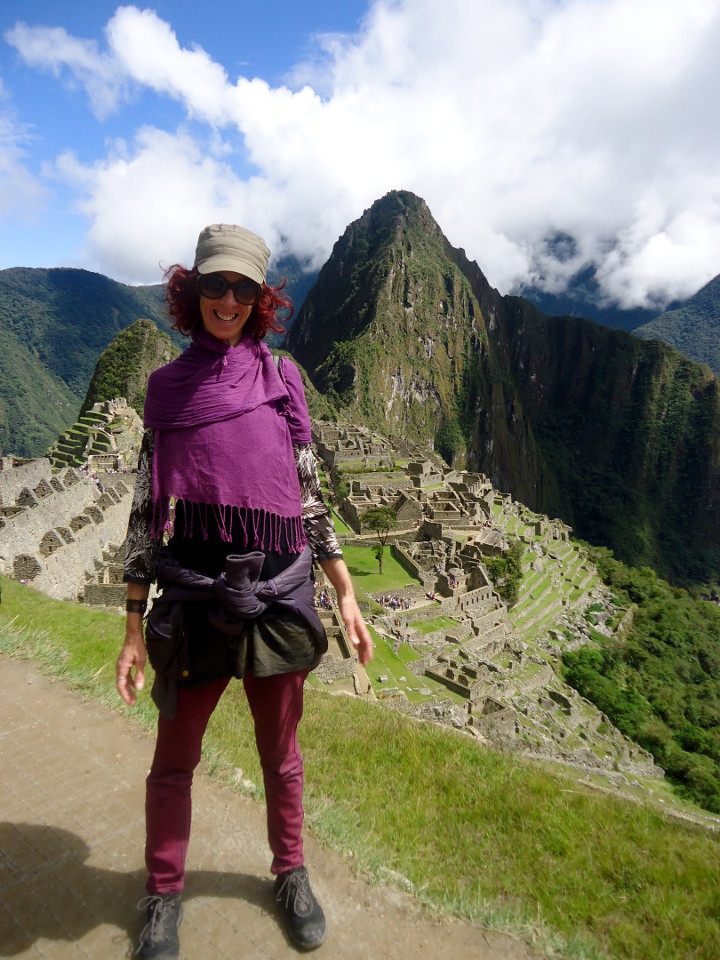
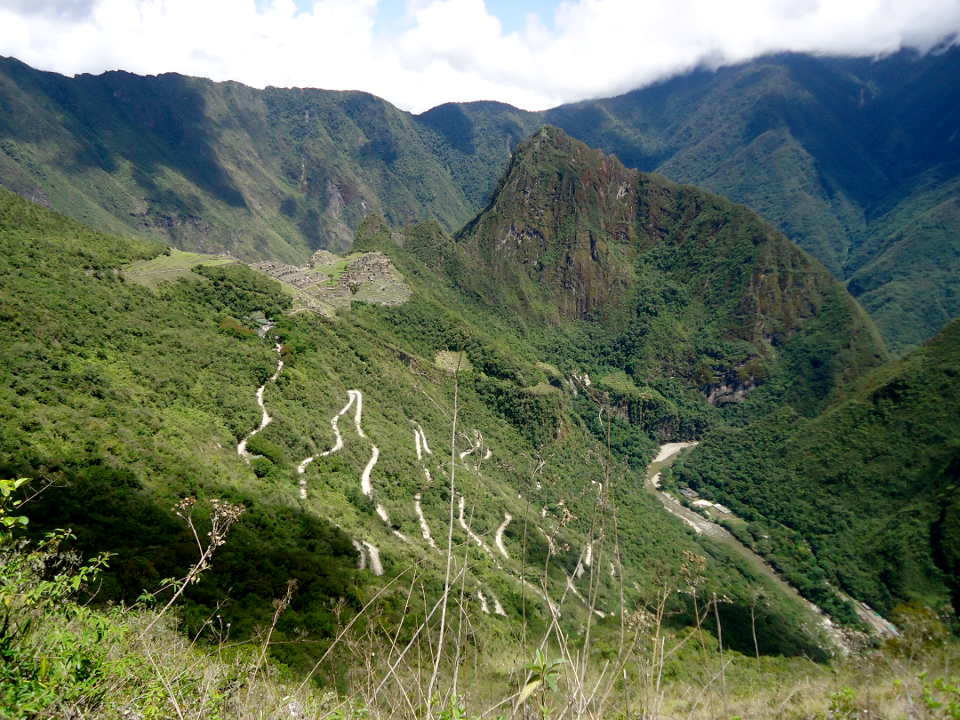
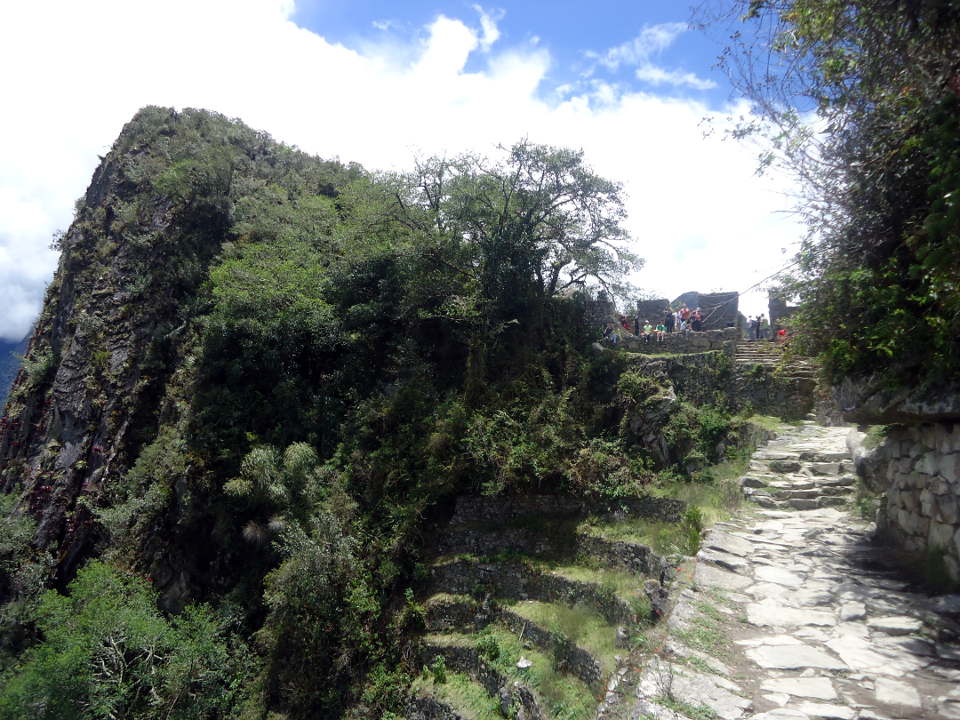
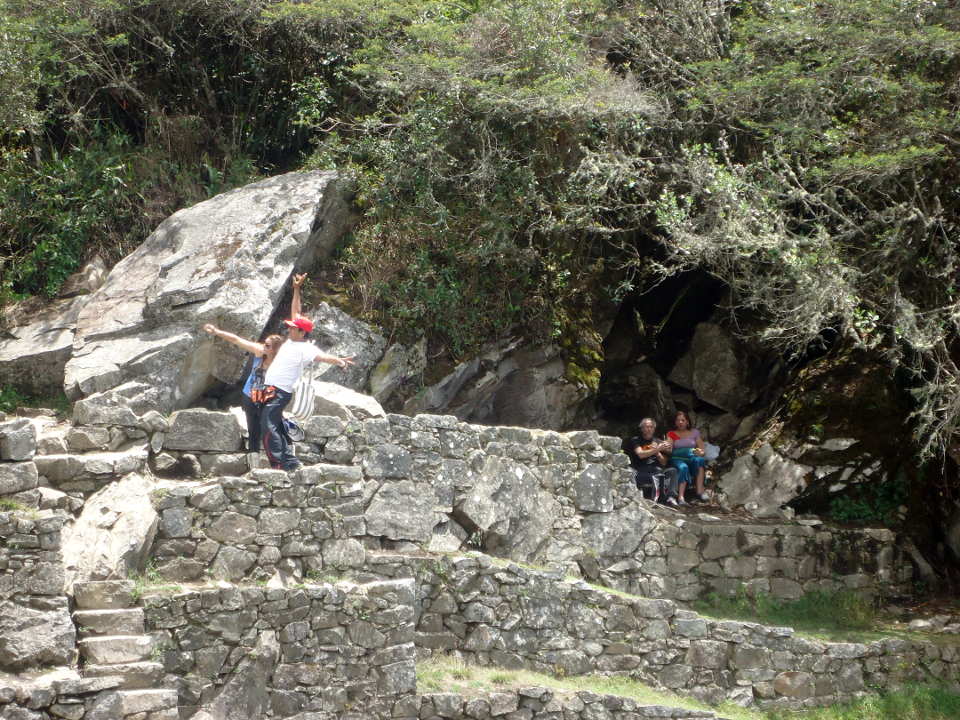
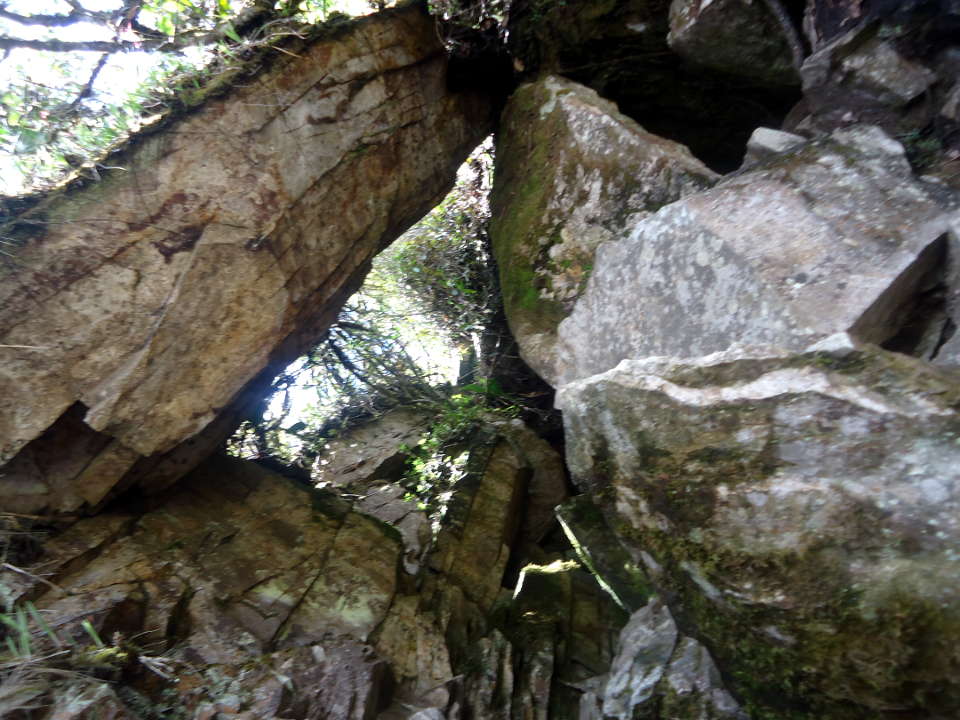

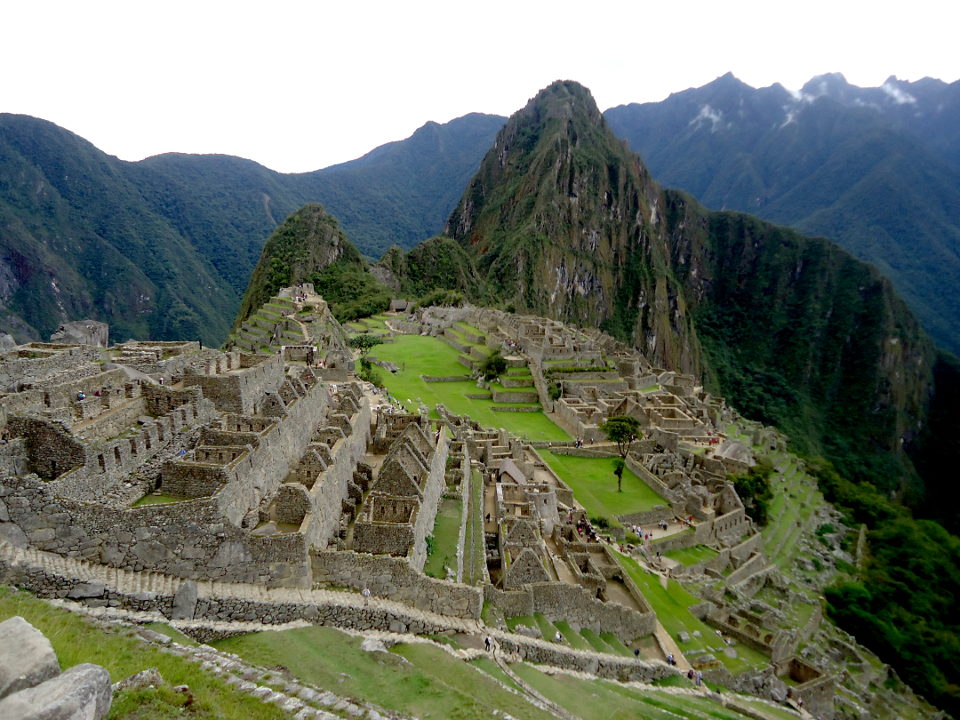
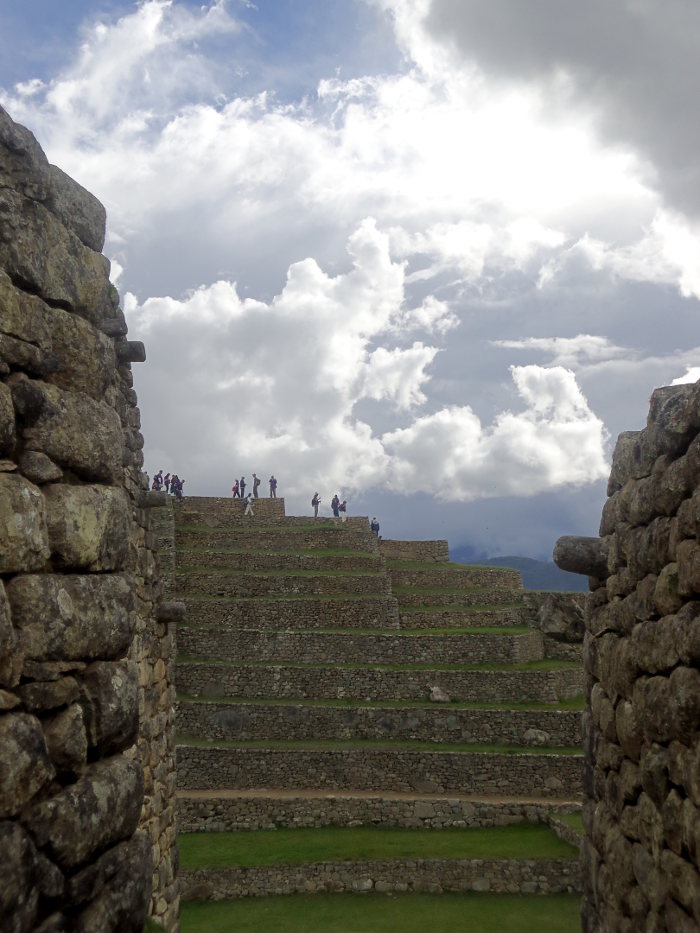
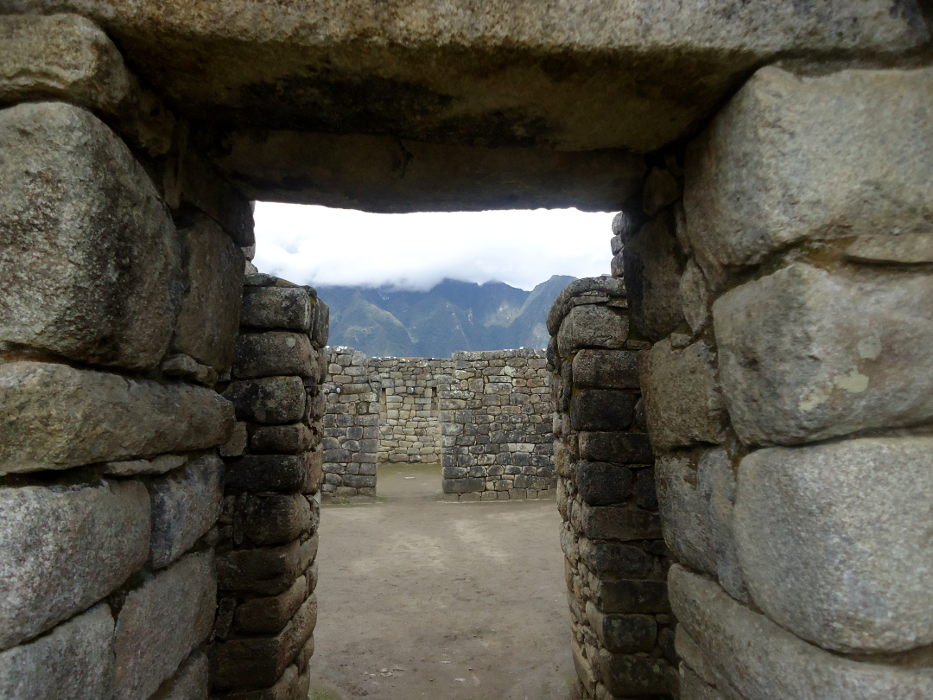
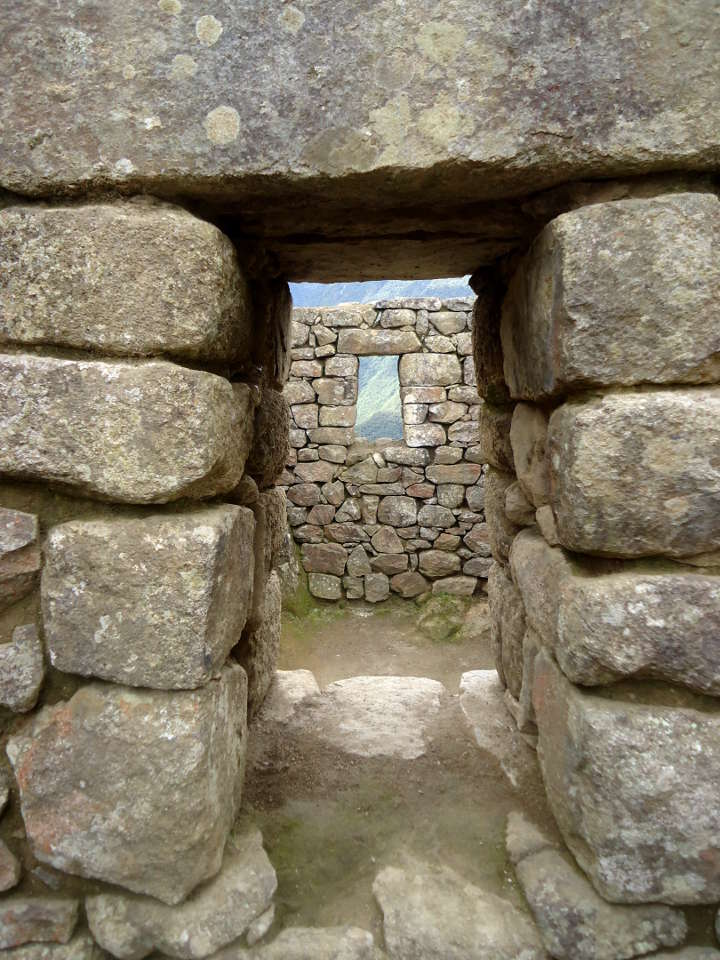
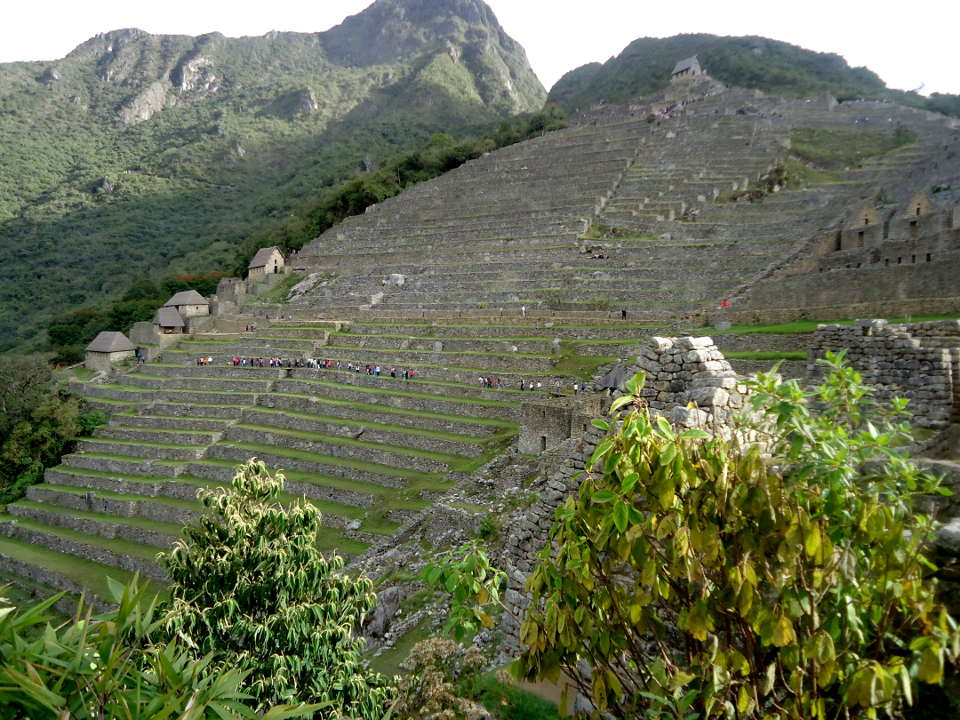
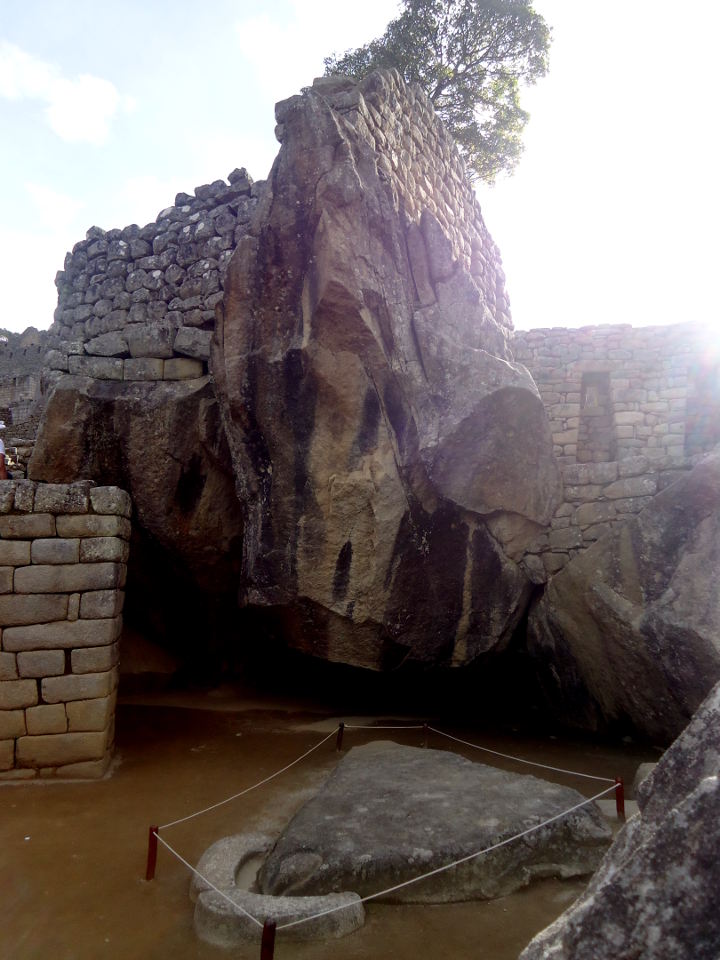
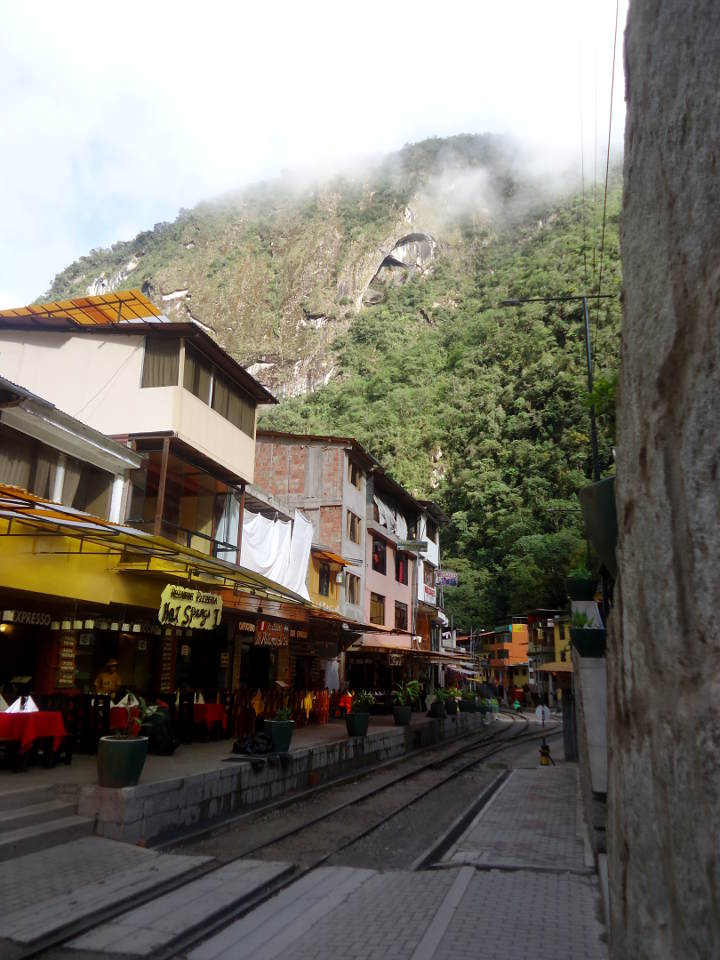
I think the name of the hostel I stayed at was ‘Eco Mapa’. With a room to myself, it was a good spot for only 40 Sol. Aqua Calientes, is tiny village with hot springs and quaint shops. And looming 2000 feet above this little village is Machu Picchu. Aqua Calientes translated means ‘hot waters’. I went to the hot springs on my last night. It was really nice and it felt so good to be in that water after the day at Machu Picchu. The people I had met at Machu Picchu were there too.
Ollyantaytambo
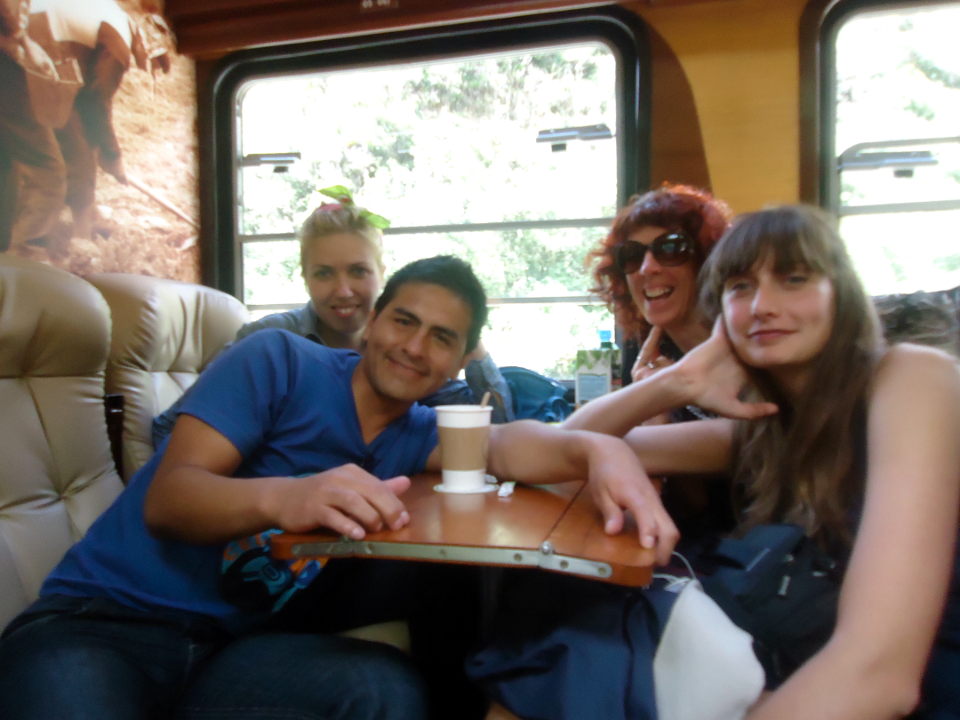
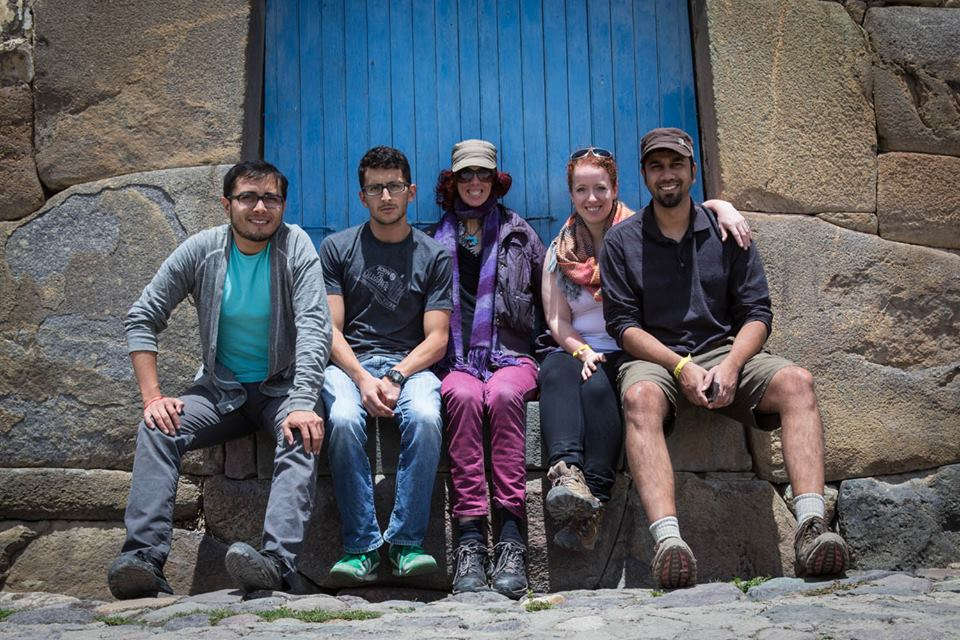
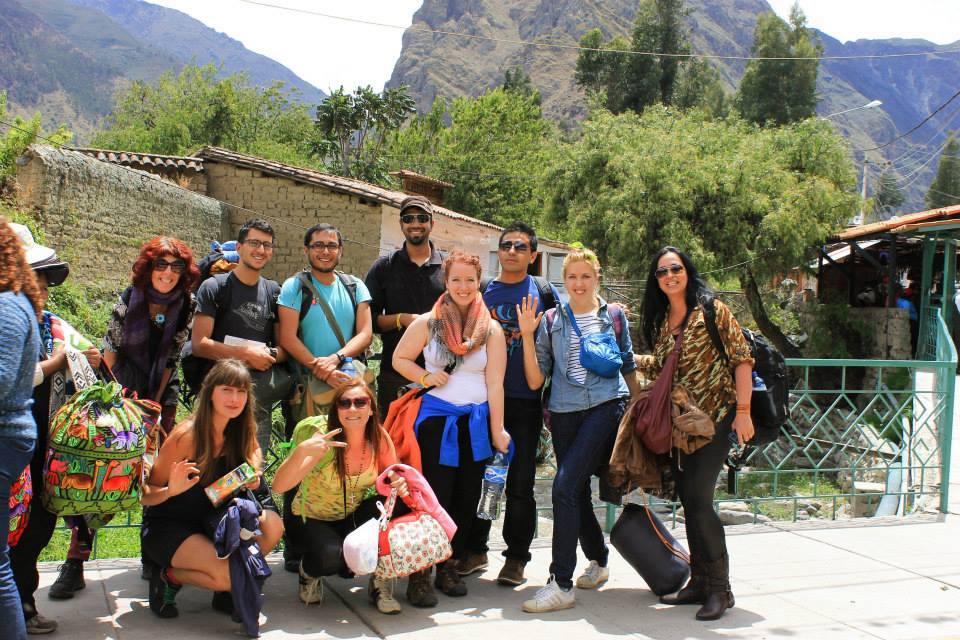
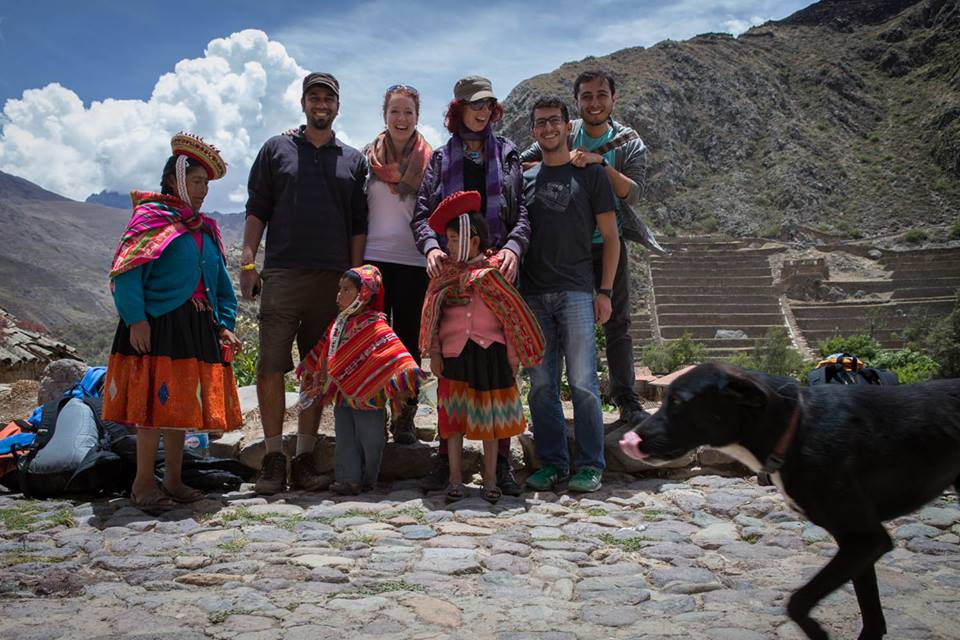
Boarded the train from Aqua Calientes to Ollyantaytambo. When I got on, I reunited yet again by chance with the three met the day before at Machu Picchu. Miquel, Iryna and Andrusenko. We bonded some more and we met Bethany from the USA. And other travellers around us, whom kept popping up to say hello. Maybe everyone was amped up from the Machu Picchu energy. We did a big group photo when we all got off. It is a lovely train trip, the journey out was a lot easier than the journey in.
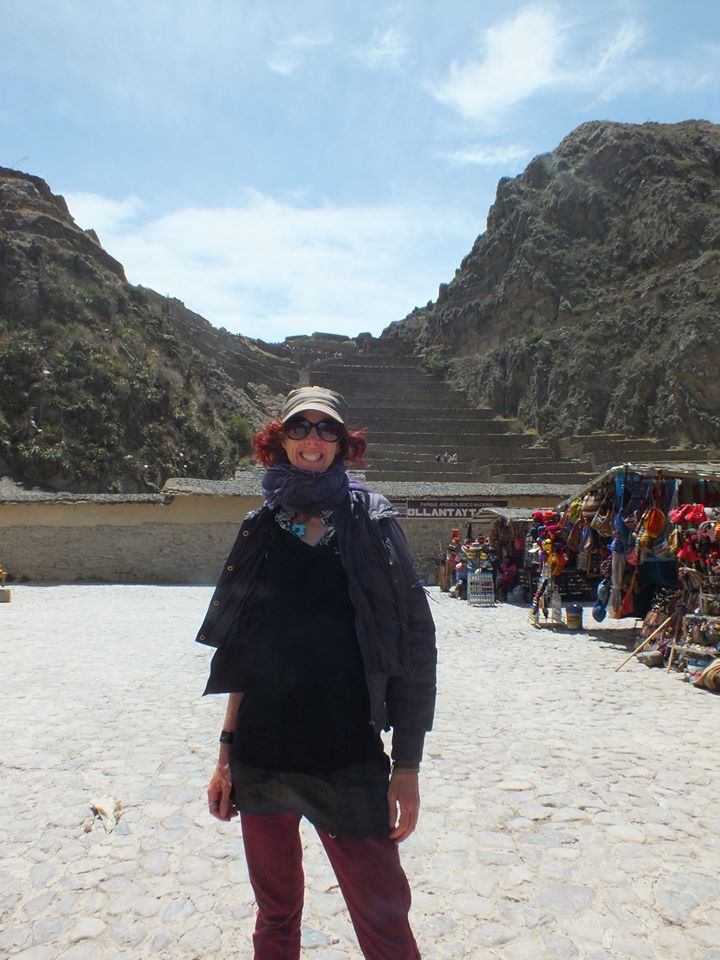
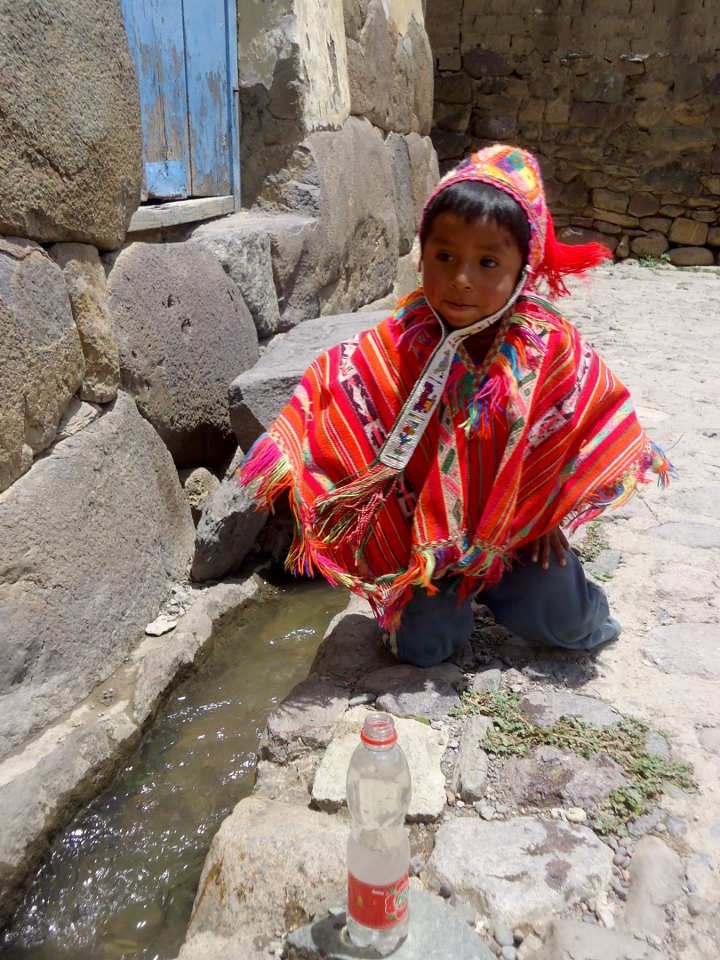
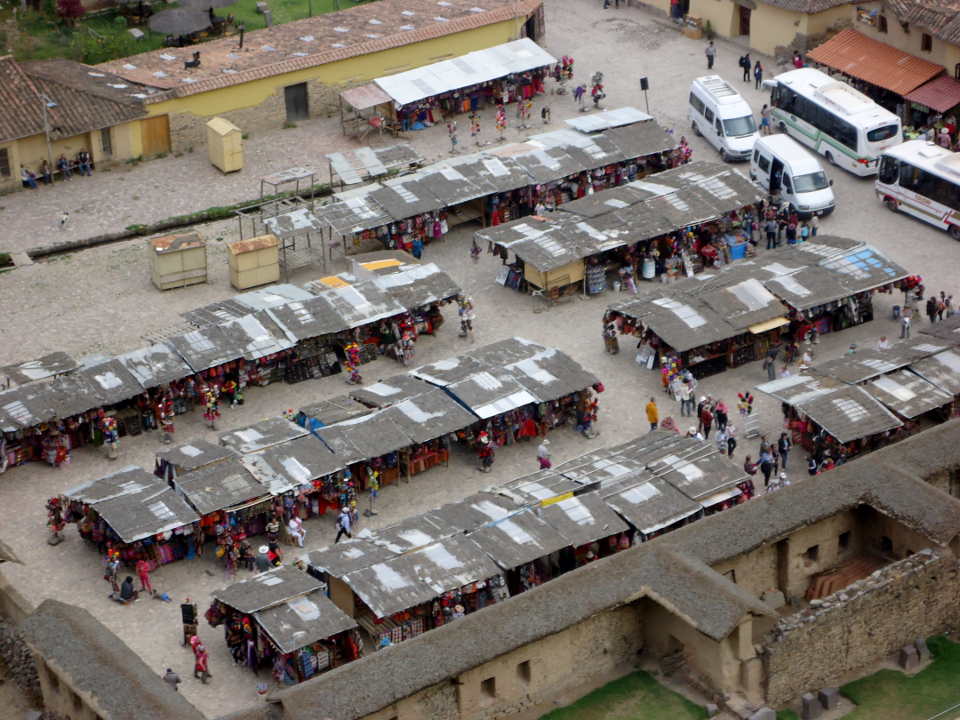
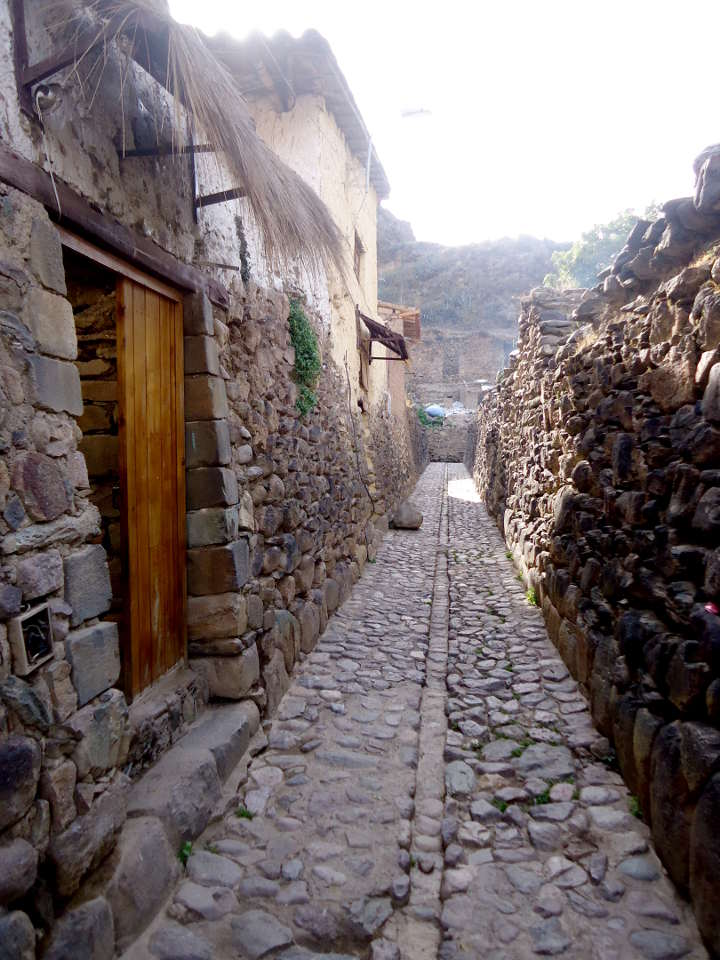
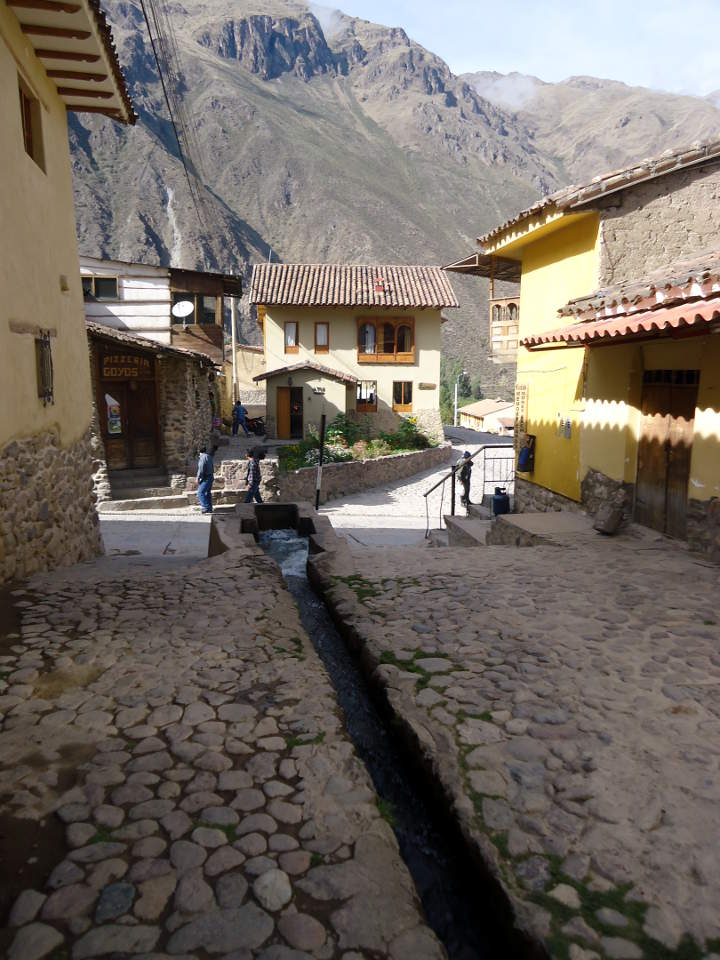
I liked the town of Ollyantaytambo, in the Sacred Valley, so decided to stay one night there. Here, you can wander the cobblestone streets. And I loved the waterways that are running through the streets, like they were in times gone by. And the markets there at the foot of the ruins are full of colour and jewellery.
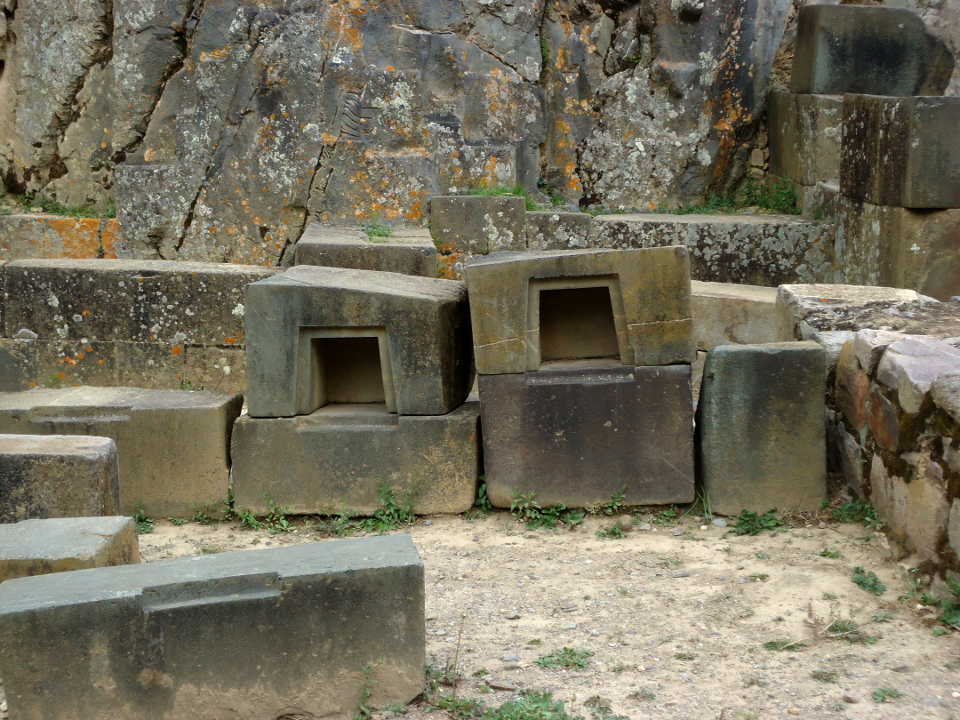
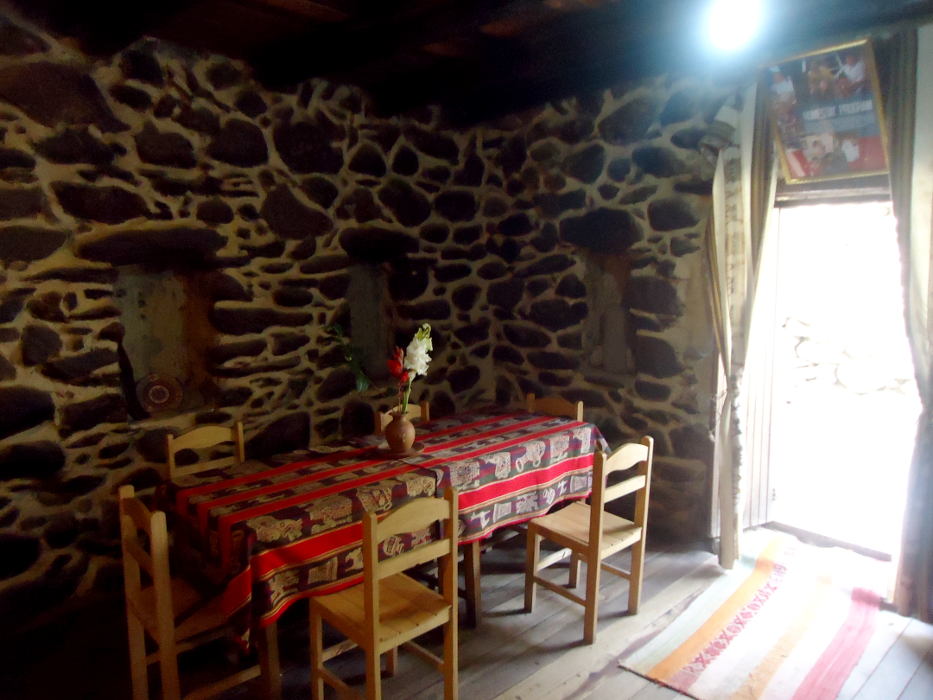
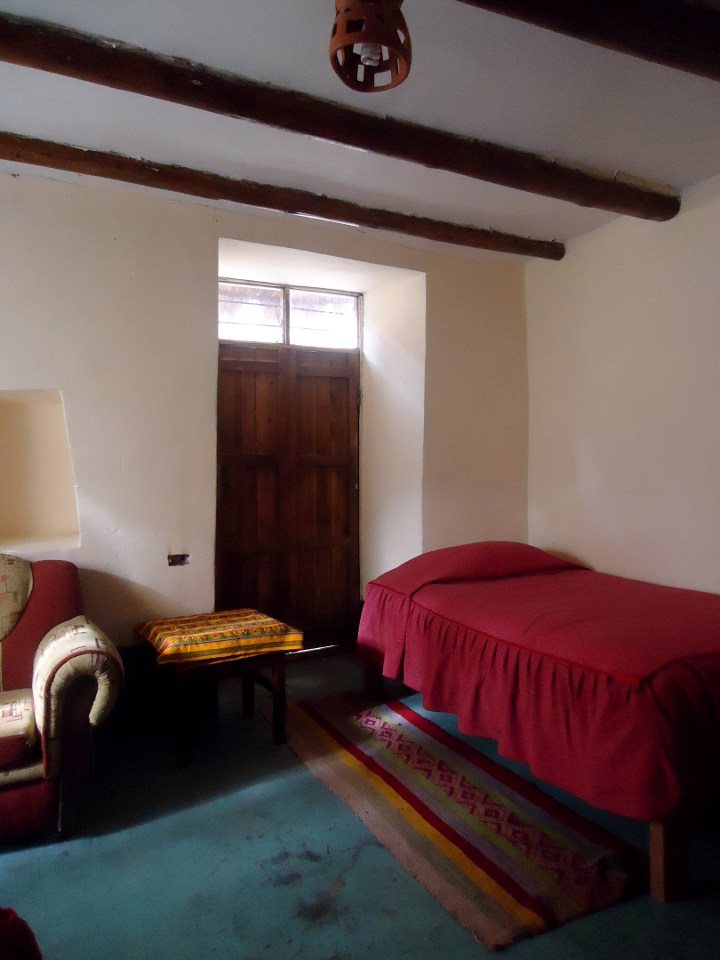
The hostel that I stayed at was five hundred years old. I had purchased a Cusco tourist ticket, which means free entry to many of the places in Sacred Valley. Spending time at the temple ruins there, which is right in the town really. Its Impressive how the ancient masons fitted these enormous stones together, from quarries miles away. And some of them look like they weigh tons. Exploring these ruins means climbing lots of steps, lots of ups and downs. People were getting guided tours. I like to stop and eavesdrop for a while and then move on. But if you go there and are looking for a guide. They are usually walking about to offer tours and information.

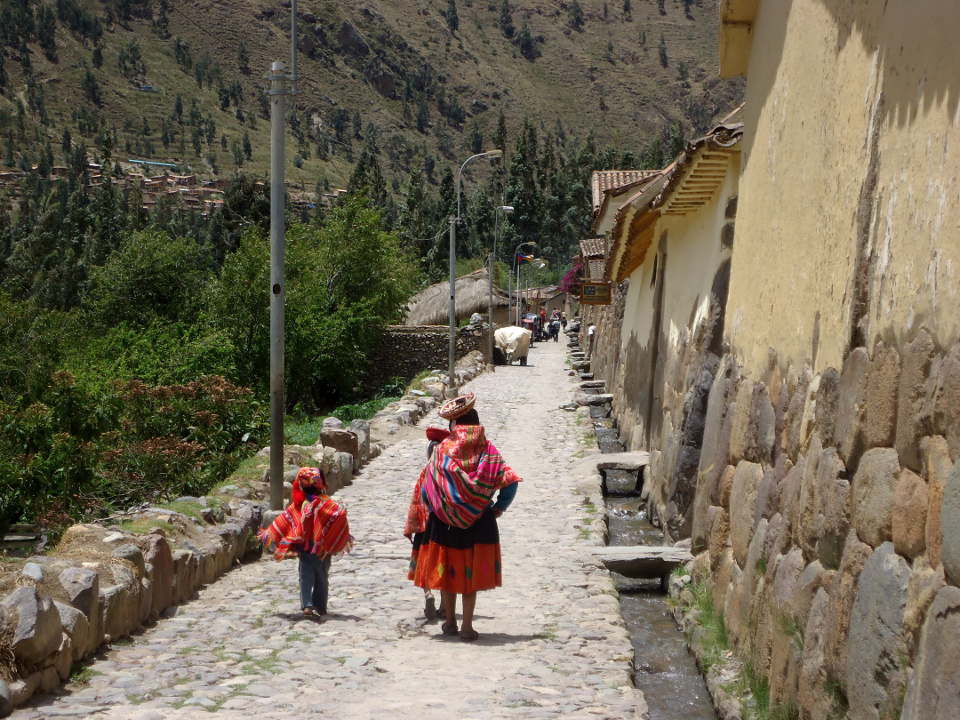
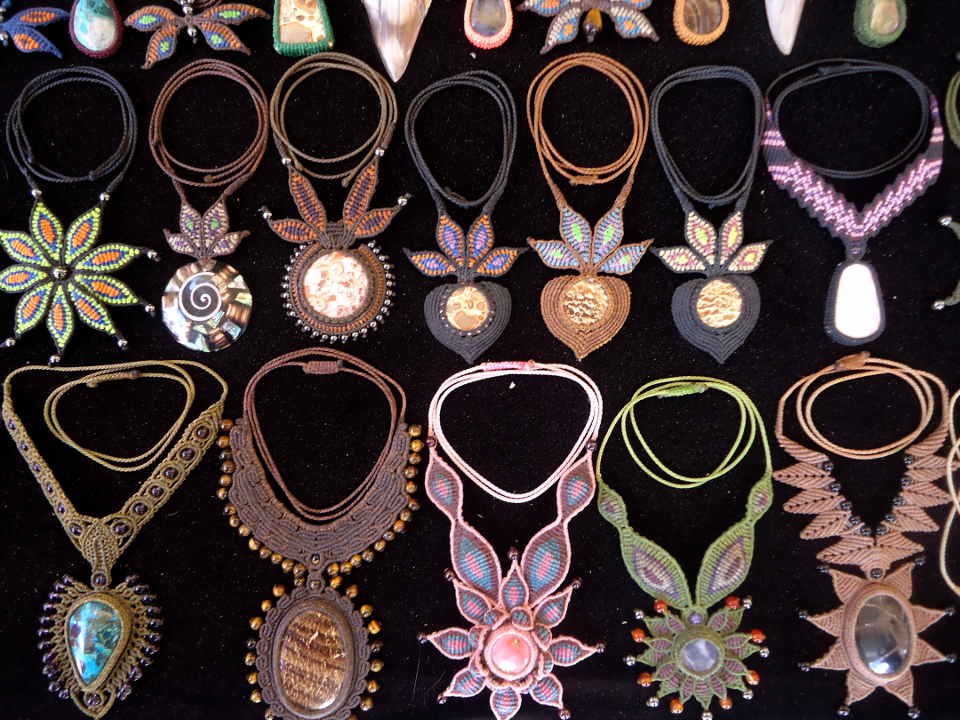

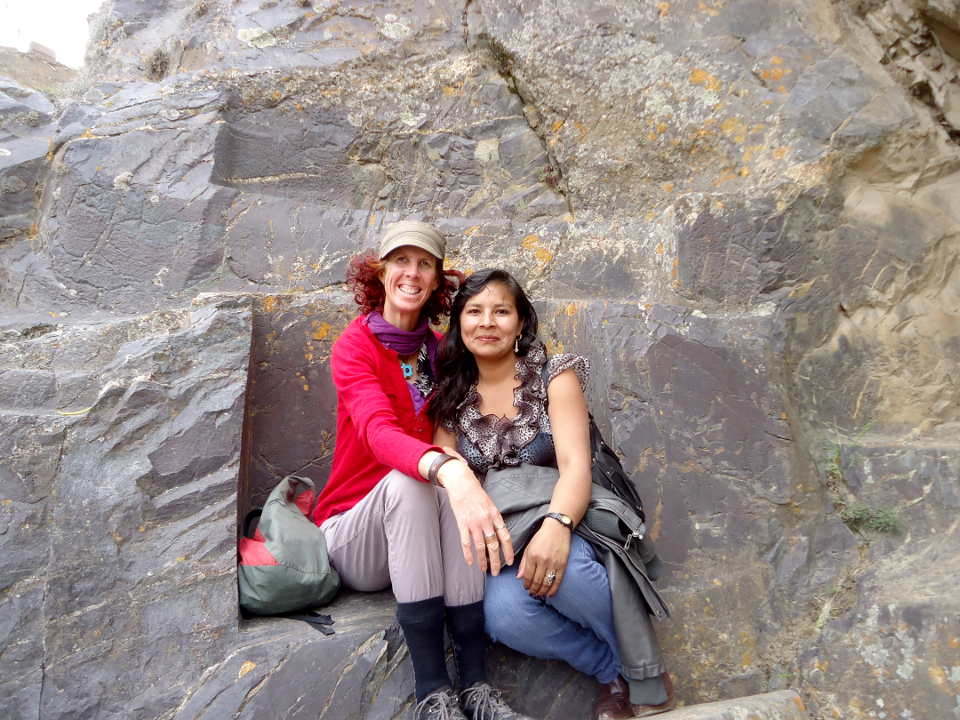
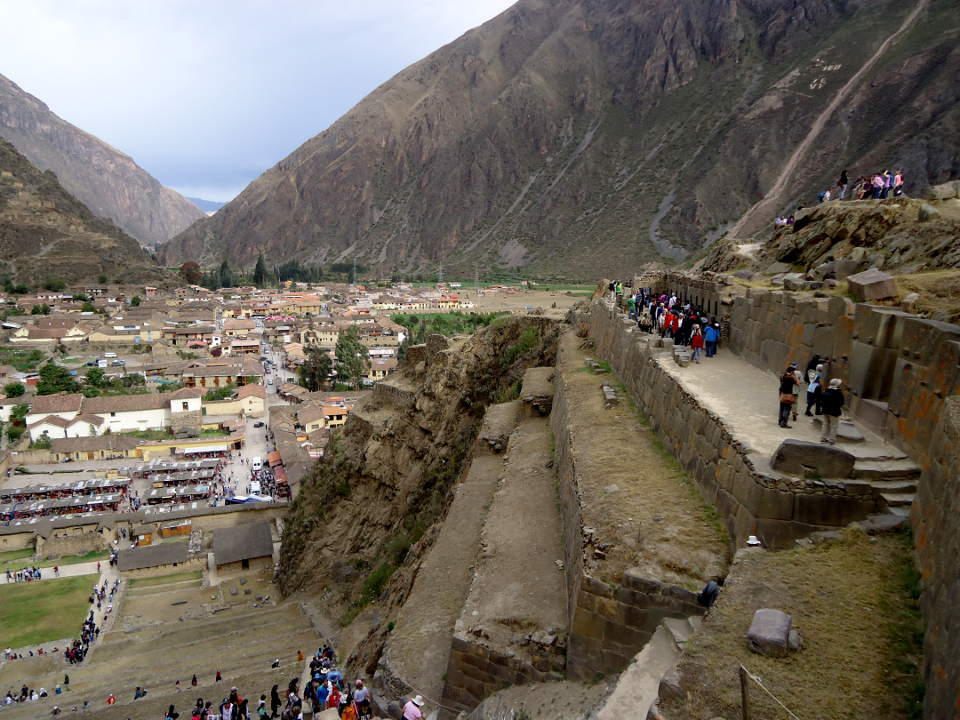
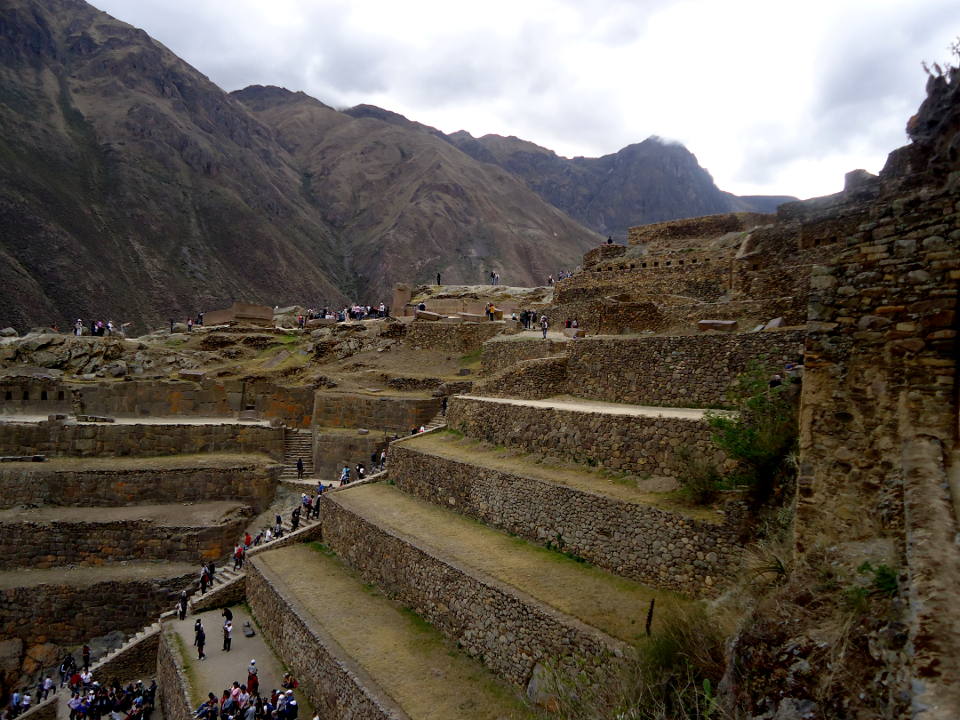
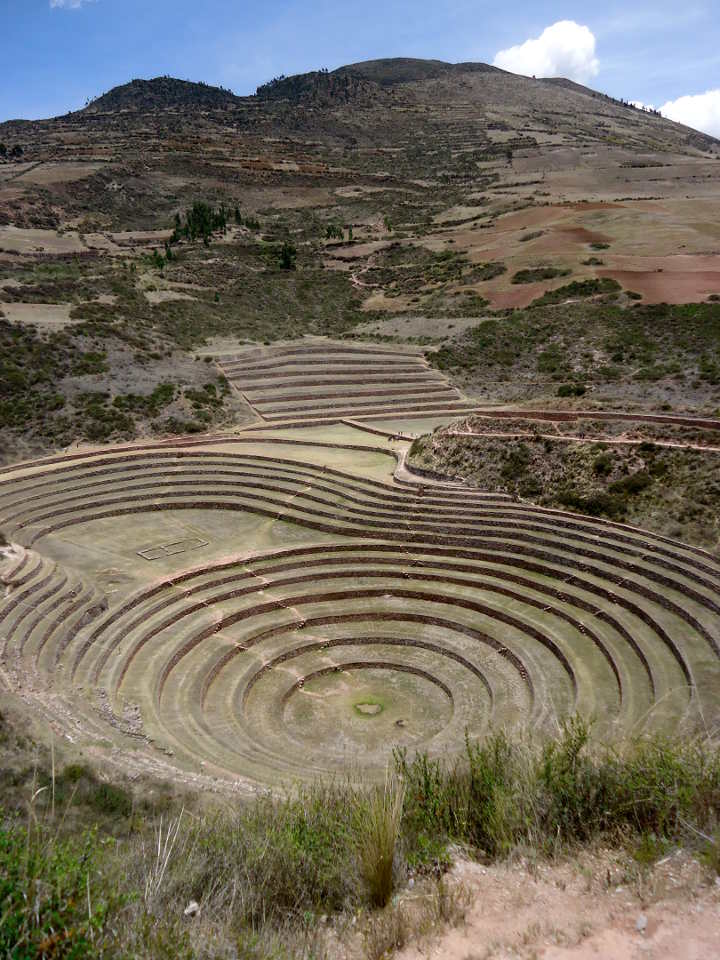
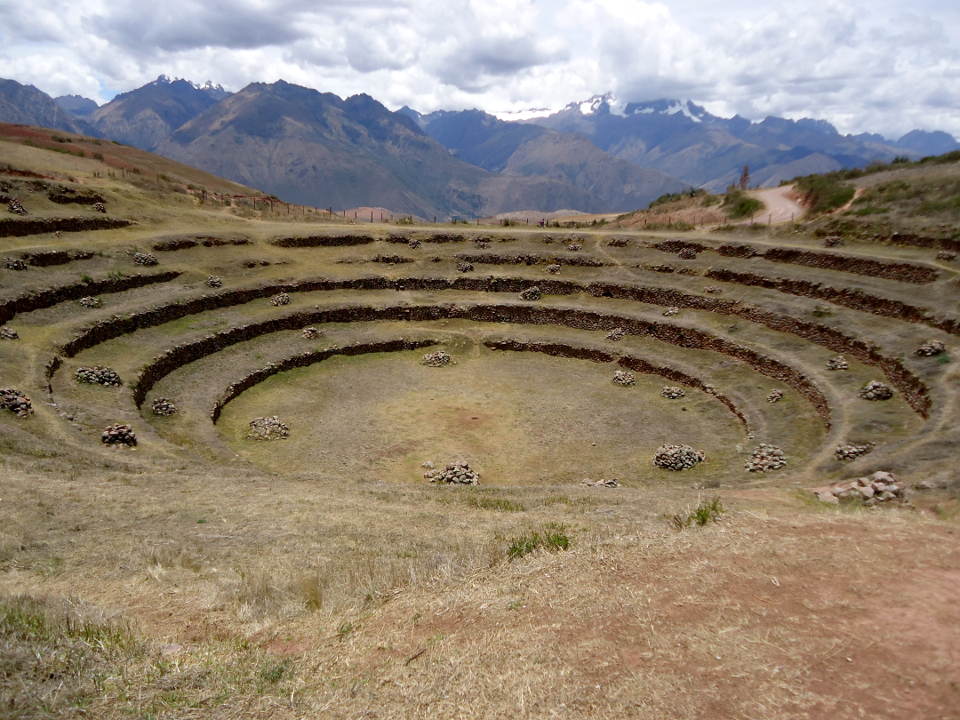
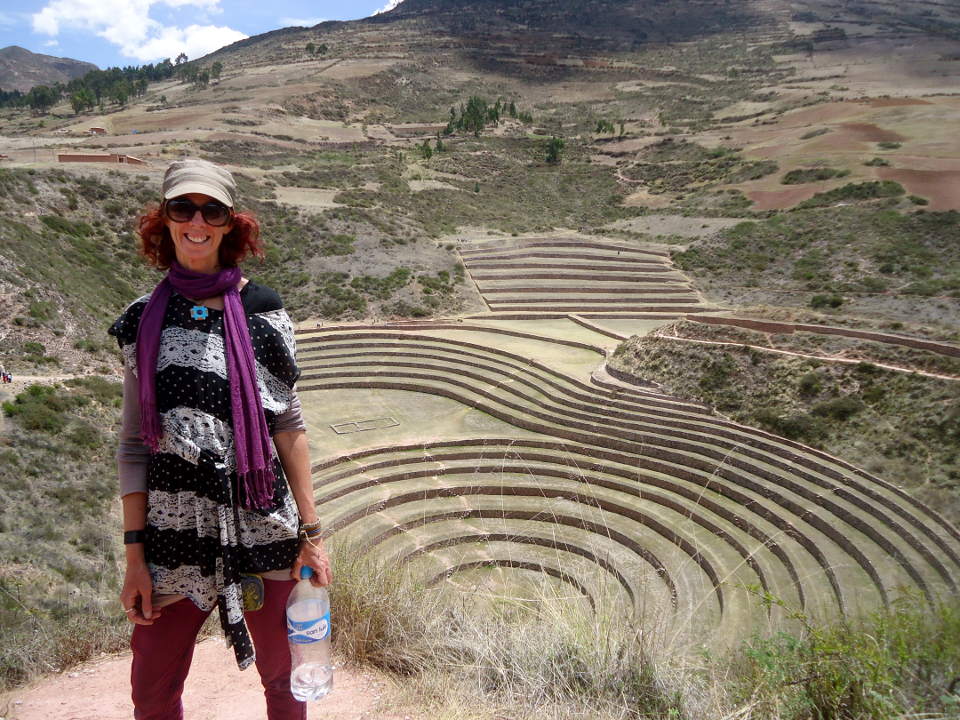
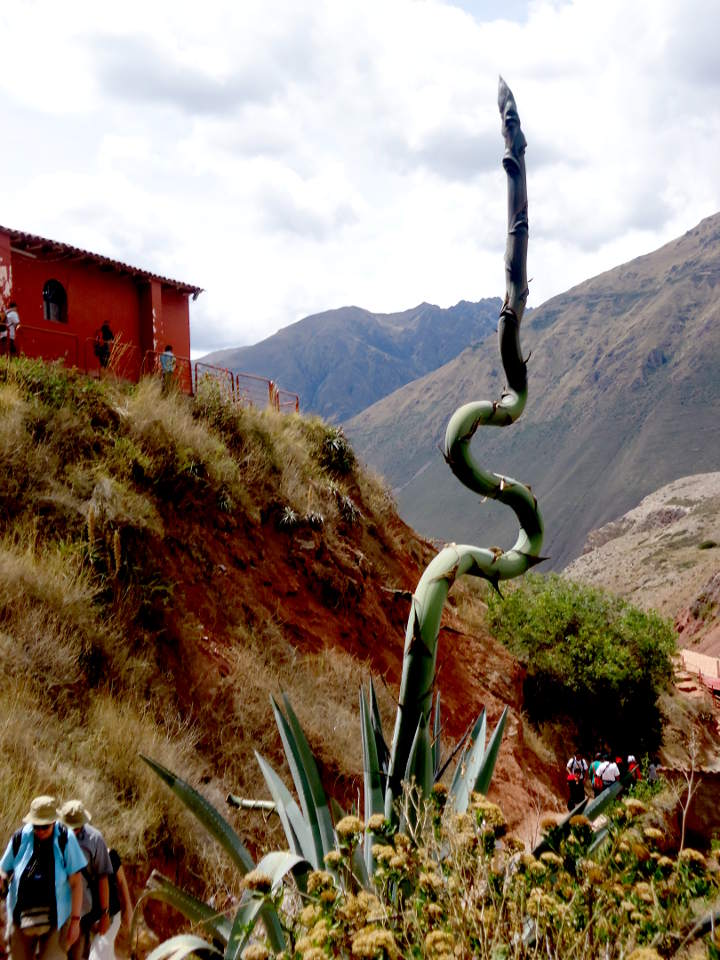
There was some places to go to in the Sacred Valley. So upon inquiry, and as it seems to be the way. I hired a local driver to take me the next day. We went to the circular Inca terraces of Moray. Which had quite a powerful energy and is unique among the Inca sites in the Sacred Valley area. It is on a high plateau at about 3,500 metres. The site contains Inca ruins, with several terraced circles. The purpose of this stunning place is shrouded in mystery.
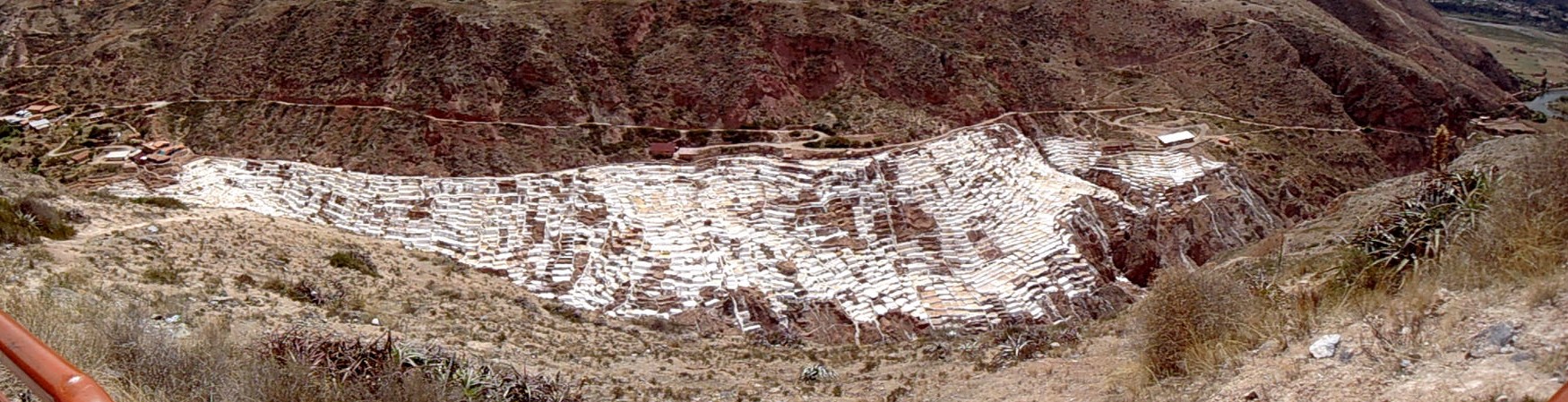
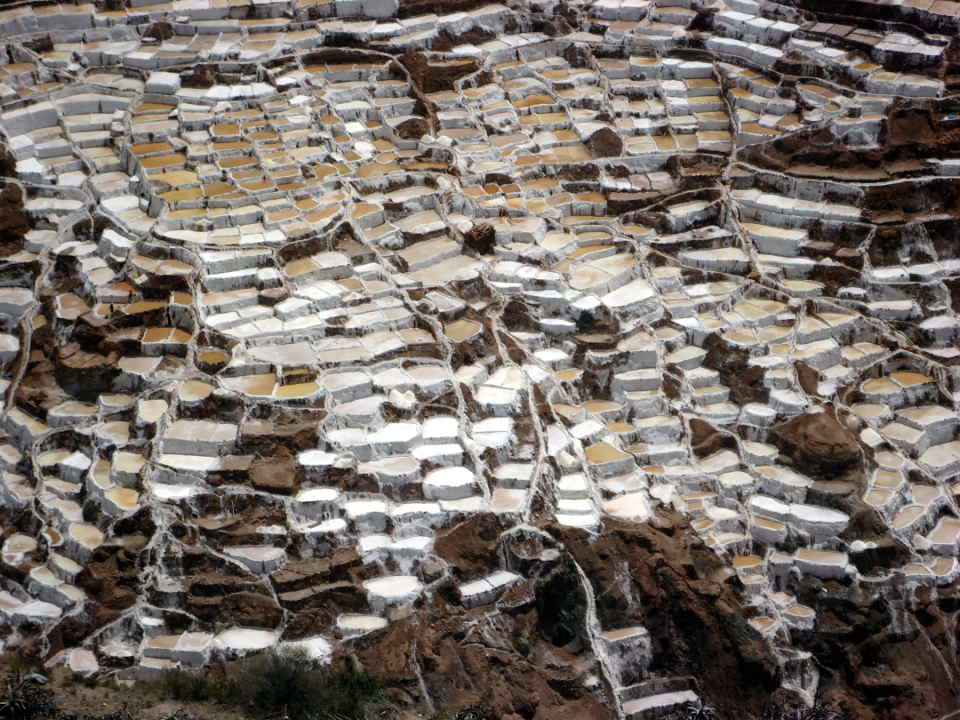
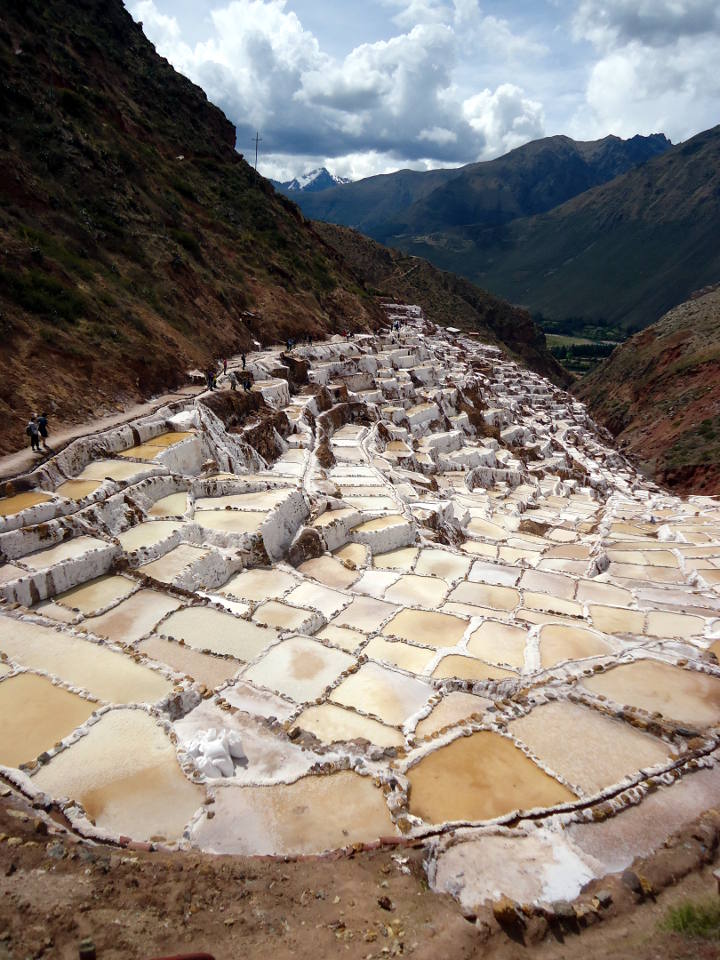
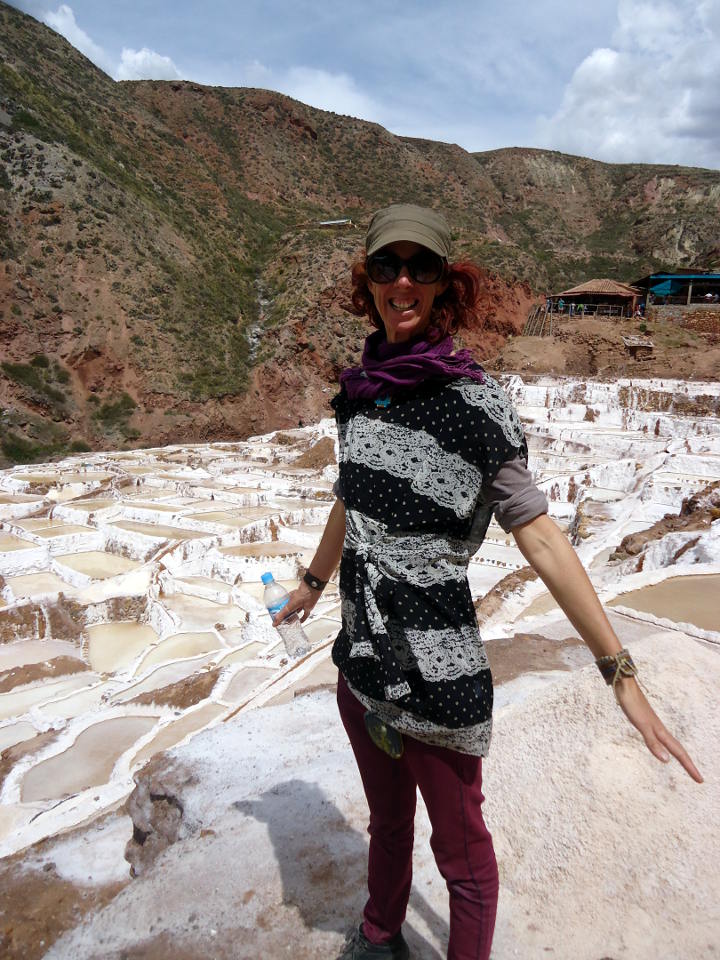
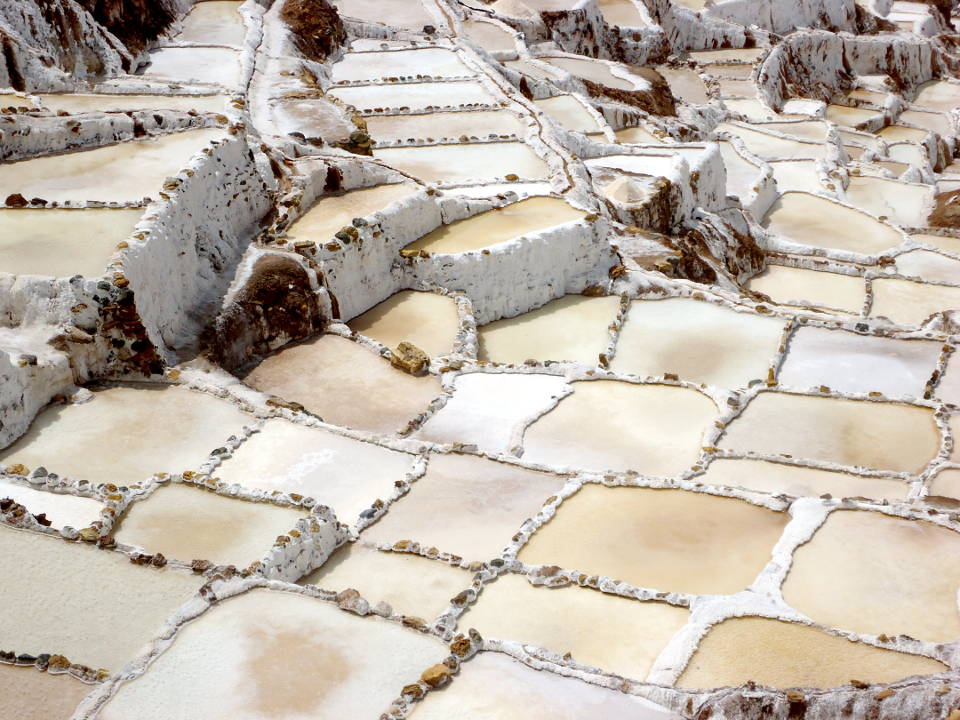
Then to the Salt mines of Maras, where since pre-Inca times, locals have been obtaining salt. Done by evaporating warm salty water from a local subterranean stream. The stark white here under the bright Peruvian sun, is sunglasses worthy. It is such a beautiful sight, the salt everywhere, whiteness to behold. And people were working and collecting salt when I was there too.
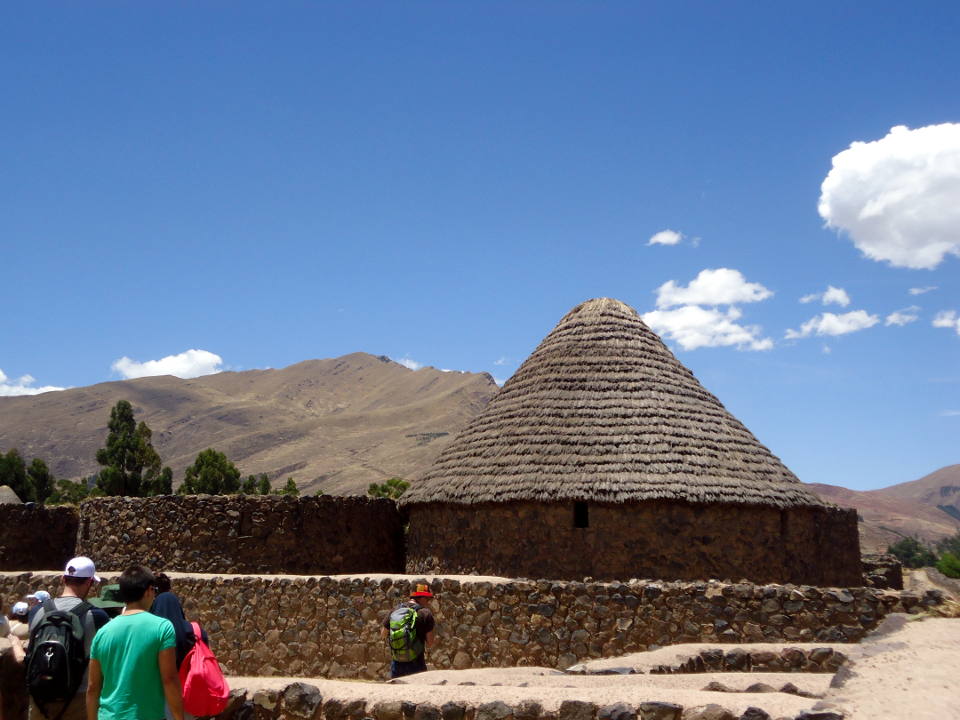
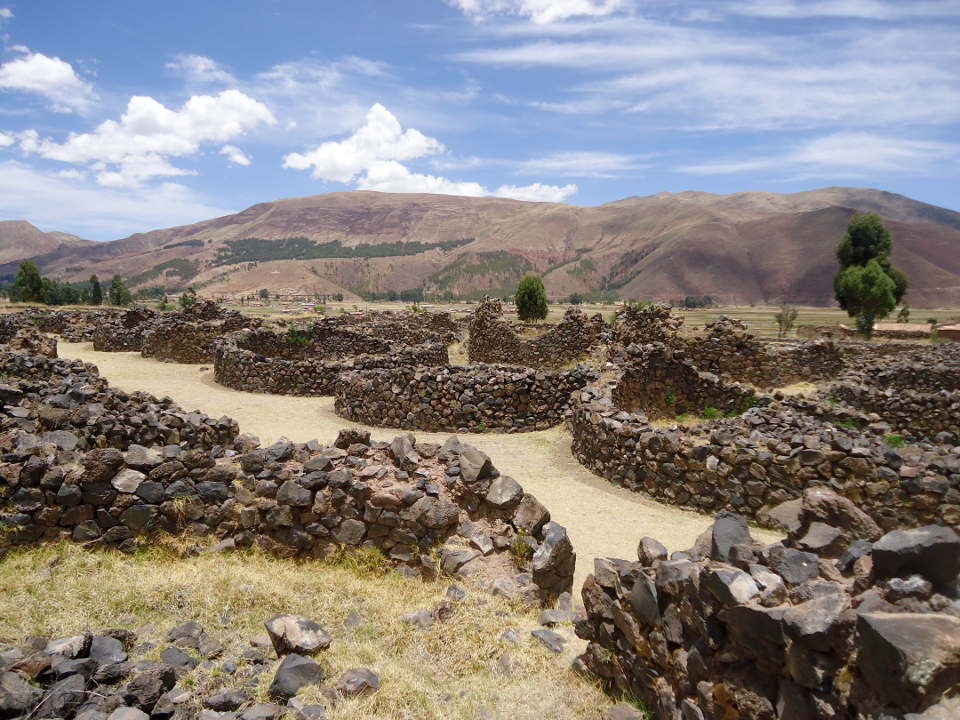
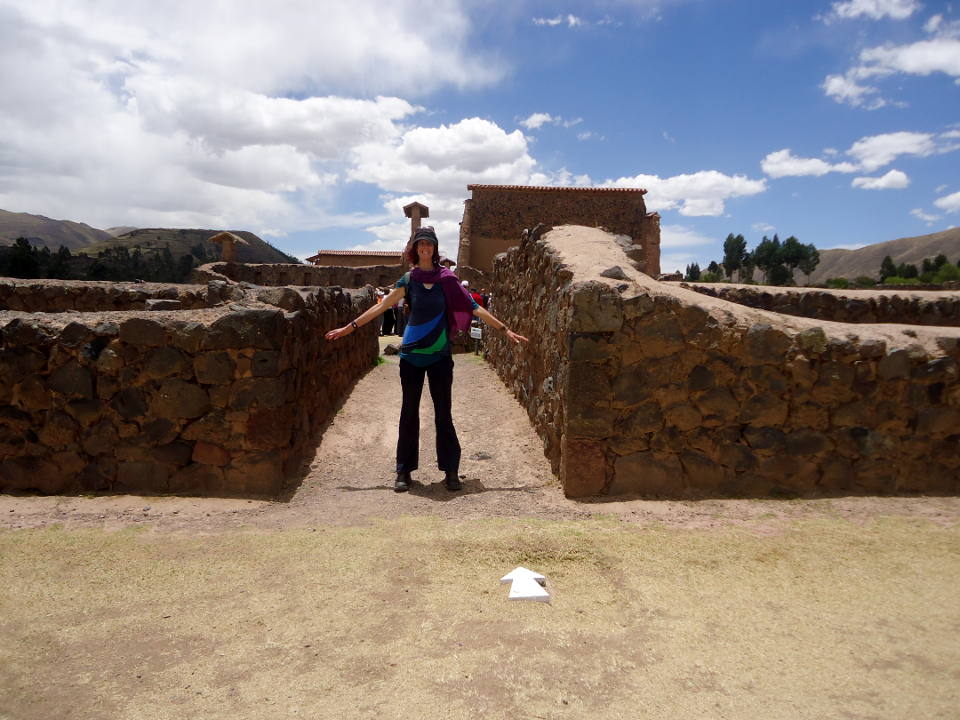
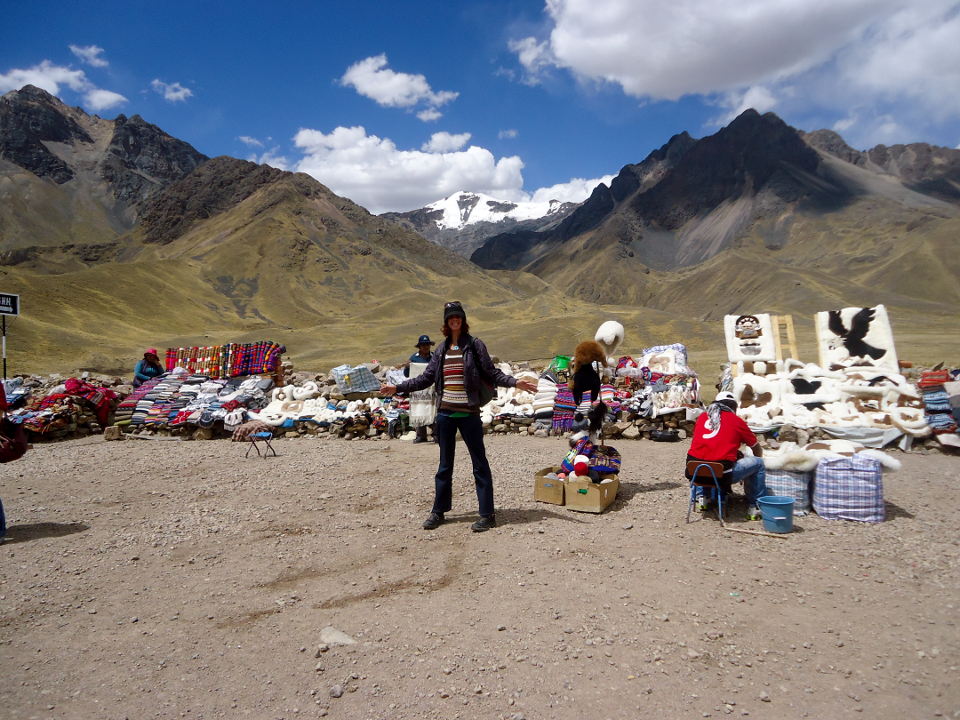
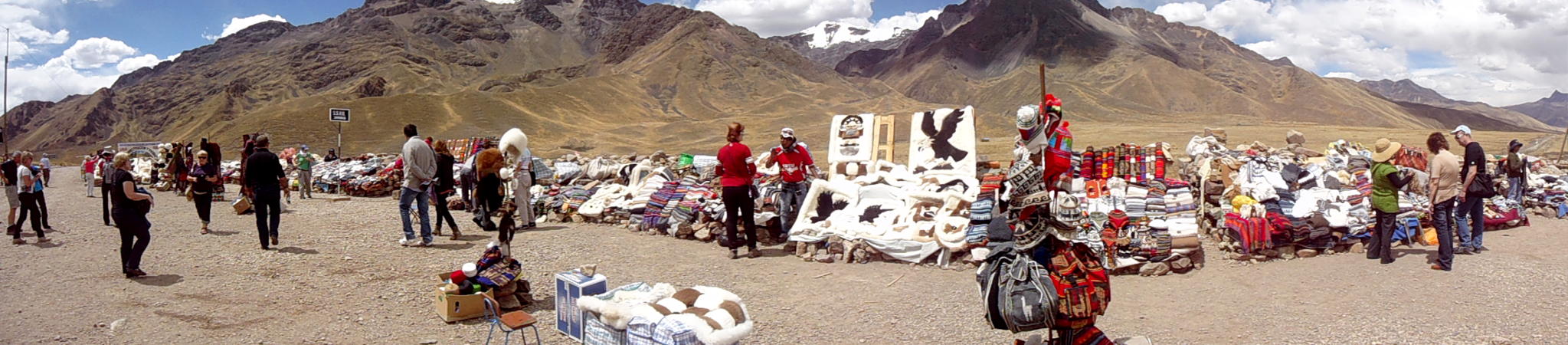
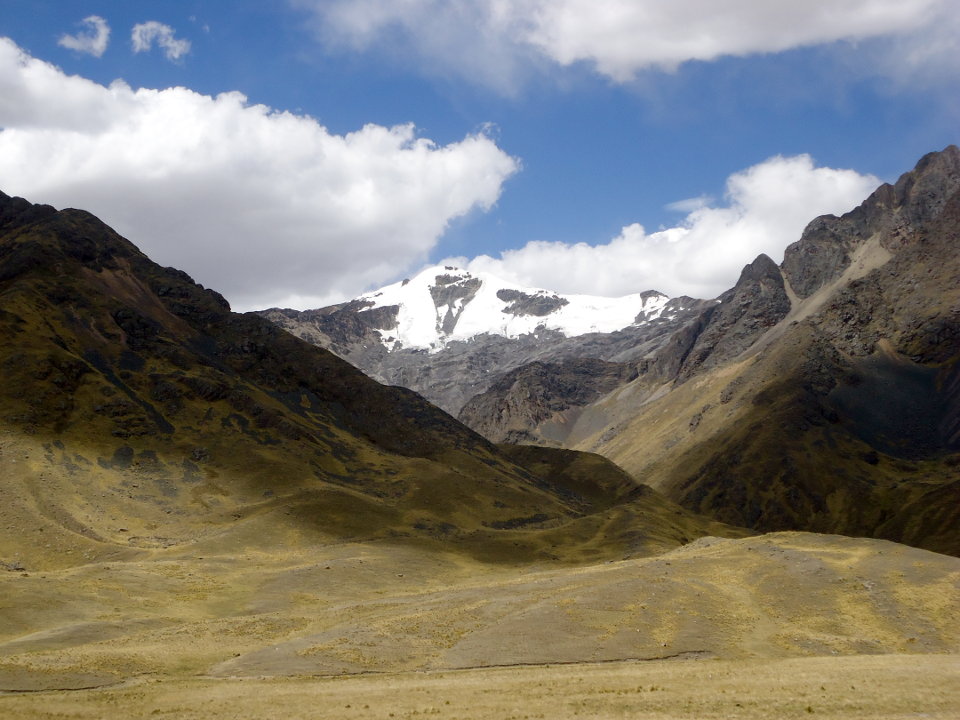
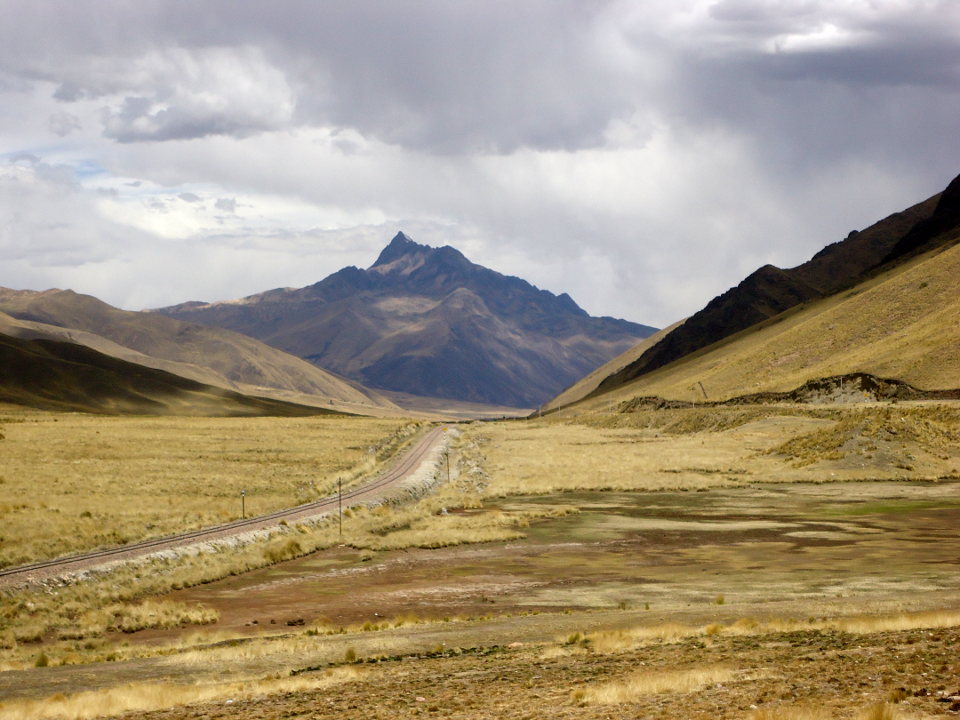
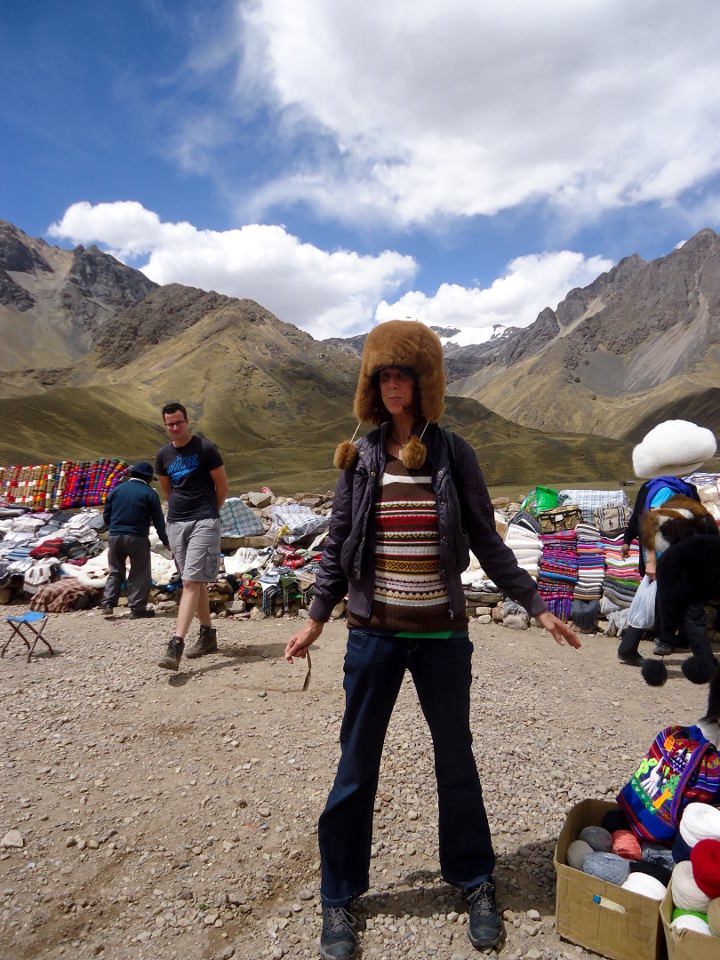
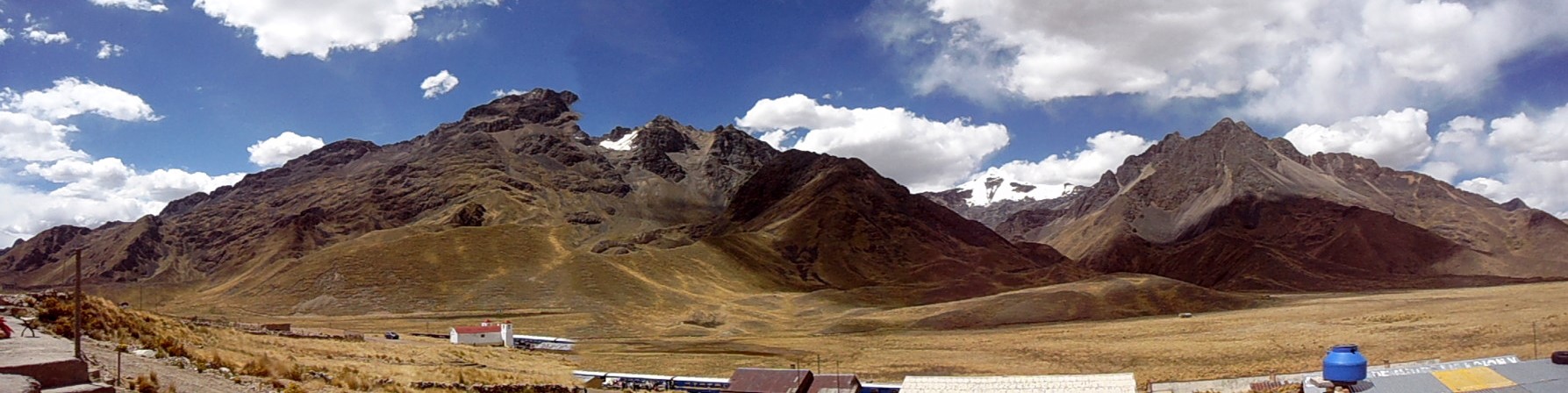
I then took a bus back to Cusco and stayed a few more nights there. October 21, from Cusco. took a day bus tour that left around 6.40 am, getting to Puno around 5 pm. This tour with Wonder Peru bus, stopped at places in the Sacred Valley on the way. We stopped at Raqch’i, an Inca archaeological site. This was the reason I had taken this tour, as I wanted to go there. It is 3480 m above sea level and it is also known as the Temple of Wiracocha. We also stopped at markets.


Puno
In Puno I stayed at the Inkas Rest Hostel. Puno is also high altitude, at roughly 4000 metres above sea level, and on the shores of Lake Titicaca. This sacred lake is the largest high altitude lake in the world.
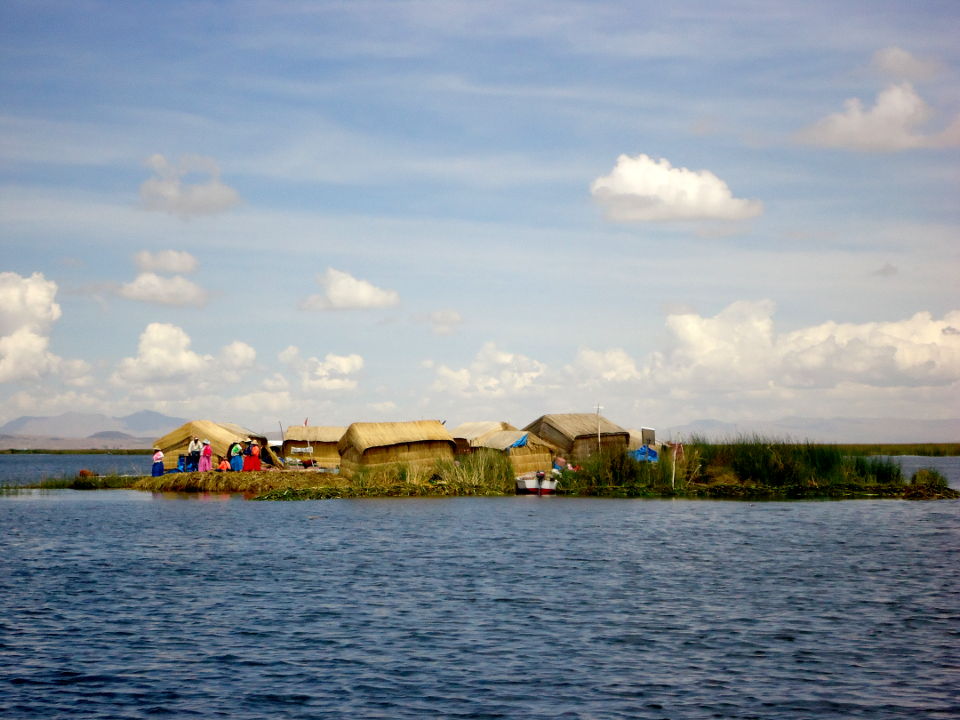
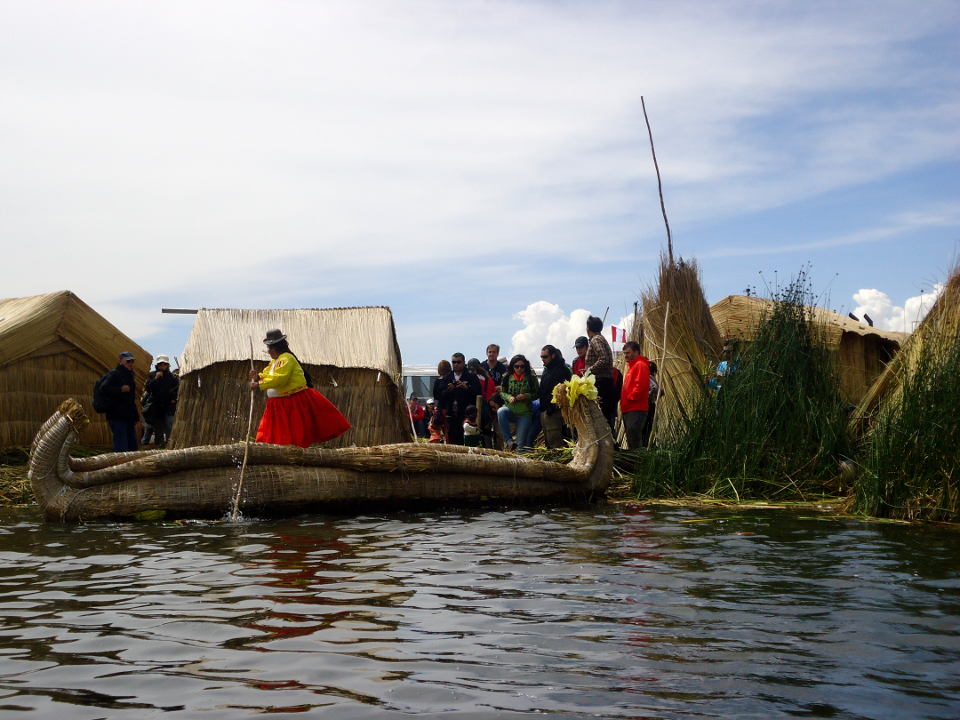
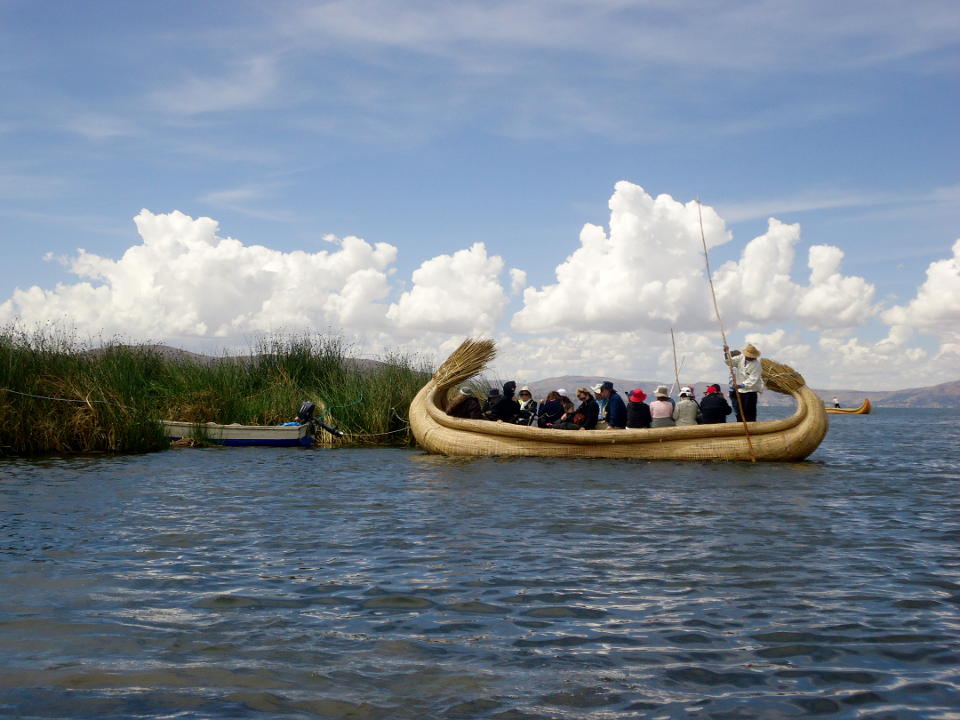
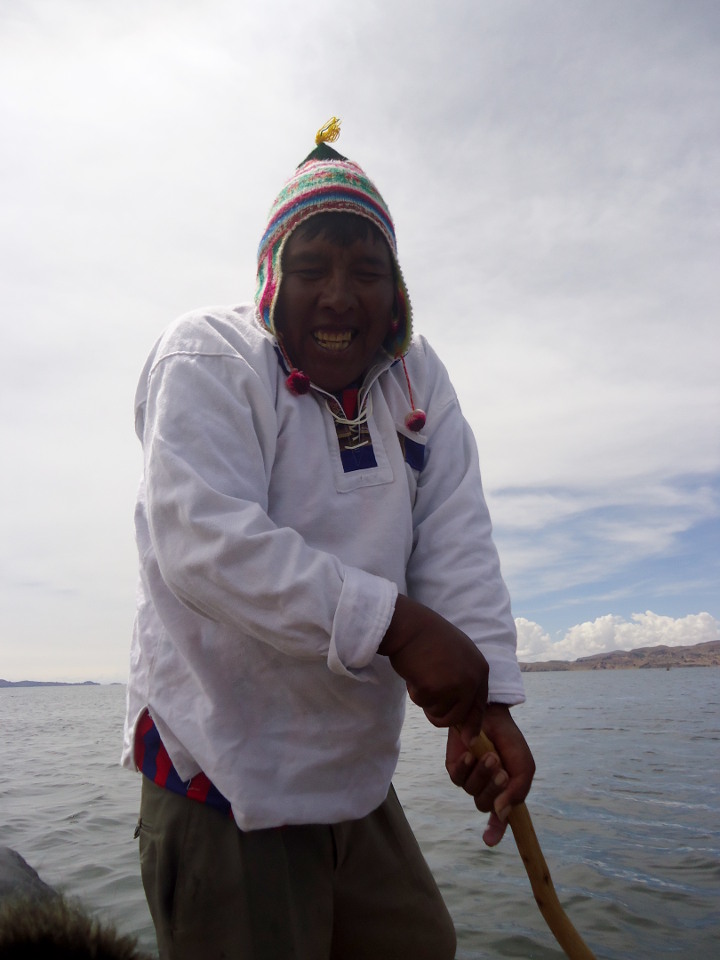
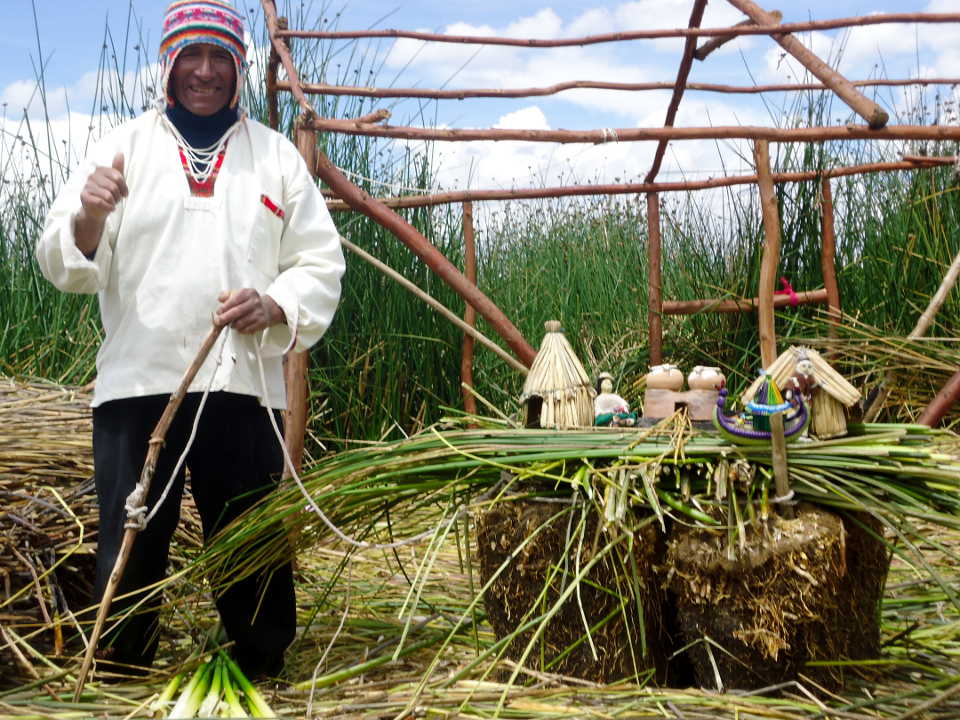
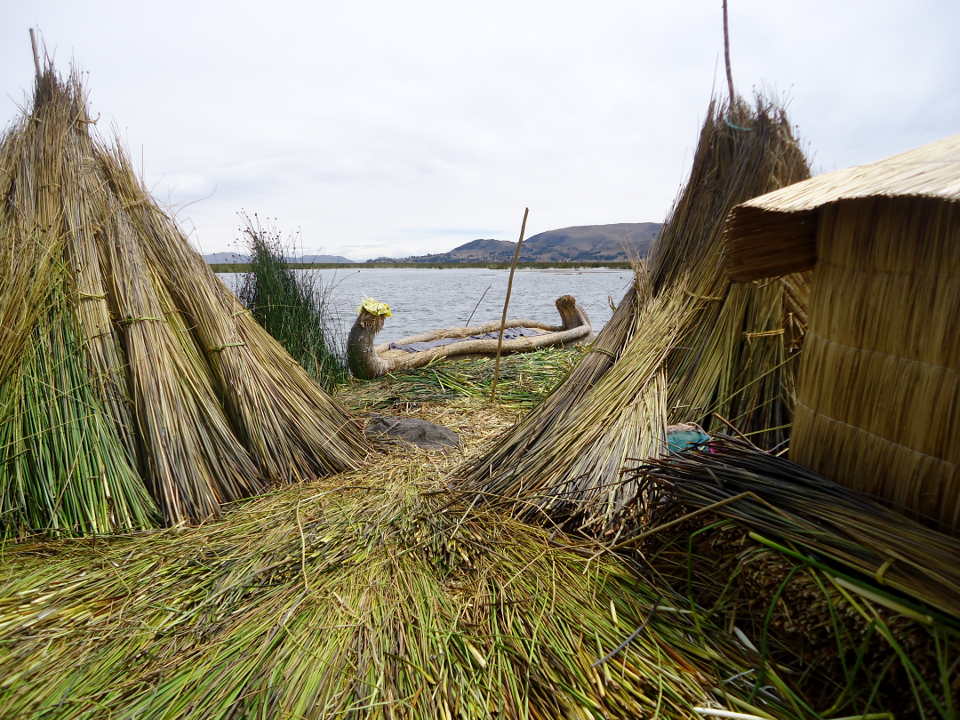
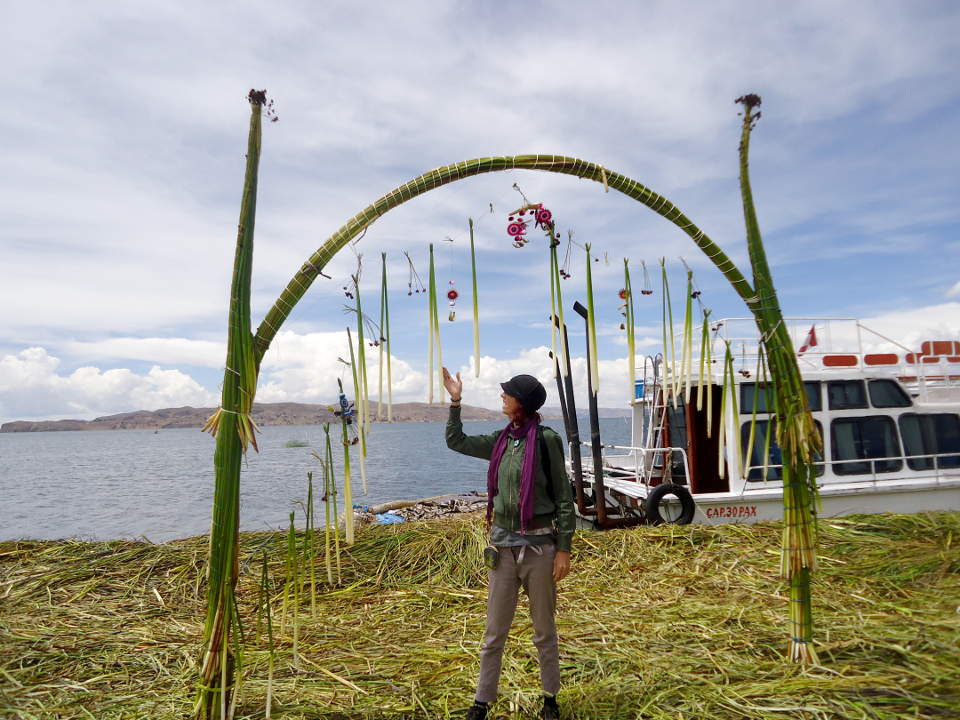
The next day, it was time on the Lake, a boat trip with Leon Tours. We were shown and stepped onto the floating islands of Uros, and how people live on these man made islands.
‘The Uros are several craft-floating islands made of aquatic reeds called Totora. Where Andean inhabitants live since immemorial time. Maintaining their costumes, traditions, and lifestyle, completely isolated from the world, floating eternally in the waters of Lake Titicaca. The islands are around 60 to 70 in total. However, the quantity may change every year. Because each island can merge with another. Oe disappear and its inhabitants moving to another larger island and join other islanders’. (www.machutravelperu.com)
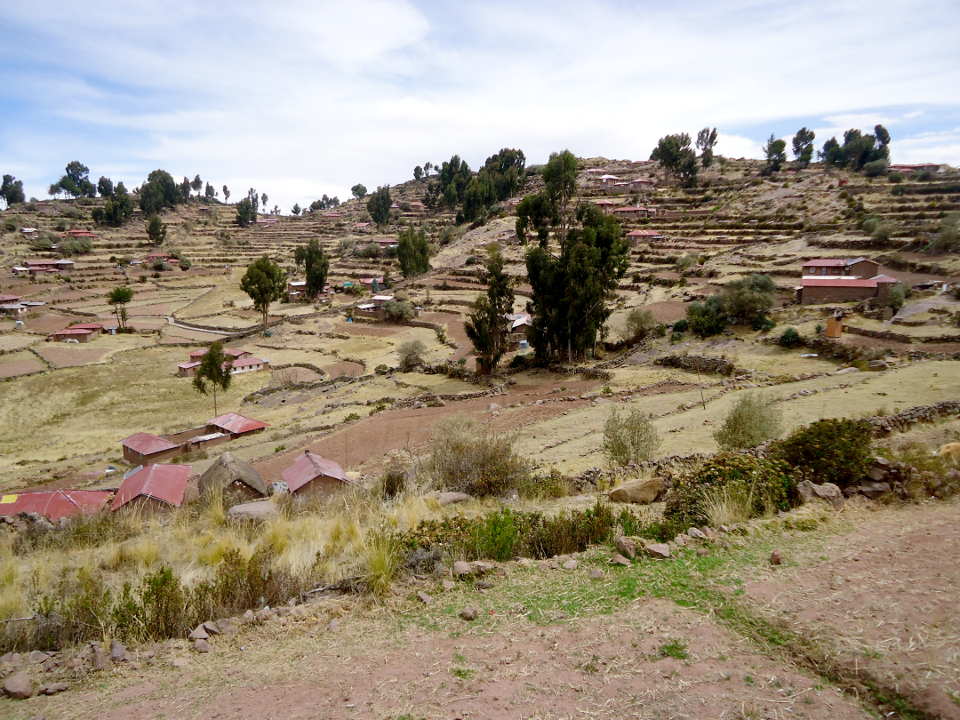
And also to the island of Taquile, where we had lunch, with trout and sopa with quinoa. Taquile, the locals call it Intika in their native tongue. As most of the roughly 2,000 inhabitants of the small islands still speak Quechua, the ancient language of the Inca. Time has stood still on the Island, the men are known for their knitting. I loved this on the island, the men knitting.
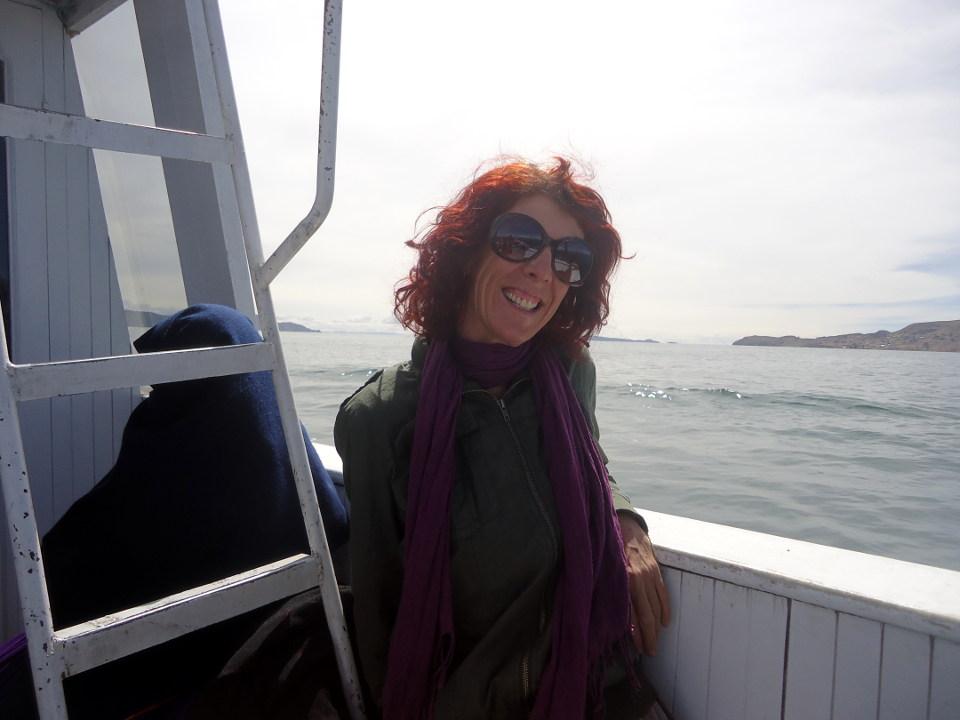
Beautiful sunny day. Met a man called Park, whom was from Japan, he worked as an acupuncturist. On the way back, I lay on top of the boat. And felt the waves of Lake Titicaca roll and wash under me.


Amaru Muru
That night at the hostel, Inka Rest, there was a though not uncommon power cut through the whole town. And so it was romantic candlelight. The next day I decided to stay another night in Puno. So that I could go to the gateway of Amaru Muru, before entering the Bolivia side of Lake Titicaca.
I went to a tour agency, as I was trying to figure out how to book flights to Mexico. I met the owner, a local called Eduardo. I asked him about Amaru Muru. And said he could help me get there, he seemed to have an understanding of the significance of the place. Eduardo was to guide me there, I booked it in. And he normally books a taxi for the tour. But I though it would be good to go on local public transport!? It was a bumpy bus ride, giving coca leaves to the locals on the way.
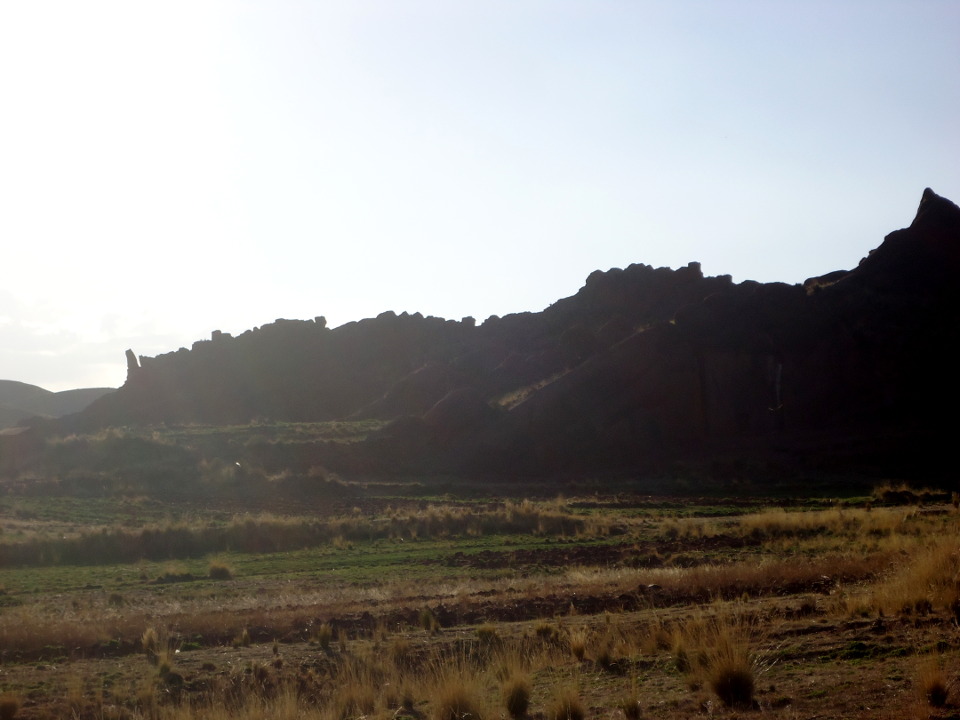
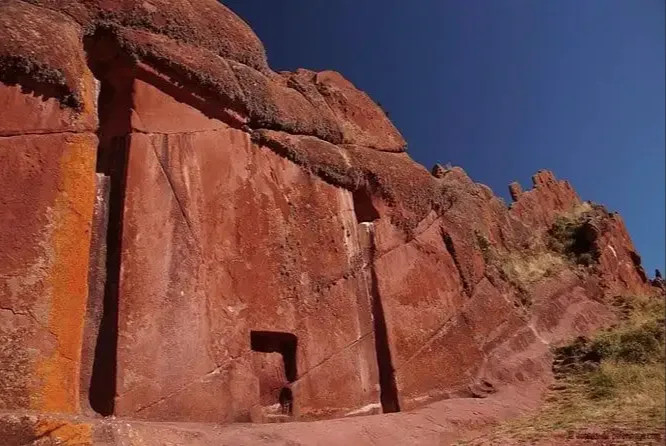
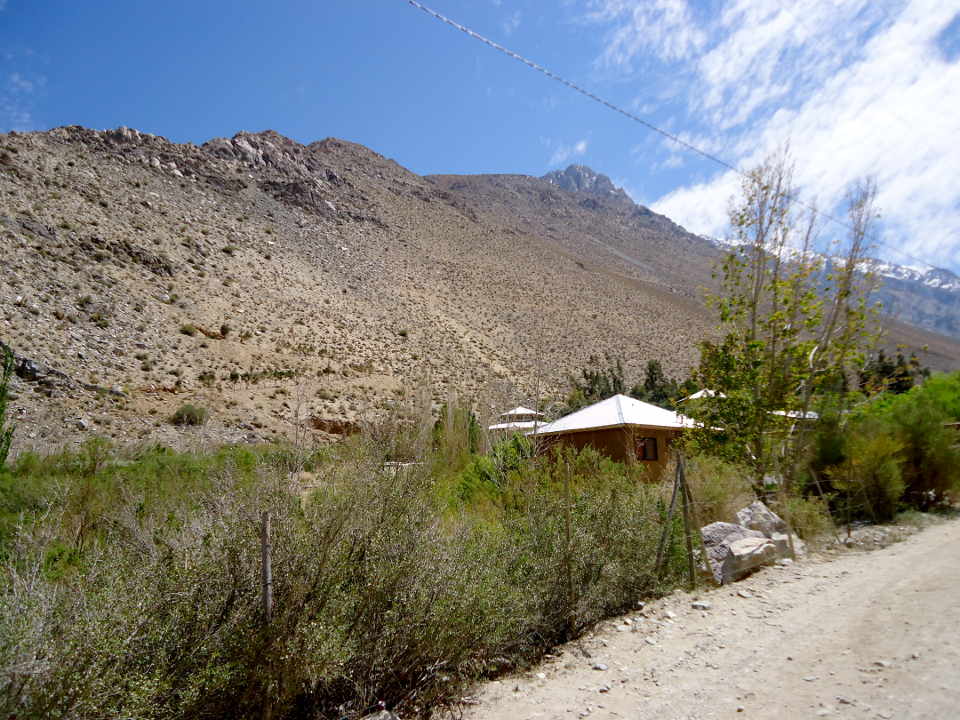
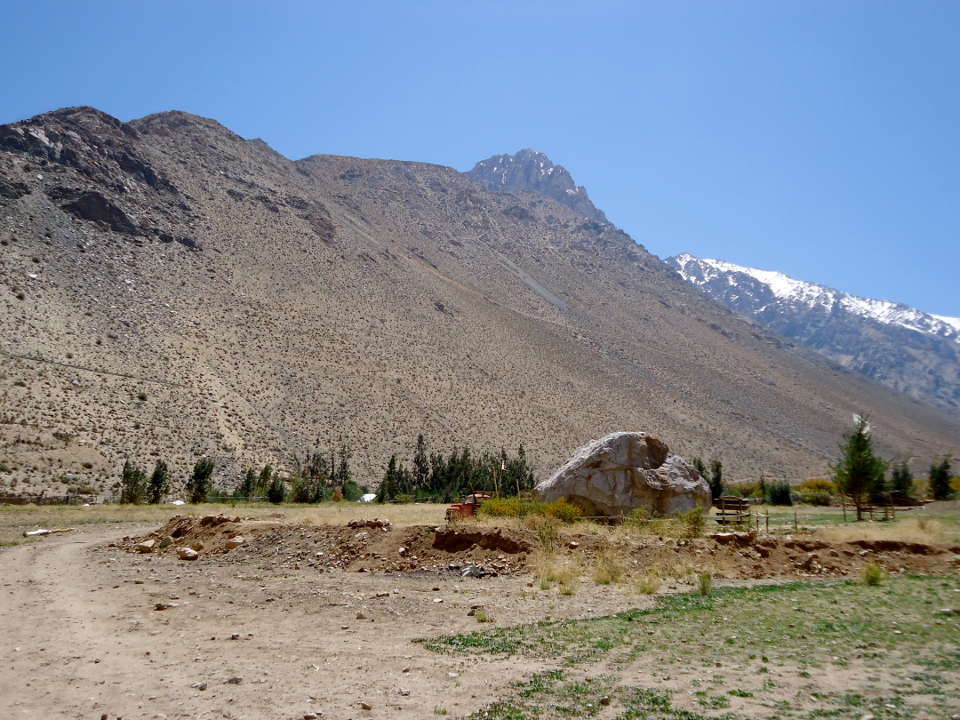
Amaru Muru It is a large rock face that stands over seven meters tall, with a doorway cut into it. It is made of a pinkish-hued stone material that is unusual and is not found anywhere else in the region. Large funnels flank the doorway on each side, and the door is large enough to fit a person. A small circular recess is visible about mid height, and what seems to be indented to place your hands. This ancient structure, it seems its origins and purpose are shrouded in mystery. The name Amaru Muru means ‘serpent’s mouth,’ it is also known as Hayu Marca or ‘Gate of the Gods,’
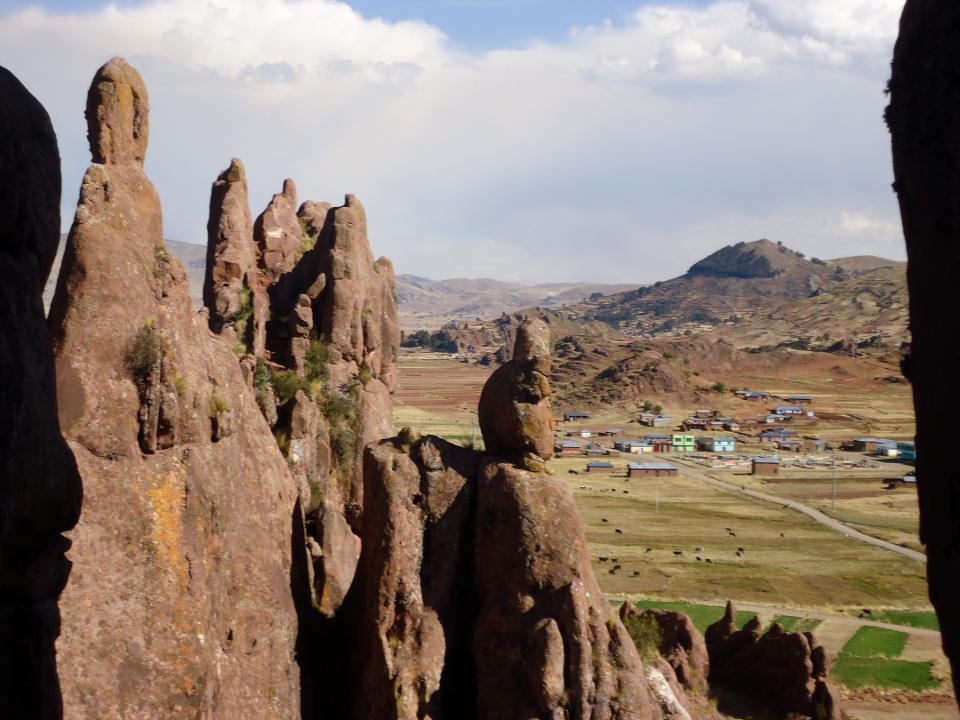
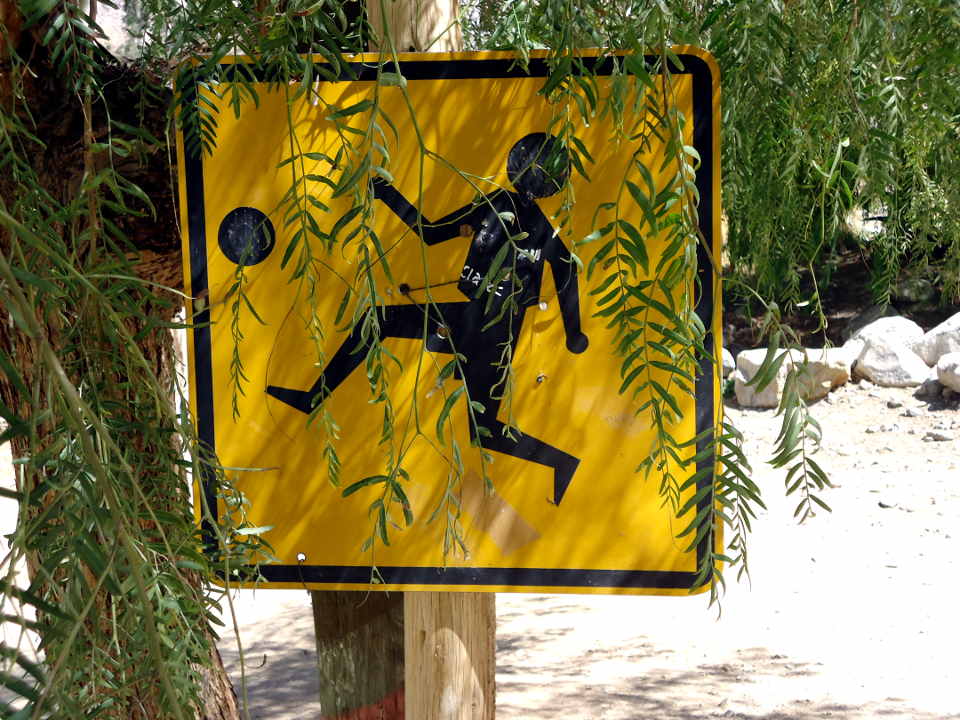
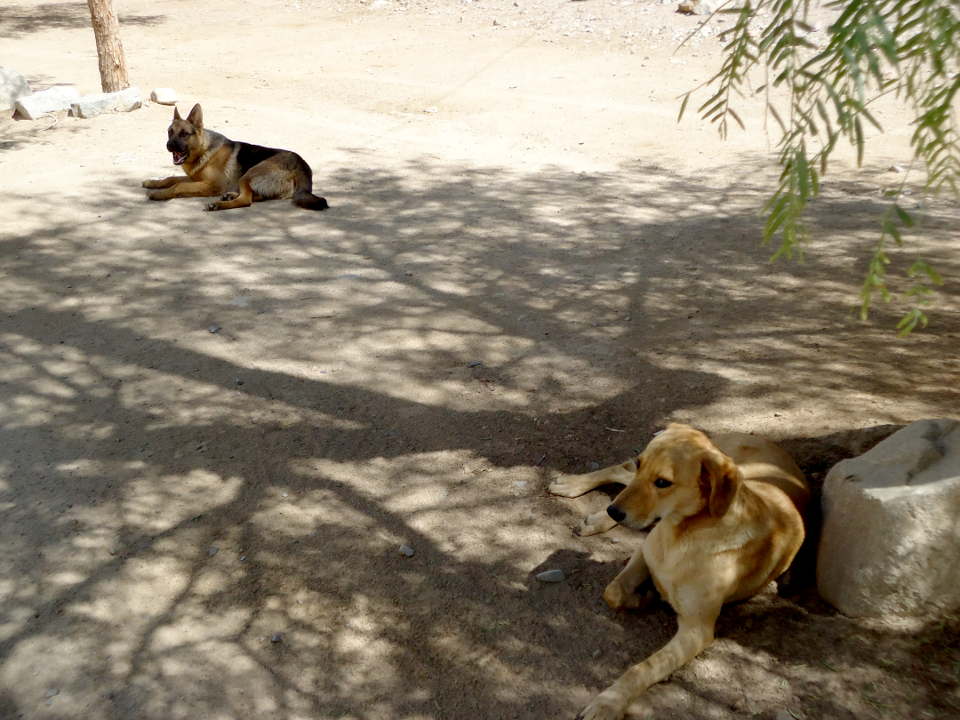
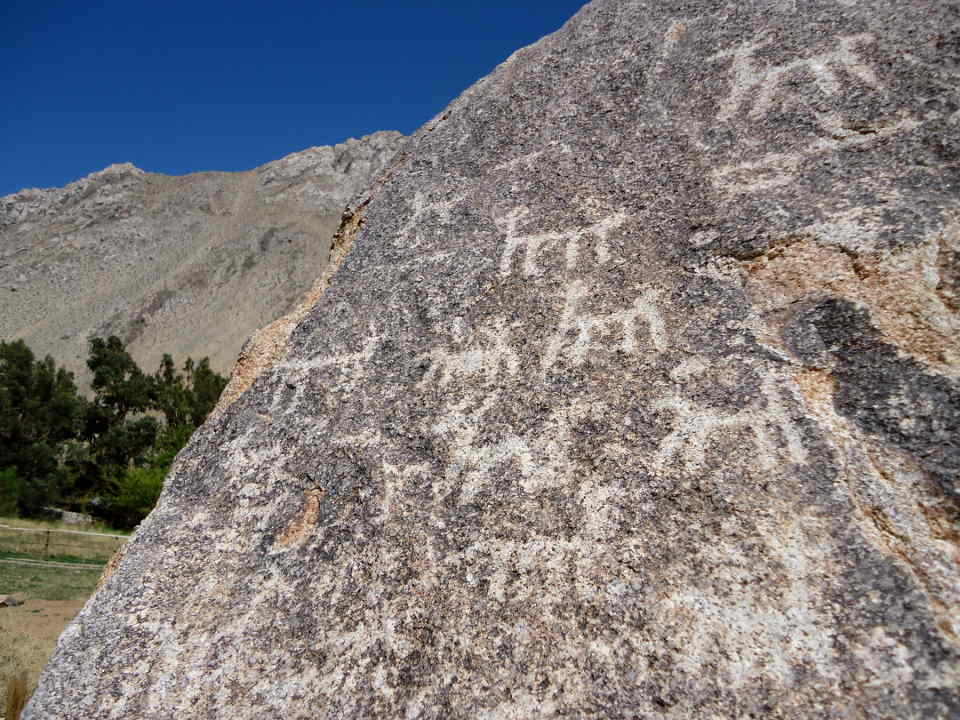
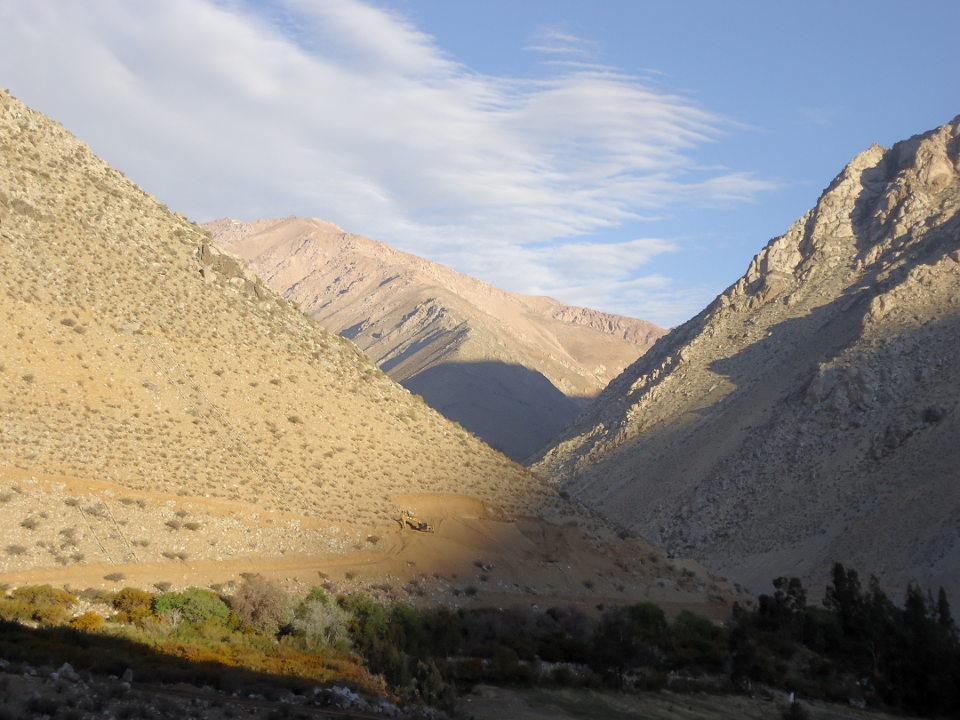
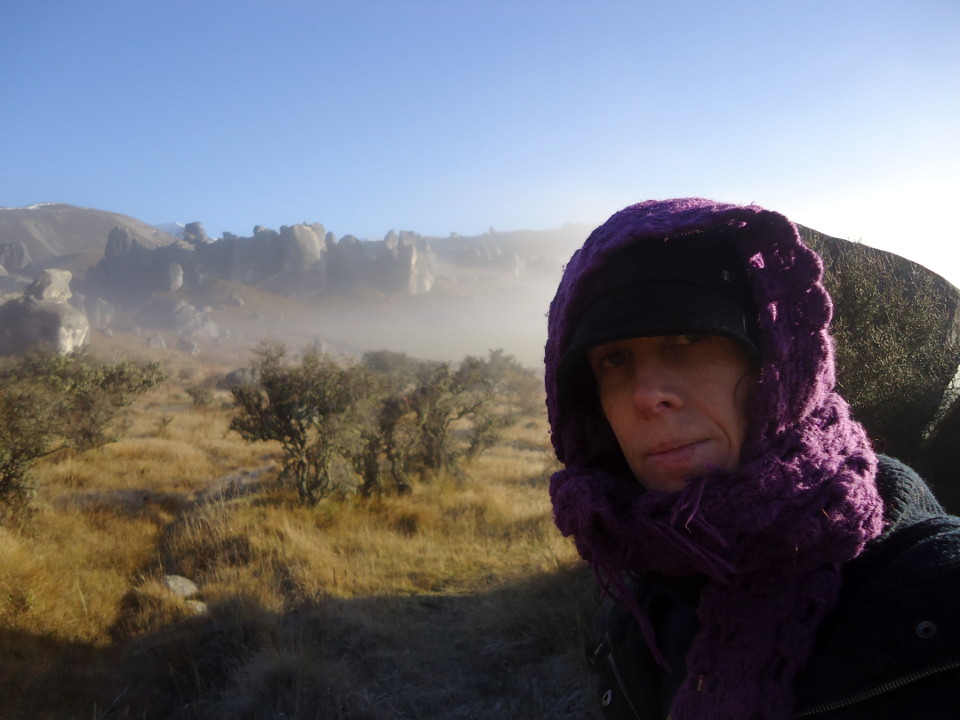
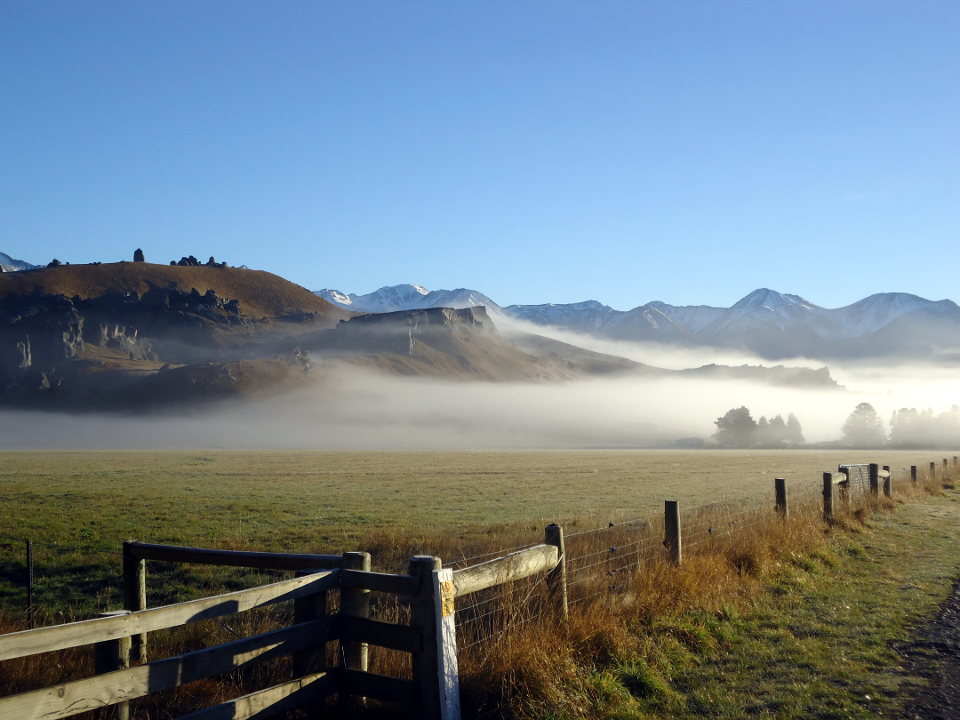
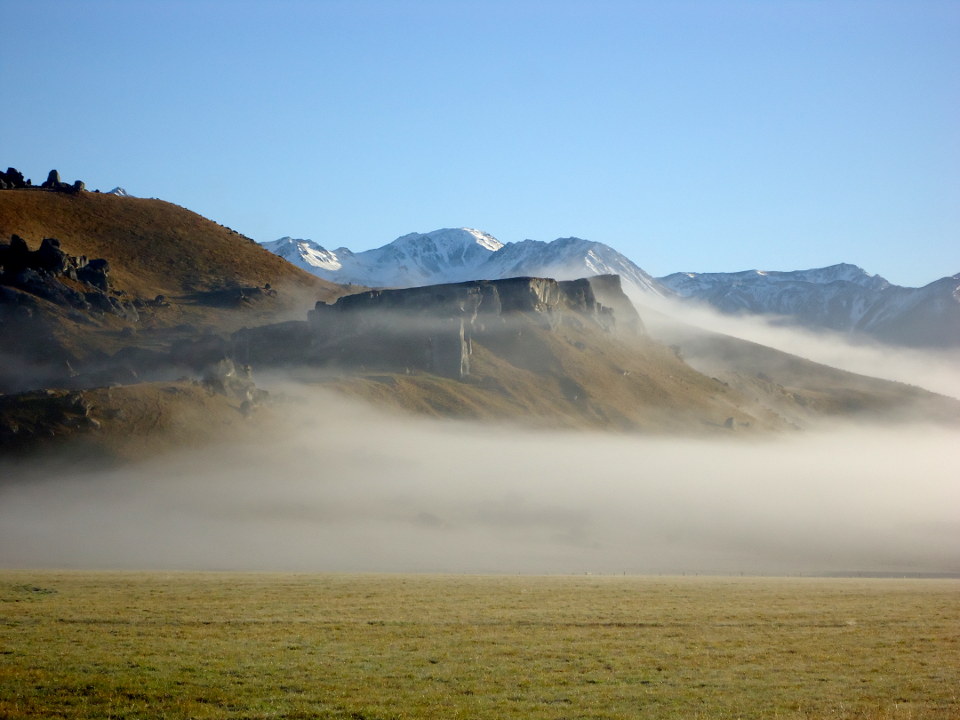
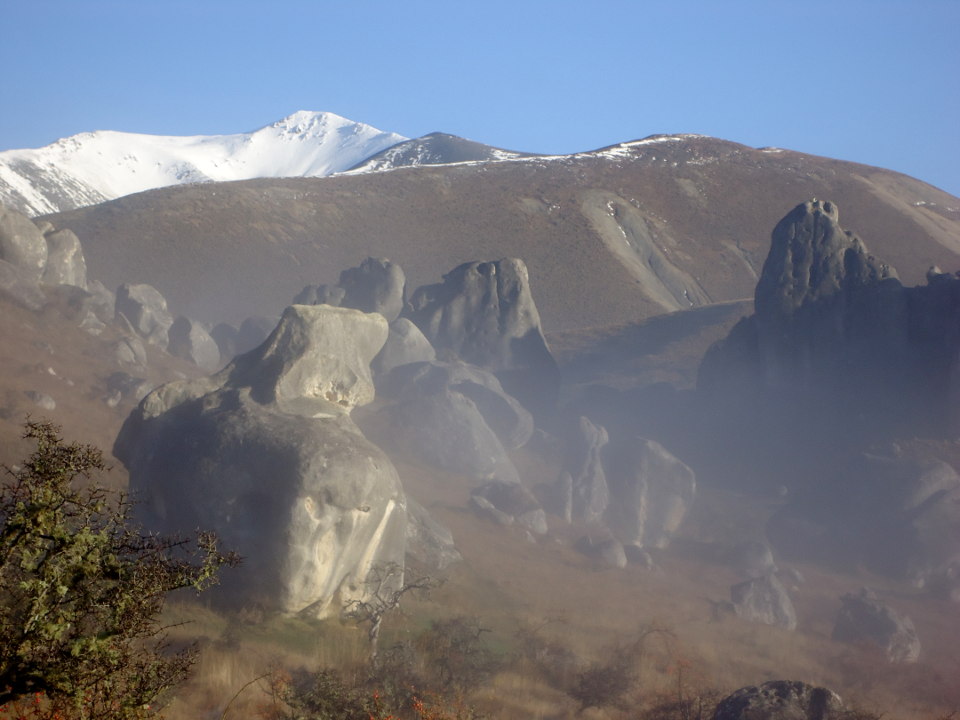
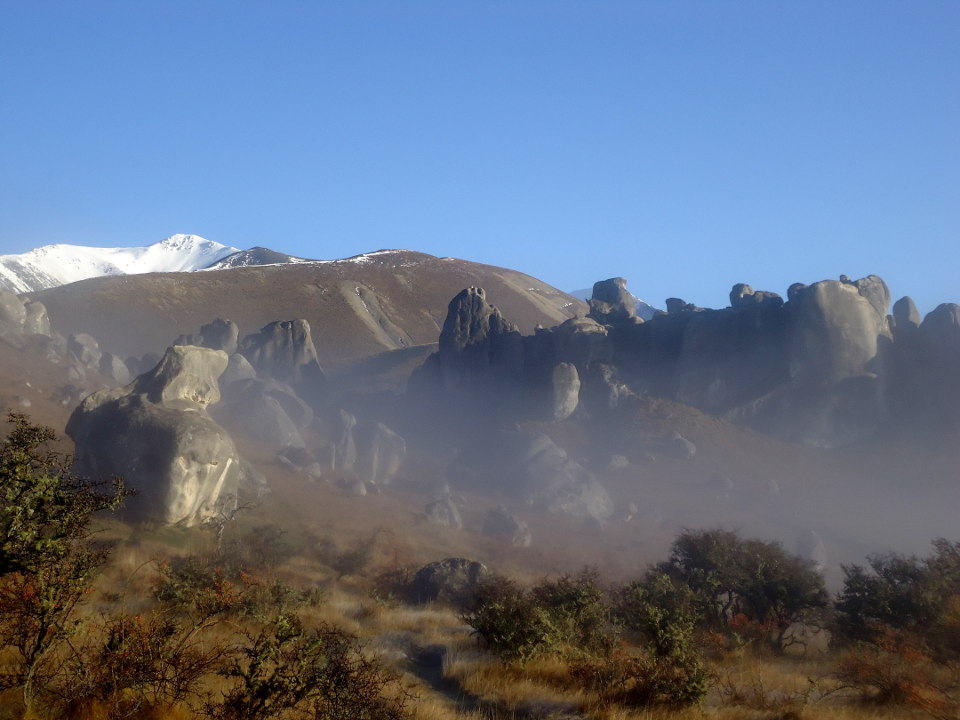
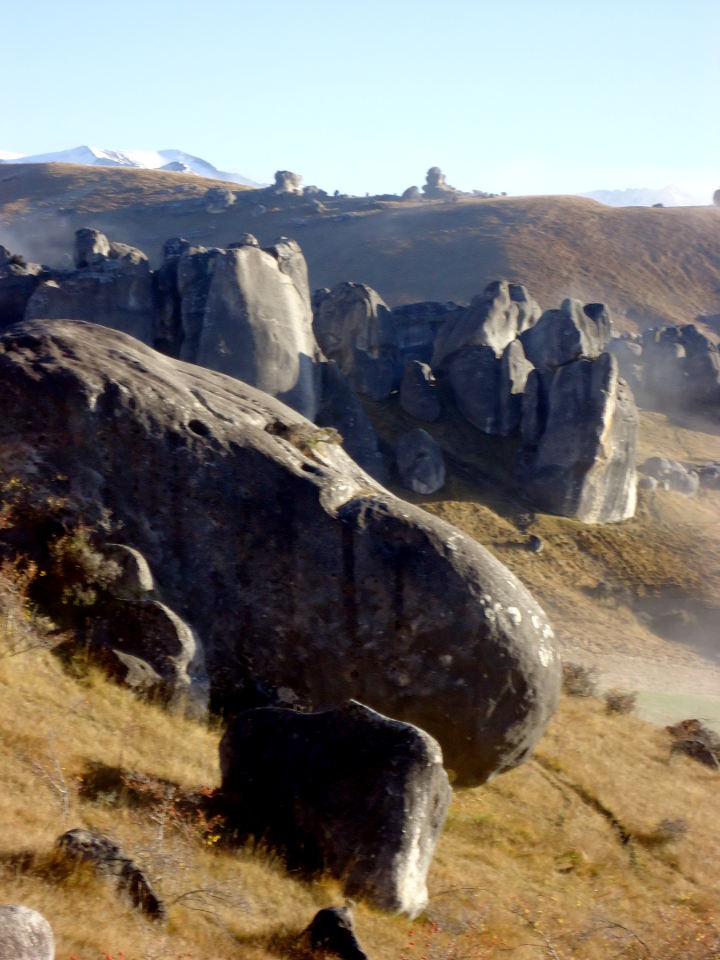
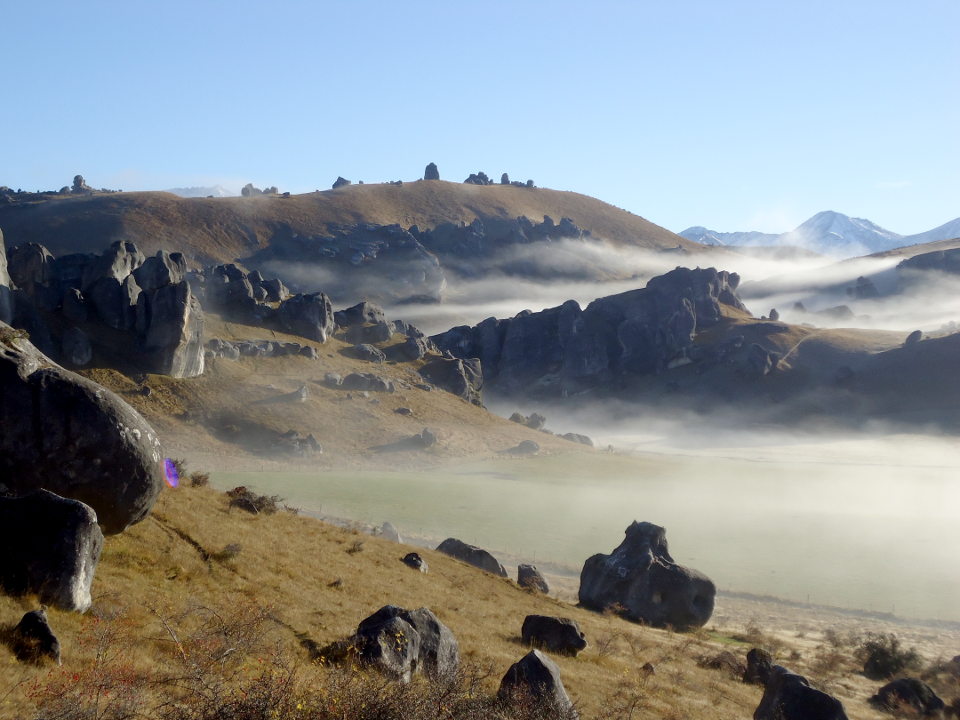
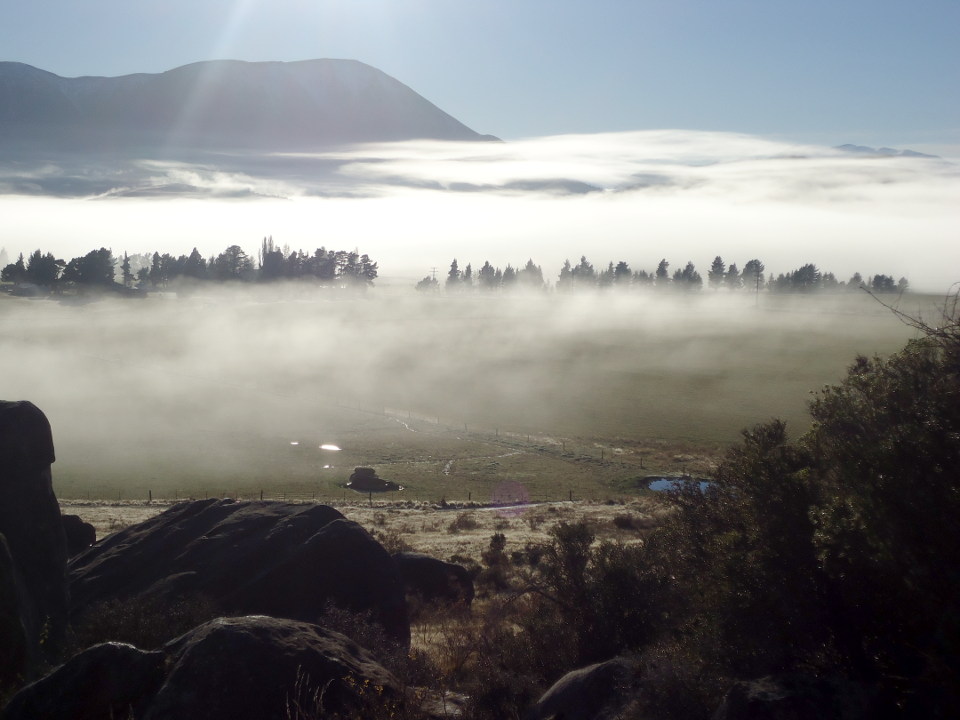
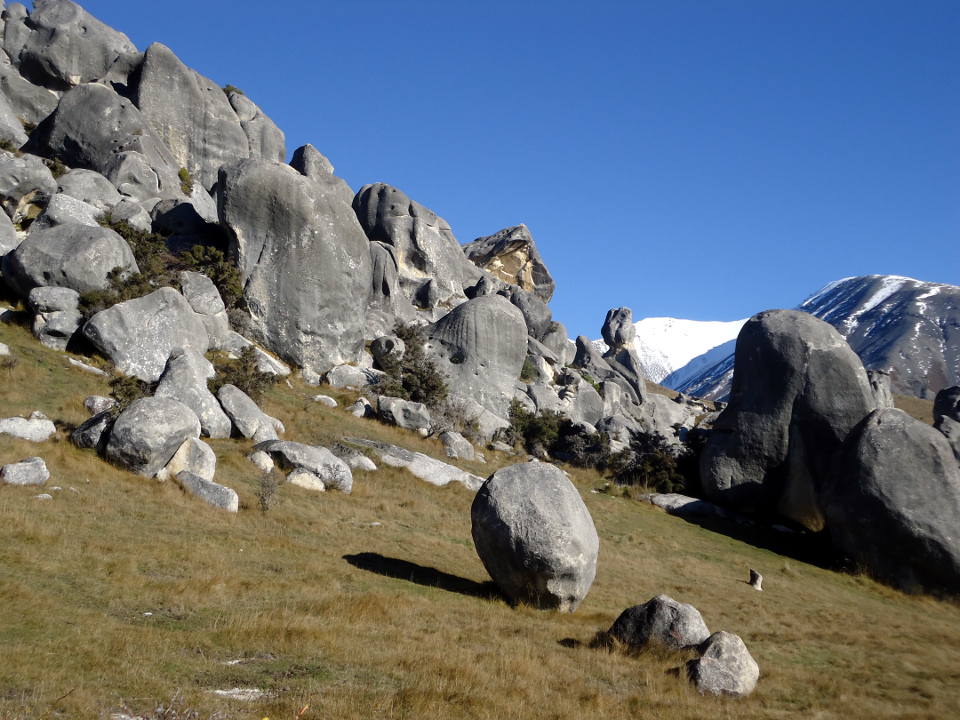
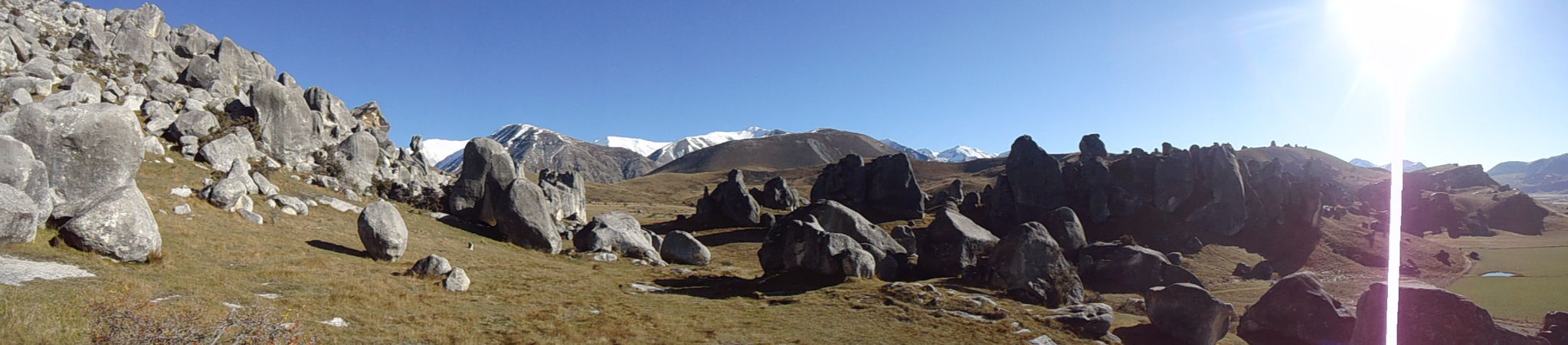
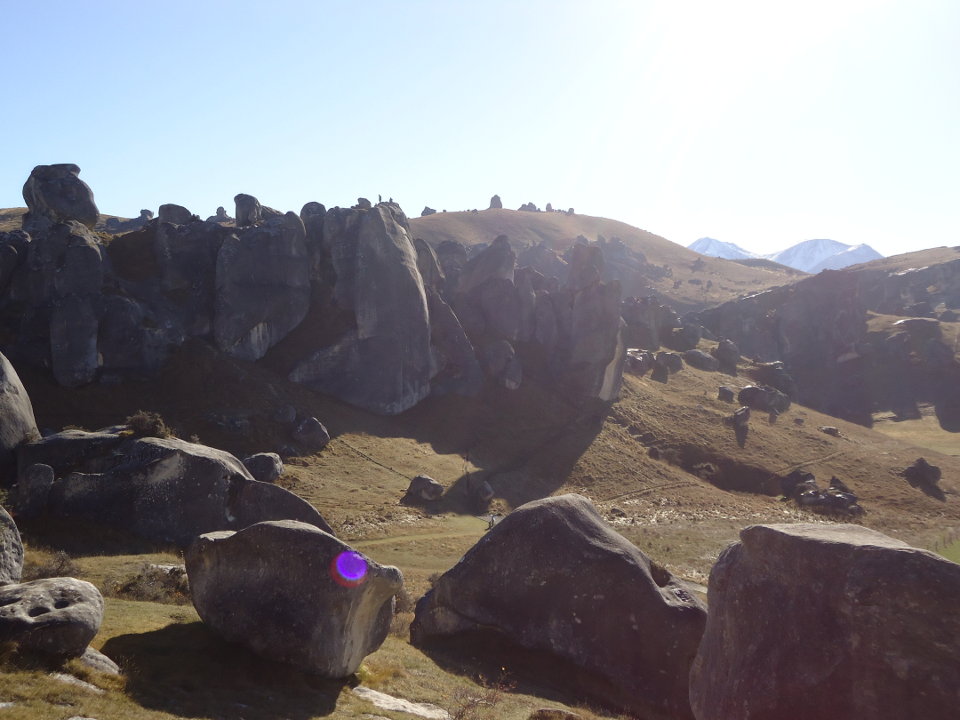
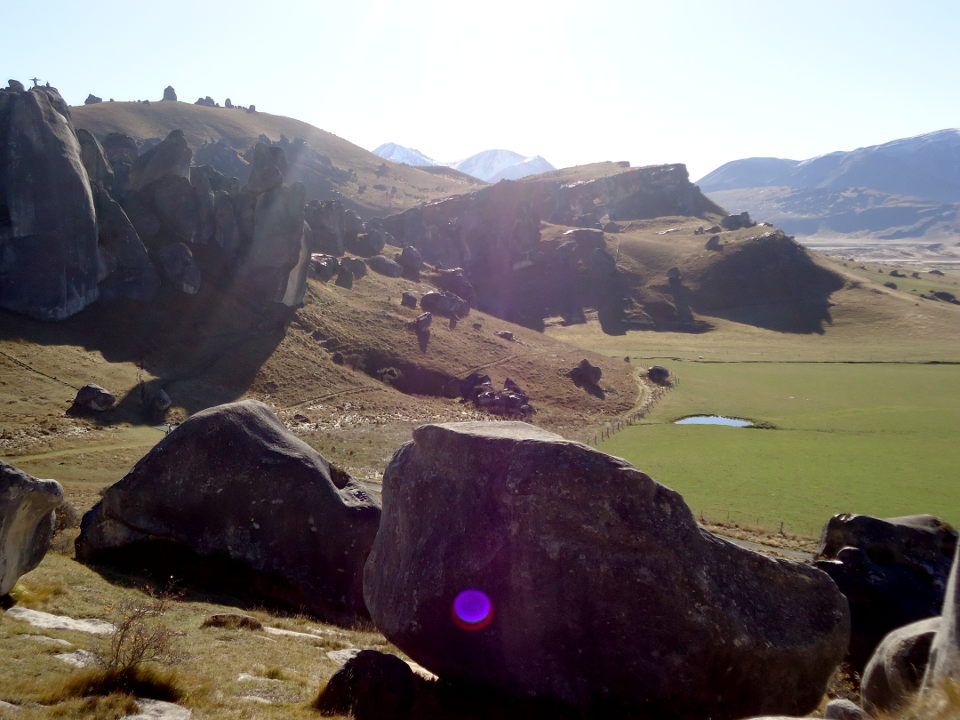
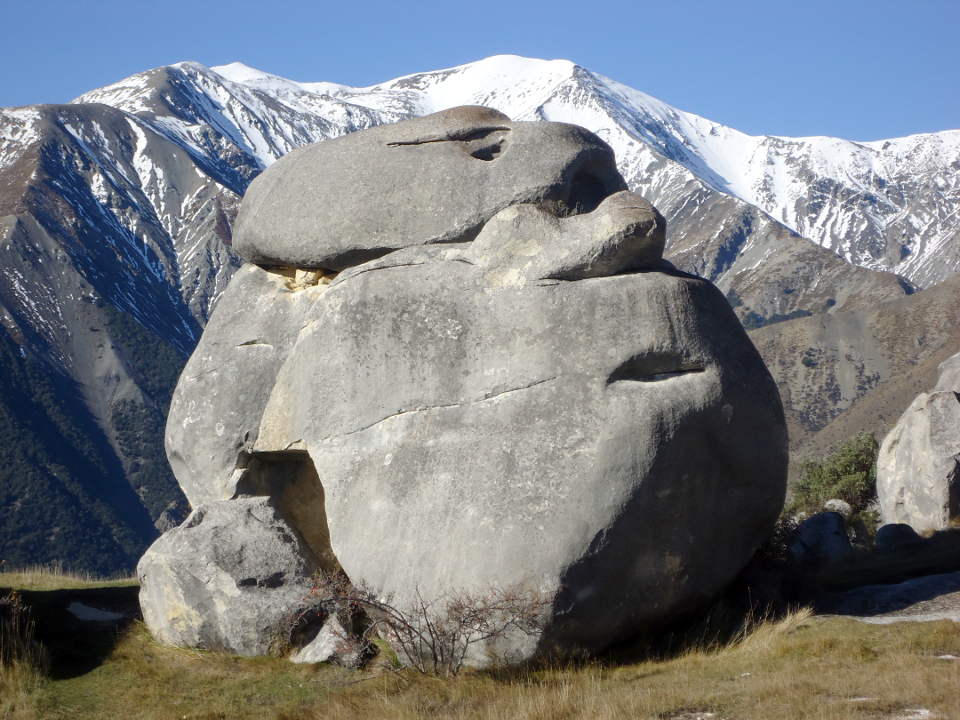
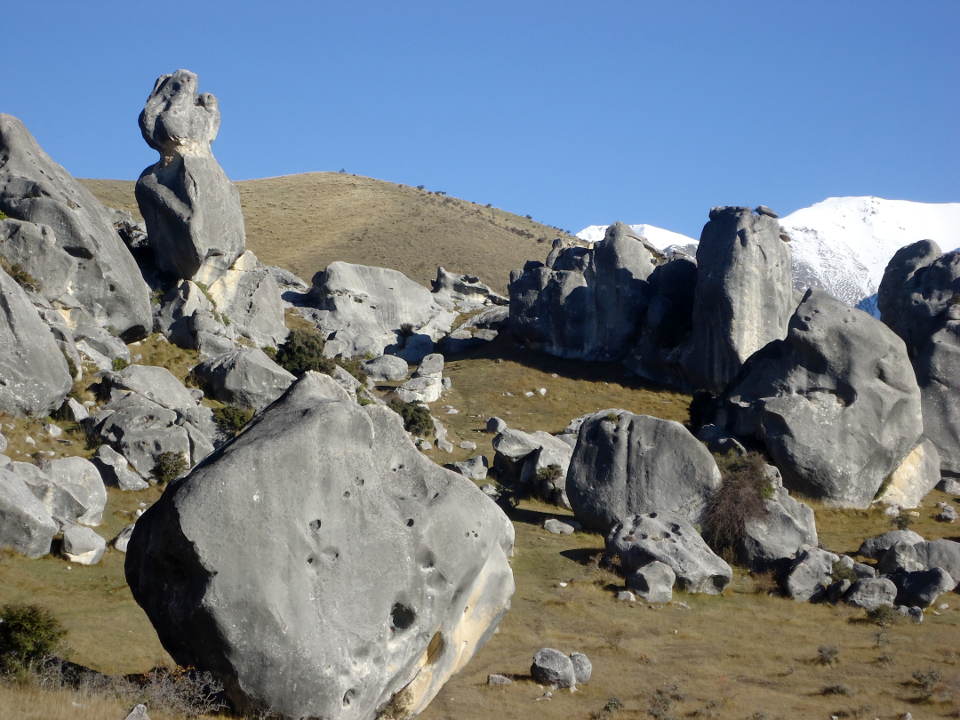
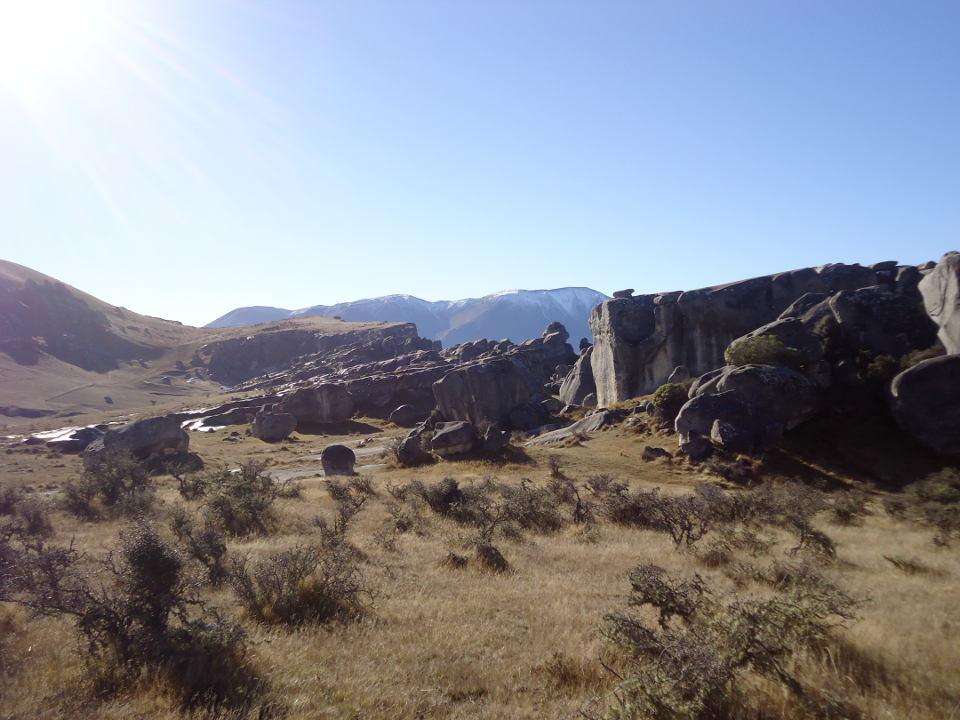
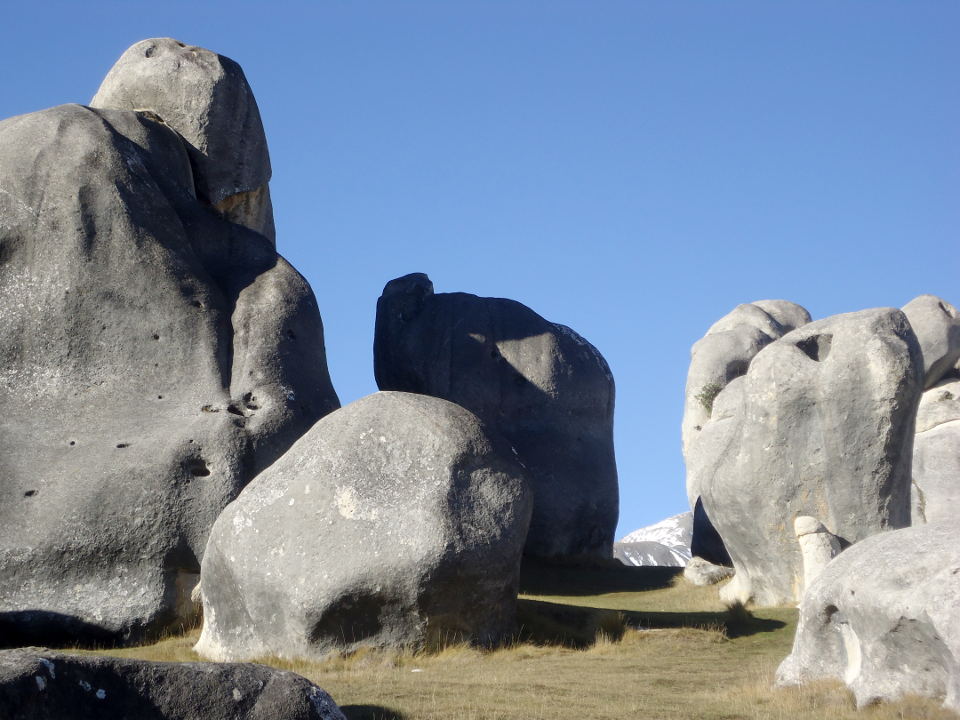
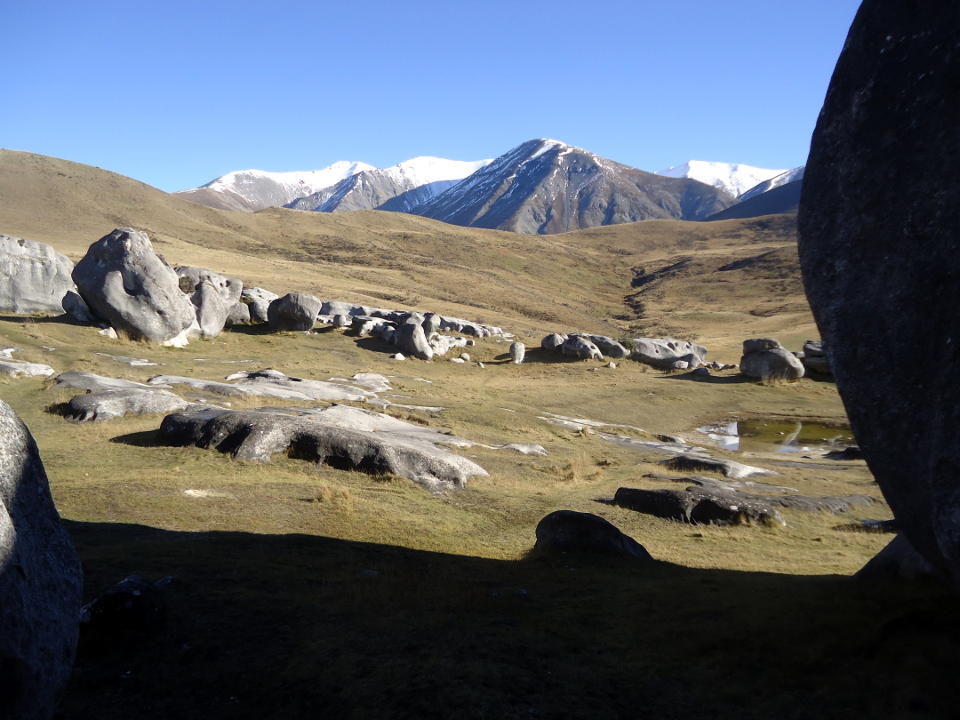
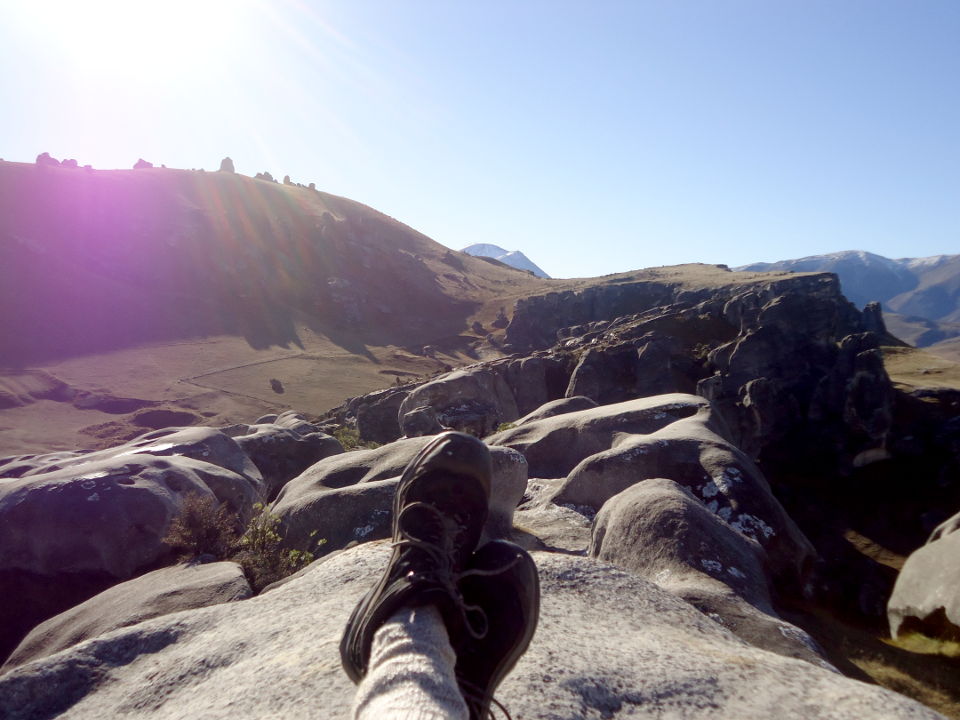
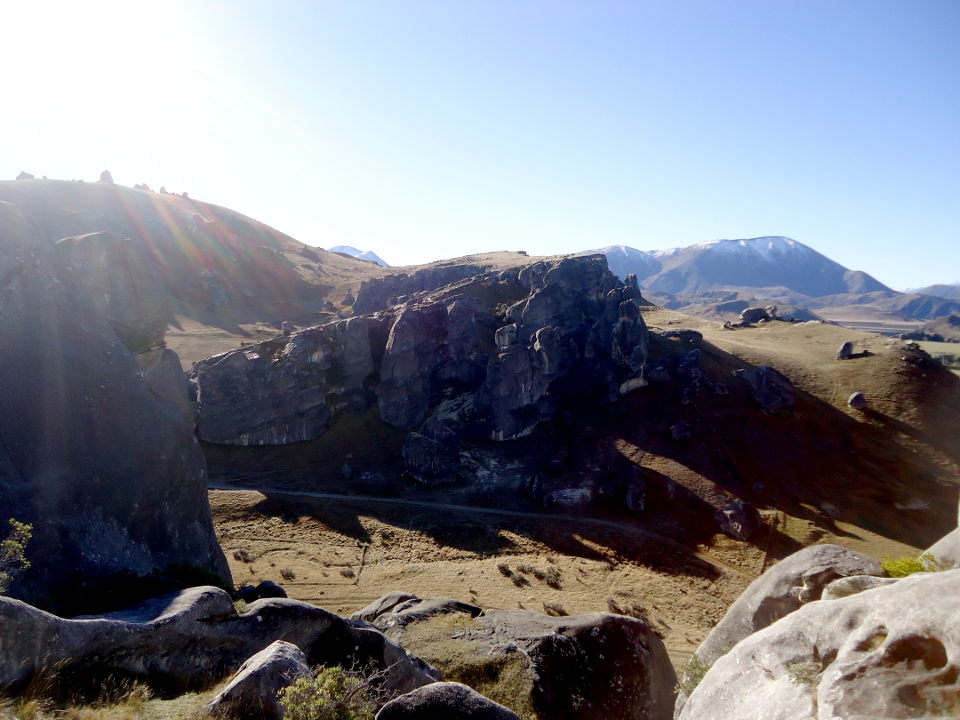
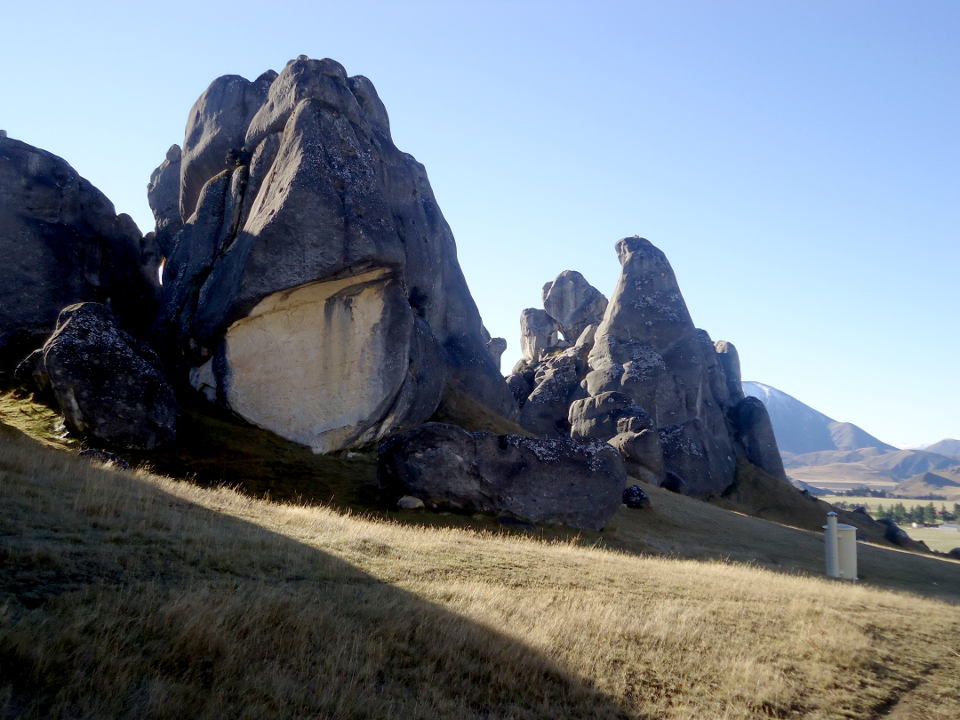
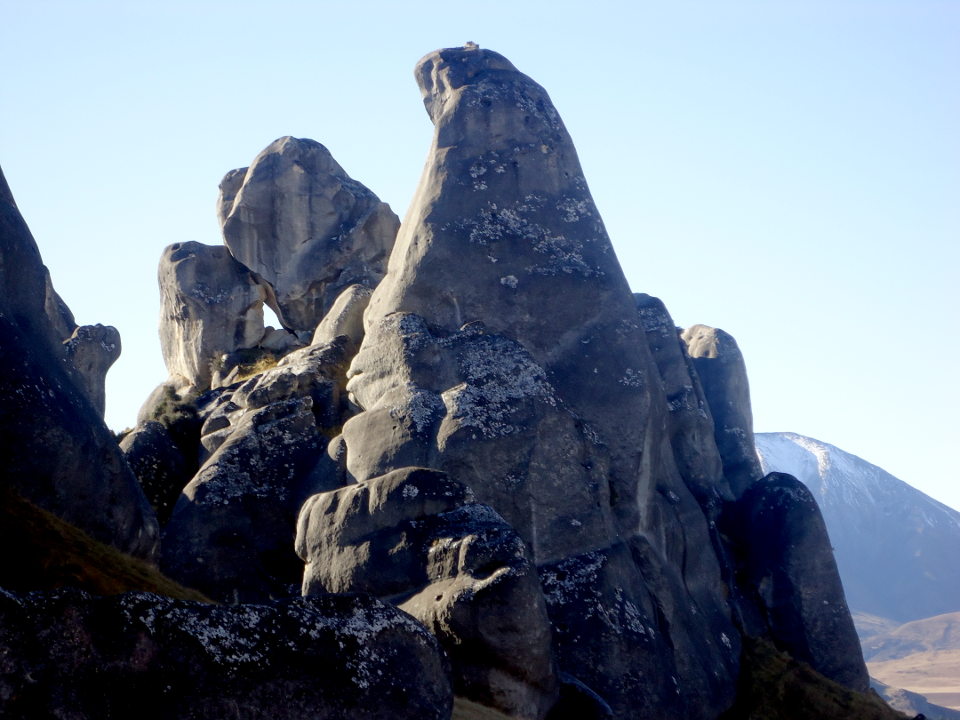
I didn’t take a photo of the actual portal that is Amaru Muru. As it didn’t feel right to do so at the time. We did ceremony there and sensing into the energetic impact of this place. I felt it to be a Lemurian energy, which I had also felt going to Castle Hill in New Zealand. And near Castle Lake at Mount Shasta. These three places on this fair earth I have felt Lemurian energy strongly. I guess it is some sort of remembrance? I walked further up too by myself. This region is called the Valley of the the Spirits. Around what looked like stone arches, and interesting rock formations, bringing through the LL whilst there.
From Lonely Planet writings: ‘Coming from Puno, beyond the bridge over the Rio Ilave. The road cuts 60 km across the plain towards Juli… The Gateway of Amaru Muru, a doorway like alcove carved into the rock. And said by indigenous mystics to serve as a dimensional link to the ancestors. A belief shared by new agers, who view it as the Andean “star gate”. A kind of link to non-Earthly beings and other worlds. It is very hard to find, without a local guide or tour leader.’




8.30 am bus from Puno to Copacabana, crossing over the border to the Bolivian side of Lake Titicaca.










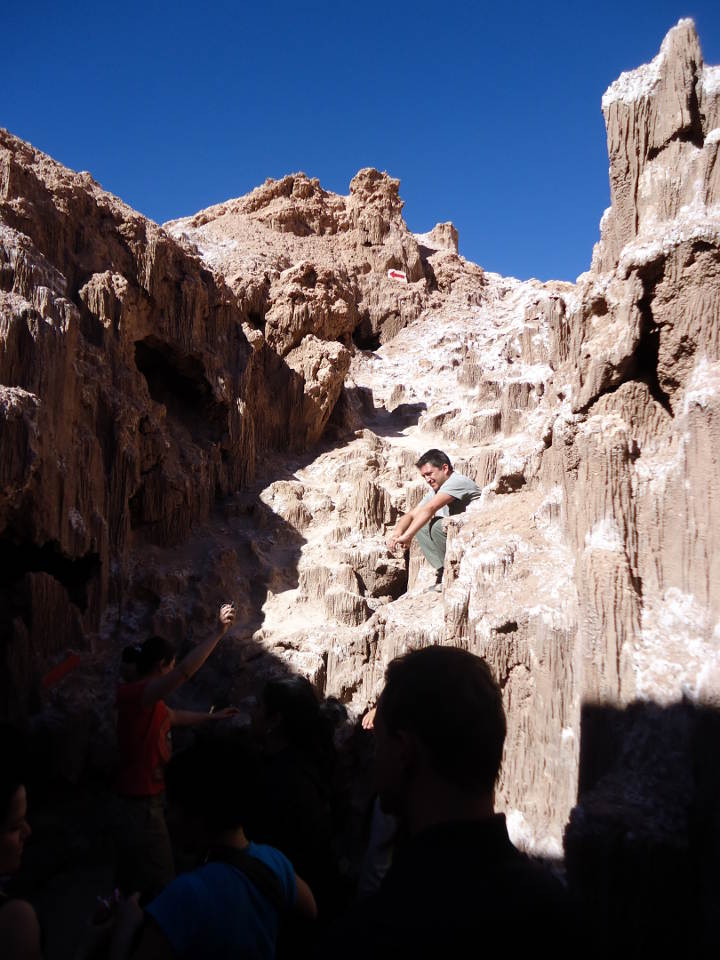

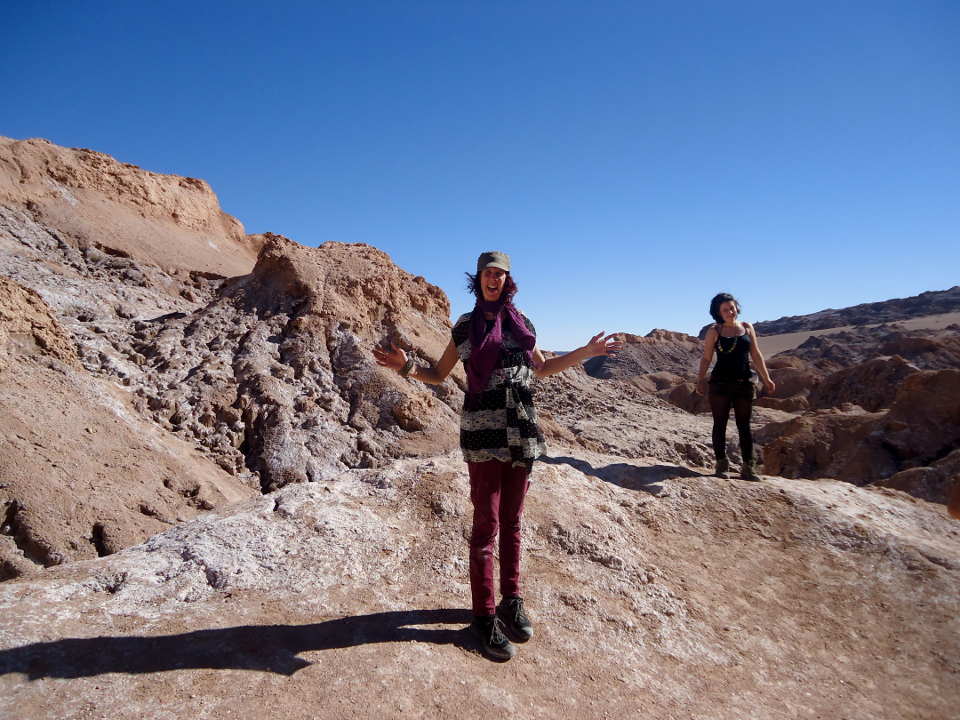
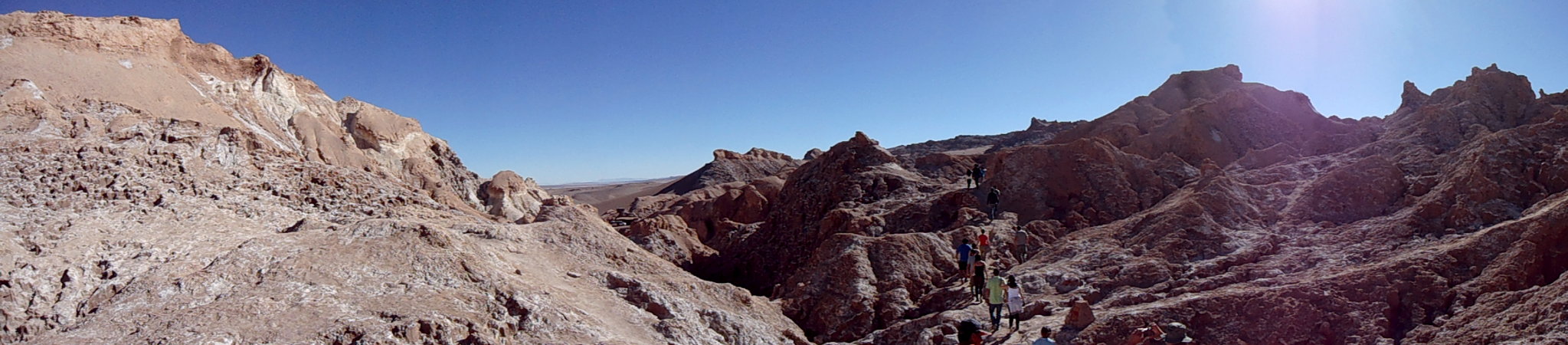
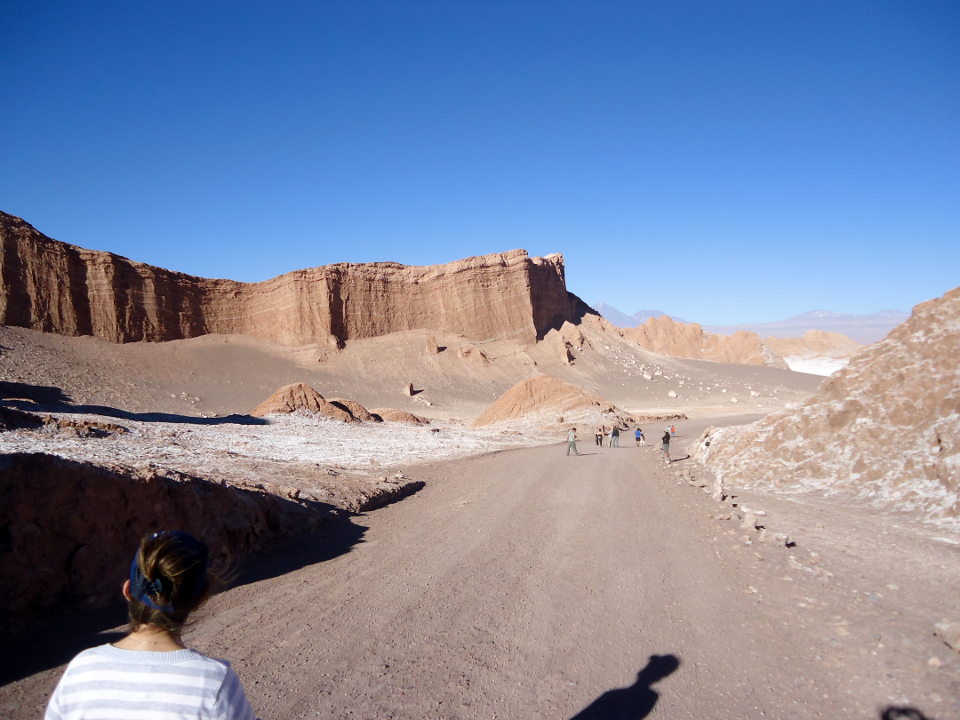

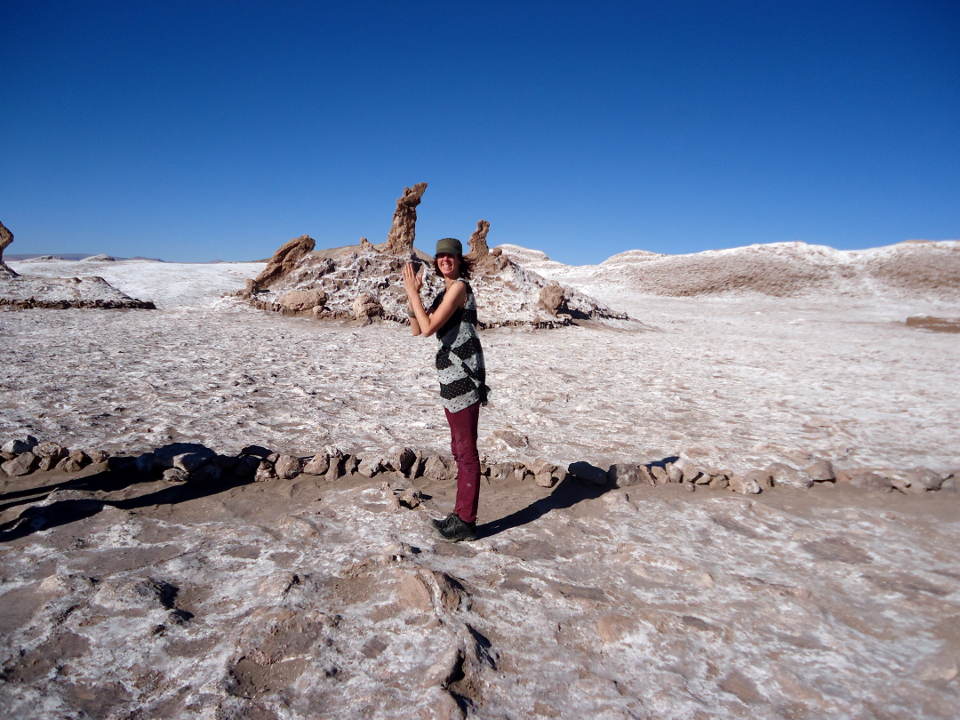
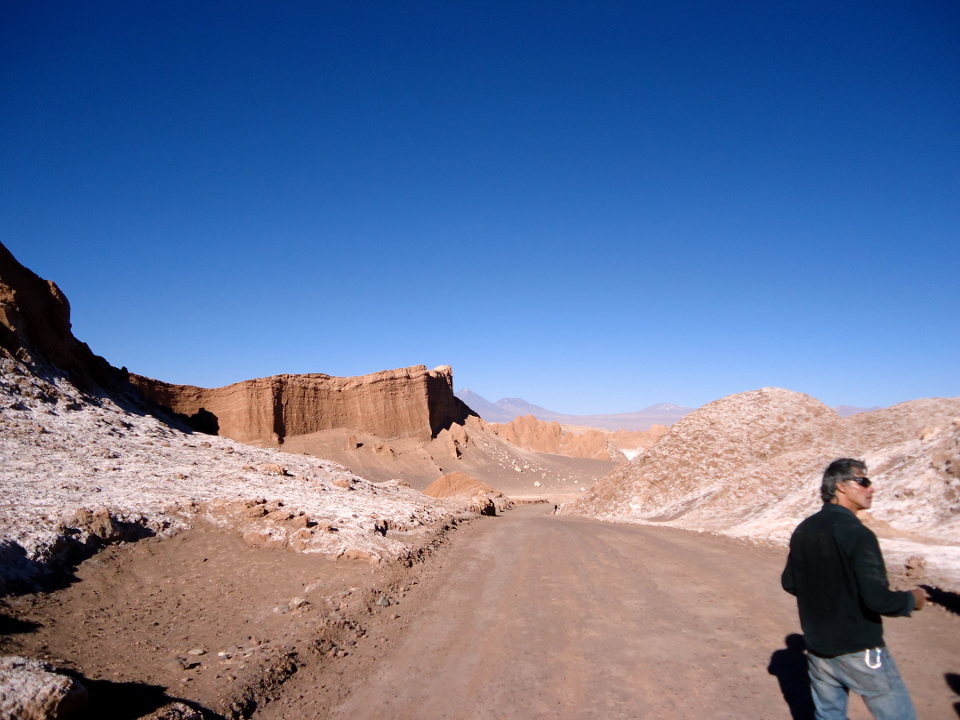
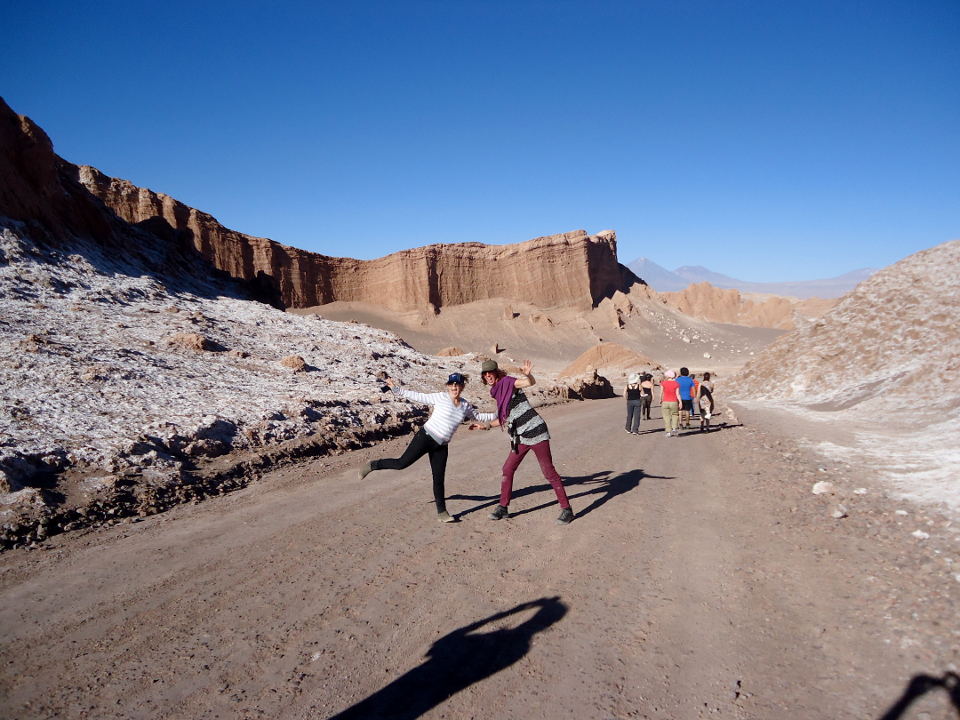
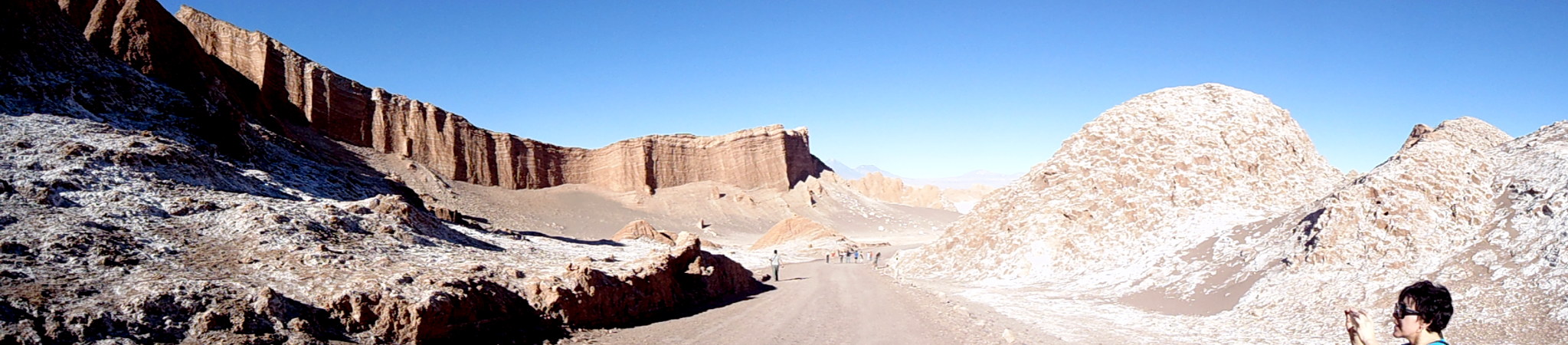
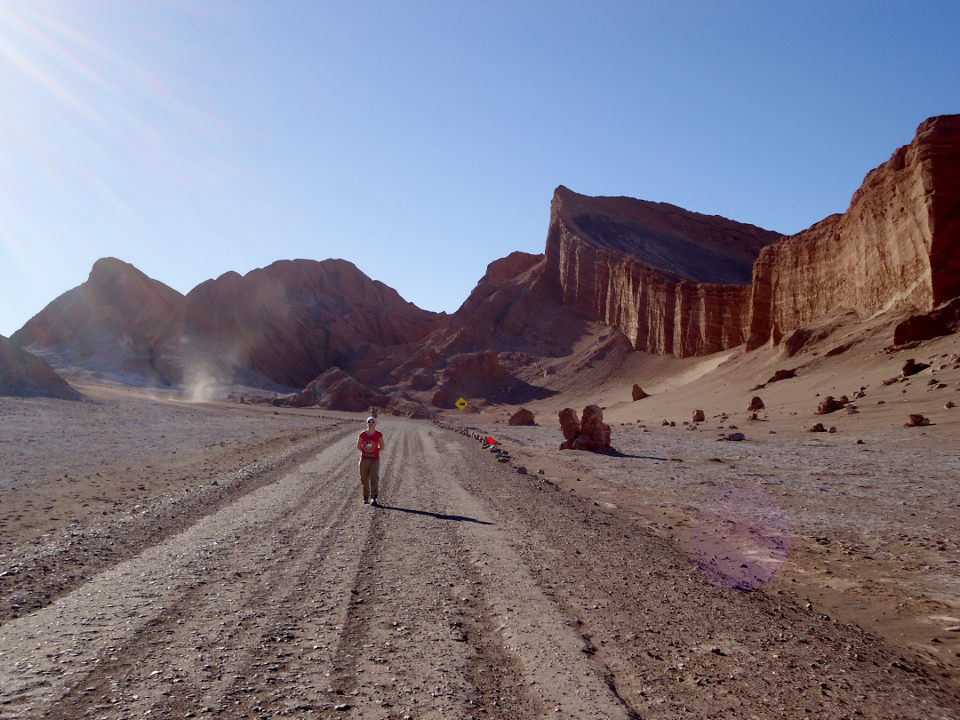
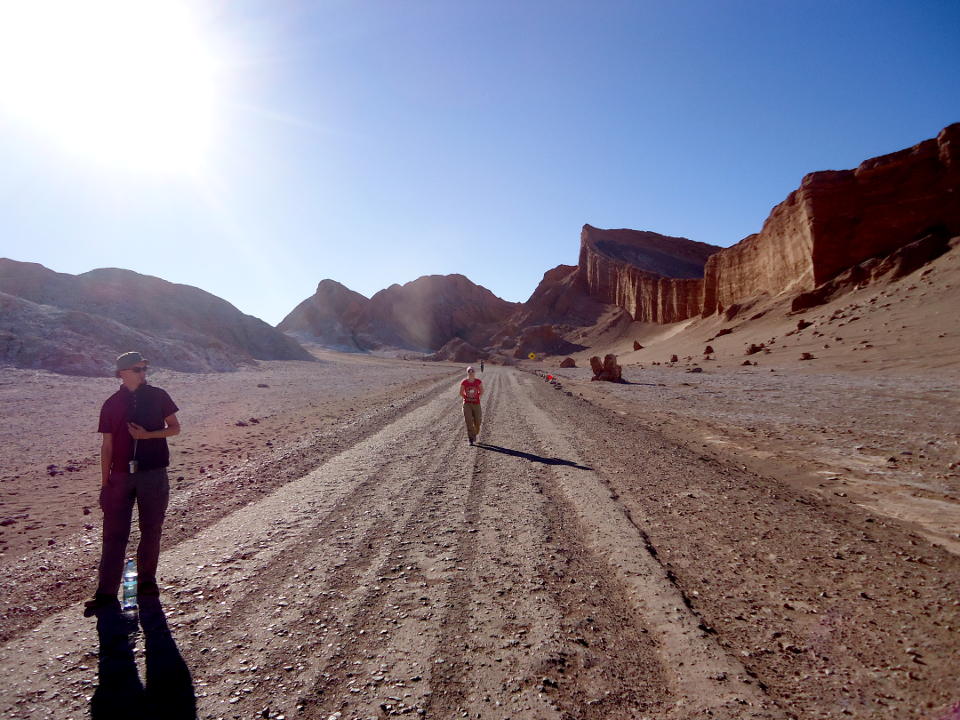
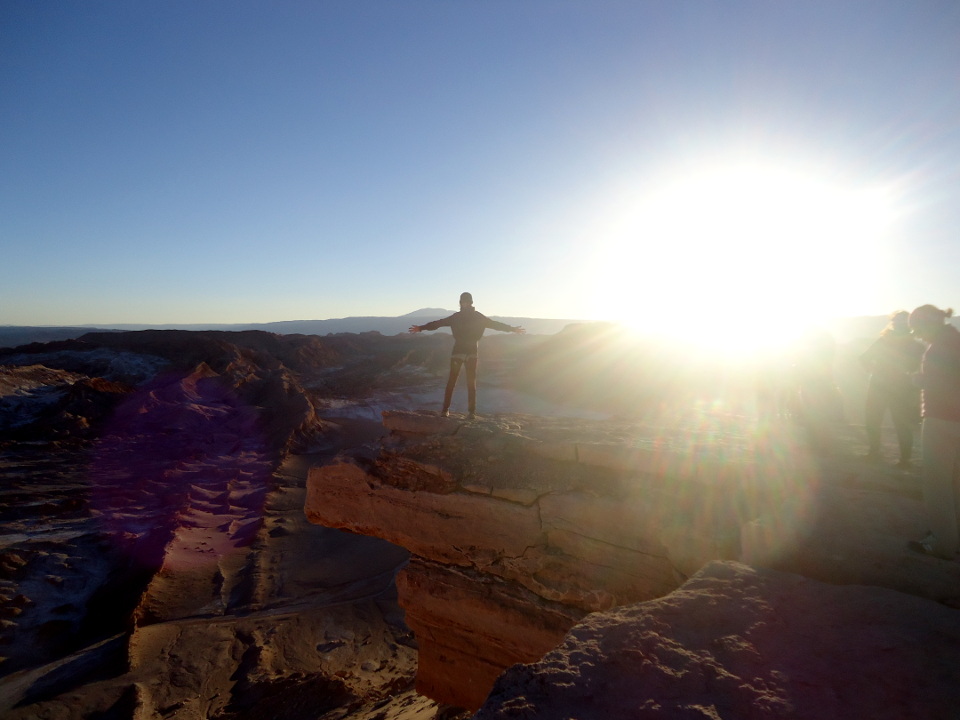
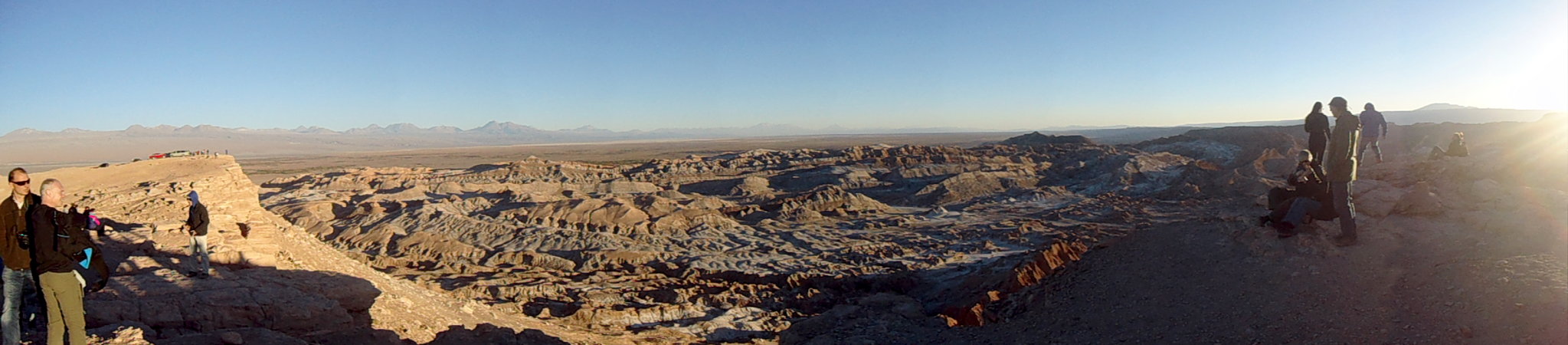

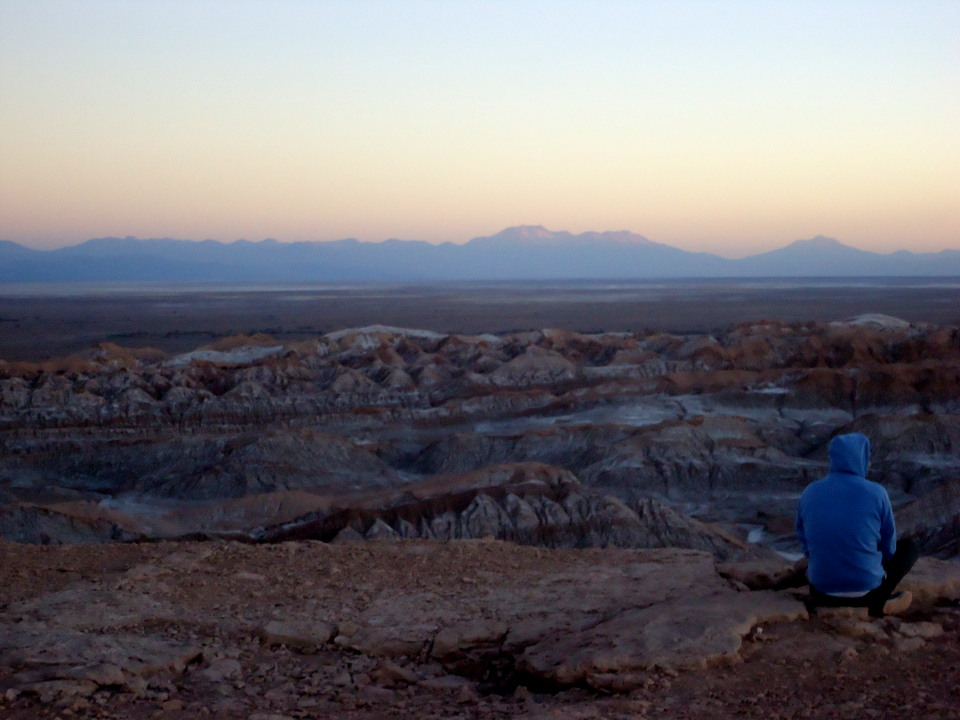
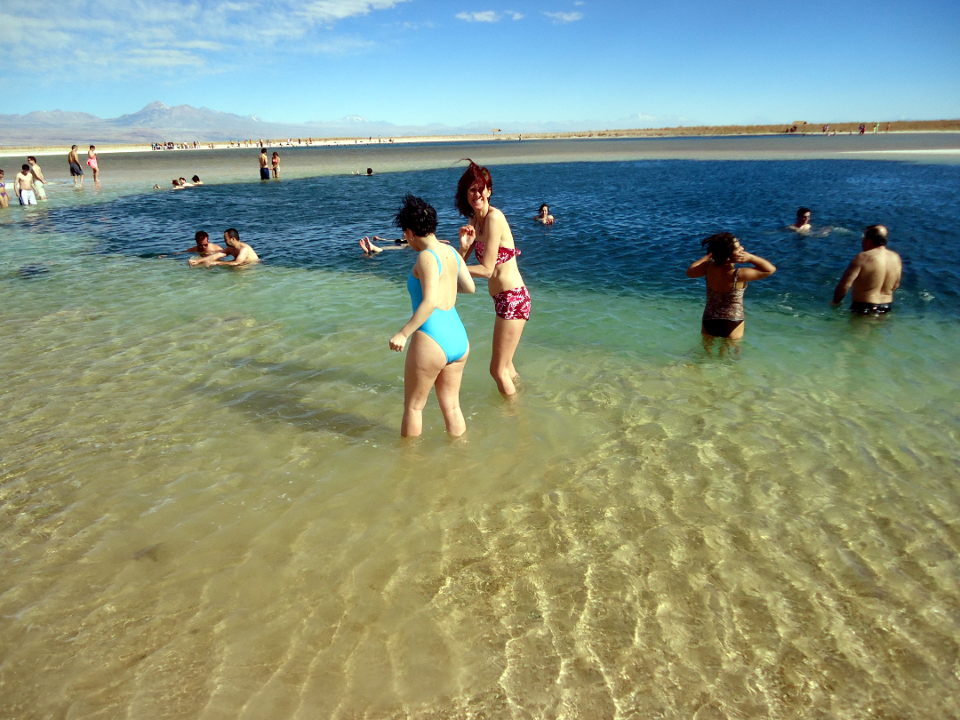

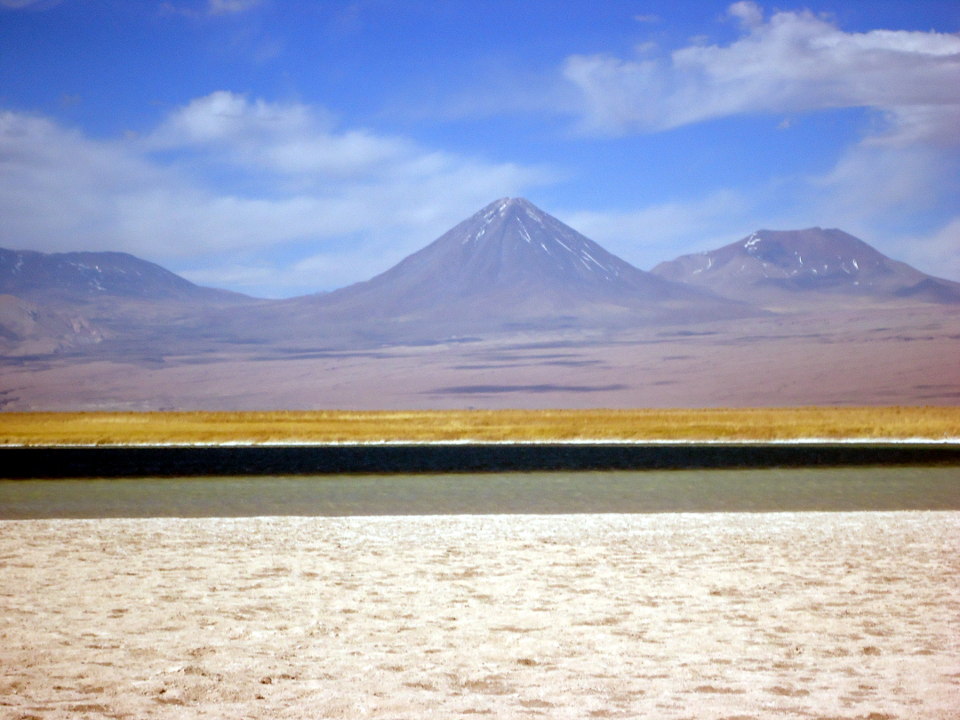
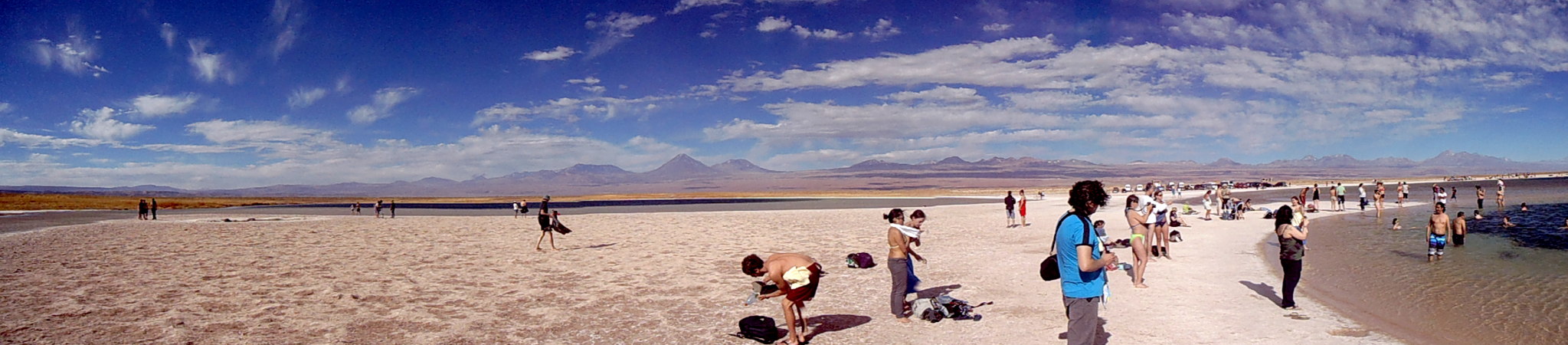
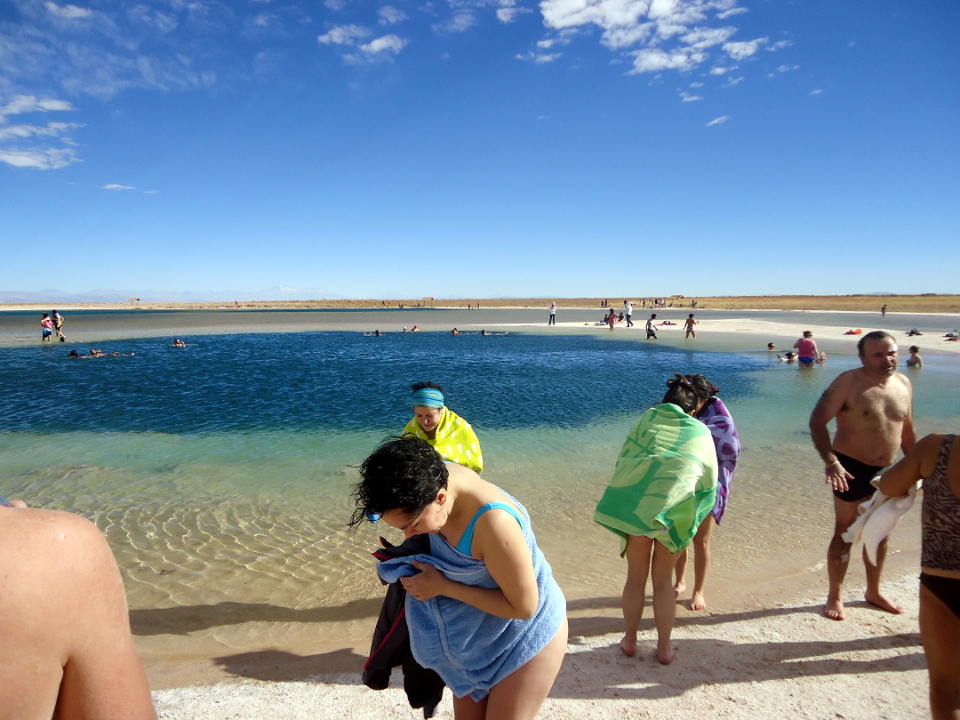
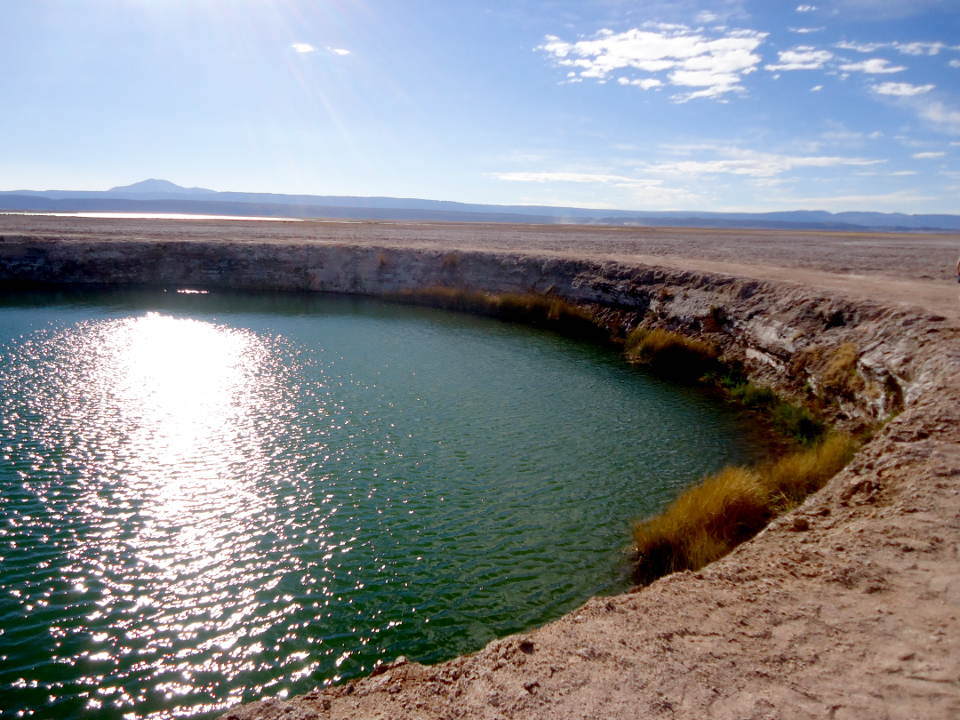
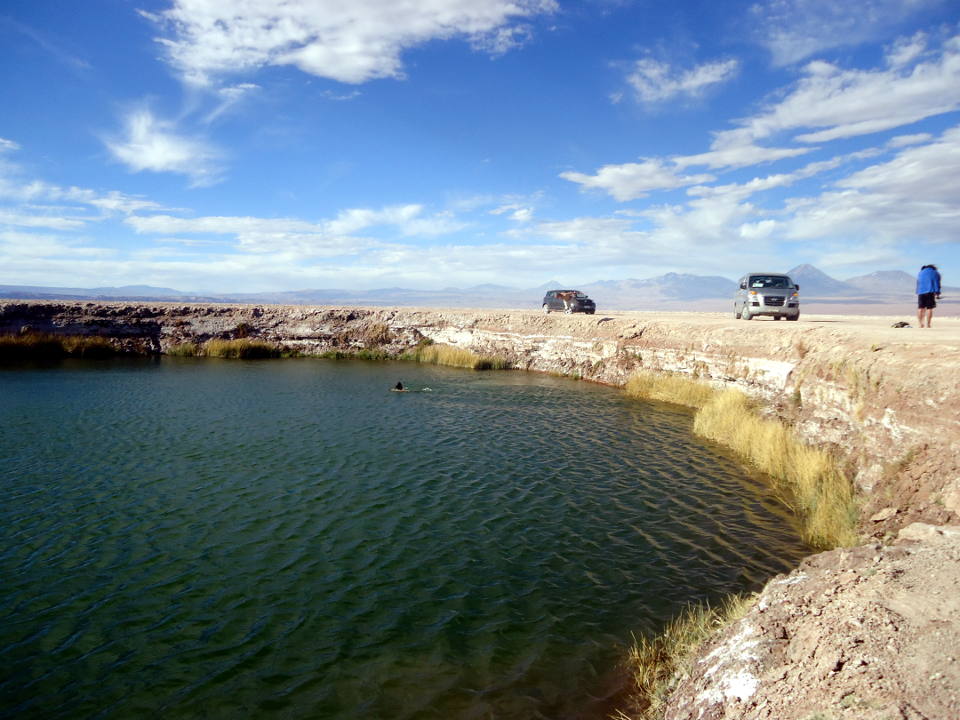
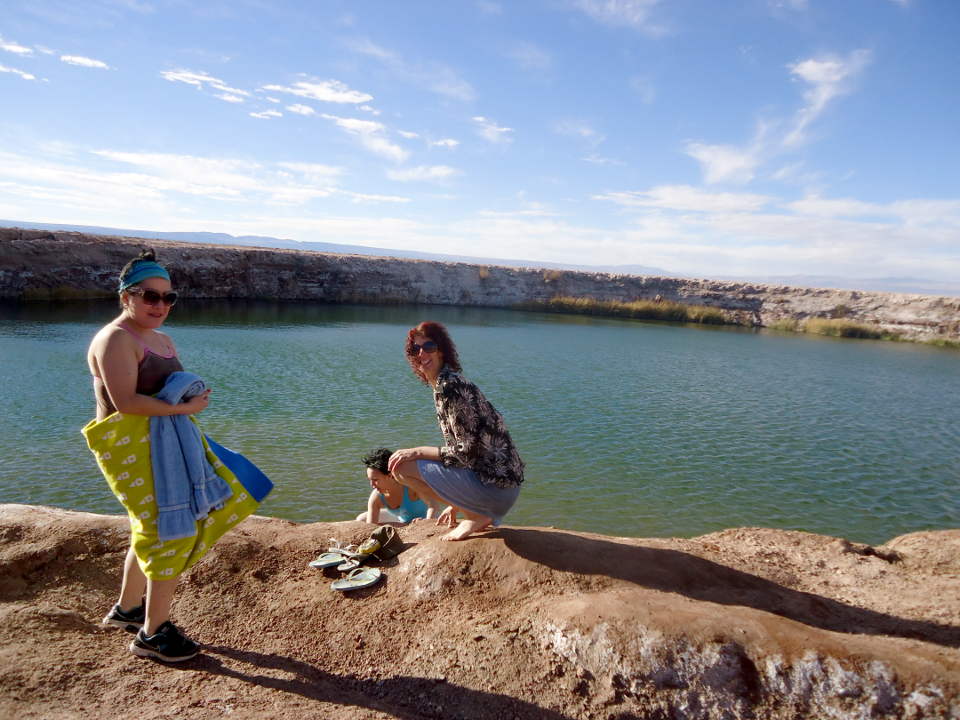
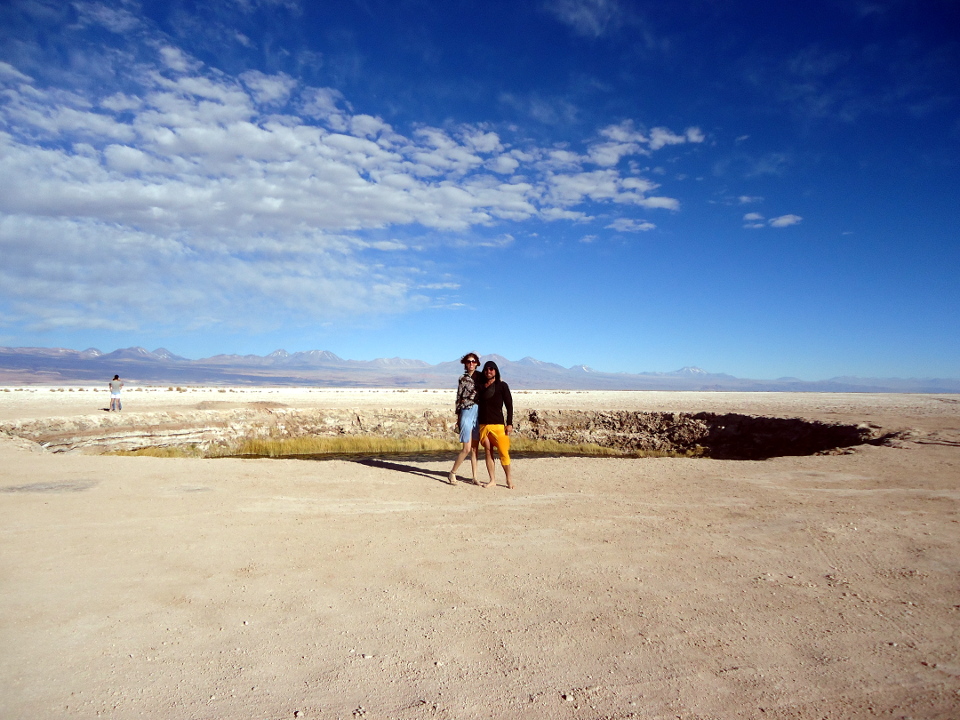
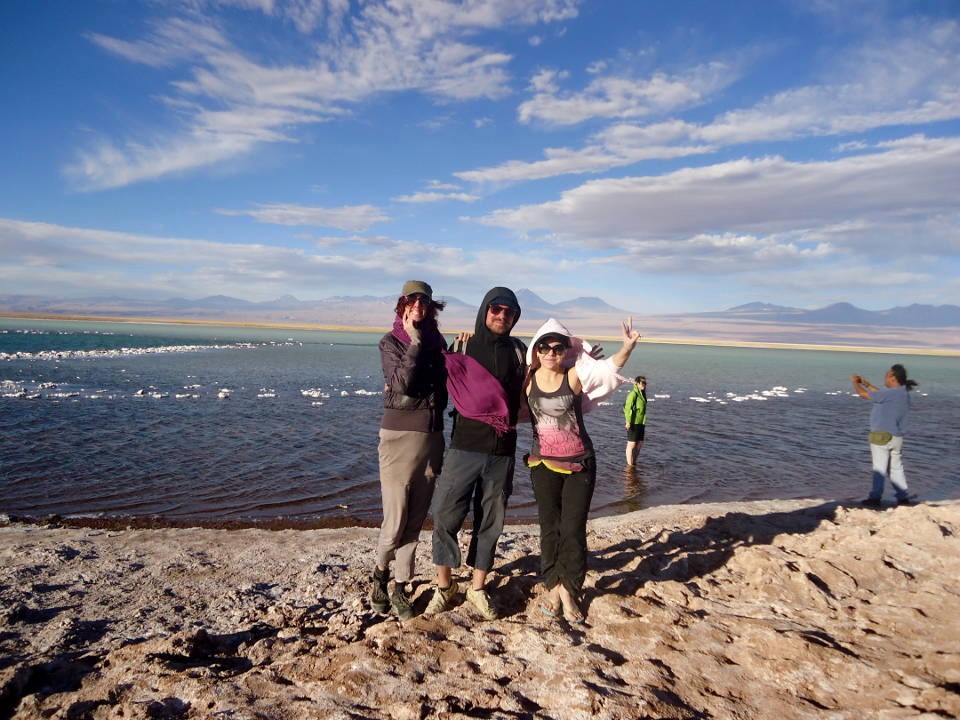
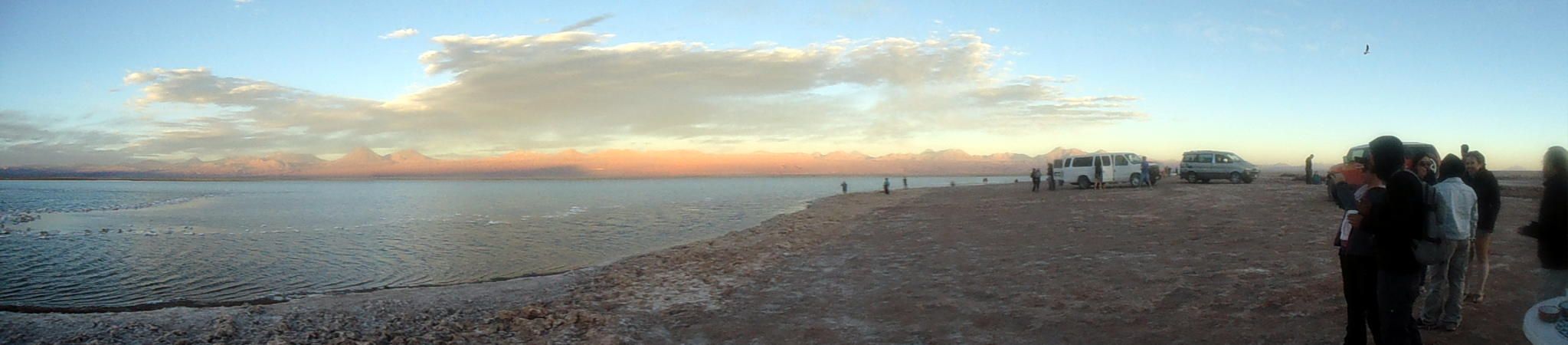
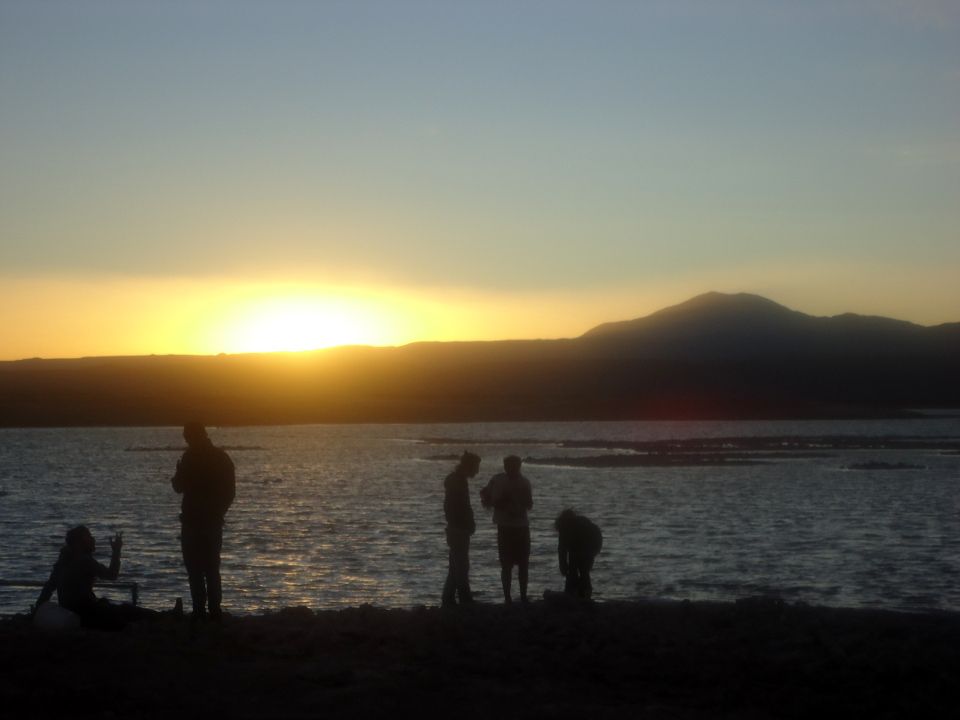

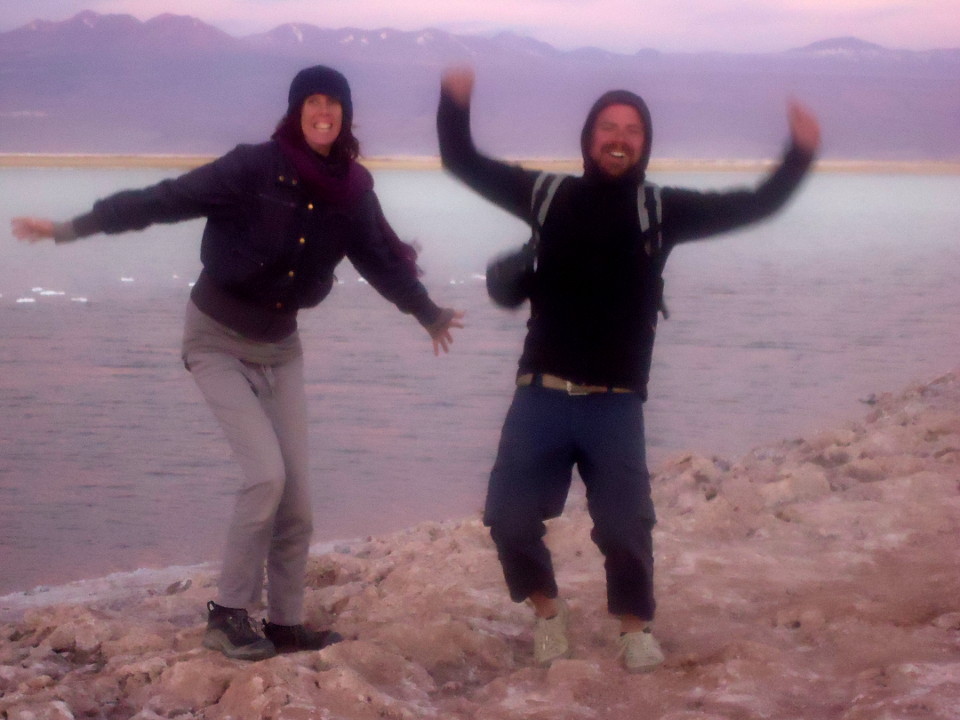
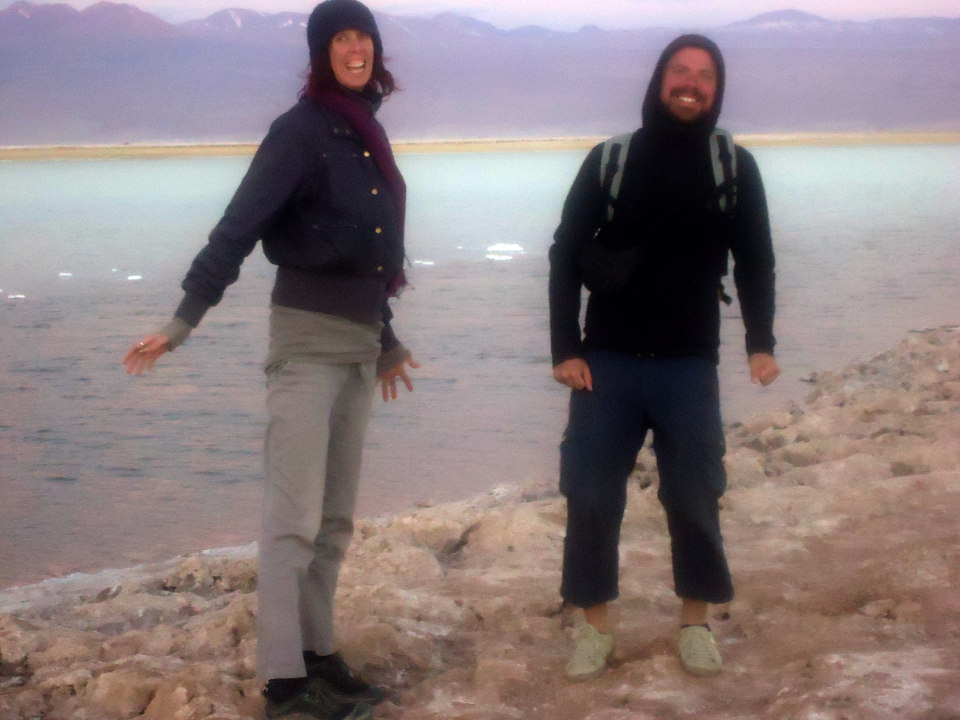

















 there were many people meditating, concentrating quietly on the lake. There was about twenty people and looked like different nationalities. I asked the others if they would like to do one, as they said they had never seen anyone meditate before. I felt guided to do this. So I said ‘I know it sounds weird, but if you would like, to send as much love as you can to the middle of the lake and into the water’. We all did this together.









 With Ease