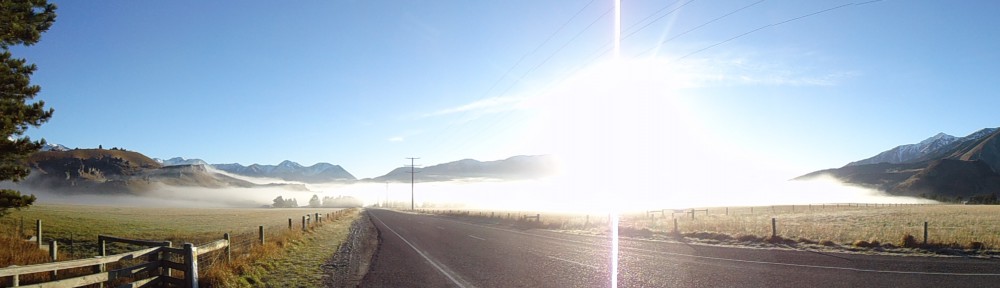
北京
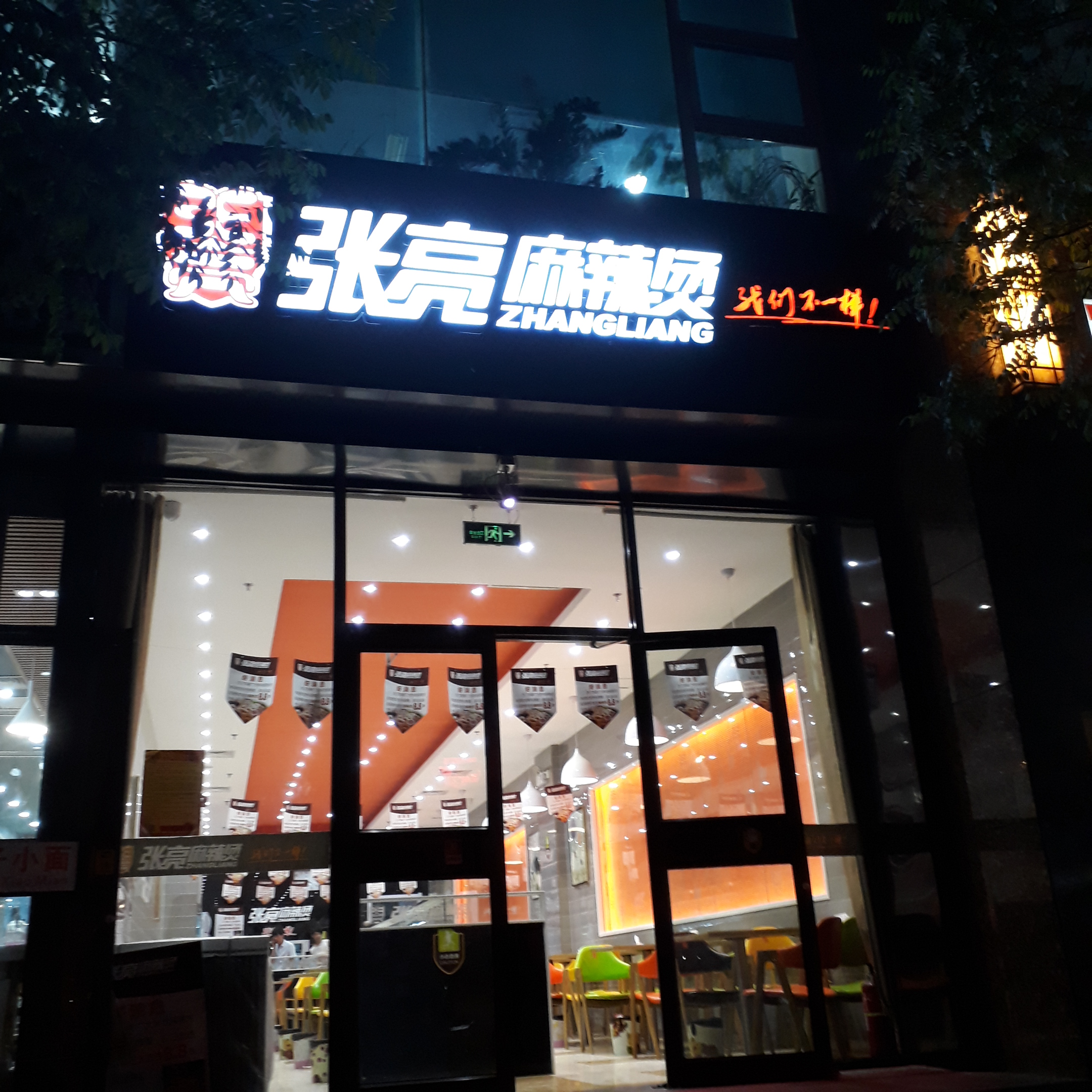
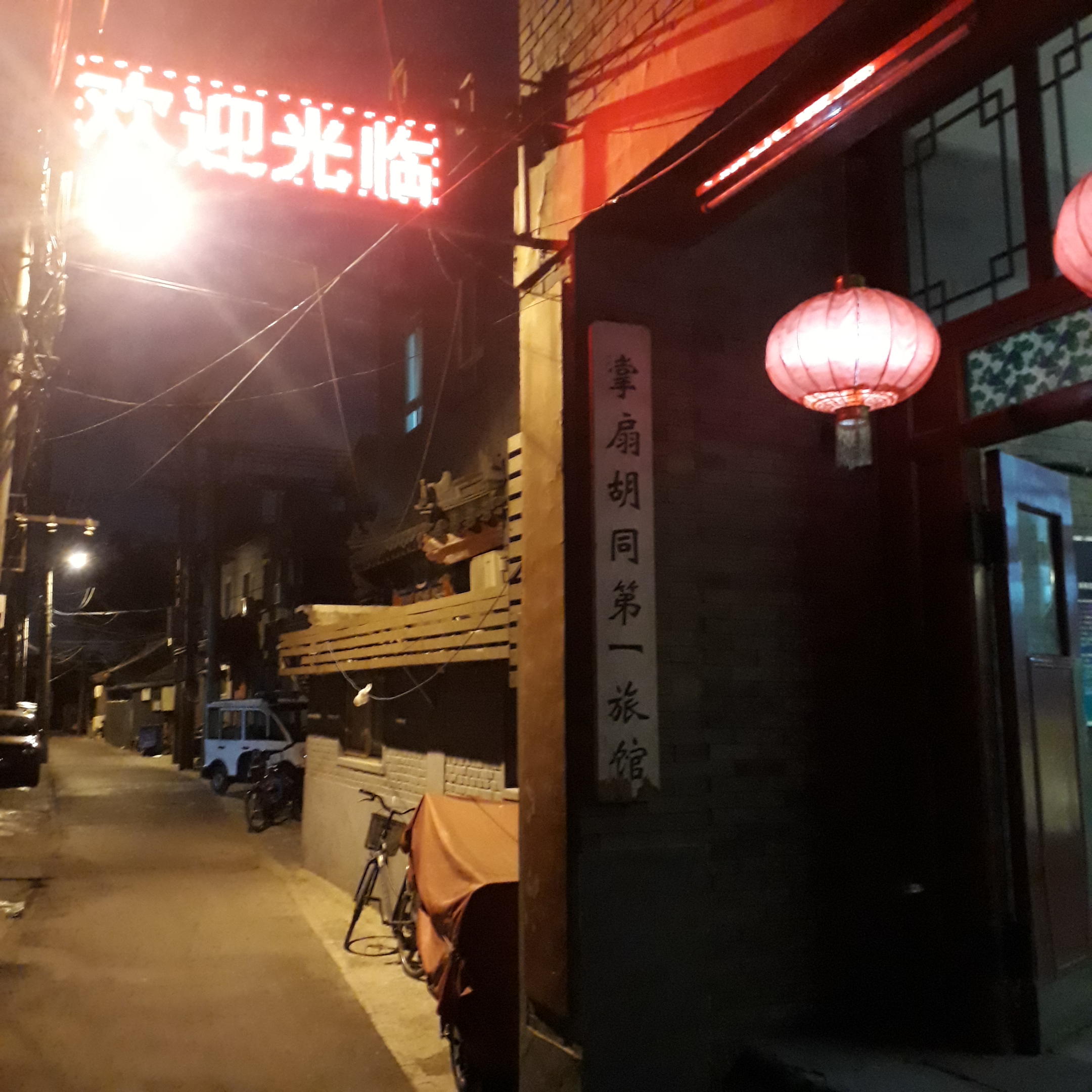
June 3, flew in from Kuala Lumpur at 4.25am with Air Asia. Ended up being a small adventure to the hostel. I had booked to stay at Granary Hostel, near Qianmen Station, for two and a bit nights. As was making the most of the 72 hour free transit visa.
I had the address of the hostel in English alphabetic (No 22, Zhangshan Hutong, Dashillan, Xicheng District). But I was now in China! So of course, the address needed to be in Chinese characters. On arrival in Beijing three taxi drivers tried to help me, they really tried. I got on the train from the airport, getting off at central. Where I asked a blonde girl walking past for some advice. As it turned out she was a fellow kiwi, whom also tried, but wasnt able to translate.
I had a fruit salad in a restaurant. I sat for a good while to re-group. I did not want to get too anxious. I had wondered why I couldn’t google the information. Then I realised it was harder to find the online information in China. I went by a mall. I asked a young chap in an electronics shop if he could translate the hostel address into Chinese. He spoke some English and was happy to help. I was very thankful. I took a photo of this information. I got there in a taxi. This translation was the key in the door.

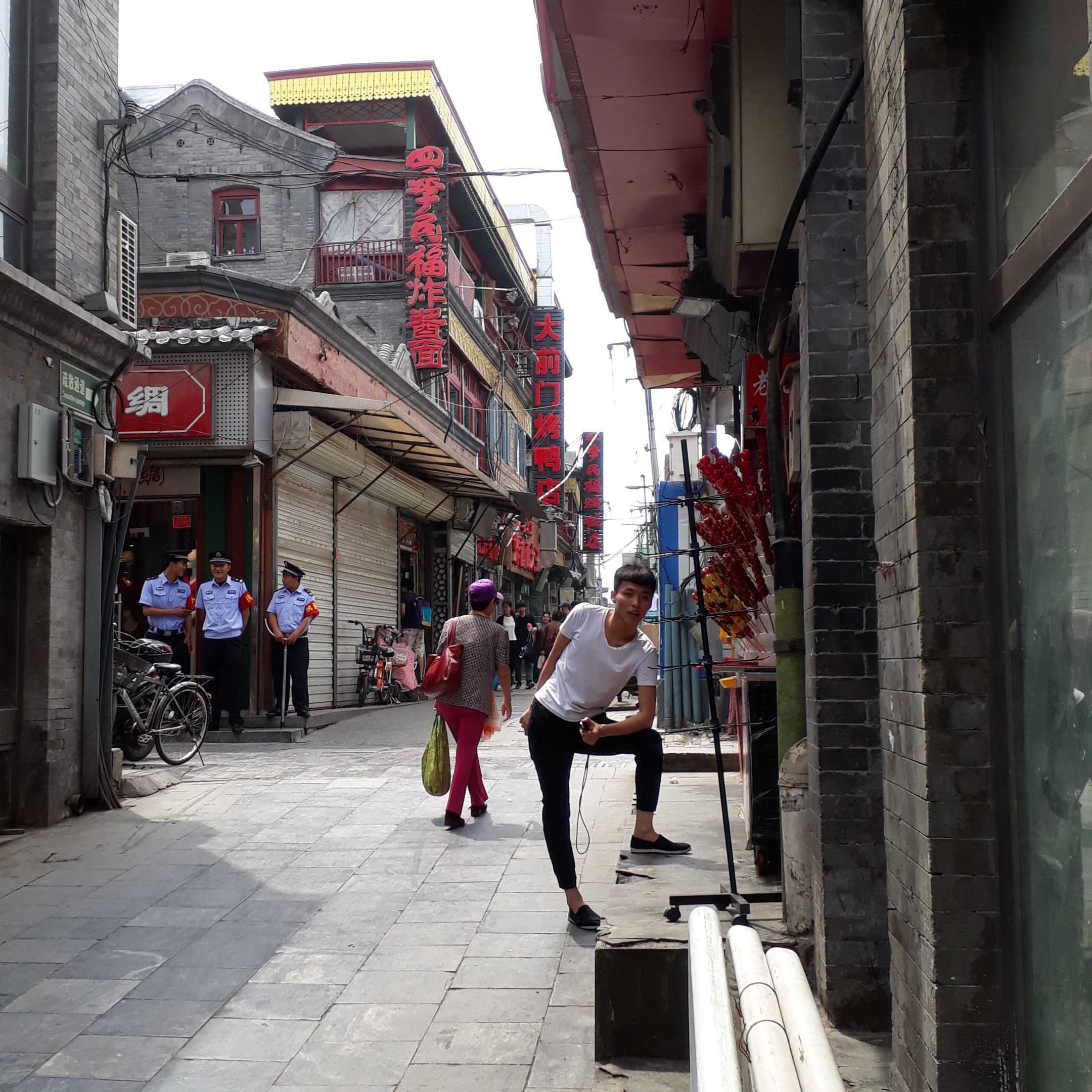
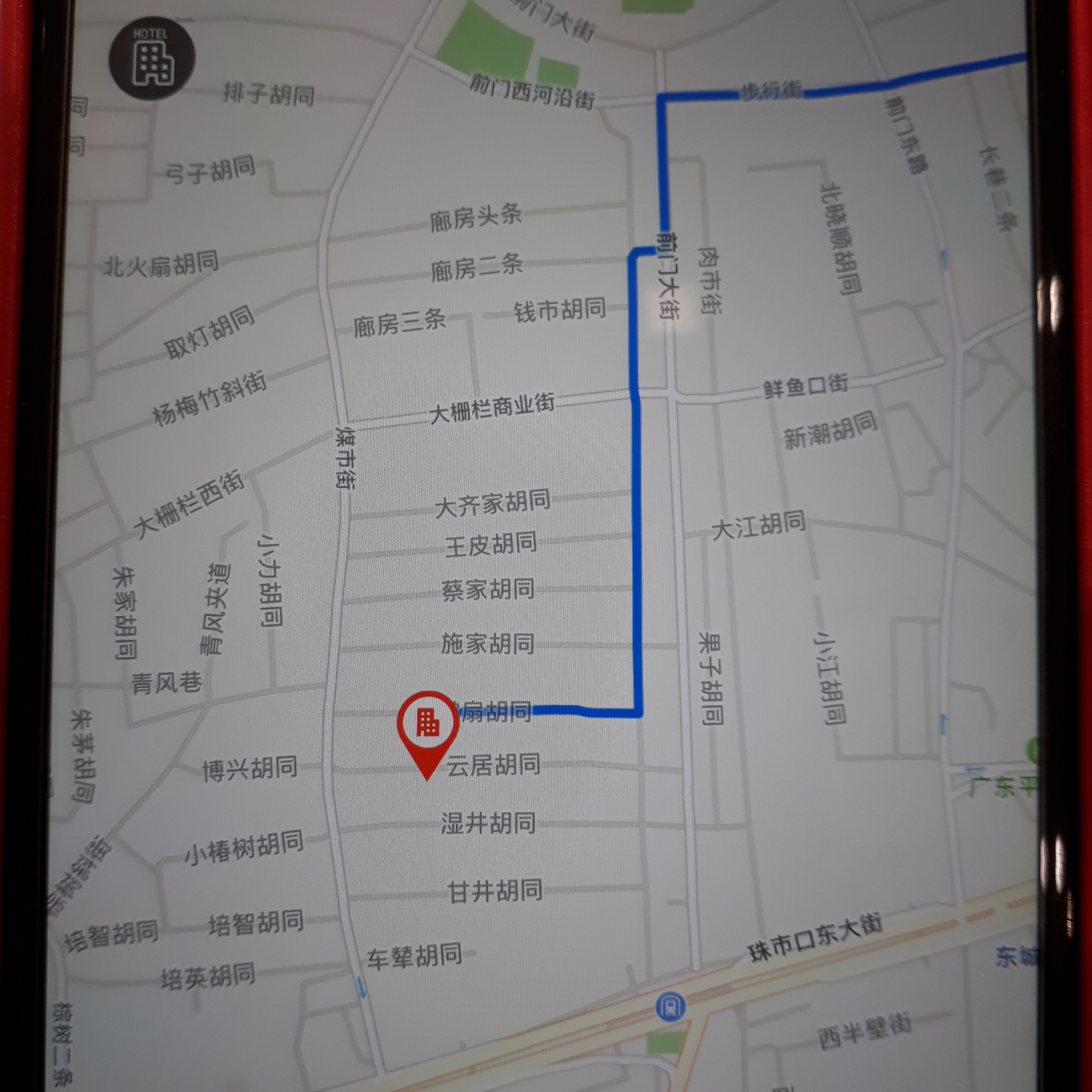
I went to the hostel and met some lads from the room. We went out for lunch together. They were Dutch and French and knew where to go. I walked to the subway station with them. Then I explored little market places on the way back to the hostel. I got a bit lost. I made it by asking a shopkeeper while using my map on the phone. Then I rested for a while.
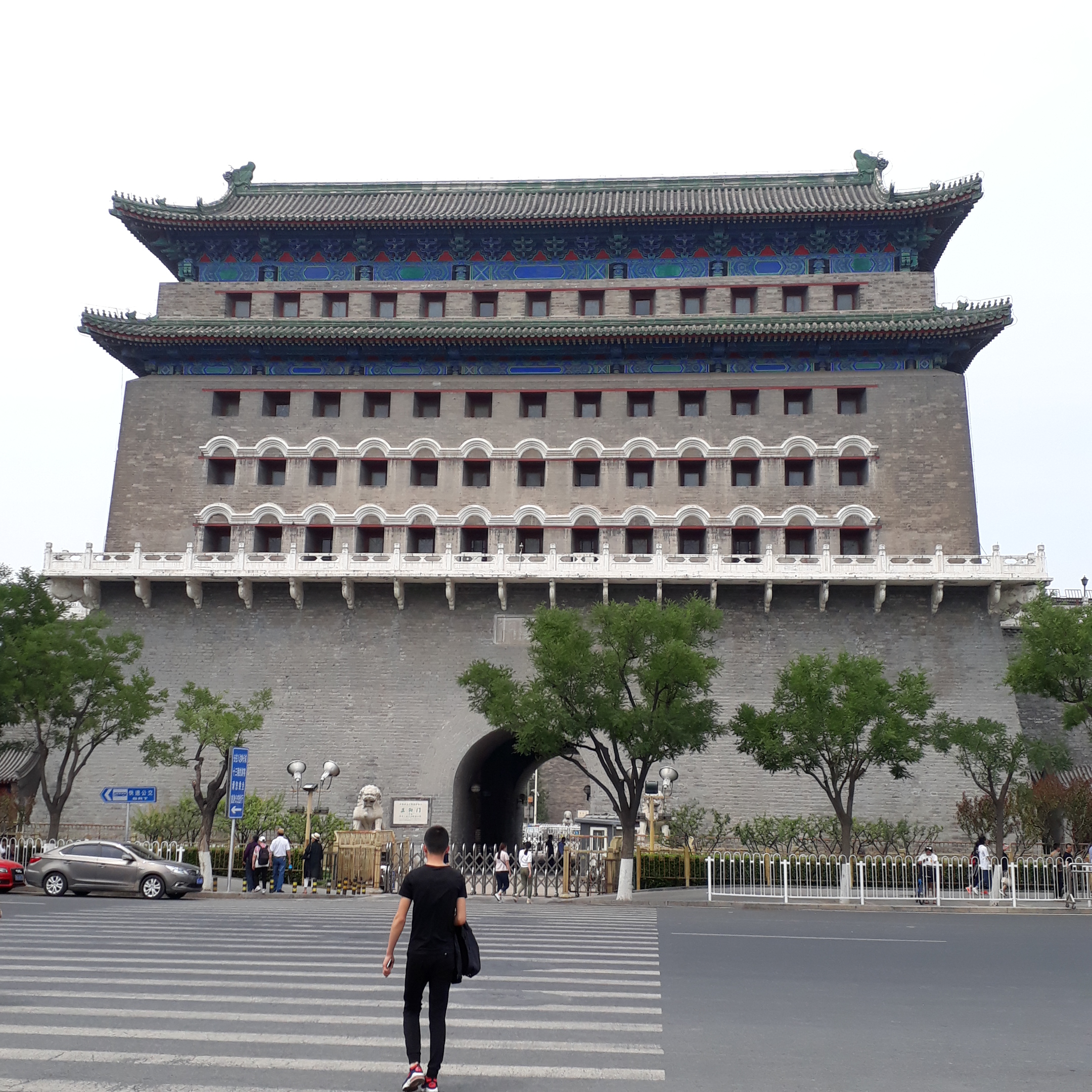
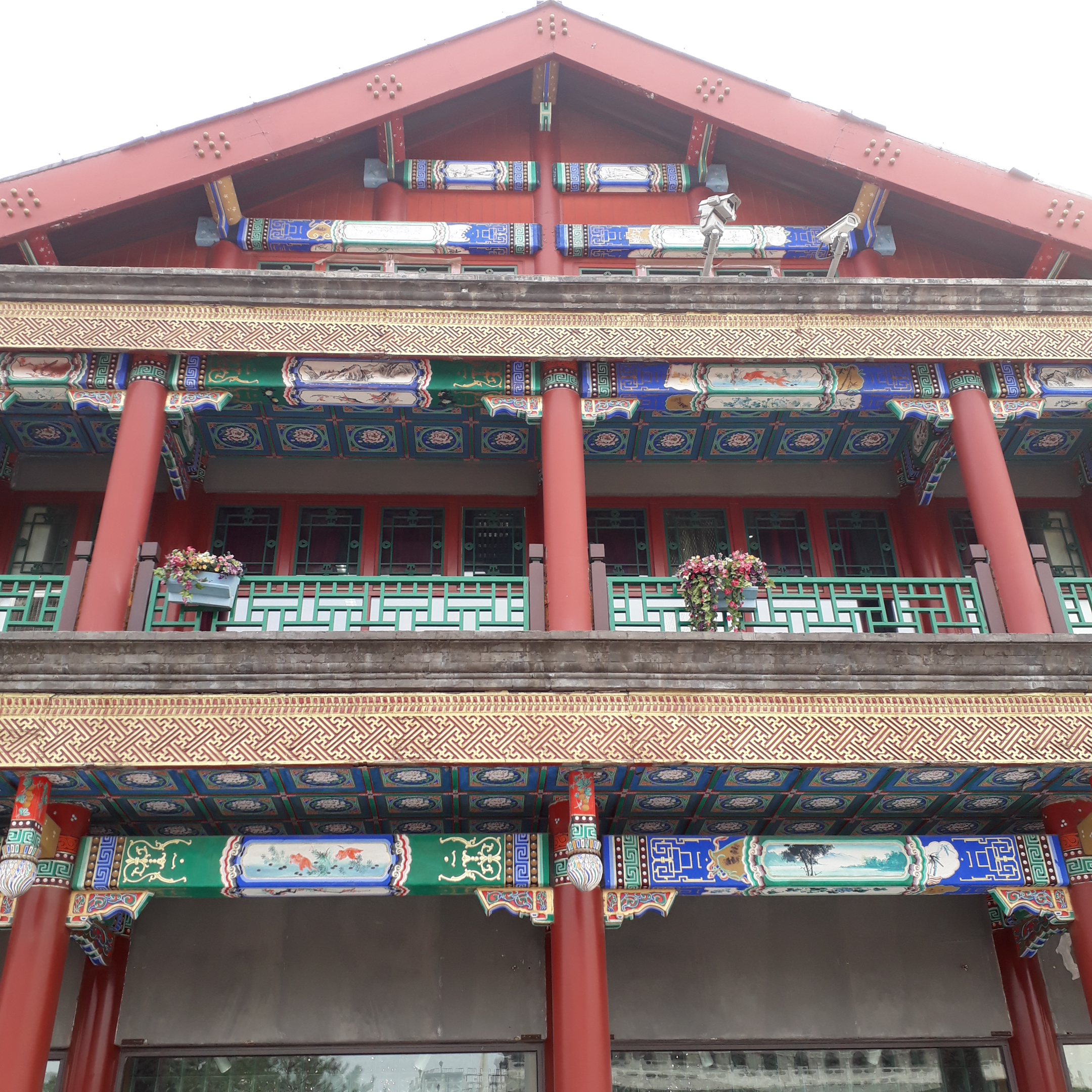
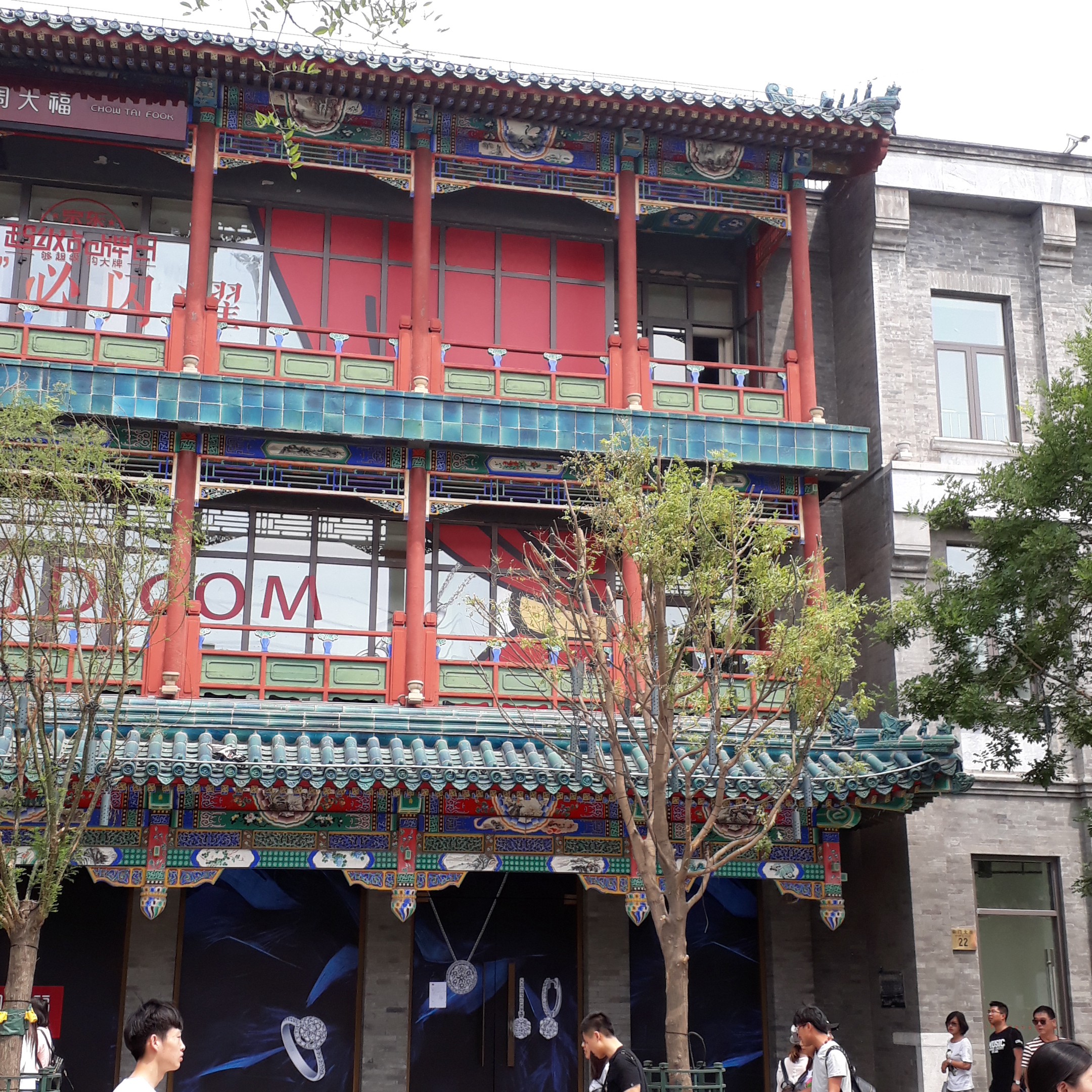
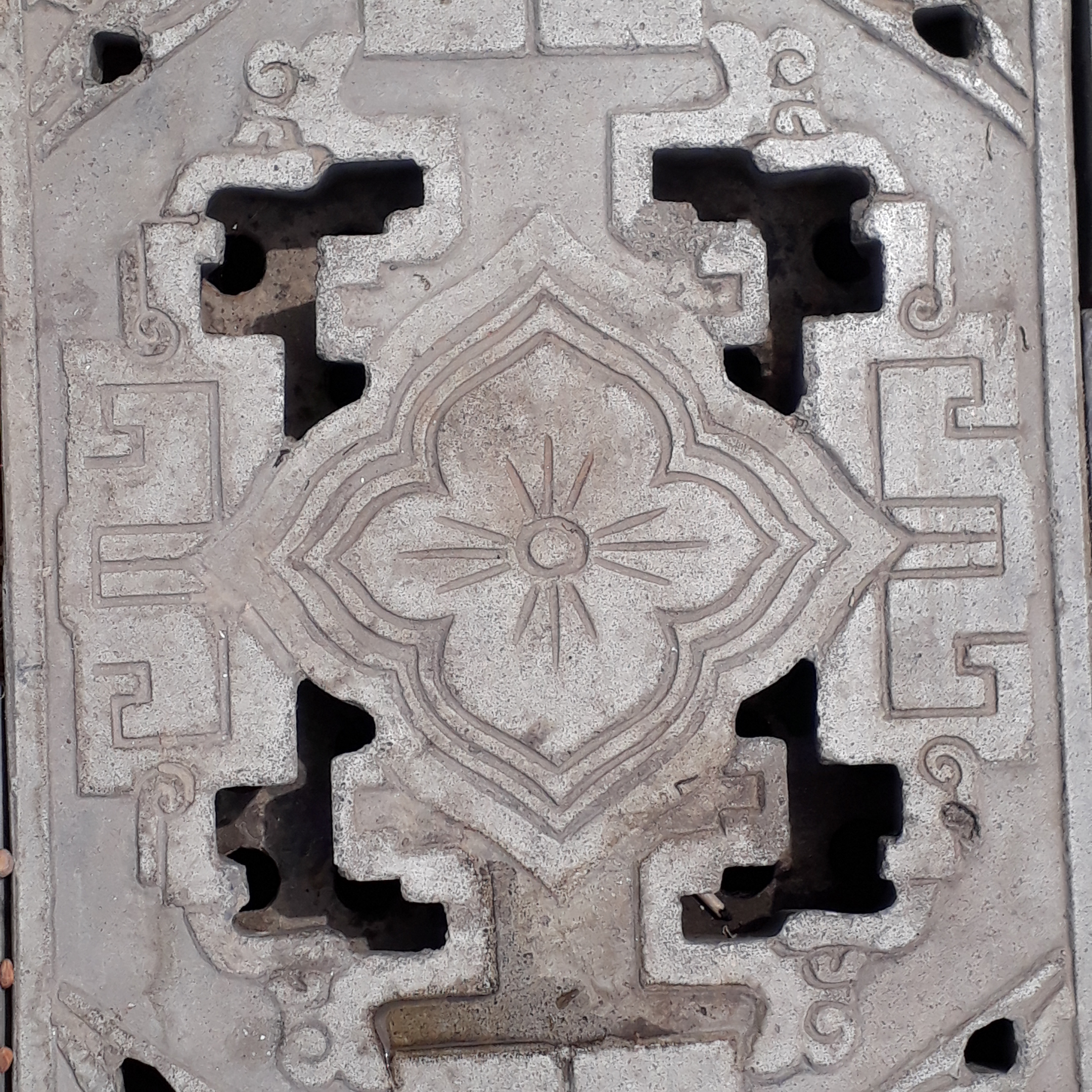

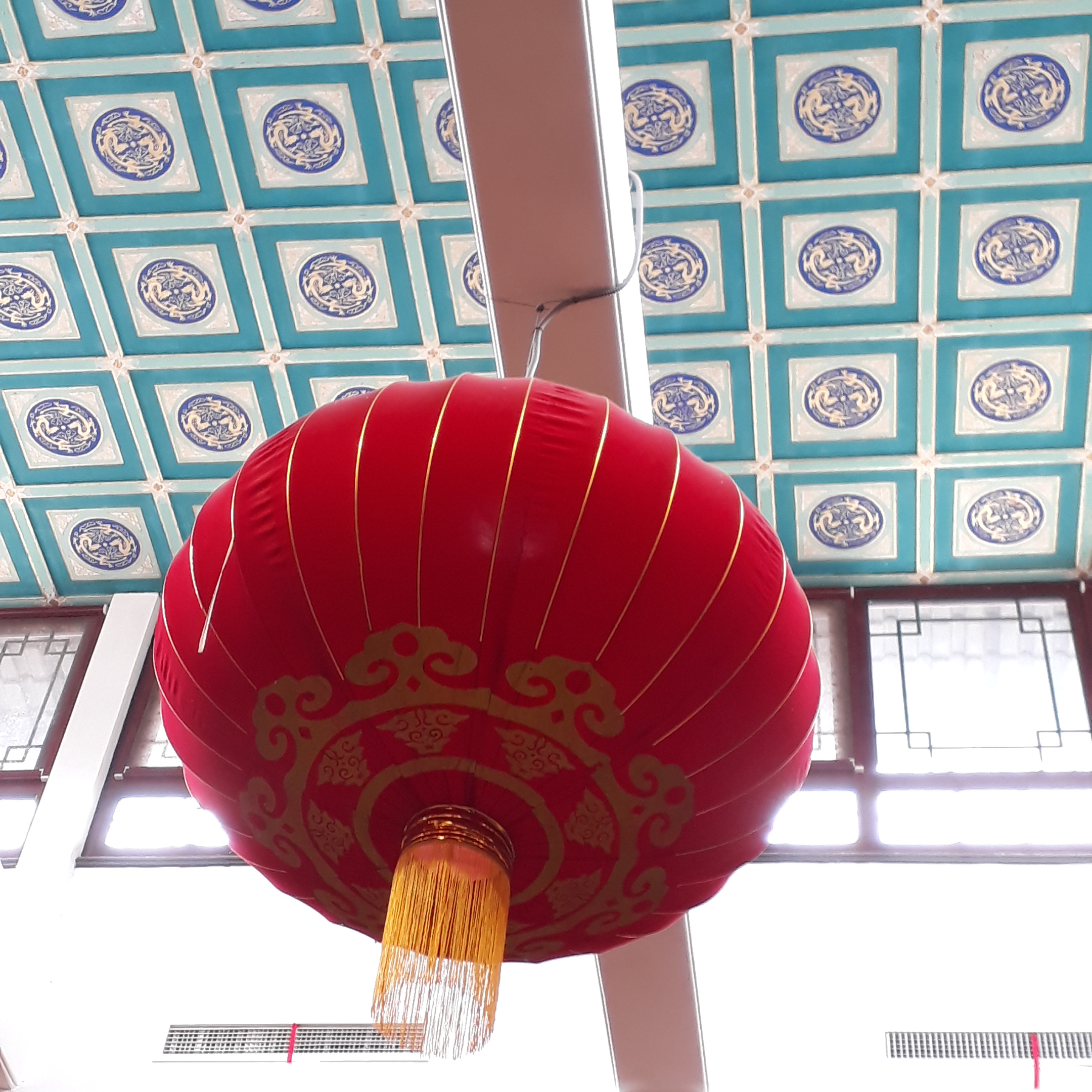



Temple of Heaven 天坛
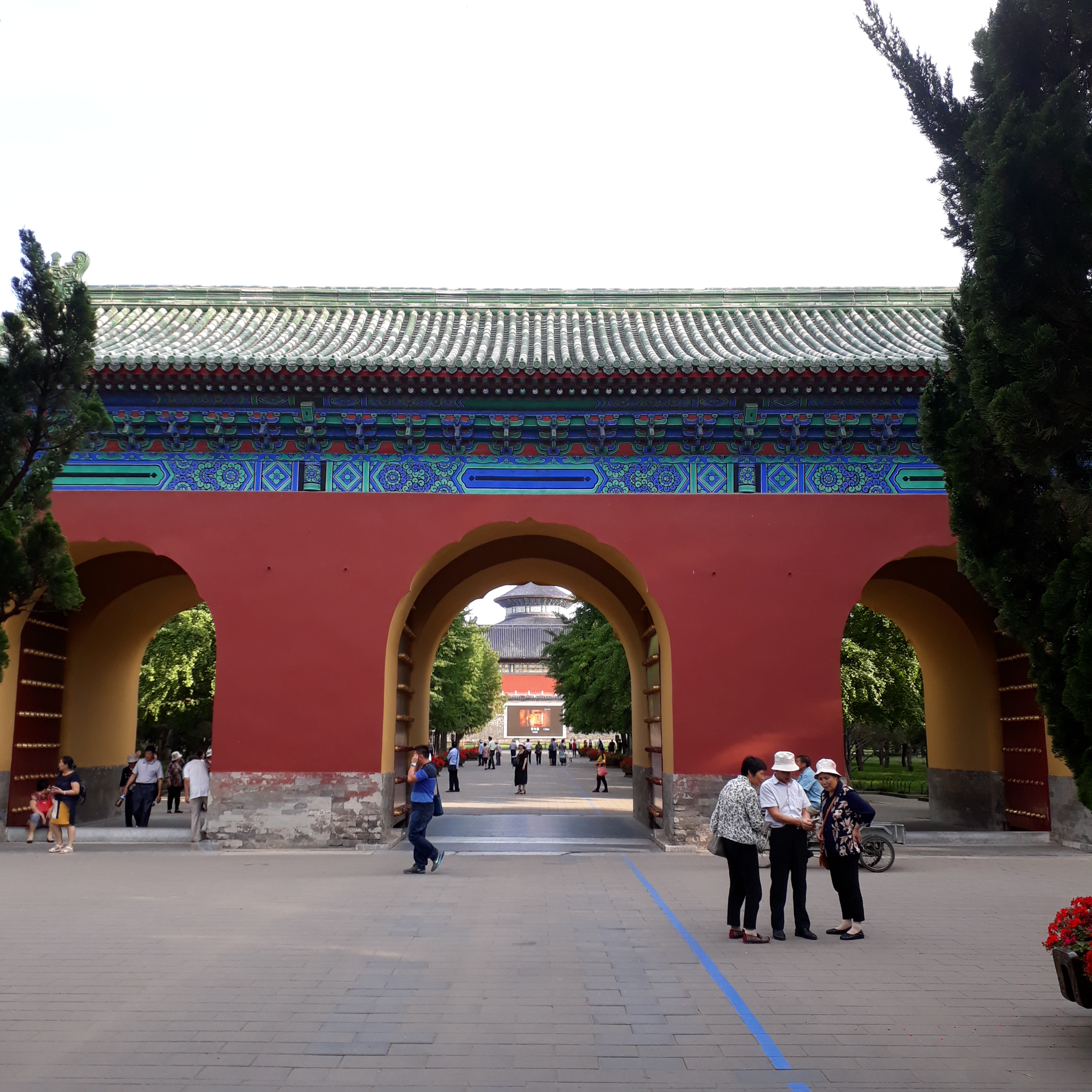
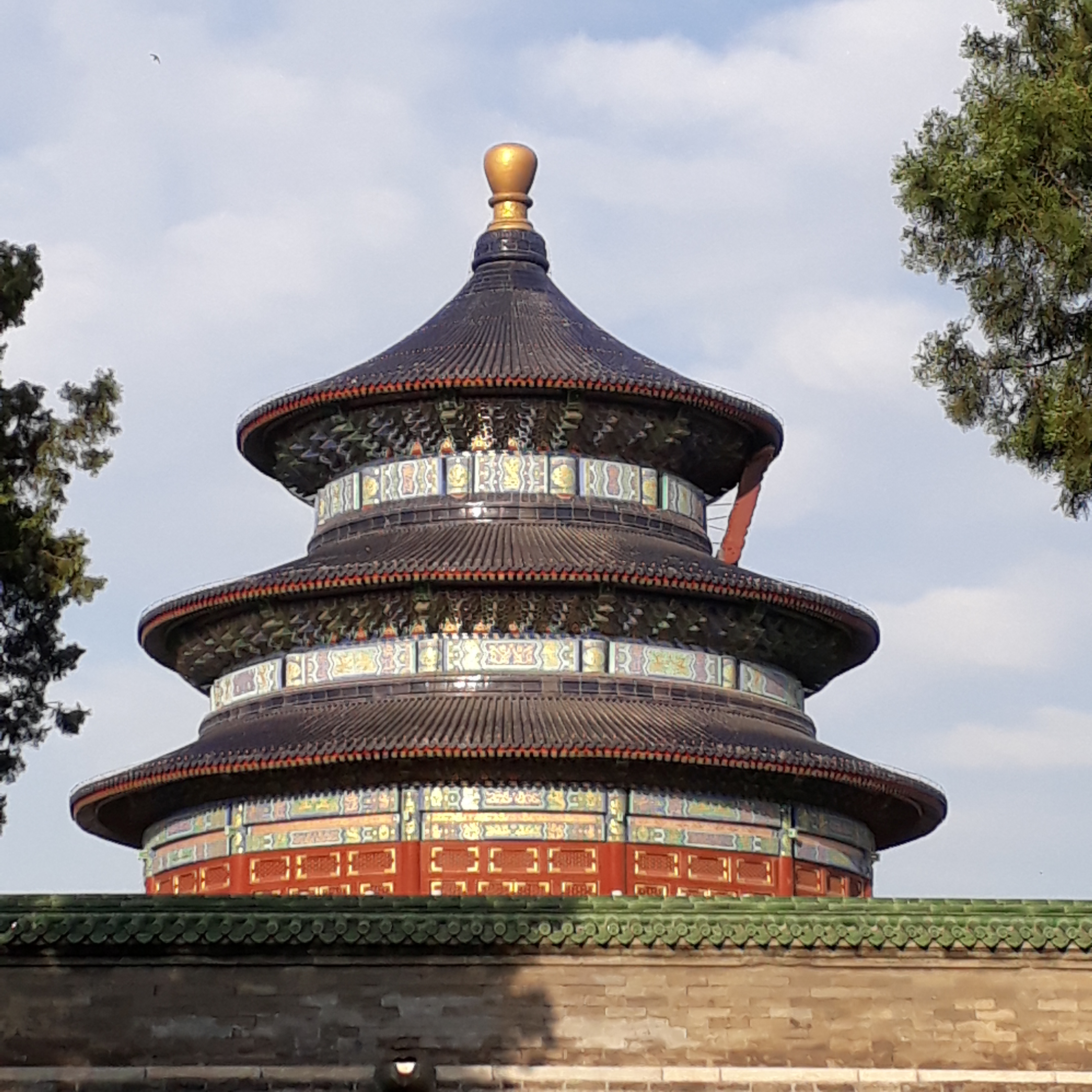
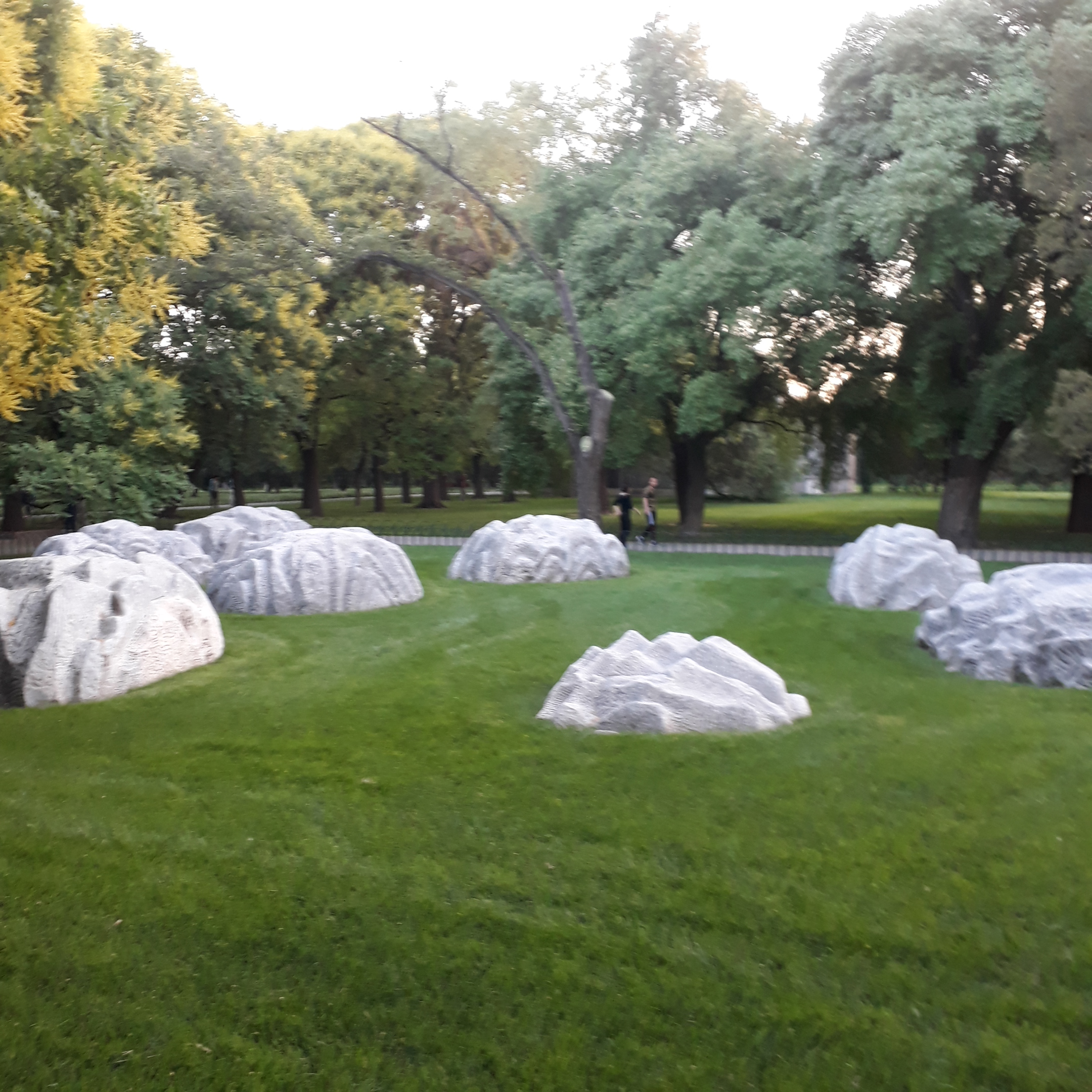
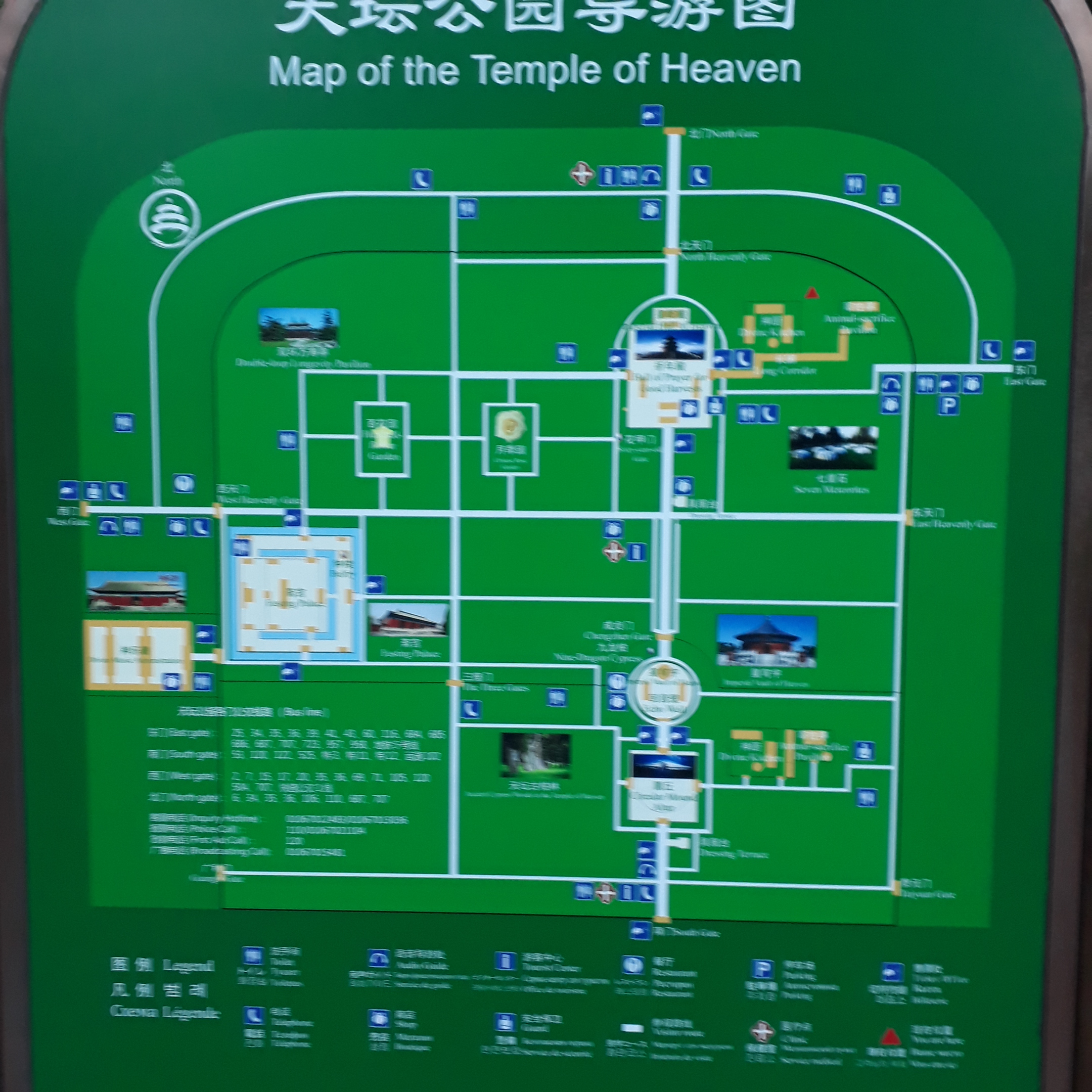
Then walked to Temple of Heaven, it was quite a long way there and back, but I made it. This Temple complex was constructed in the early 1400’s. Imperial religious buildings, situated in the south eastern part of central Beijing. The complex was visited by Emperors for annual ceremonies of prayer for a good harvest. And was inscribed as a World Heritage site in 1998. “The symbolic layout and design of the Temple of Heaven had a profound influence on architecture and planning in the Far East over many centuries.”[1]
I ate at a noodle bar that evening on my way back, it was a late meal at about 9pm.



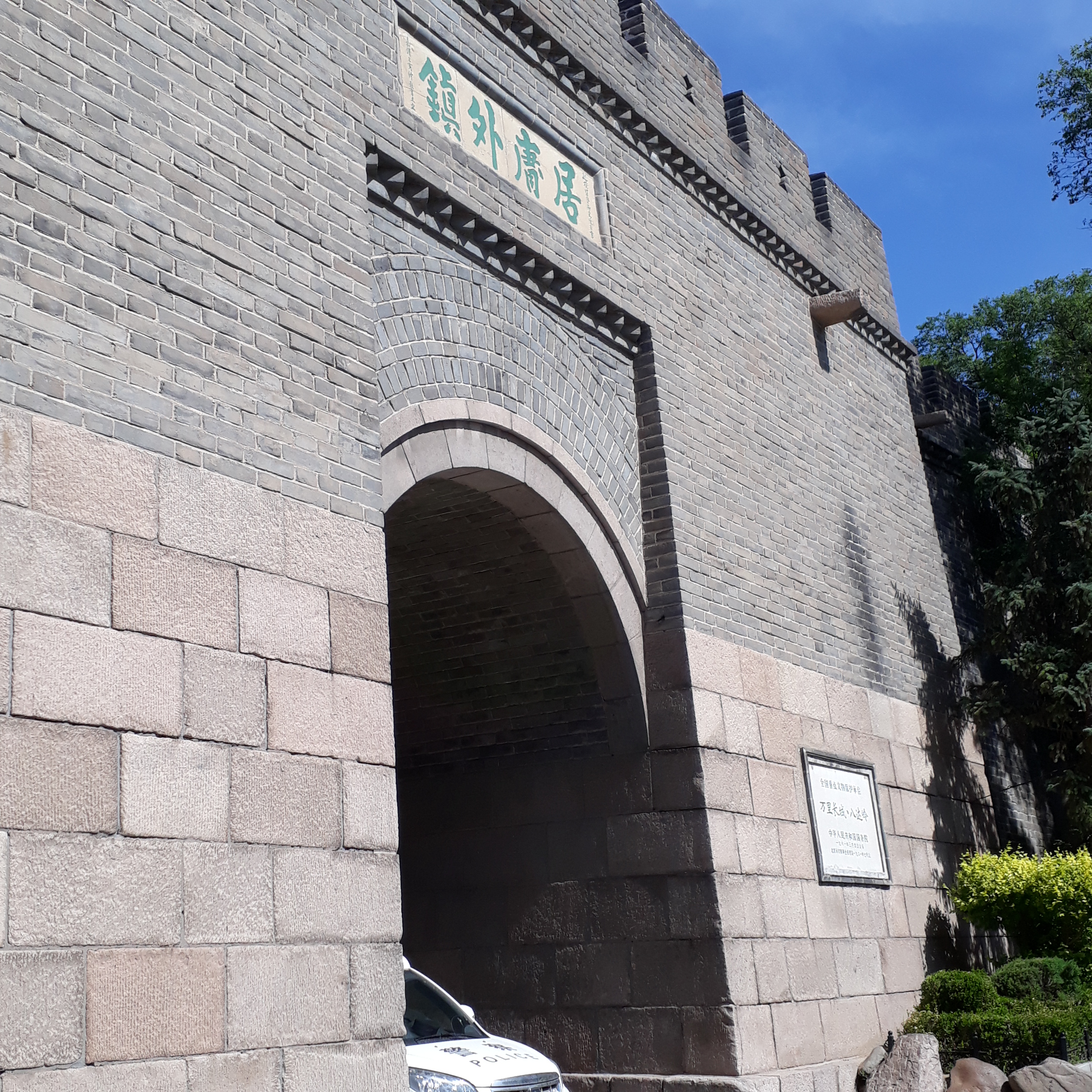
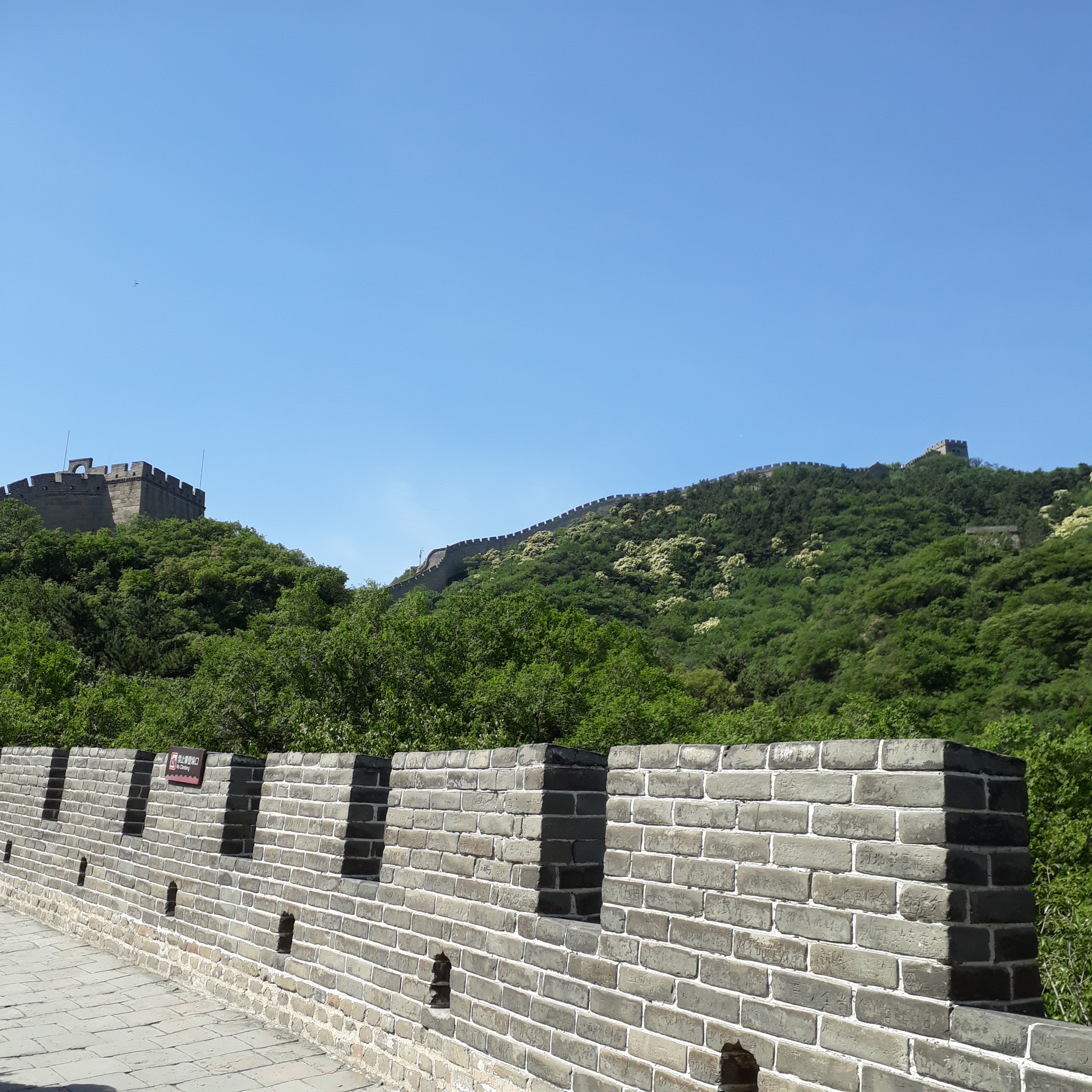
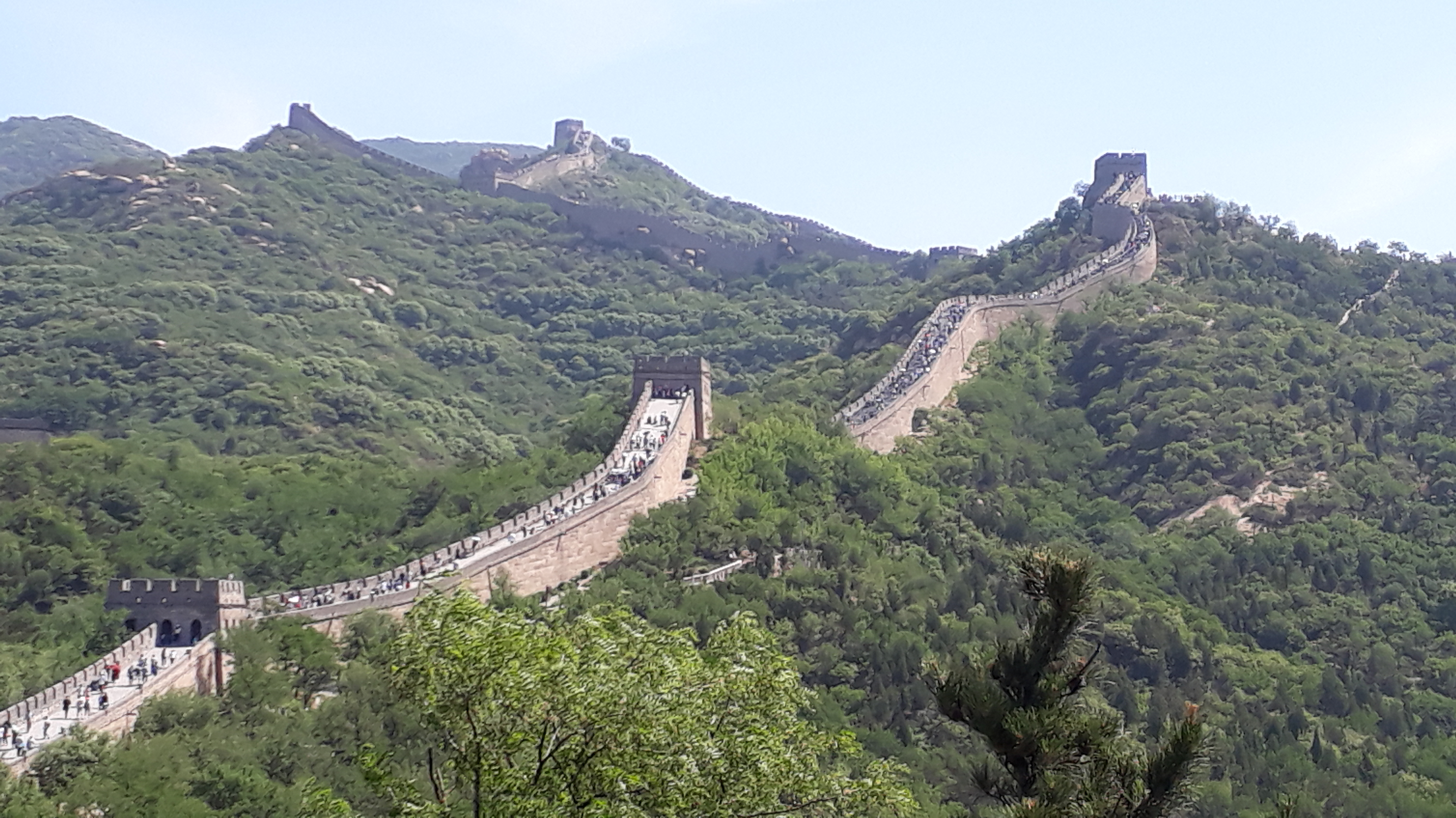
Great Wall of China 万里长
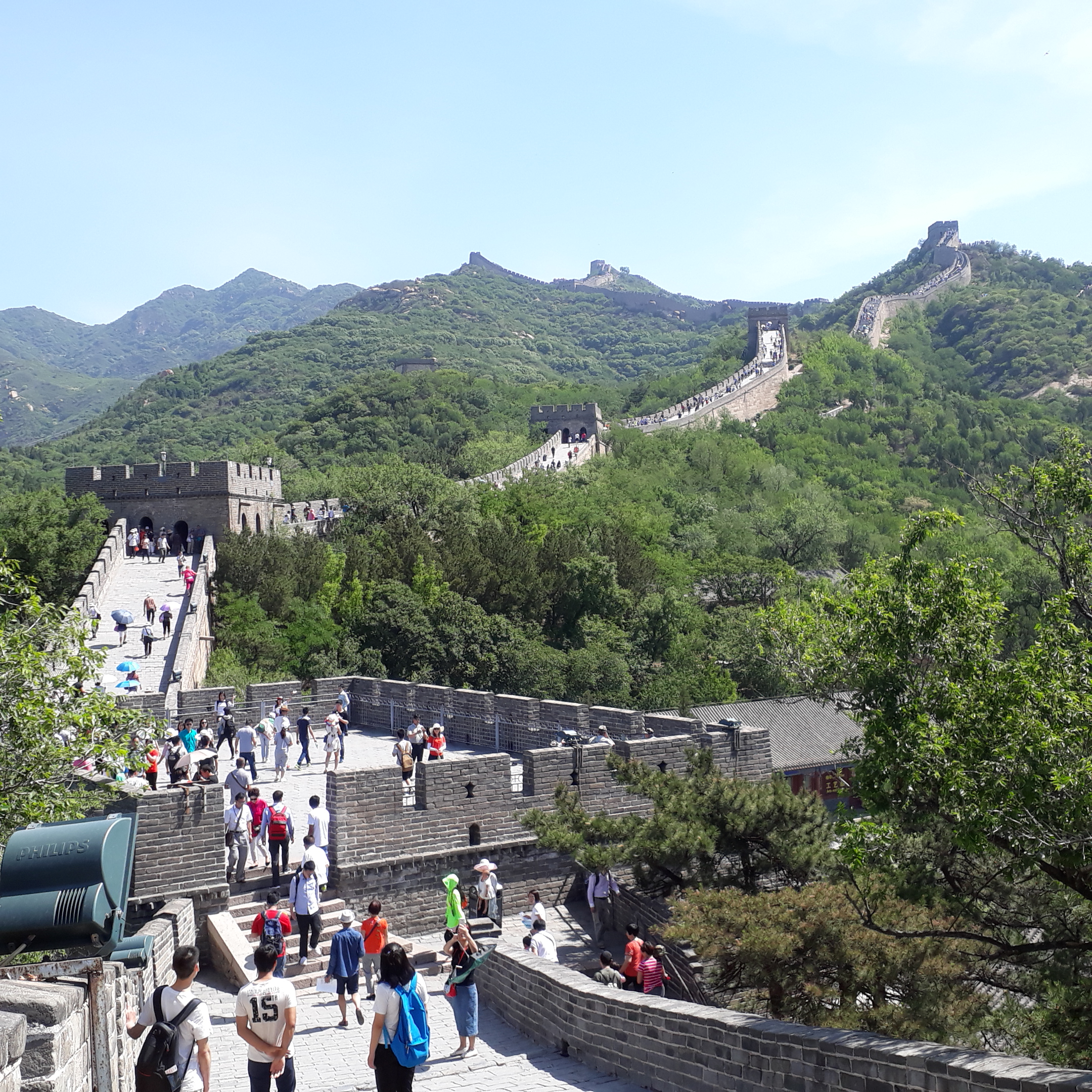
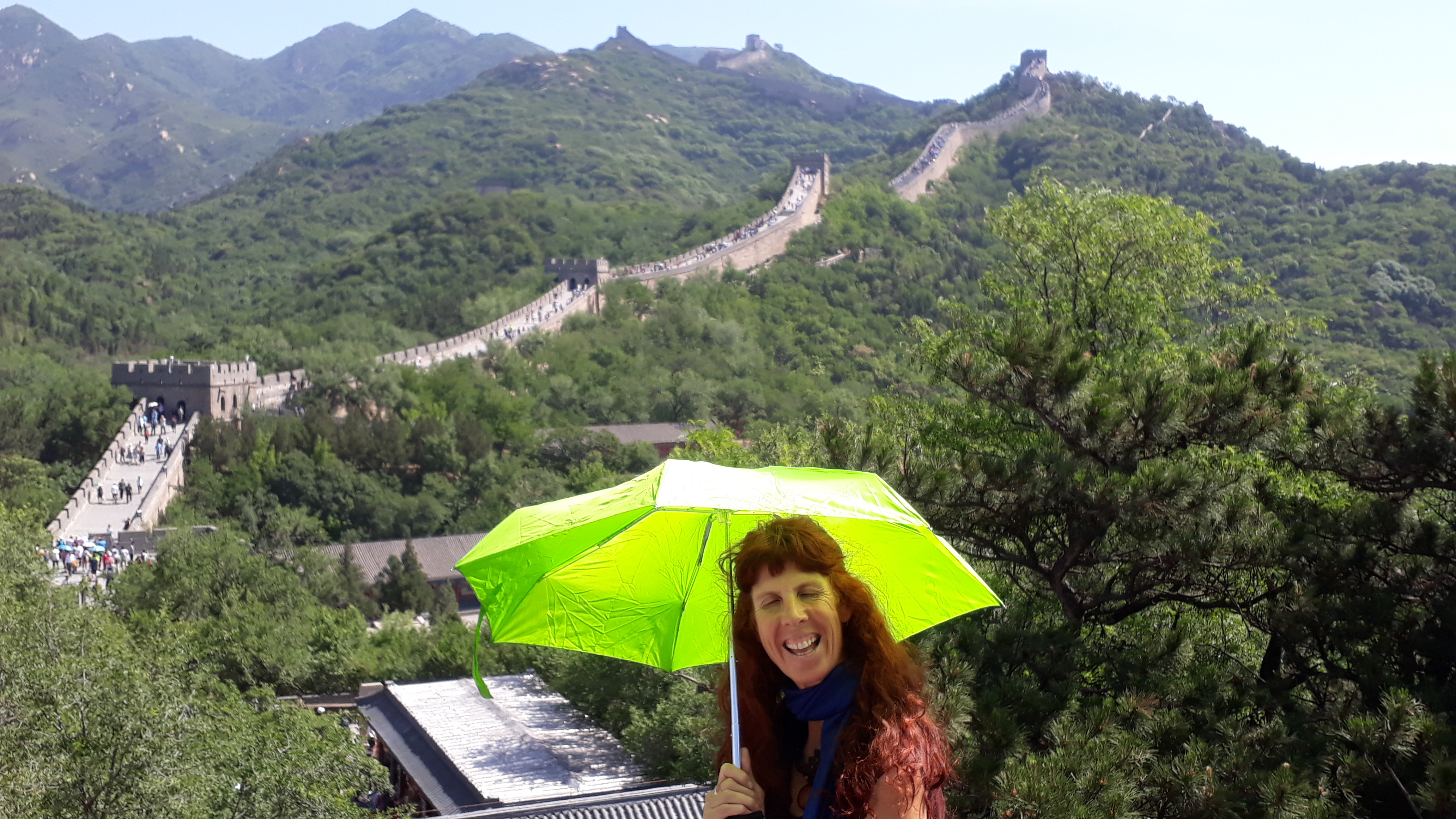
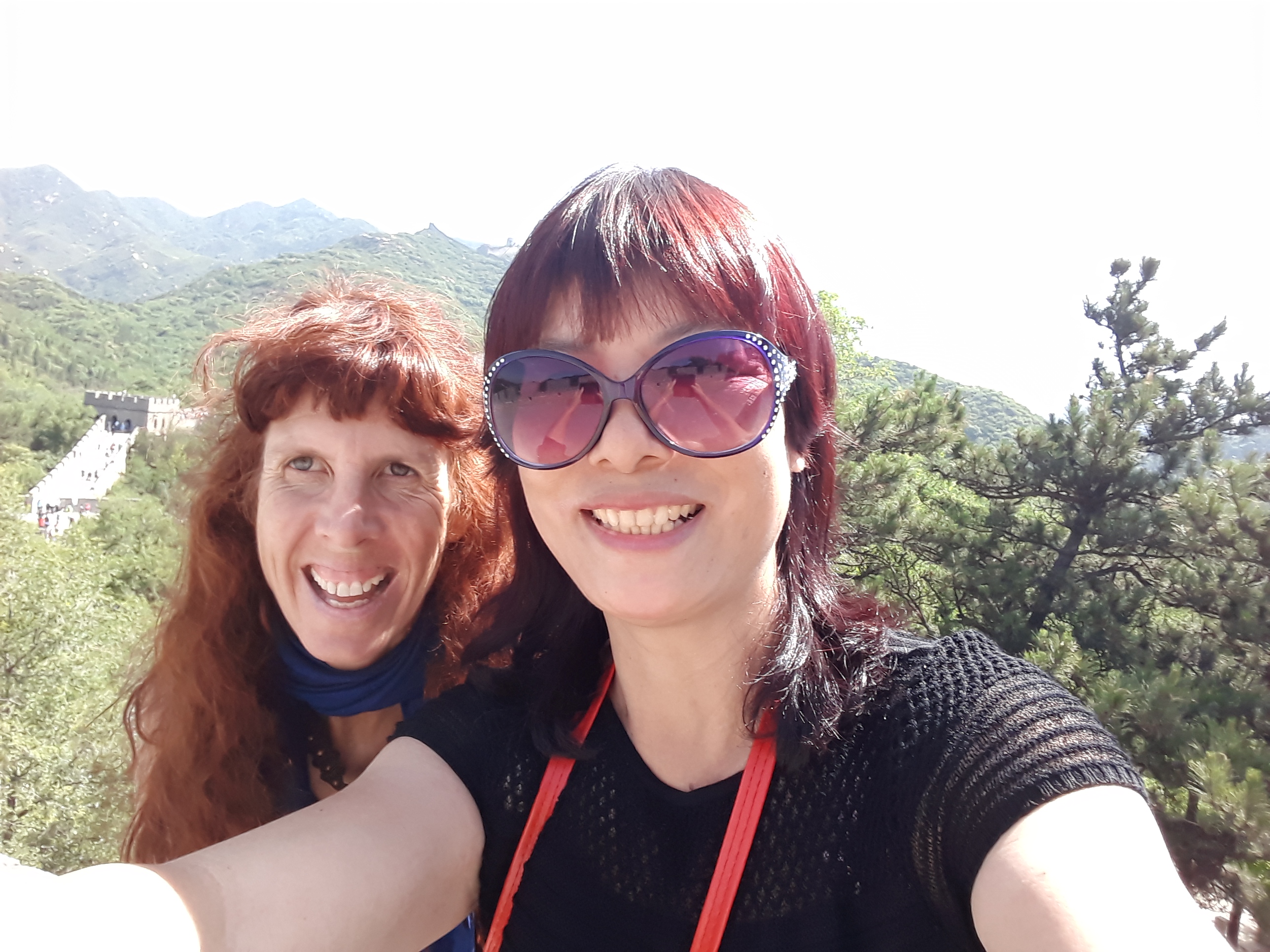
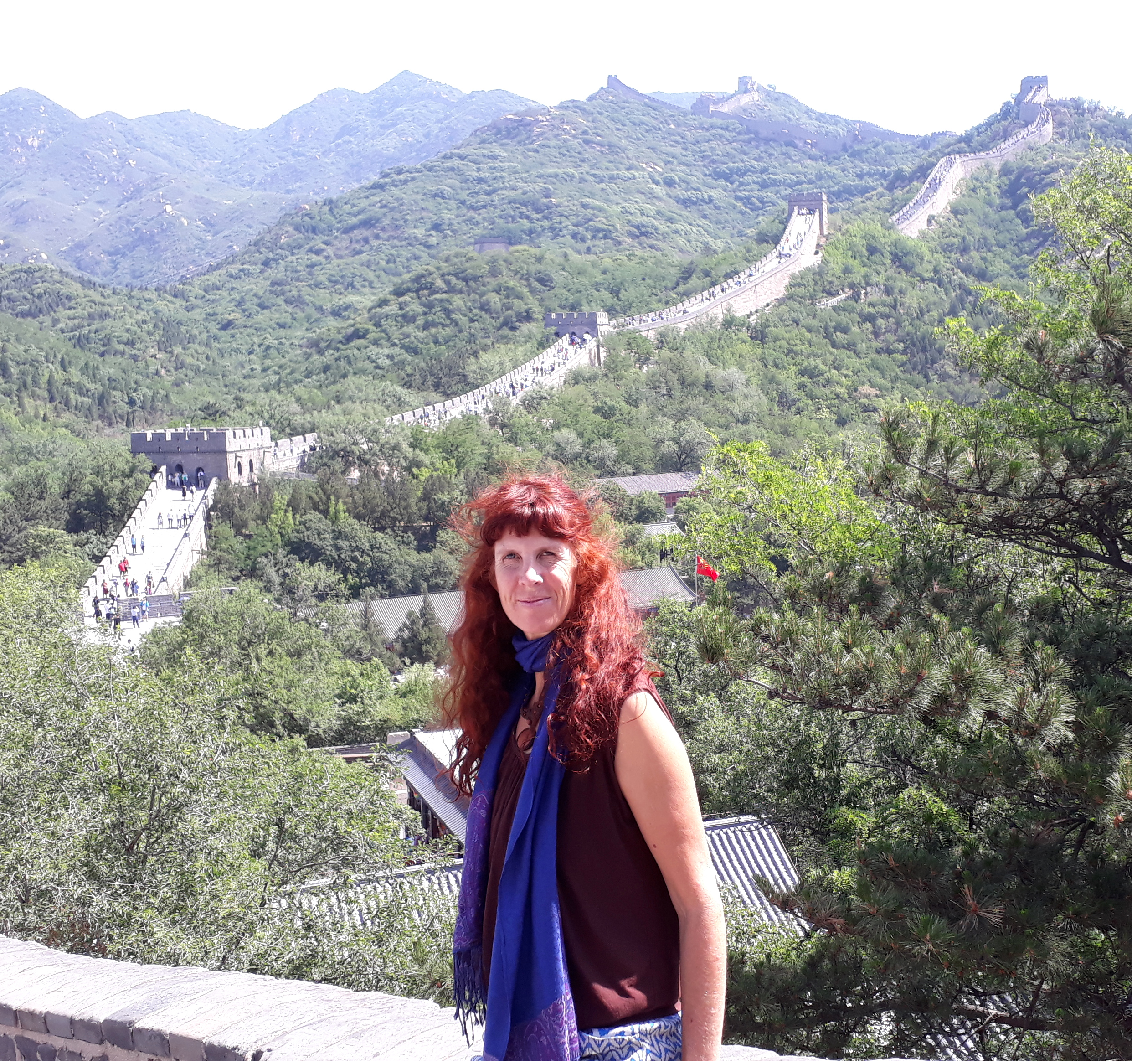
The next day I found myself enroute to the Great Wall of China. Folks staying at the hostel had advised me to go. They said it wasn’t difficult or far. So, I made the trip. How to get to the Great Wall. Take the line 2 subway at Qianmen station. Jishuitan station, eight stops on dark blue line, exit and then take the 877 bus. Evidently the south side is quieter. It was very hot, so I actually didn’t walk very far once on the wall. But I had made it! And yes, it is impressive.



Tiananmen Square and the Forbidden City 紫禁城
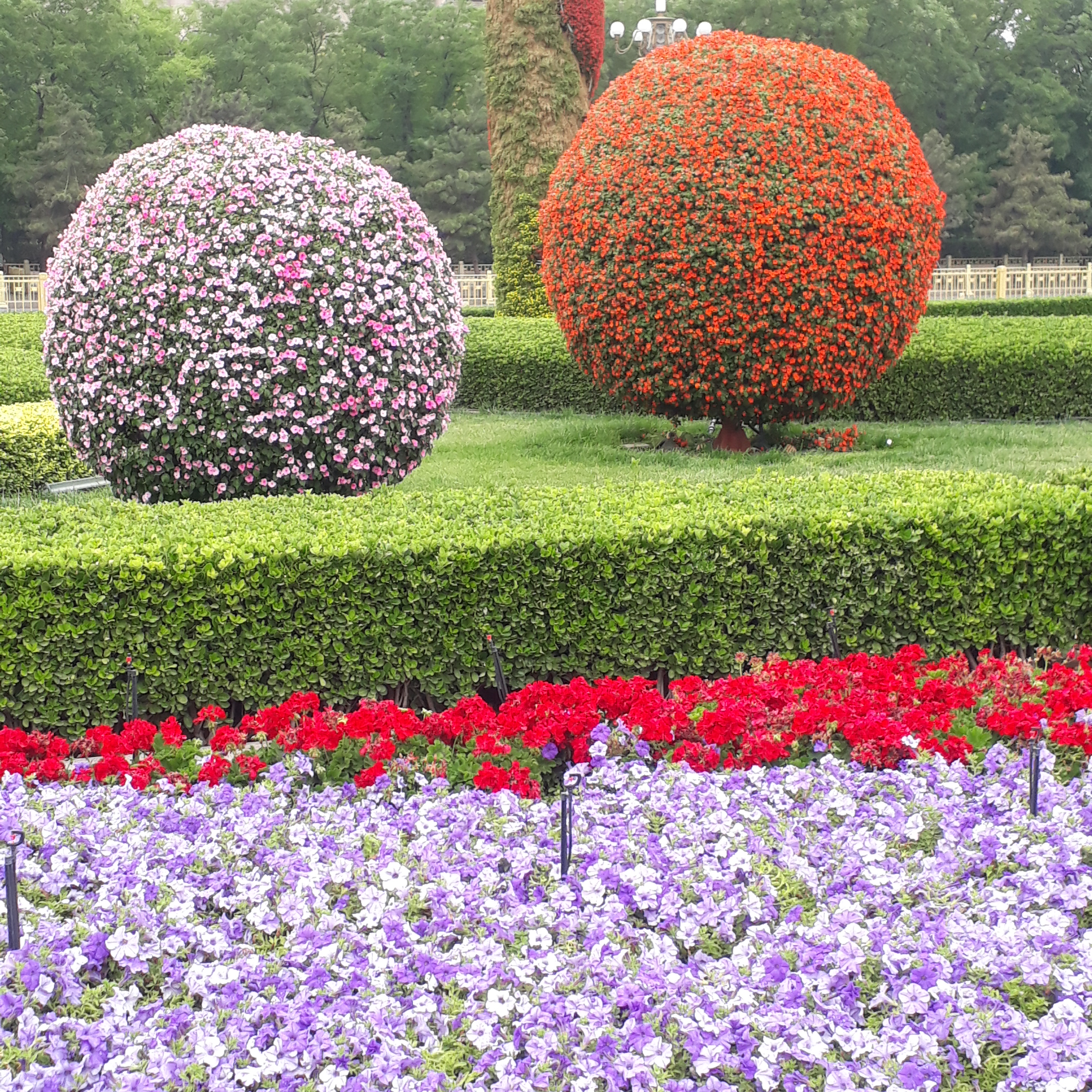
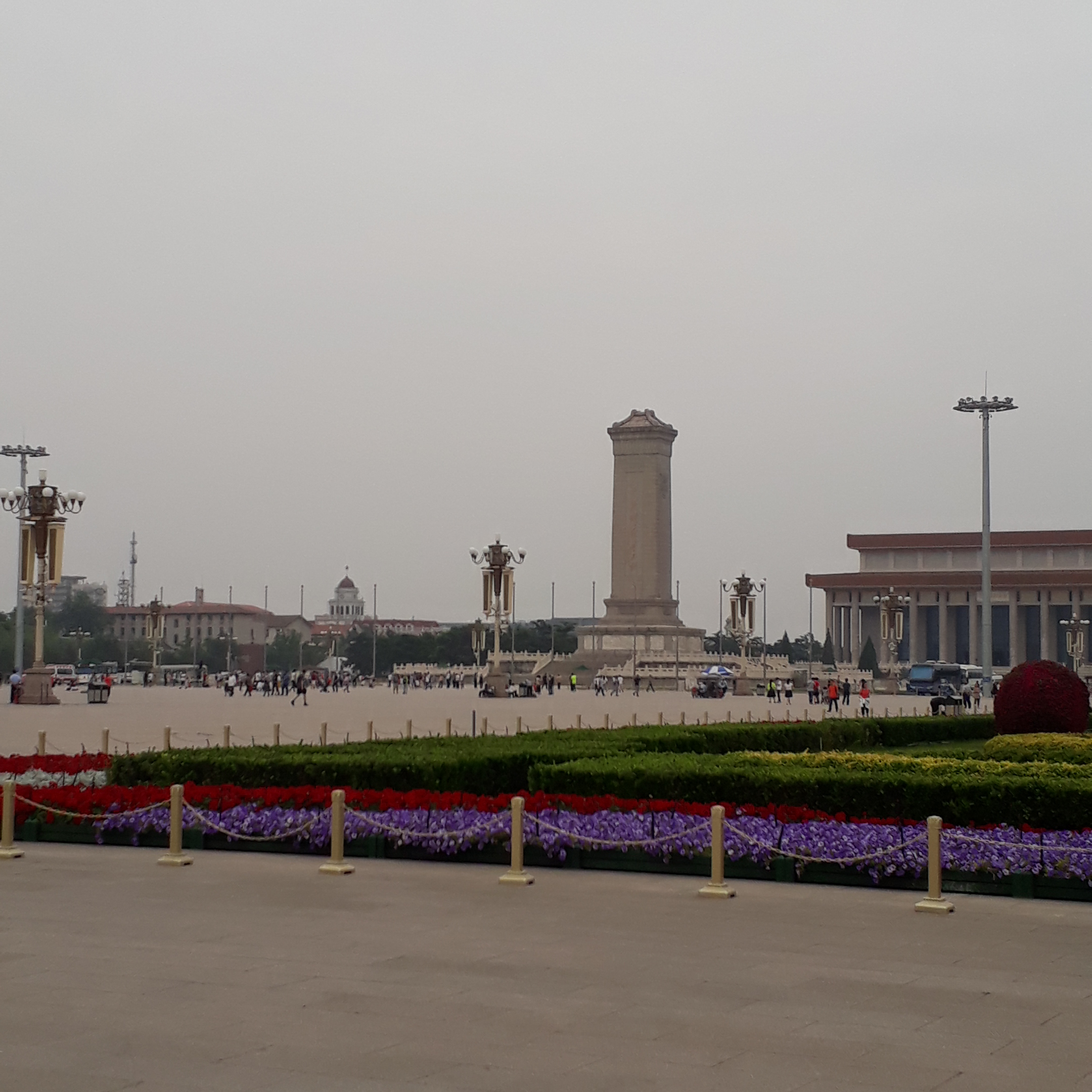
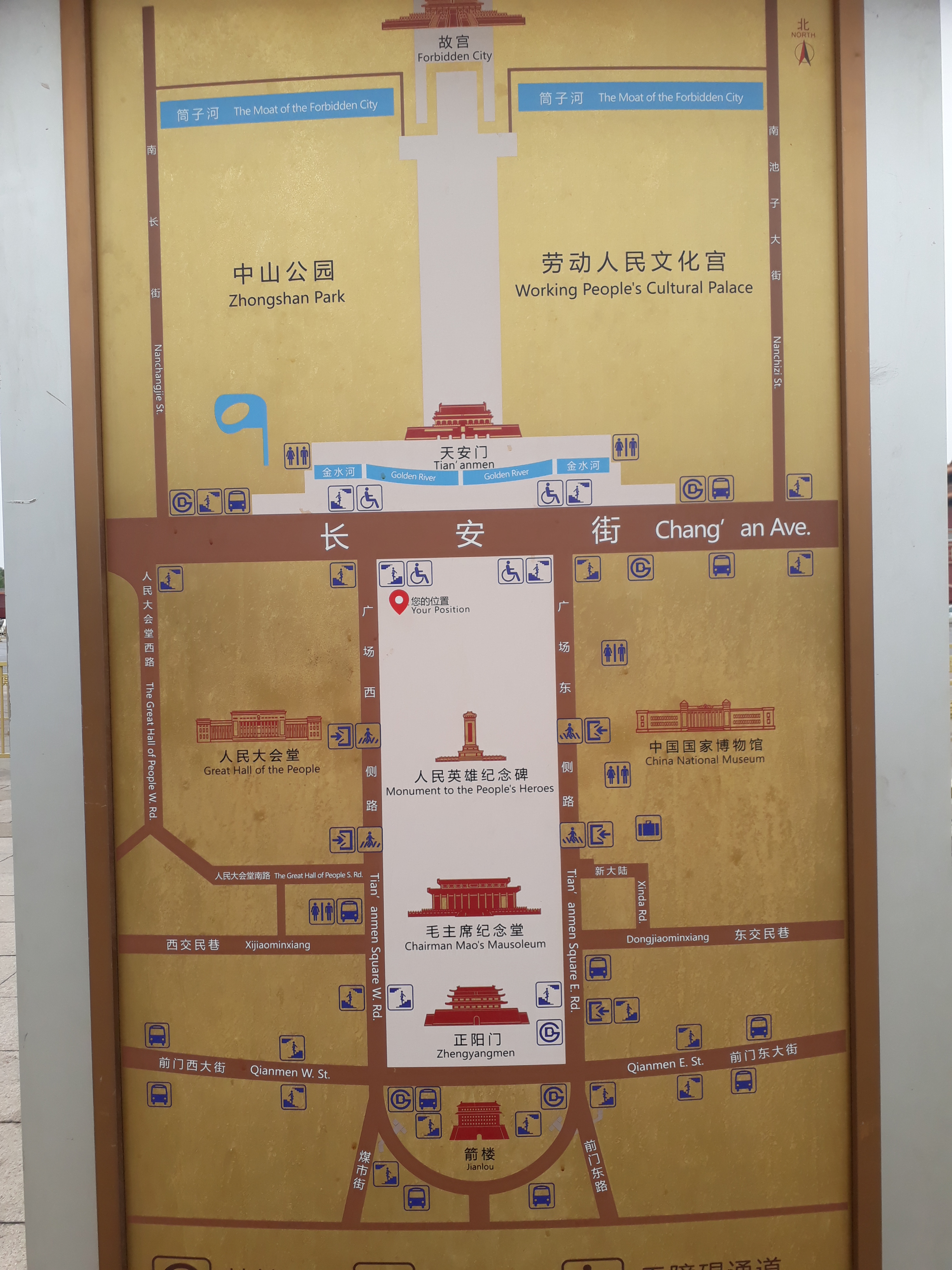
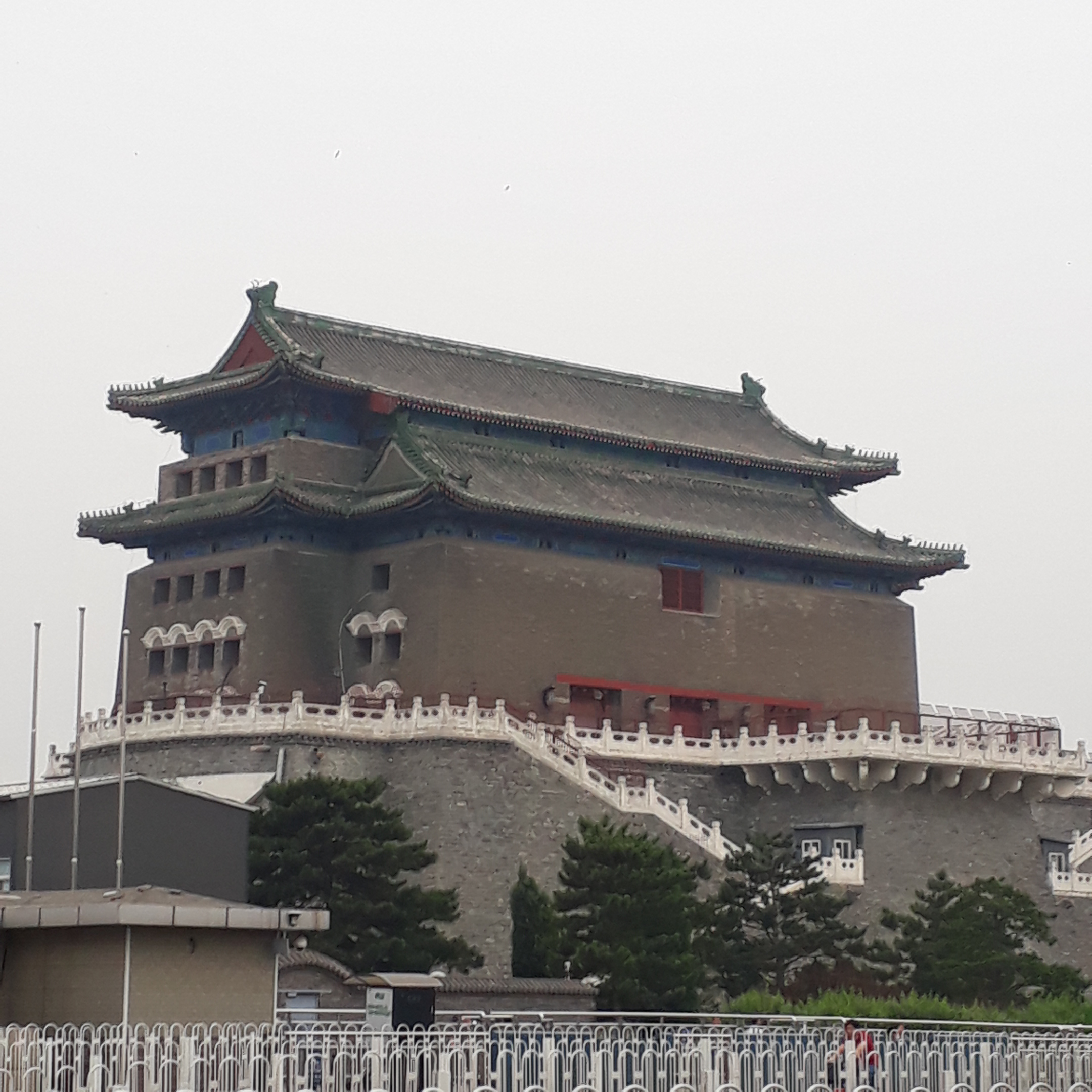
Also in the centre of Beijing is Tiananmen Square. Named after Tiananmen (Gate of Heavenly Peace) located to its north, which separates it from the Forbidden City.
The Square contains many monuments as well as museums, such as the National Museum of China. It is of great cultural significance being the site of many important historical events. In more recent times, this square is known in the time of protest. And unnecessary massacre in 1989, that ended with a military crackdown.
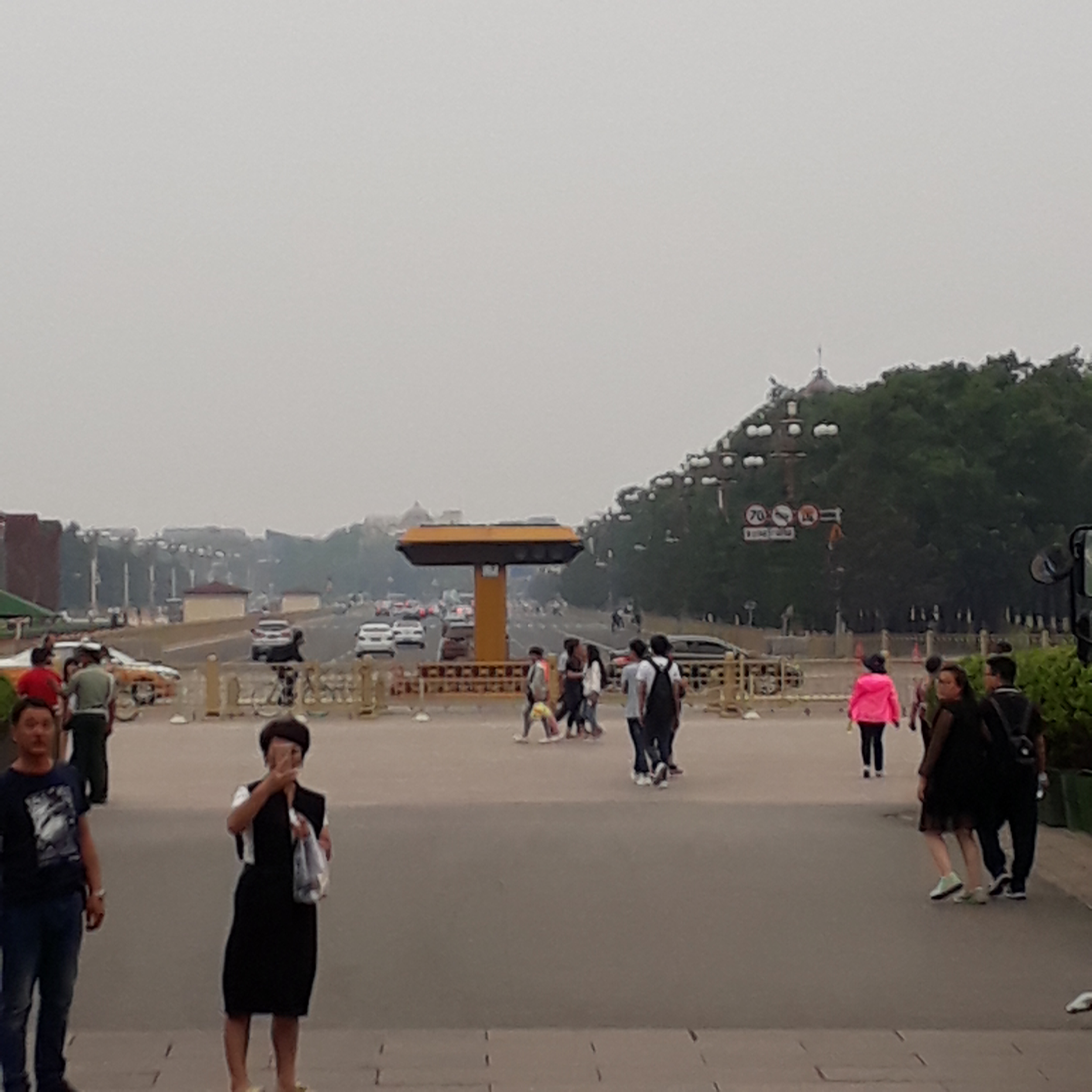
It was a humid day as I walked through, I made a short LL recording in the square here
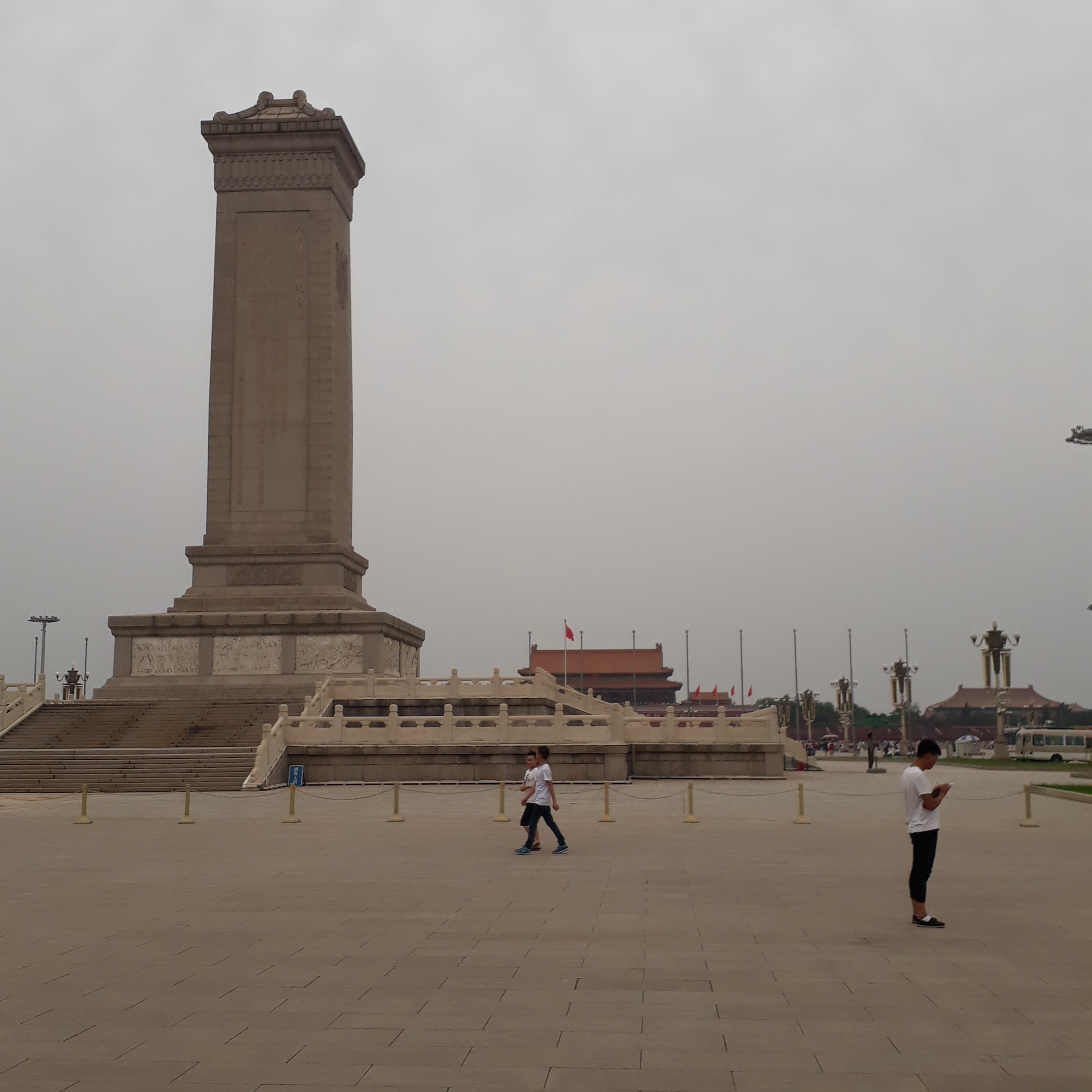
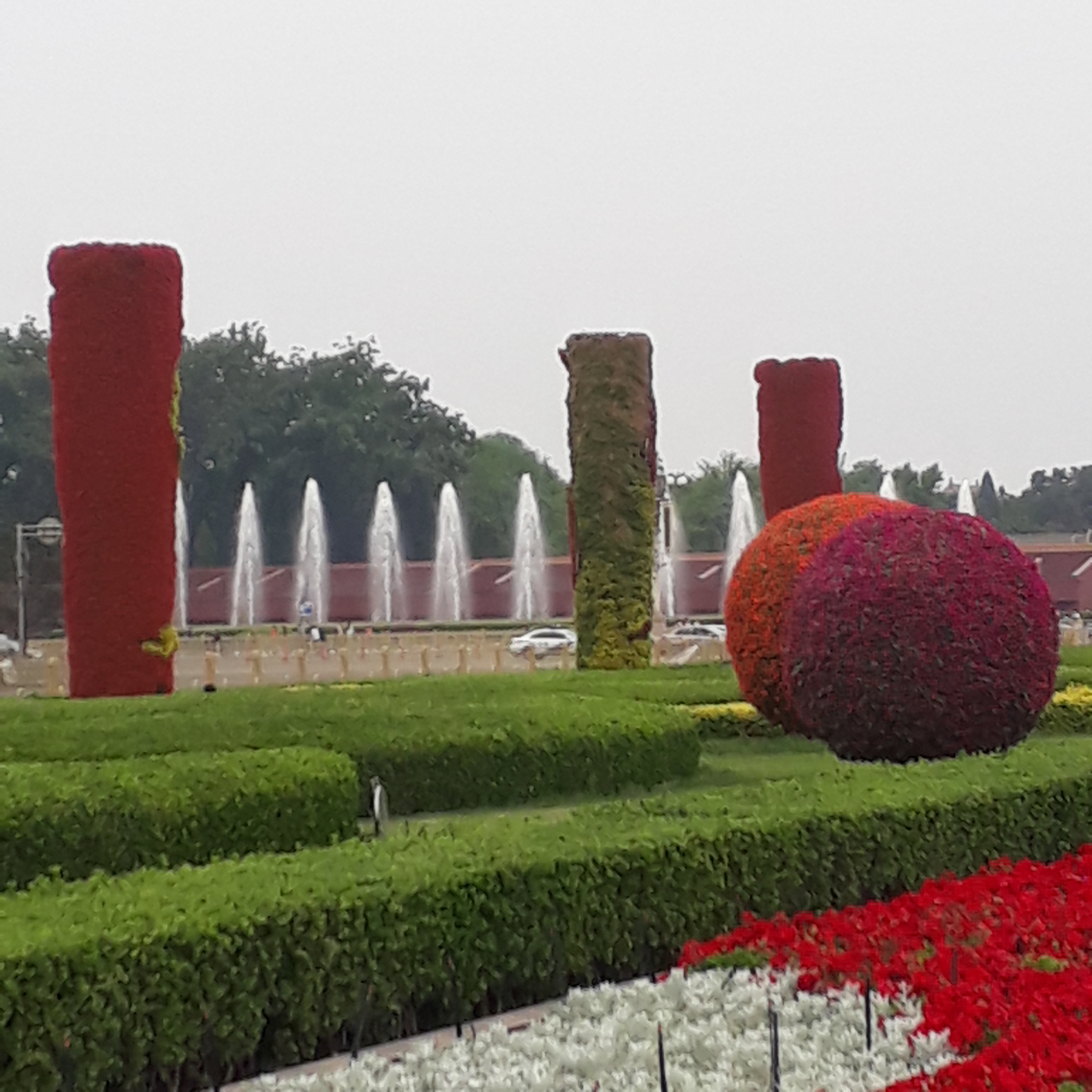
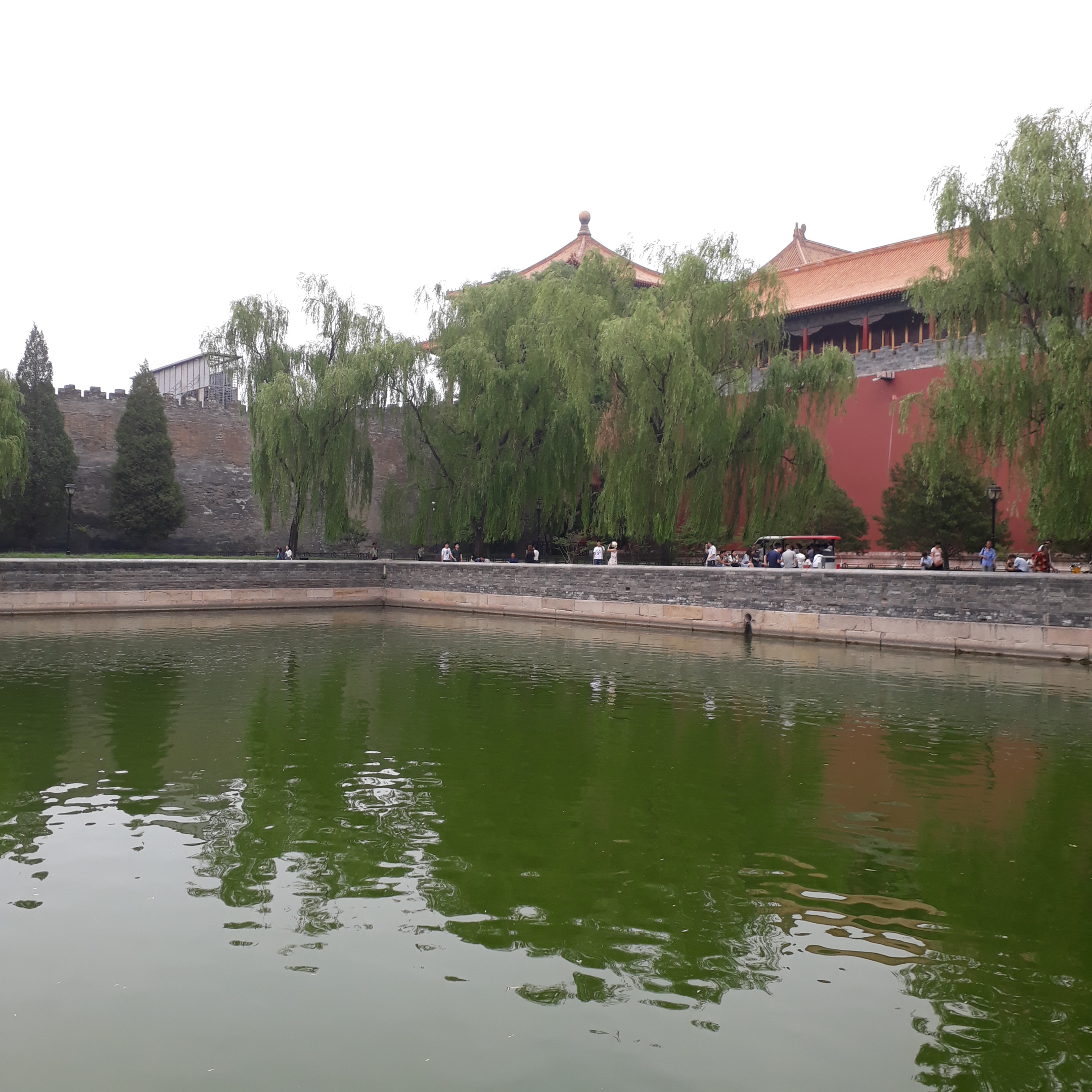
Just beside the square in the Imperial Centre of Beijing is the Forbidden City. It is a palace complex surrounded by temples and opulent gardens. The complex claims to consist of around 8,704 buildings in total, encompassing 9,999 rooms and covering 72 ha/178 acres.
The Forbidden City was constructed from 1406 to 1420. It served as the home of Chinese emperors. It was the ceremonial and political centre of the Chinese government for over 500 years. The Palace Museum has been in charge since 1925. Its extensive collection of art and artifacts is built from the imperial collections of the Ming and Qing dynasties. It has been declared a World Heritage Site.
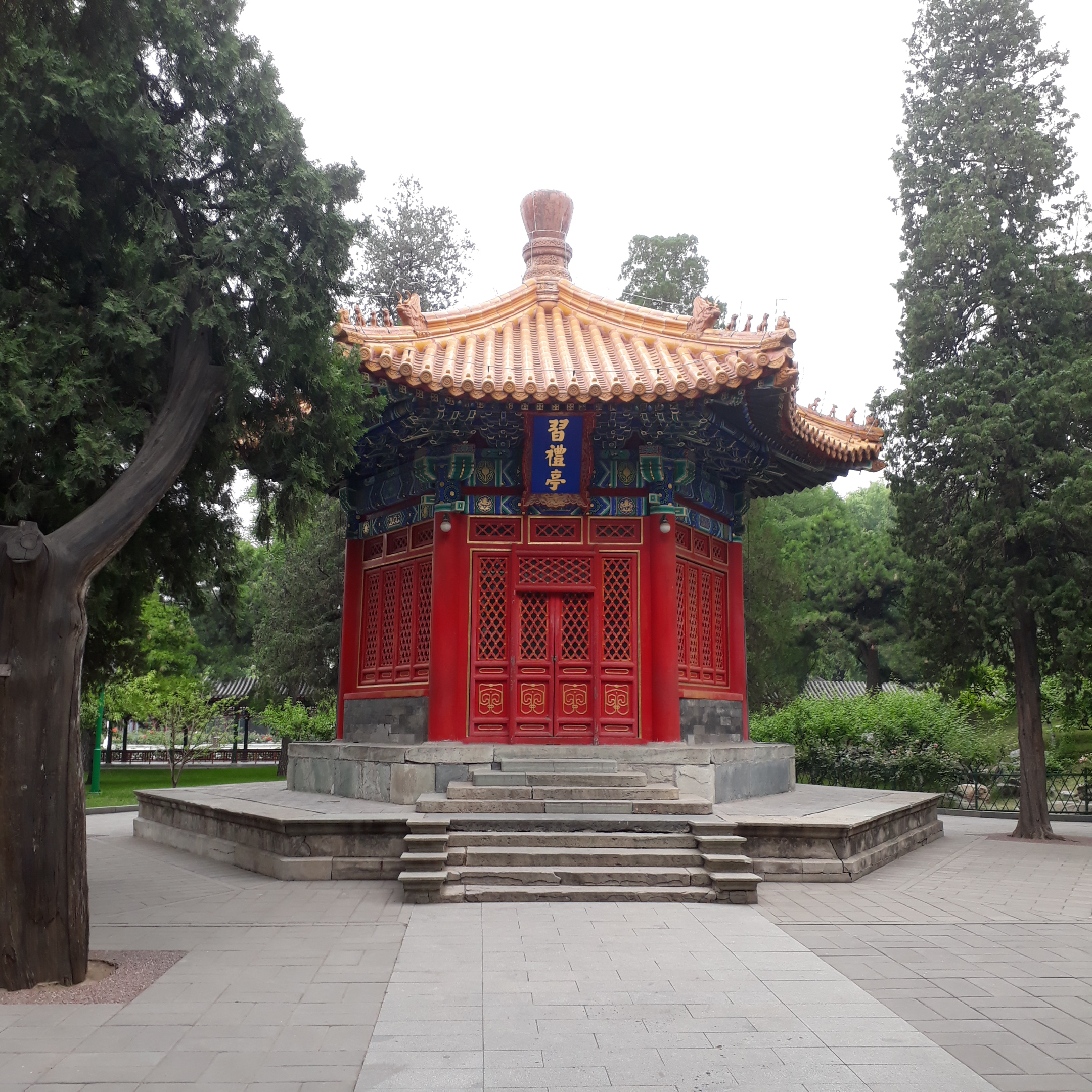
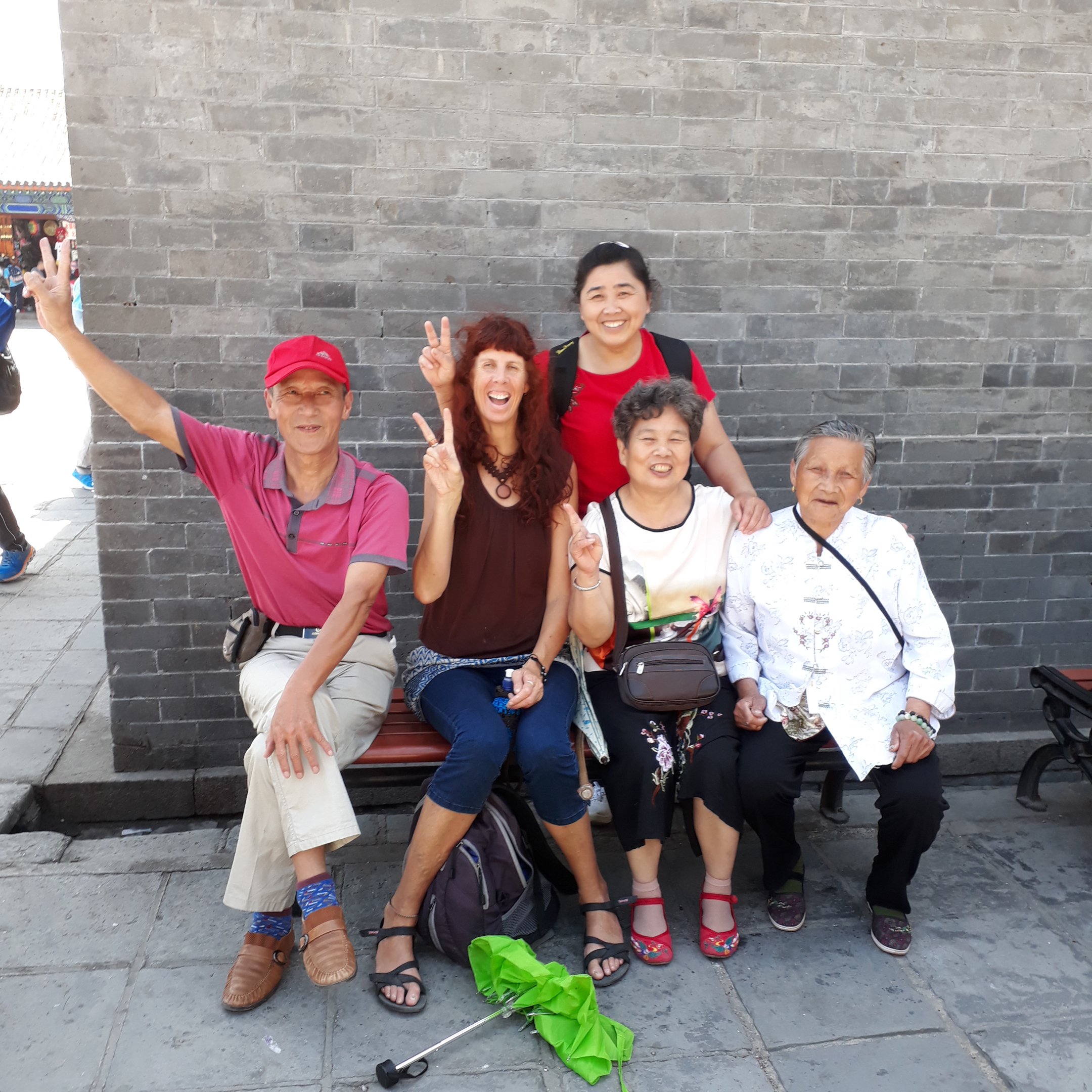
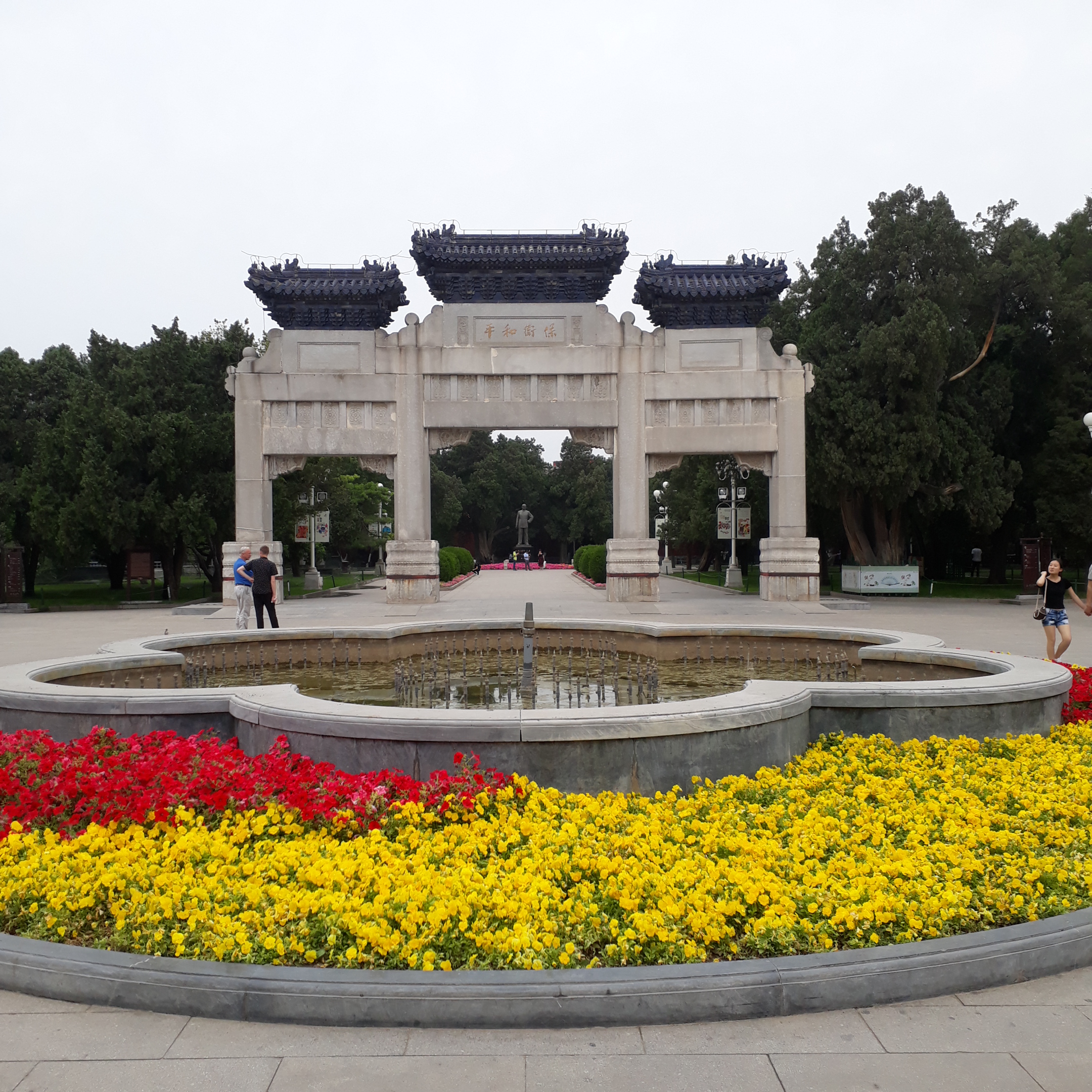
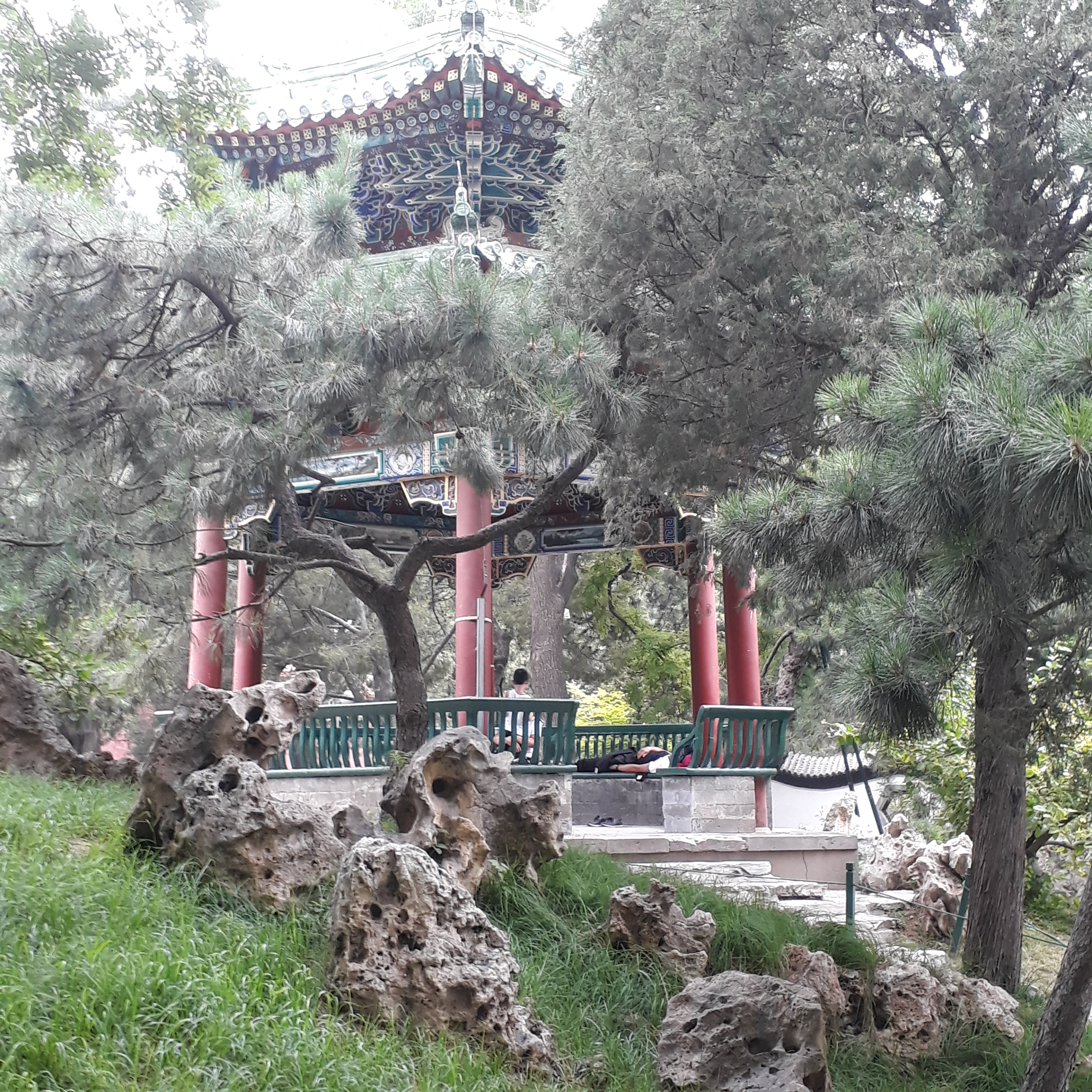
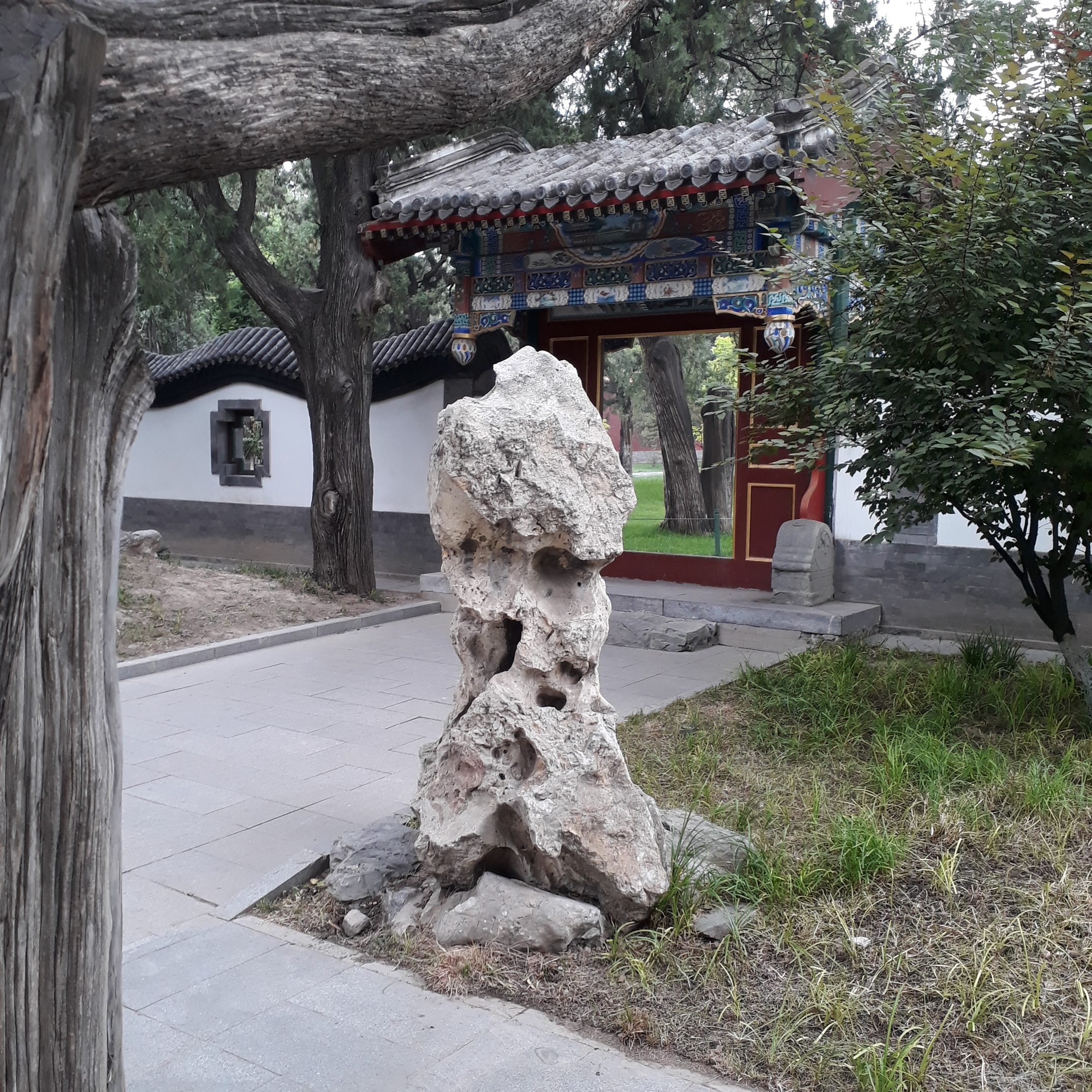
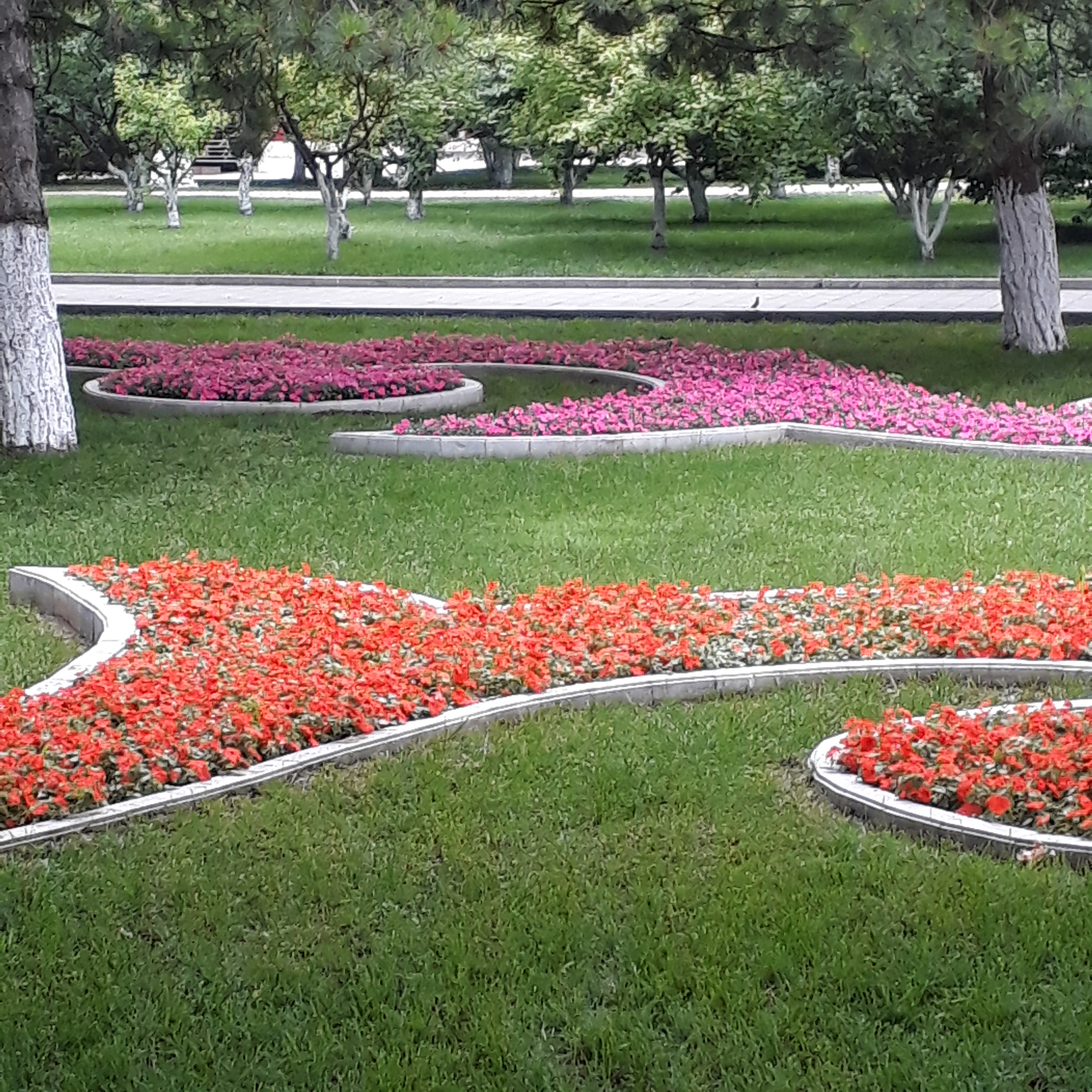
One of these gardens is the (22 ha) Zhongshan Park, the public park that I enjoyed spending some time exploring. Within this park, is Changqing Garden, where I buried a magnetic pearl under a rock. Ironically, even though I was the tourist in Beijing, some Chinese people wanted to take my photo. I’m guessing it was because of my height. But also, as still in these times, many don’t Chinese people get to travel or see many foreigners.





6 June, had paid for a day bed at the hostel, so had a pseudo sleep before an early 2.30 am flight, with Aeroflot to Berlin. On this flight, I was sitting beside a friendly Chinese man, whom spoke English. He told me stories of his family and how hard life had been living in China in dictatorship.
 With Ease