Cancun
The Mayan Sense of Time
31 October – It was a long day of flying, up at 3.45 am, as flight left La Paz, Bolivia at 6.25 am. The American Airlines flight stopped in Miami, for a four hour change of plane, arriving in Cancun at 19.40. This was the first stop on my trip where I didn’t have a hostel booked. Like a true practical Capricorn, I had a researched backup list with me. I met two lassies after I arrived in Cancun. I chummed it along with them and we caught the airport bus together to the hostel they were staying at. The name of the hostel translates as ‘Maya World’. It was in downtown just near the bus station, and 150 pesos a night for shared room. And heck, the heat of Mexico all of a sudden. Sleeping in a sheet. Covering yourself in natural bug balm insect repellent, with a fan going in the room the whole night.
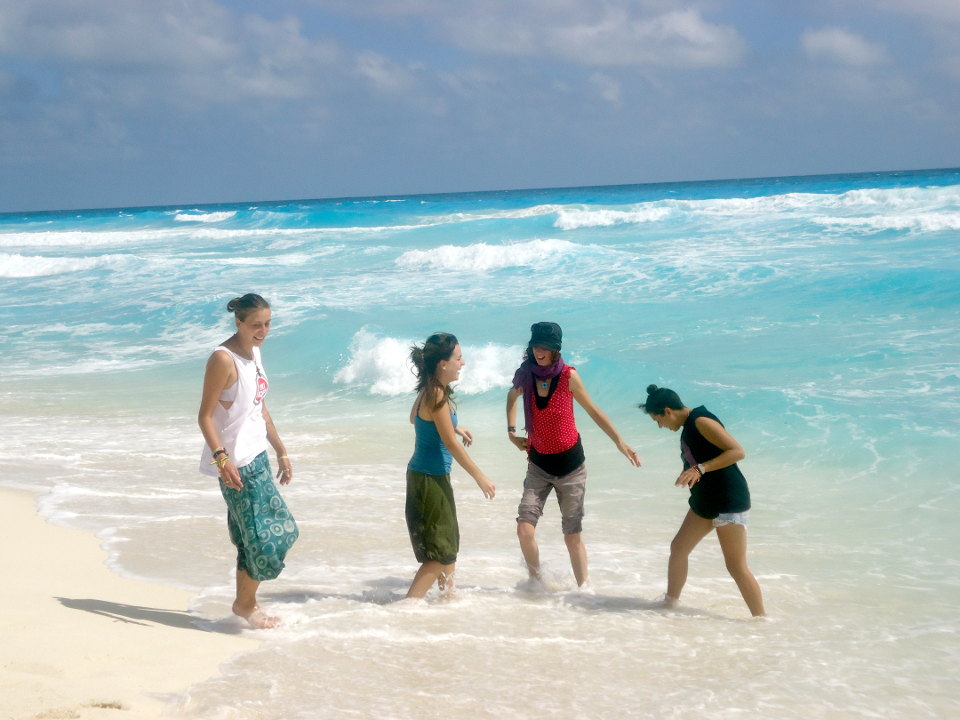
The next day in Cancun, four of us caught the bus to the beach. And it was only a twenty minute bus journey this time. Then it was upon us, this amazing blue of the Atlantic ocean. A few of us went for a swim, I lent one of the lasses my togs. I had to get in that water, it was crashing surf, so we didn’t stay in for very long.
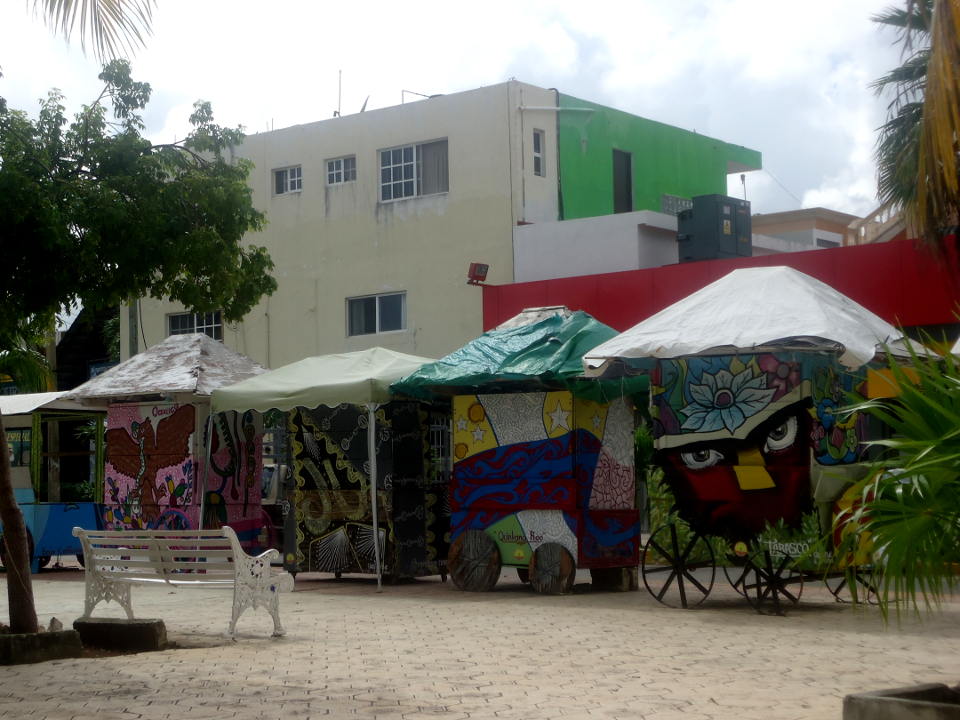
Afterwards we all went to the bus station to book busses to different locations we were heading to. I booked buses to Chichen Itza, Oaxaca and Palenque. The lady at the counter helped figure it out. To make the destinations and distances work, in the small window of time frame I left open. I have never eaten Nachos so huge as eating them in Mexico. We enjoyed eating at an outside food market square near the hostel.
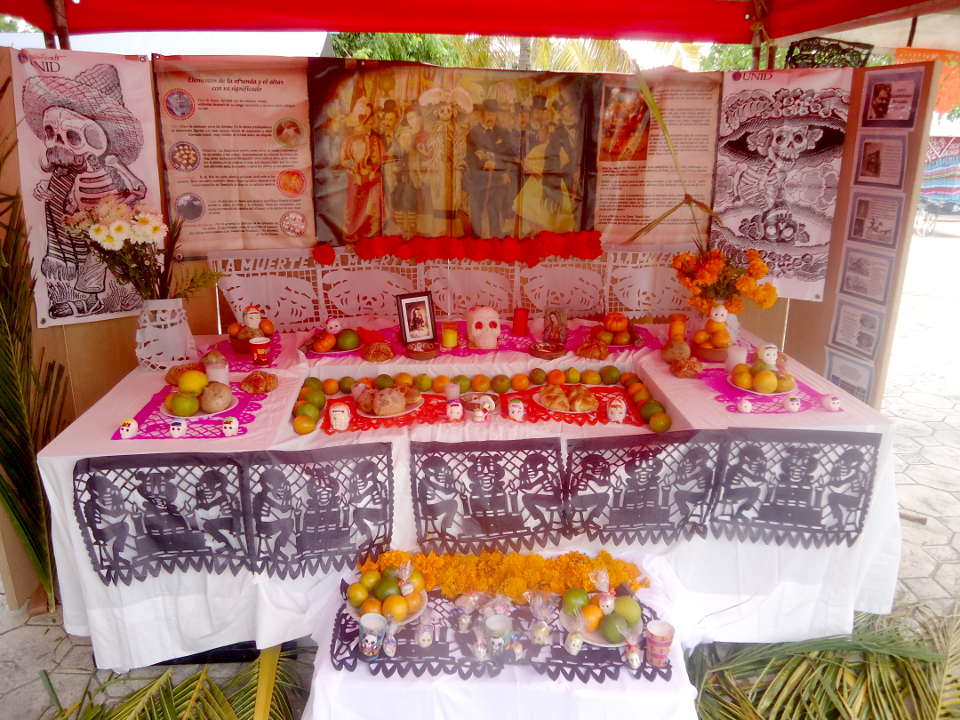
It just happened to be the time of the day of the dead. And so the market was full of stalls celebrating this day. Thought the timing was good here to arrive on these important days in Mexico life.
Then I left at 4 pm on a bus to Chichen Itza. I really had to get started to make time to squeeze in everything in my Mexico ‘to do’ list.
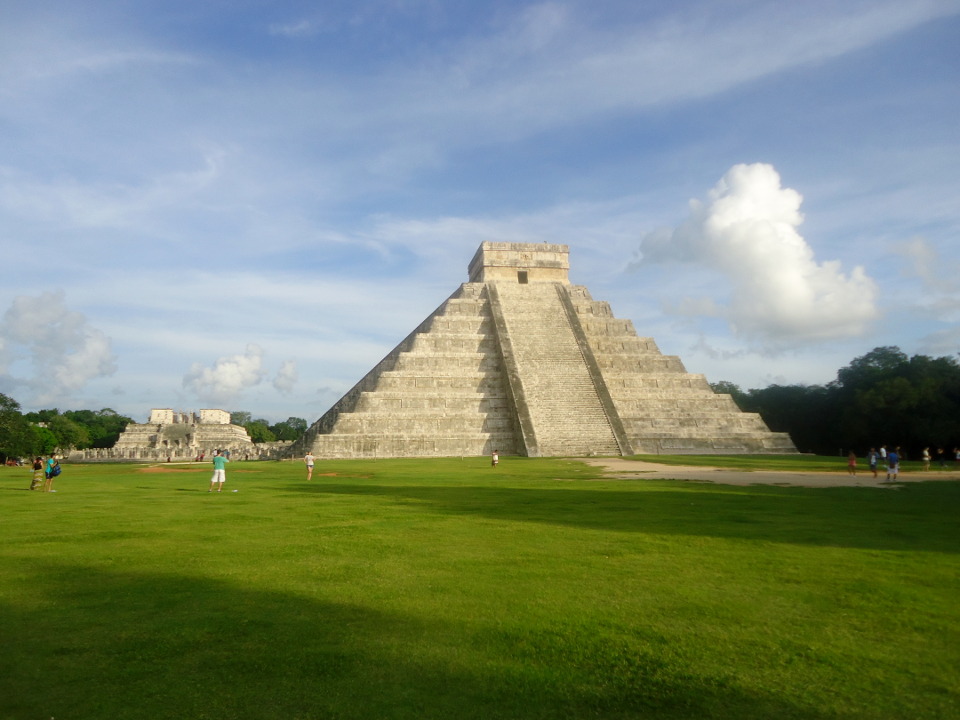
Chichen Itza
Nov 1 – Arriving in the evening to the town of Piste, after a 4 – 5 hour bus journey. I stayed at Posada Olalde, and they were expecting me. It was 250 pesos ($25NZ) a night. With a room to myself with bathroom on a garden. Staying two nights, I found it really nice to stay there.
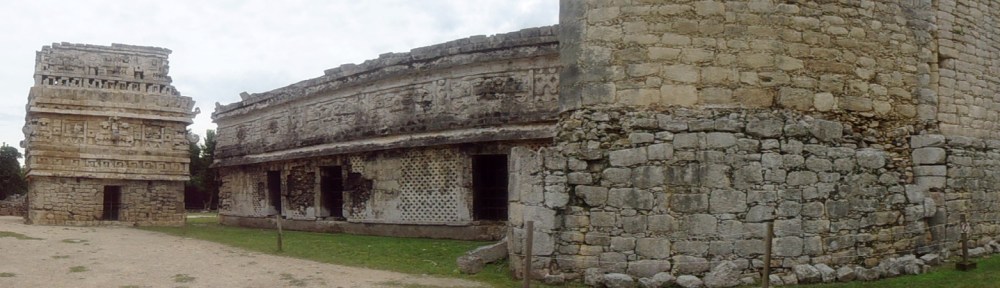
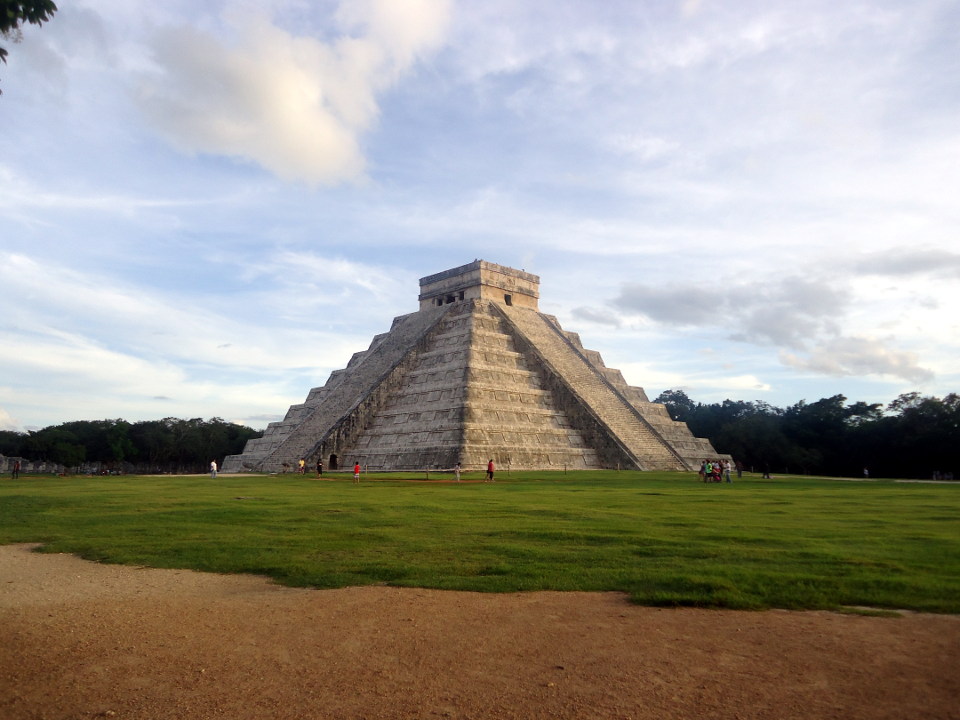
I walked to Chichen Itza and back the next day. As it is free entry just before it closes at sun down. Timing seemed good as it was a lovely evening, the hostel lady had given me the heads up on this. Walking there, stopping in at a local craftsman’s shop. I brought a handmade water bottle carrier, and he offered me a marriage proposal.
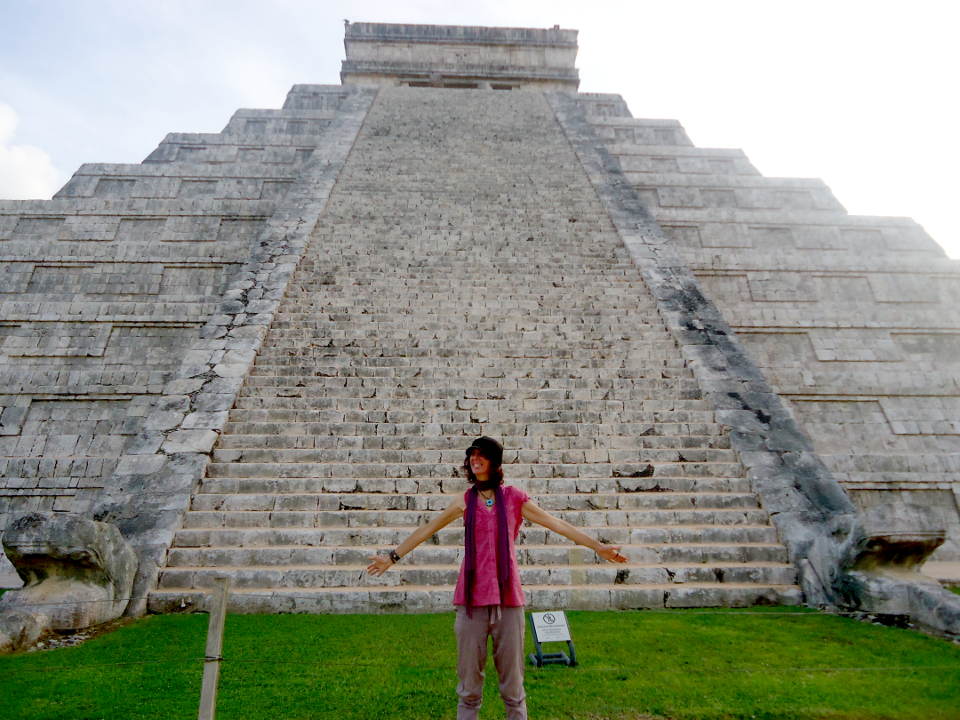
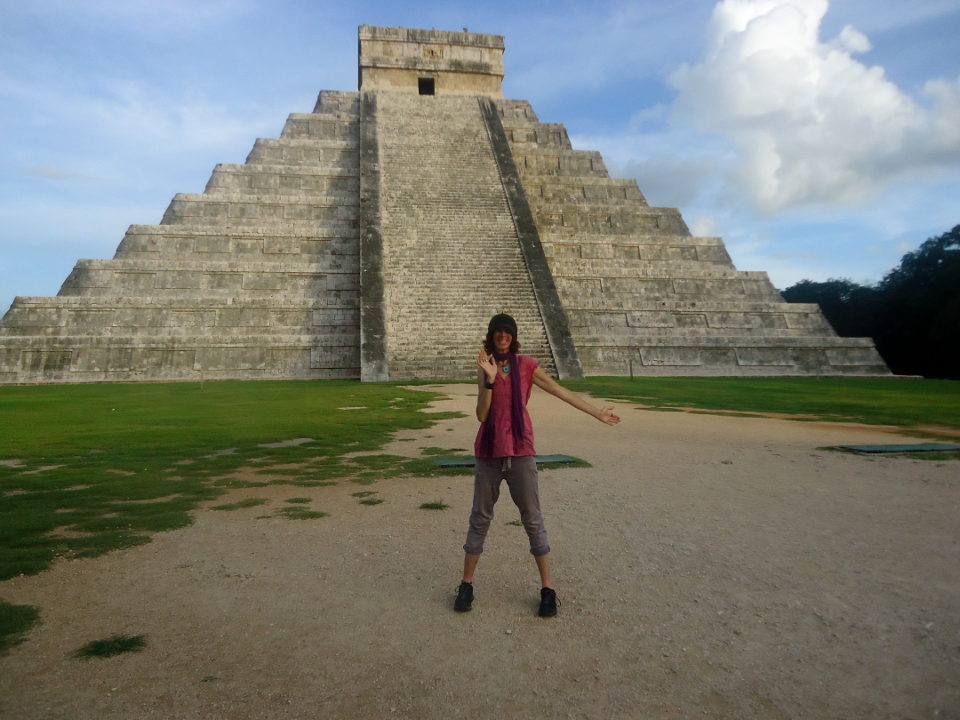
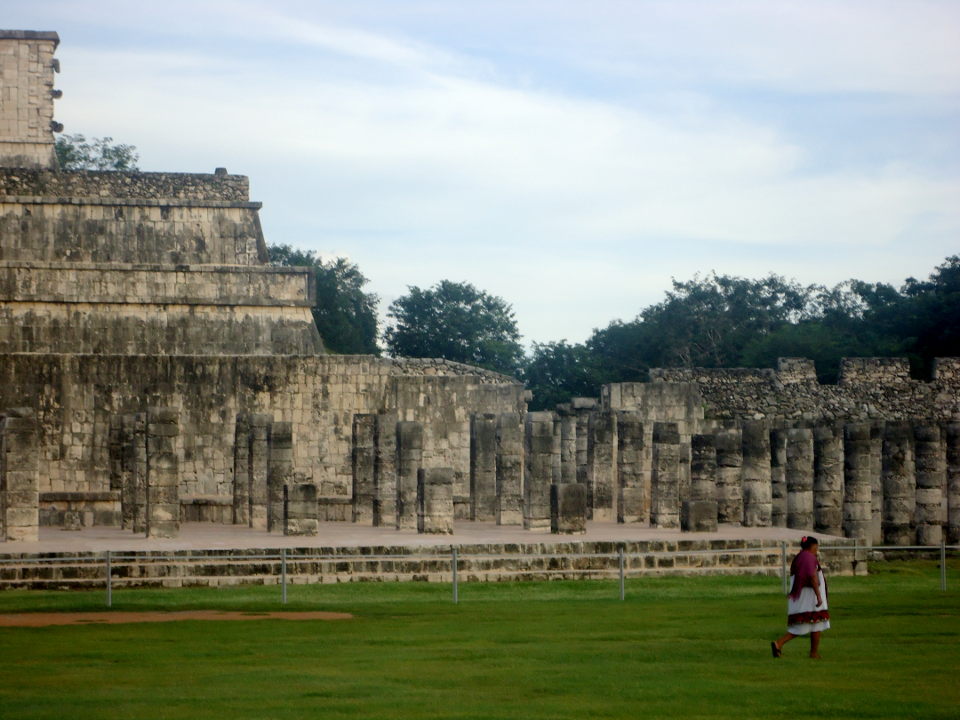
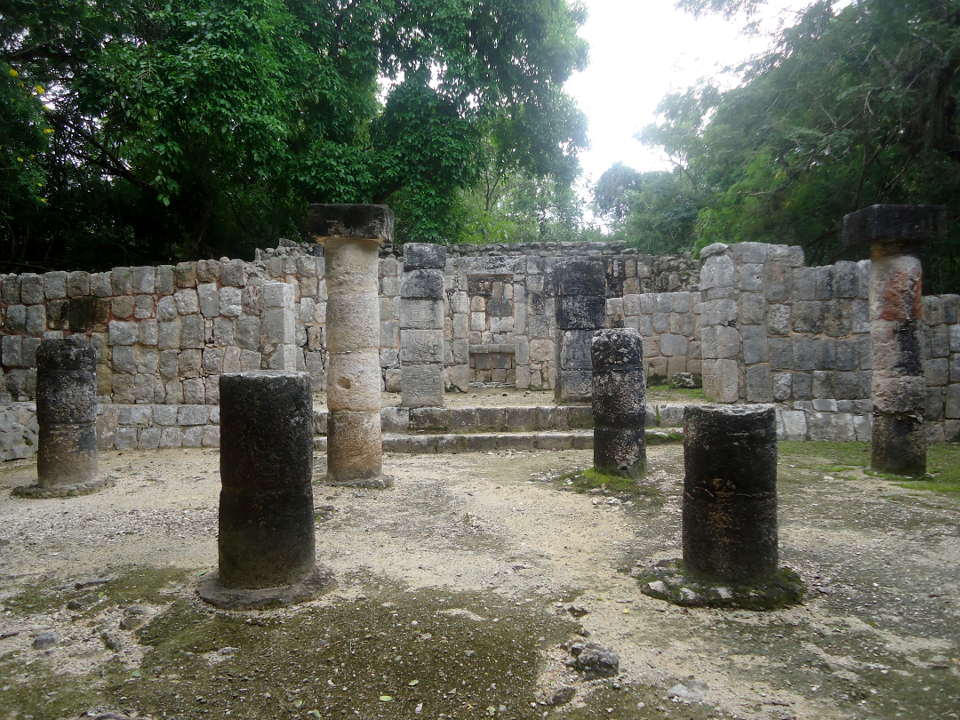
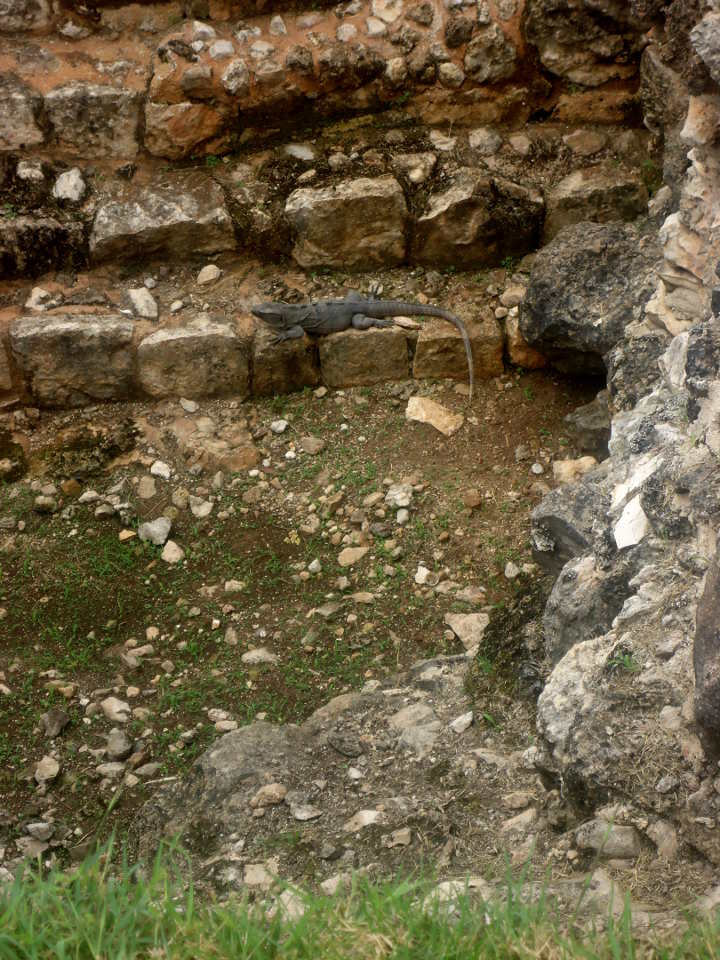
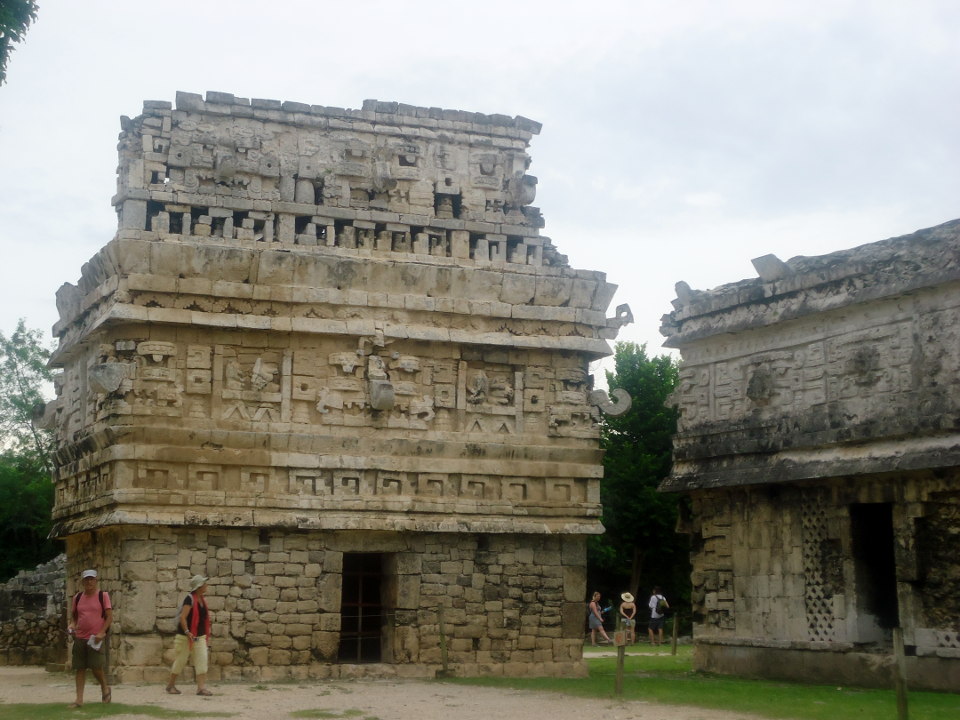
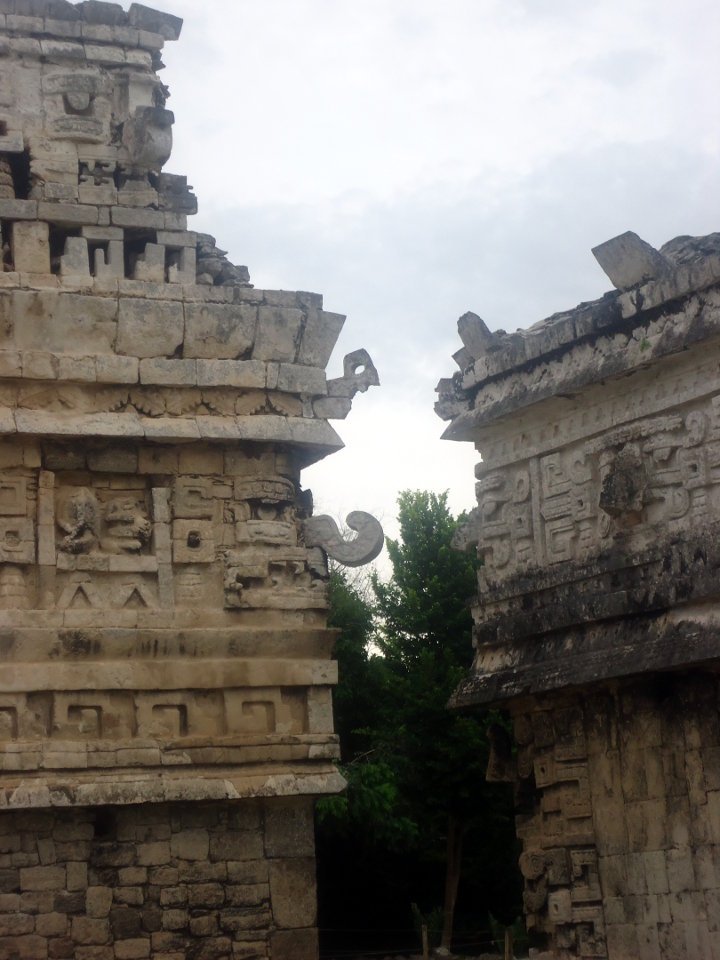
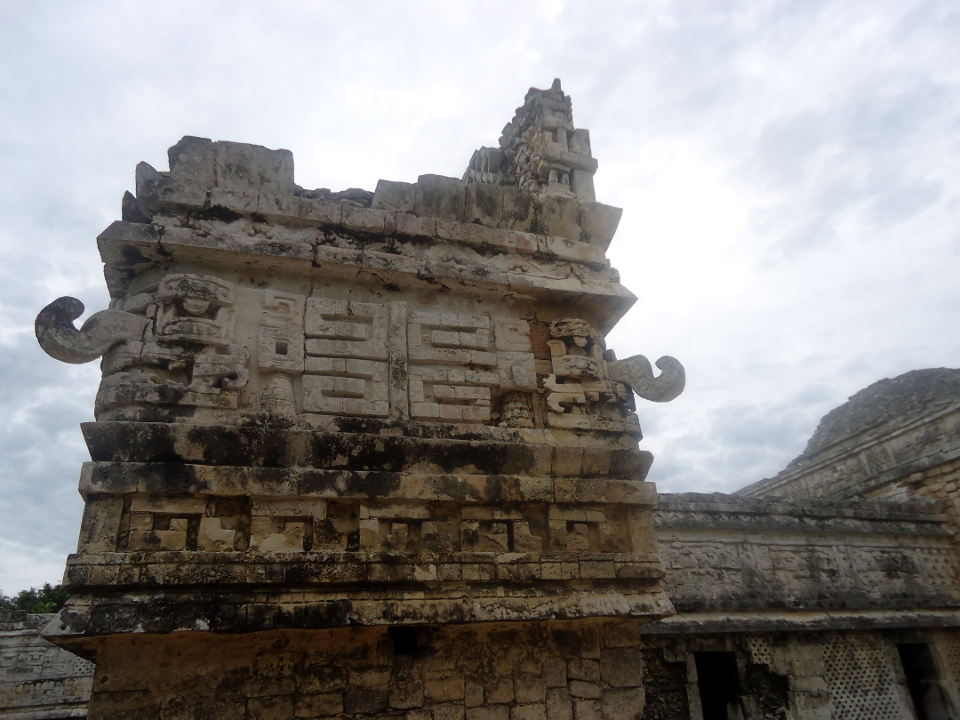
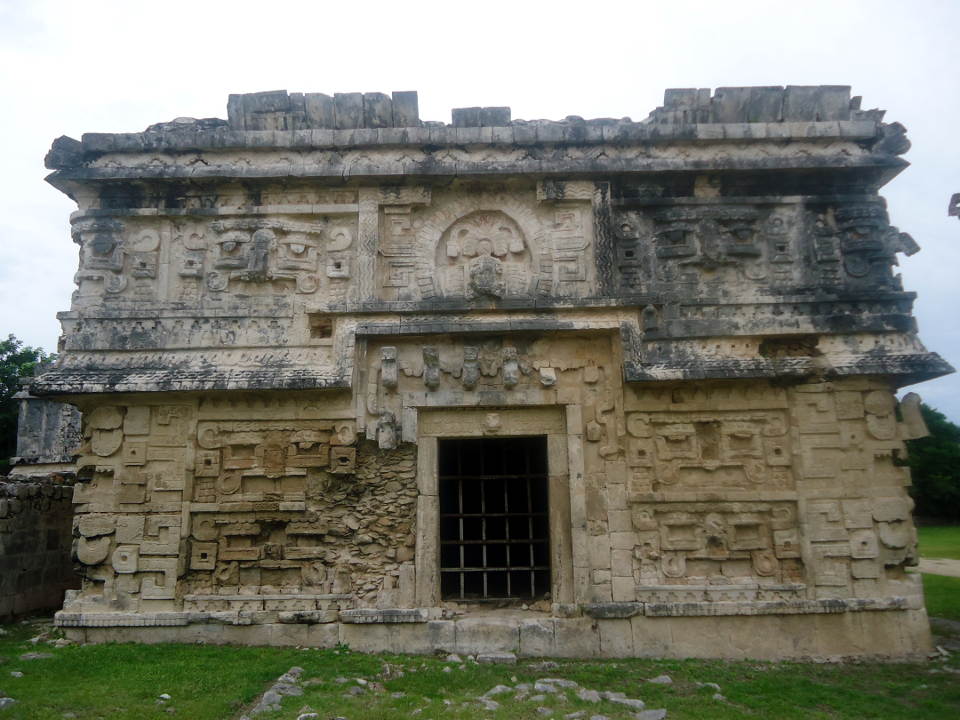
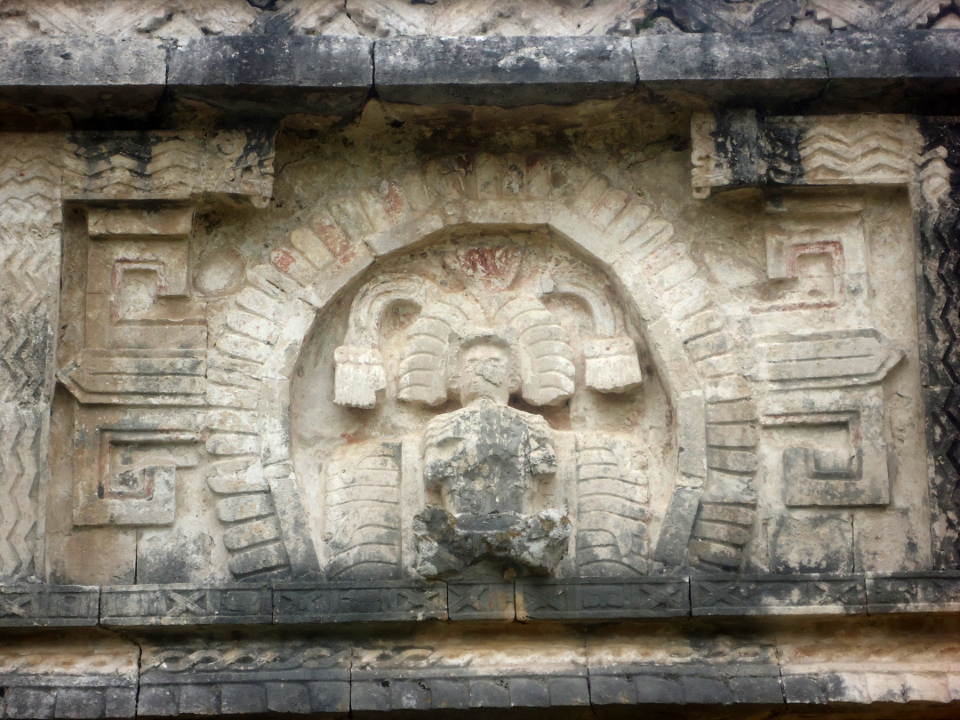
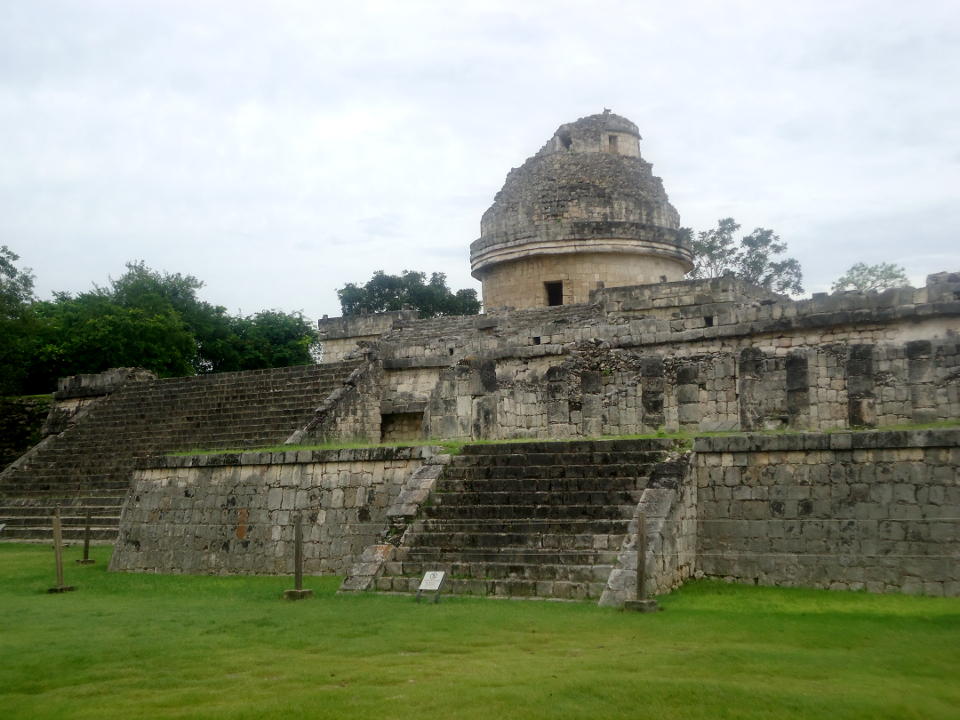
It seems that the meaning of Chichén is mouth of the well. And the next part of the name, Itzá refers to its founders, the Itzáes. The ‘water sorcerers’, in the 5th century AD. The next morning I got up early to go back to Chichen Itza, this time in a taxi. I hired a guide on this day and after the tour went back to certain spots to bring through LL. Also spending time at the colourful markets outside the entrance, and ate a wonderful meal at the restaurant.
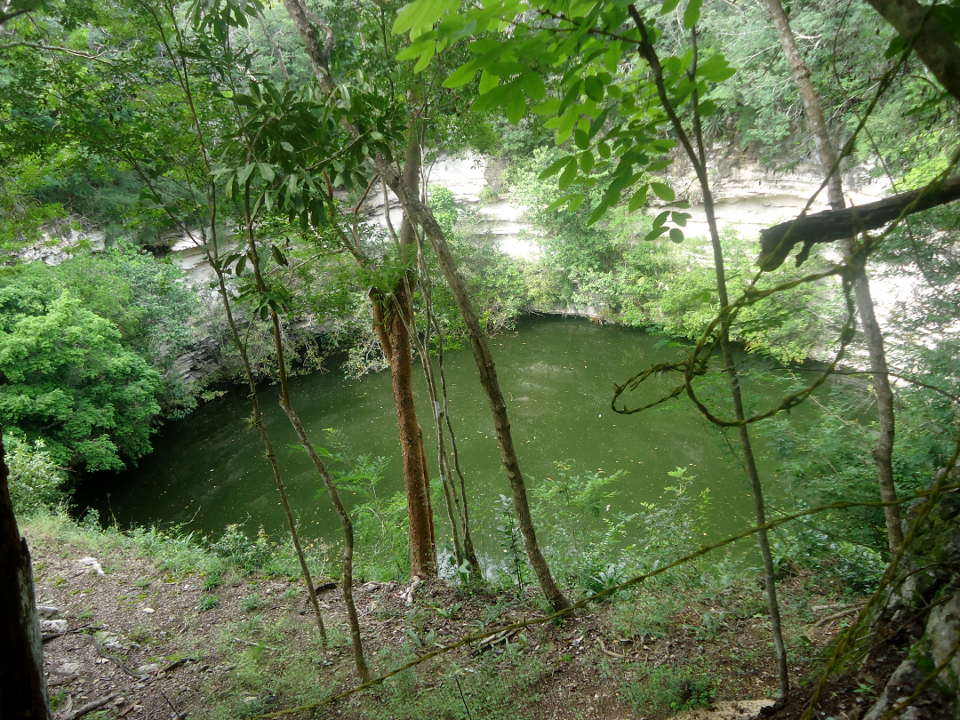
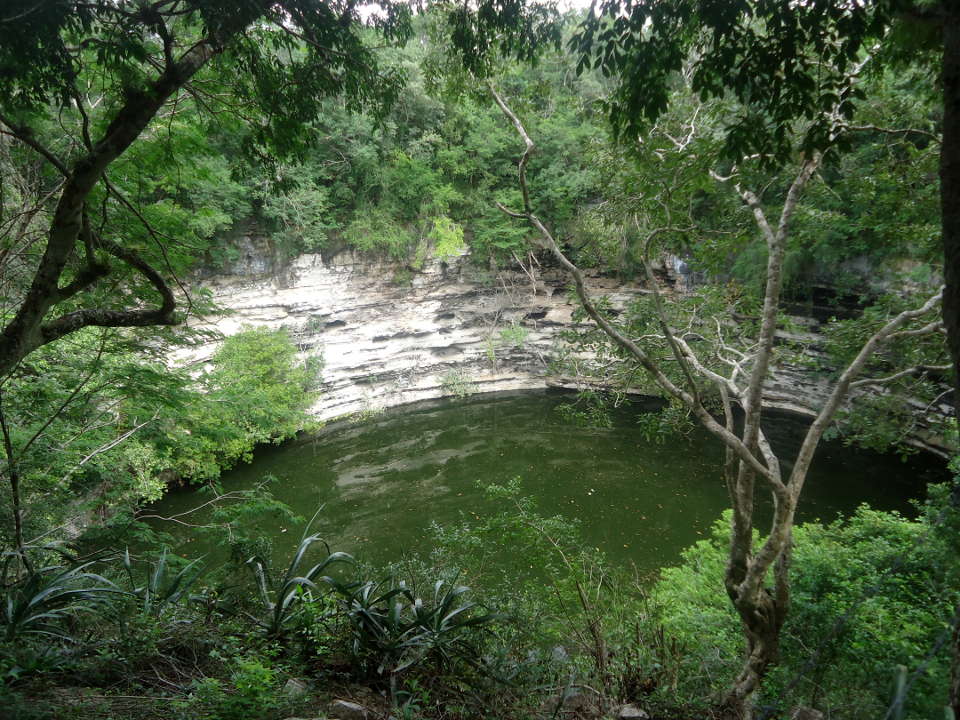
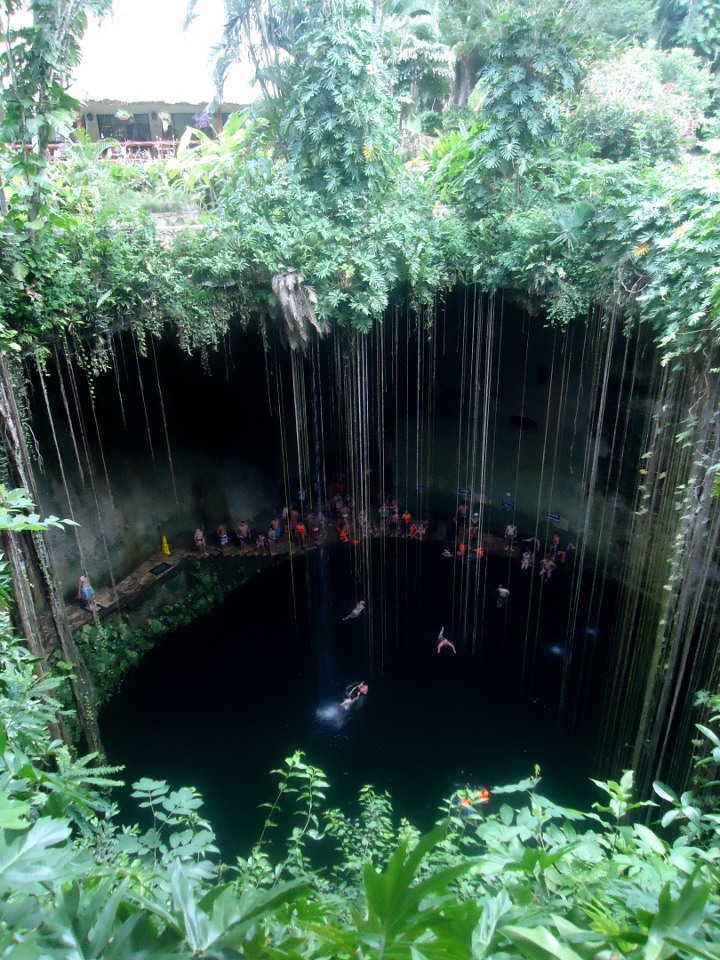
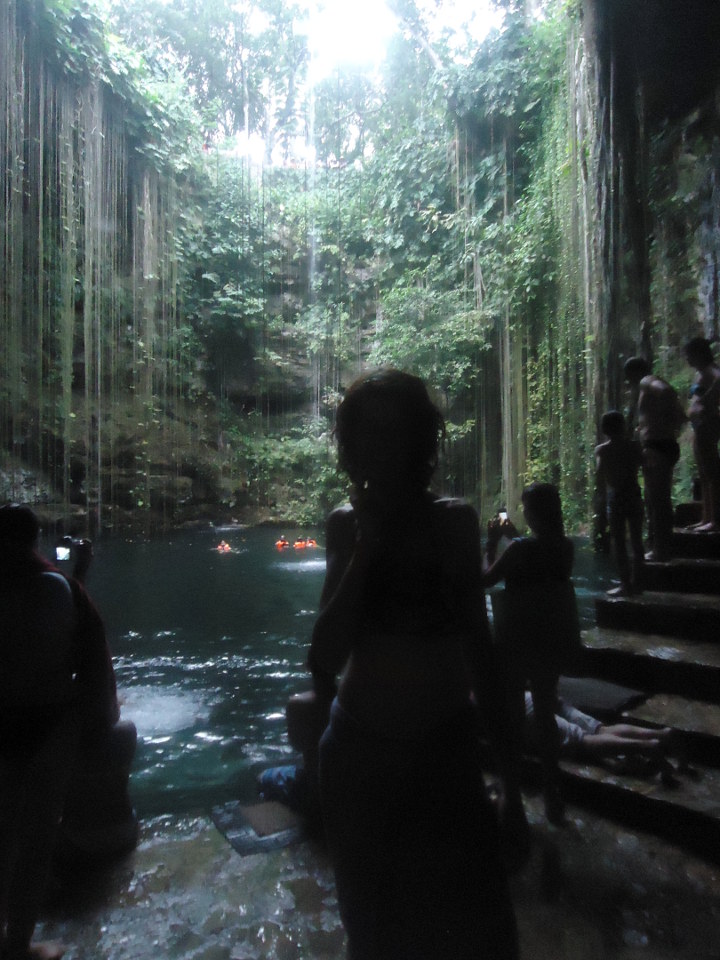
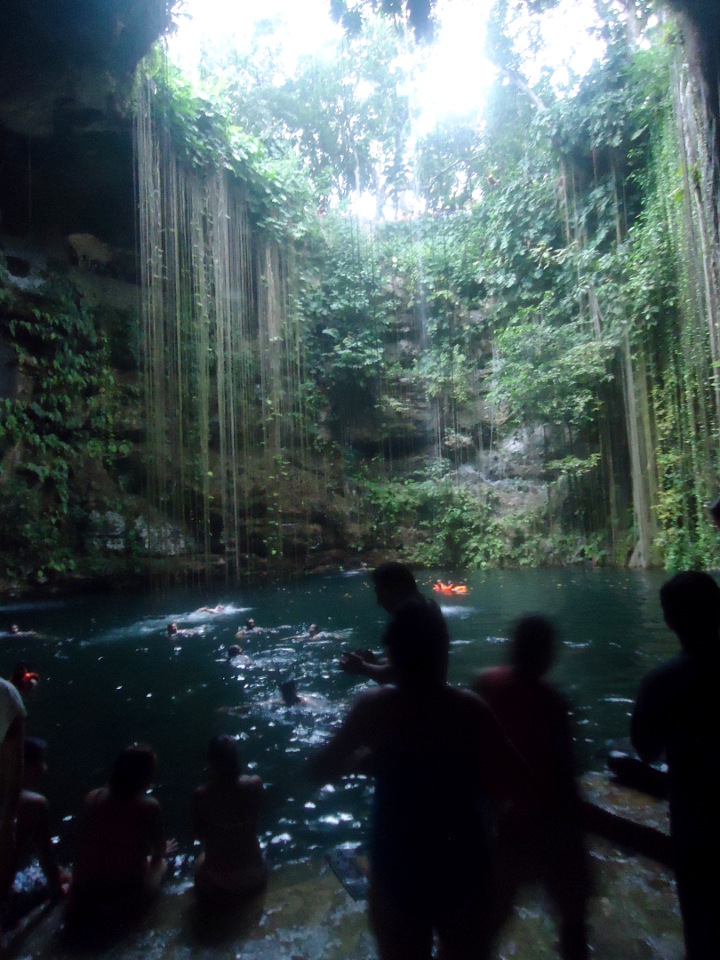
The taxi driver came back to pick me up later and then took me to the Cenote, pool of water. I didn’t know what a Cenote was, the driver mentioned I should go! Was an amazing experience, I was not prepared. But there was enough time, so I joined in there and went for a swim.





Palenque
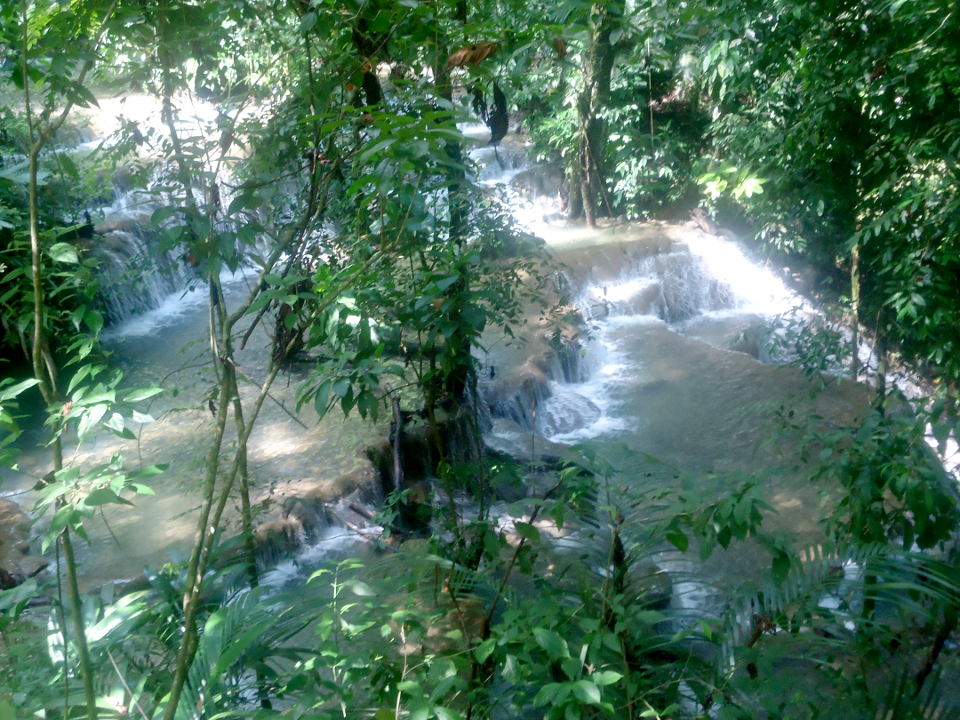
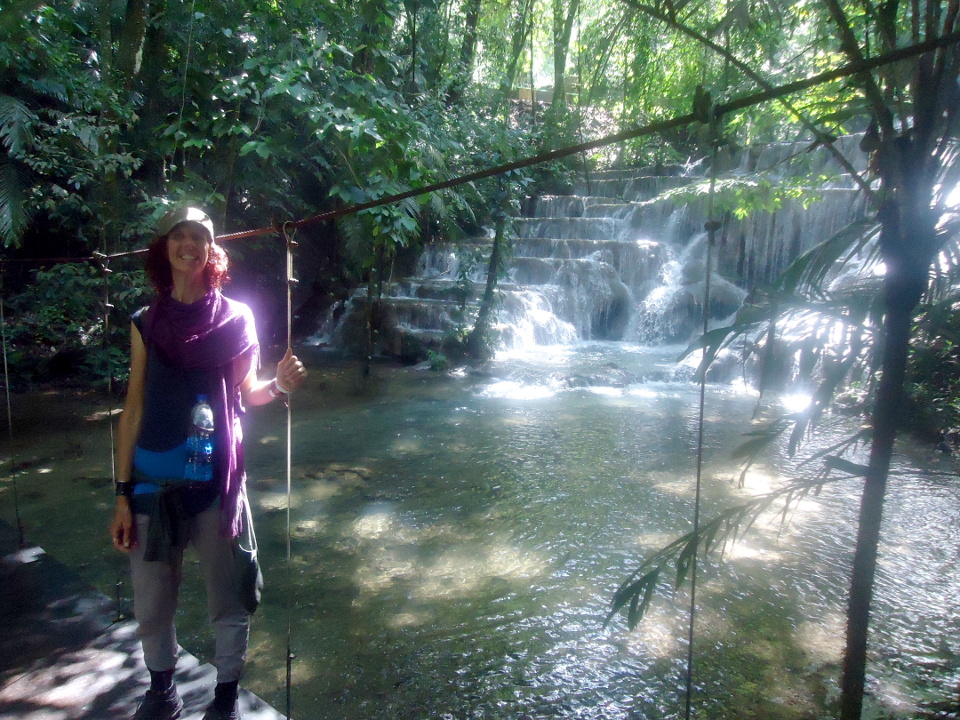
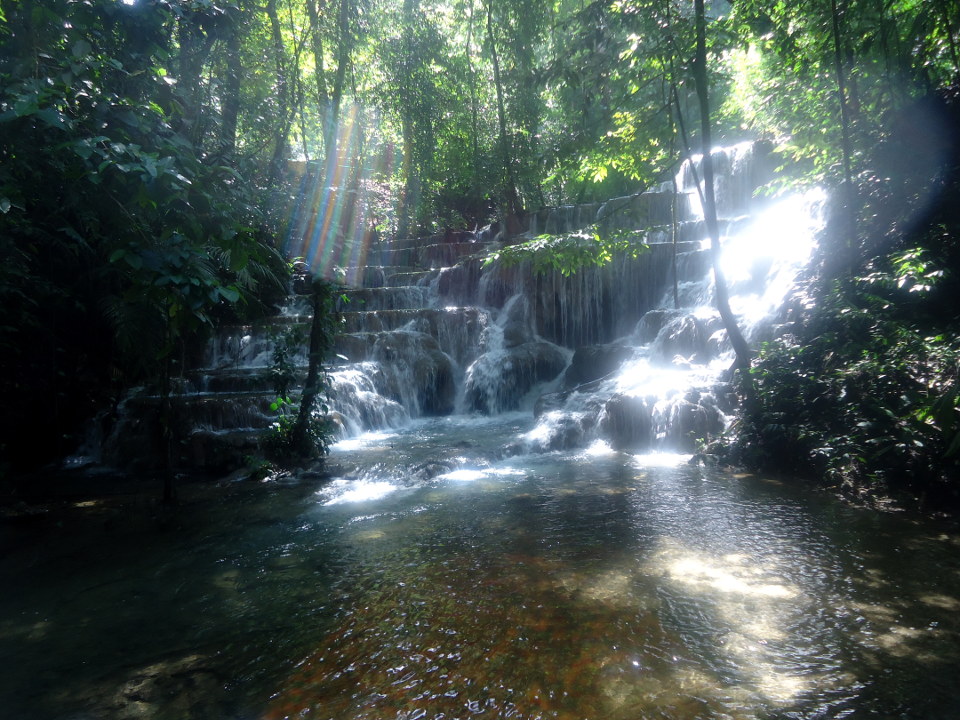
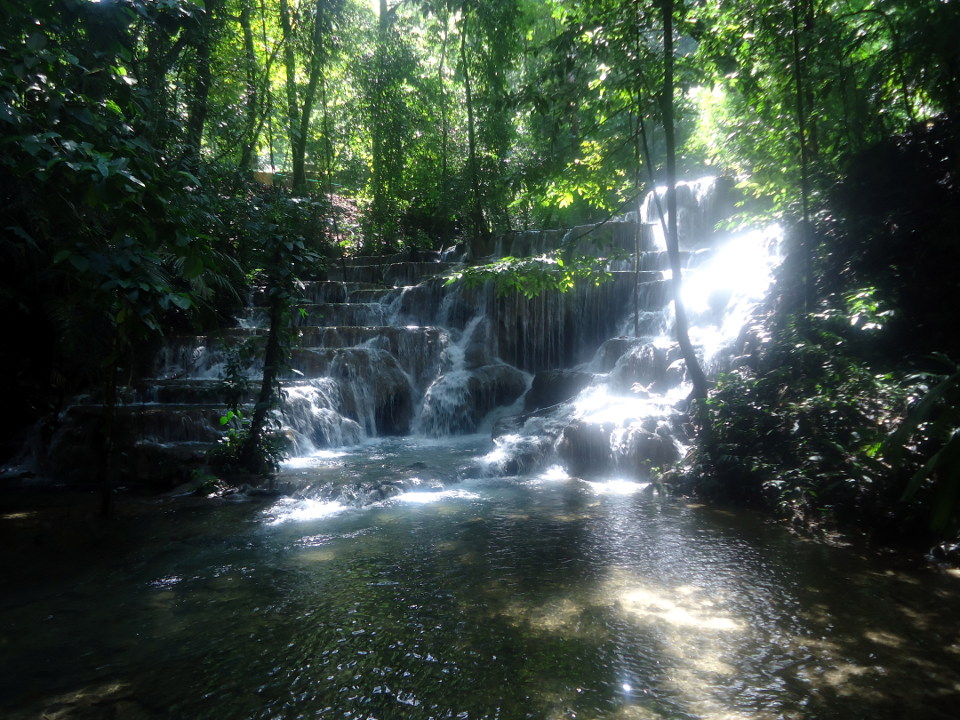
2nd November, it was a 12 hour bus ride, probably another over nighter. I stayed at Yaxkin Hostel, in a dorm room (120.00 Mexican). I found it a really good place to stay, a lovely hostel that felt more like a hotel. in that it was quite flash. The hostel is located 3.4 km from National Park of Palenque and a 9 minute walk from Agua Azul. There was a small restaurant near the hostel serving delicious food so I didn’t have to go far.
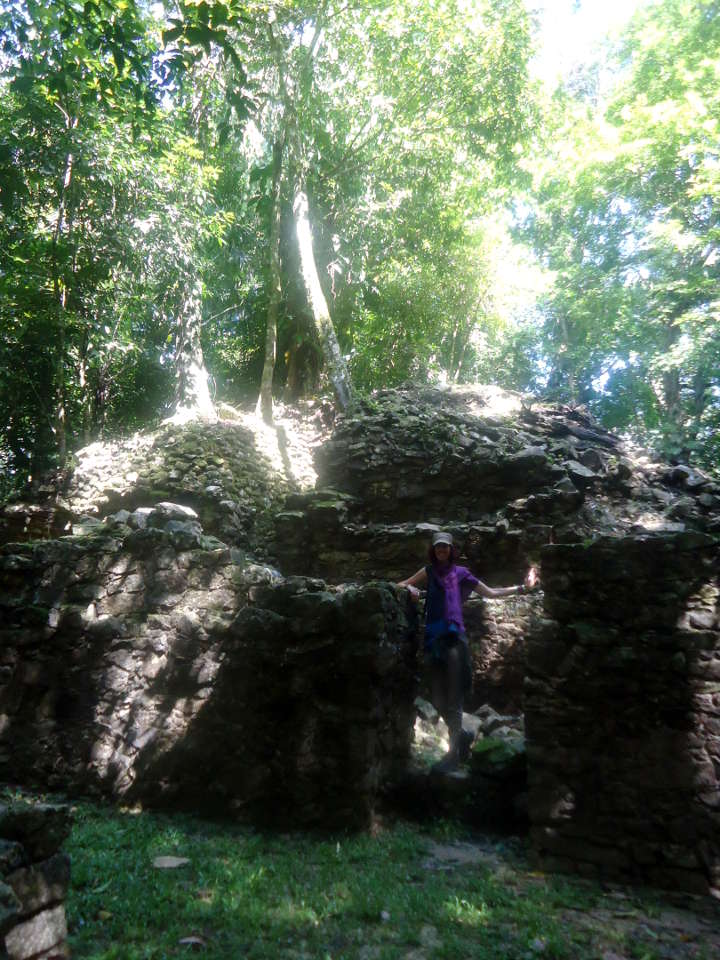
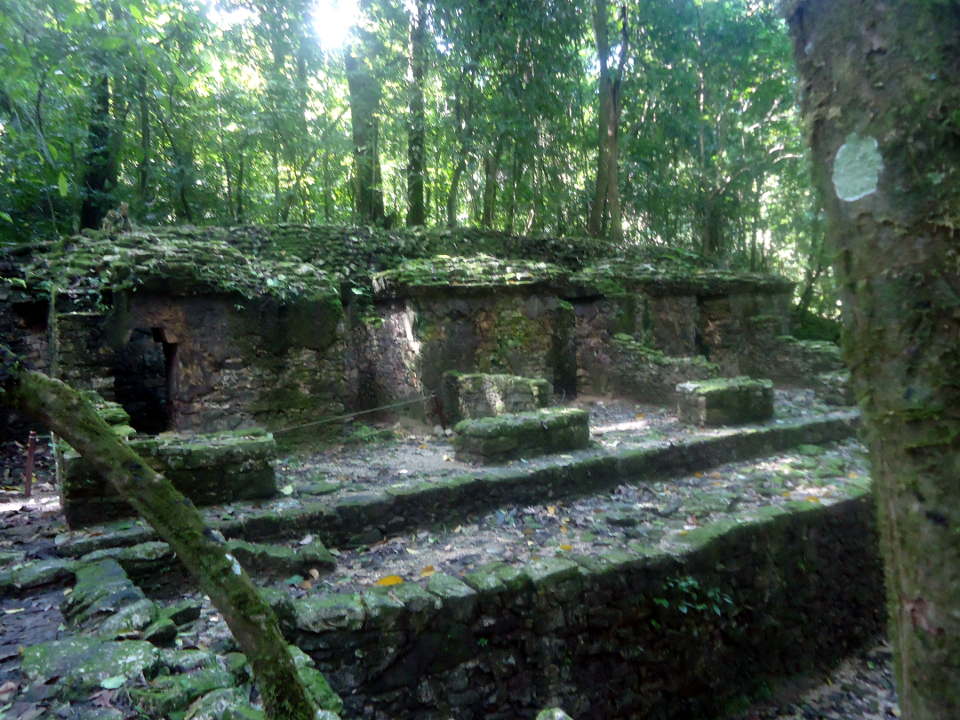
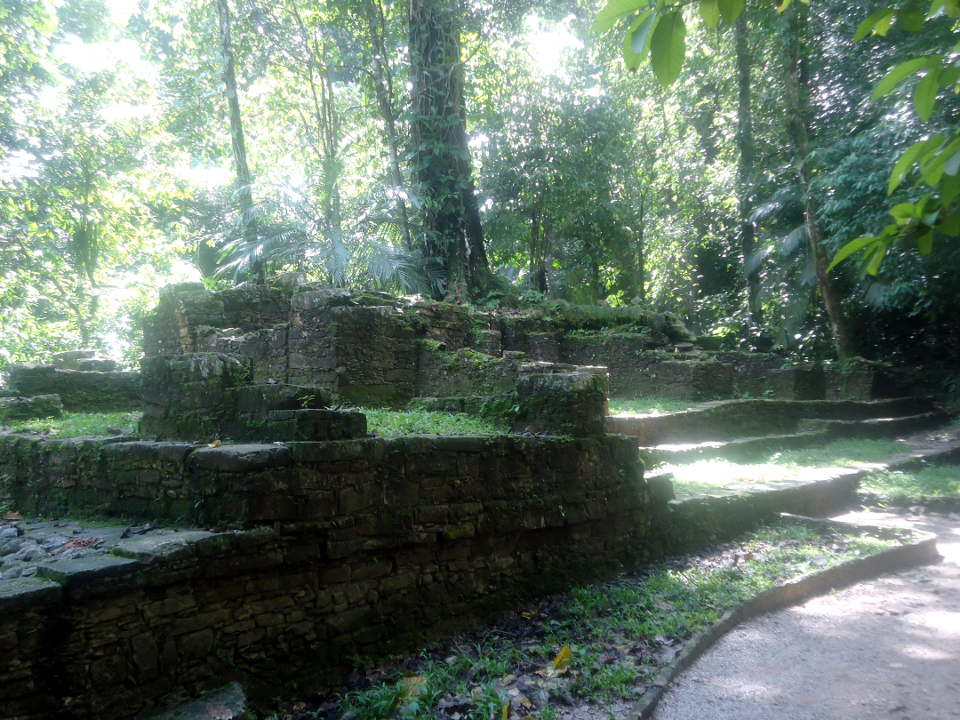
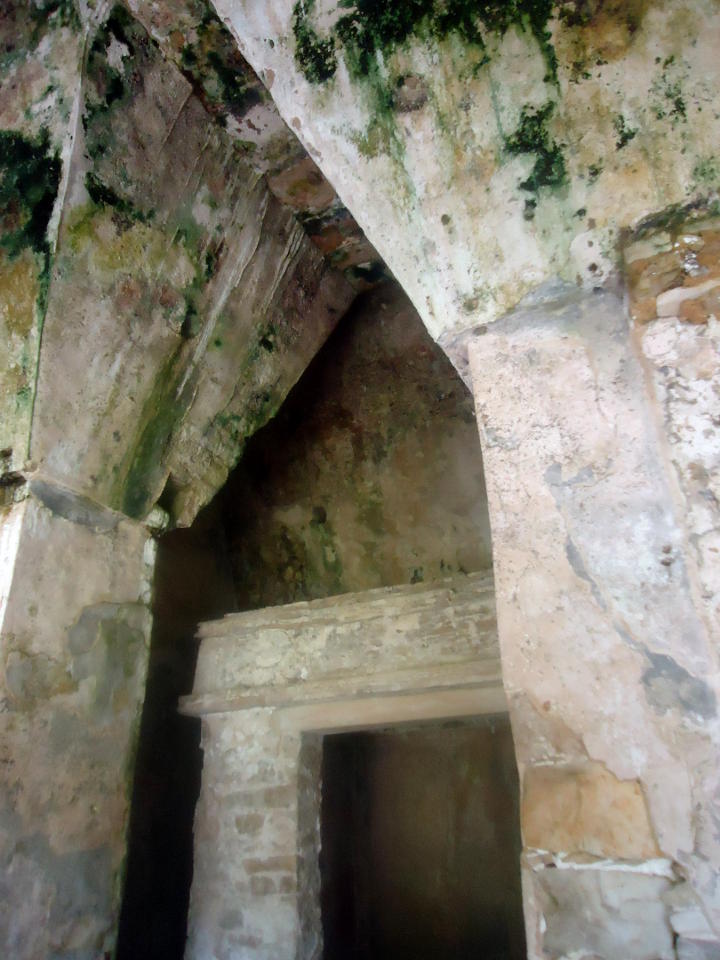
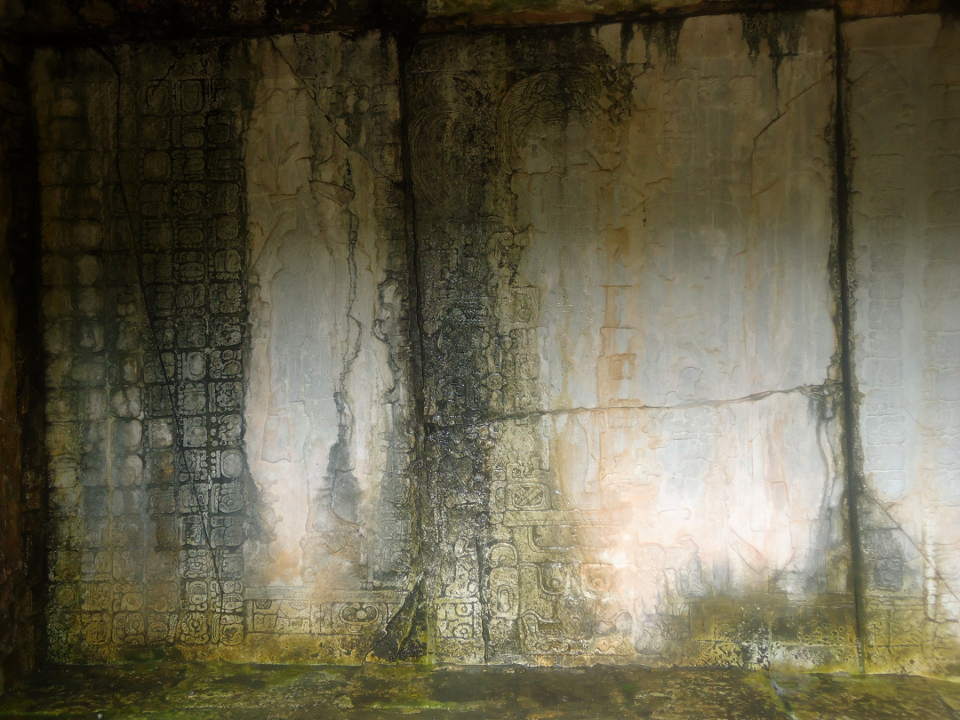
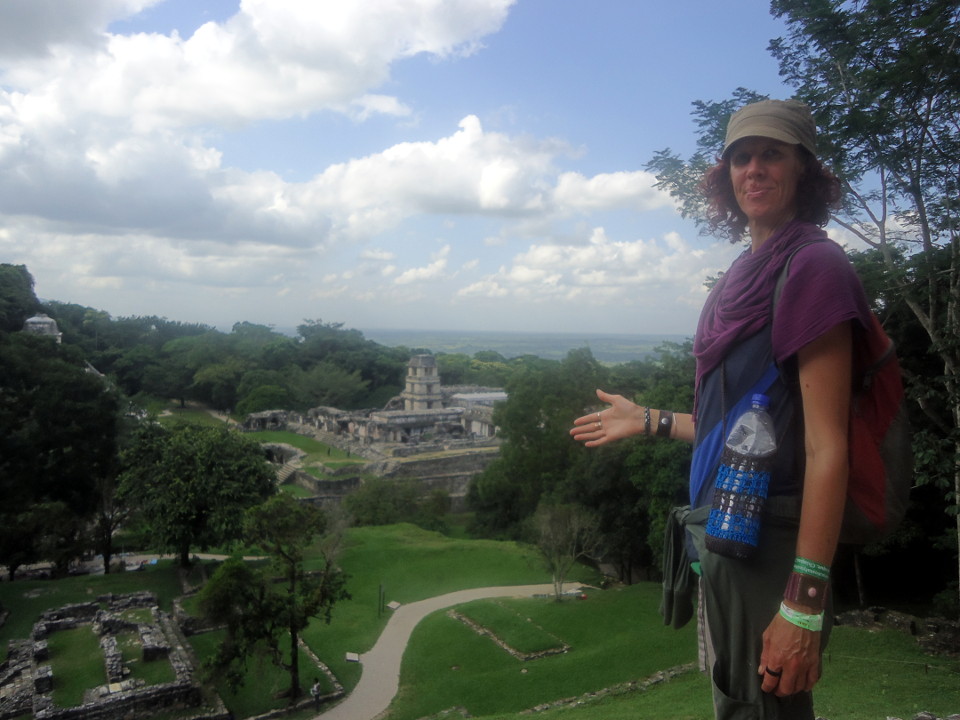
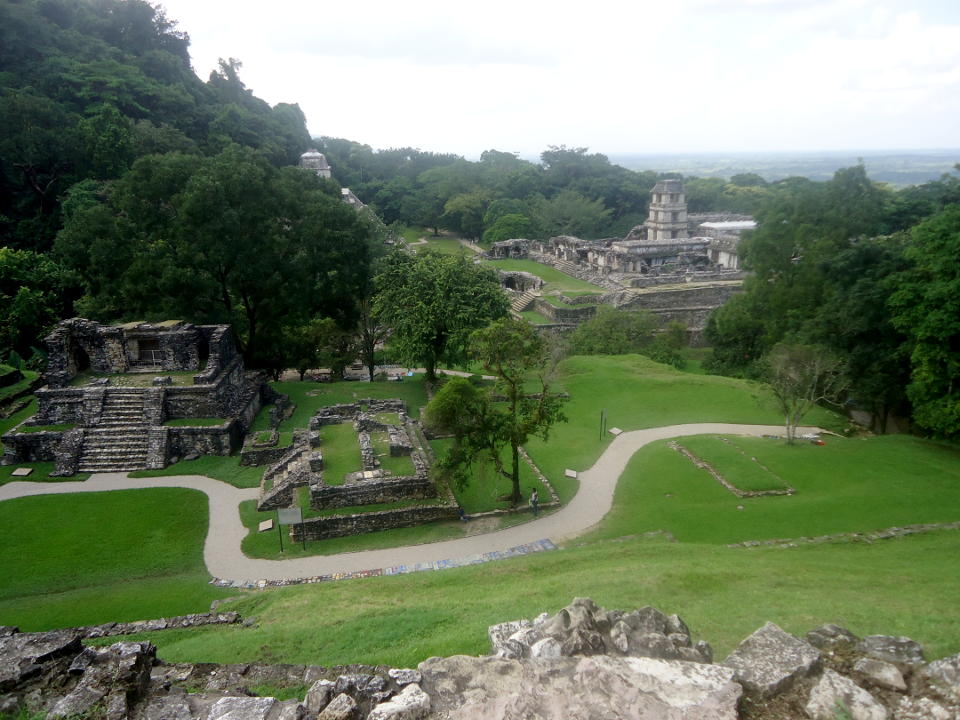
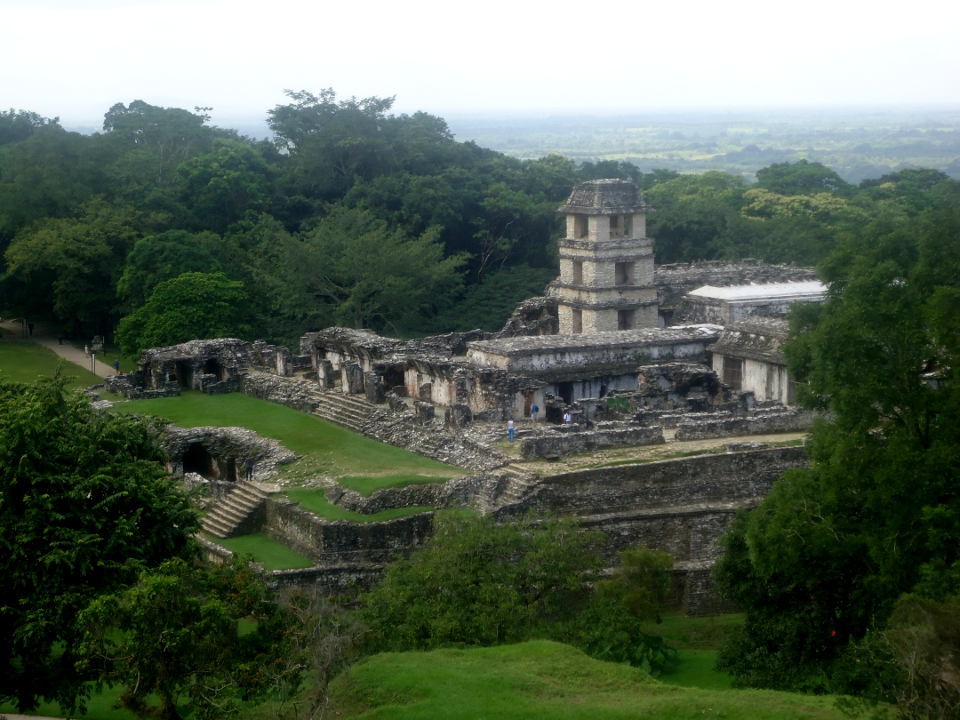
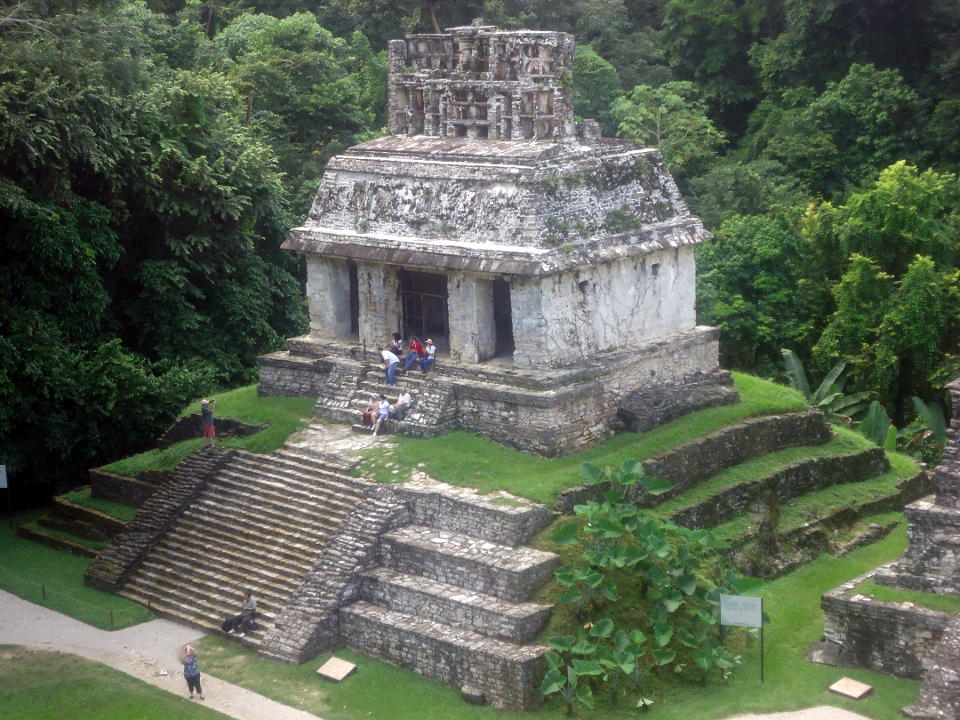
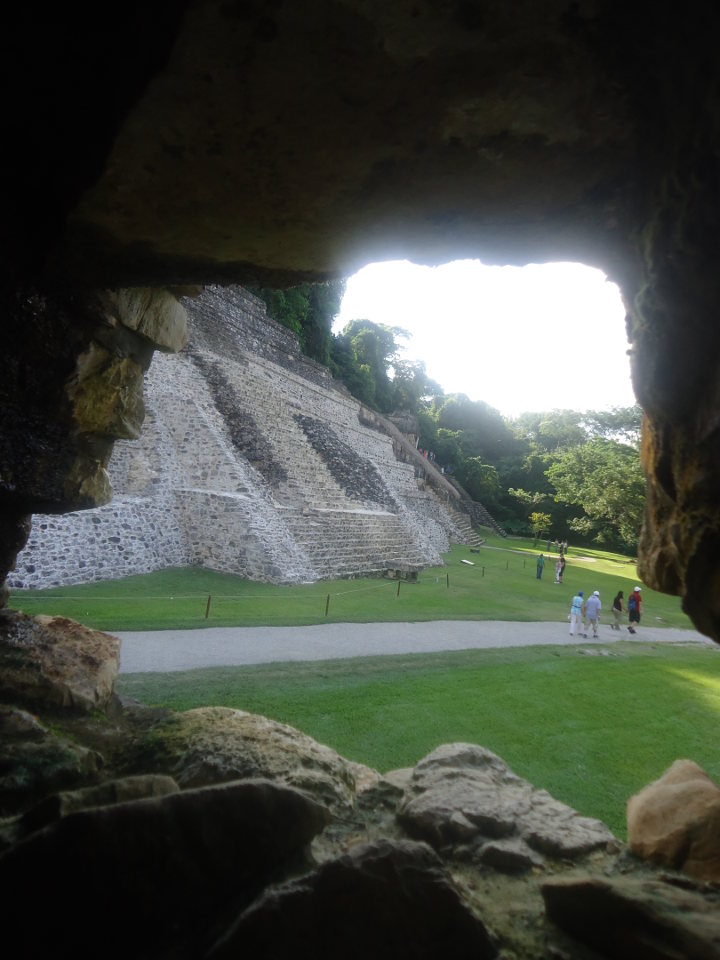
Resting and then heading to Palenque on the 4th of November. The actual site of Palenque is very large, in that only 10% has actually been explored. There has been recorded that there are 1,400 buildings, as without a buffer zone it could spread out. And the total area of the archaeological site is within 1780 hectares.
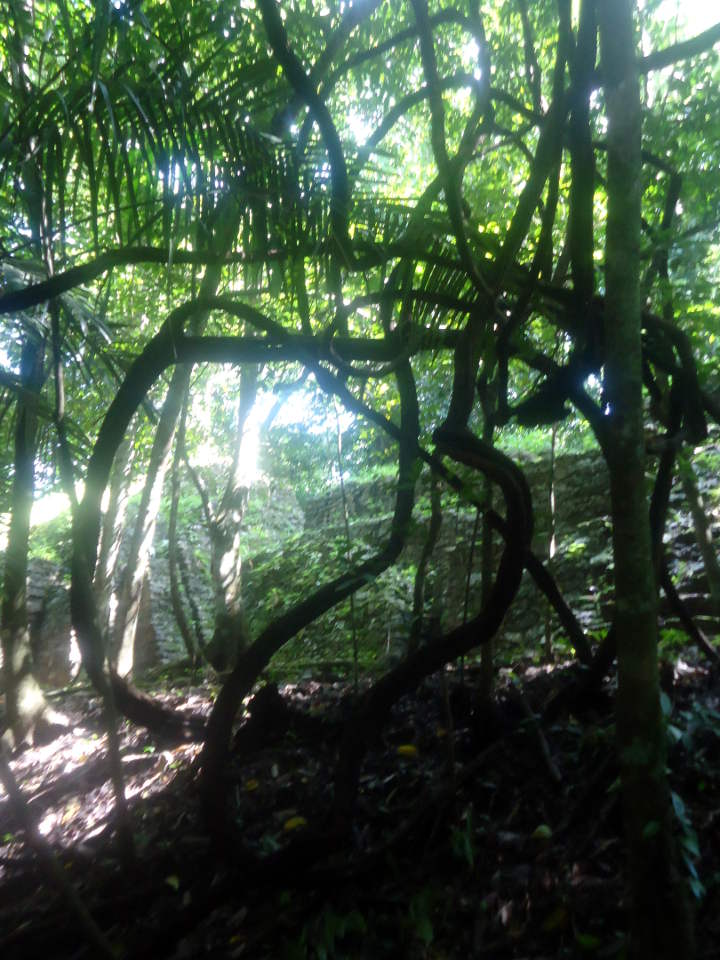
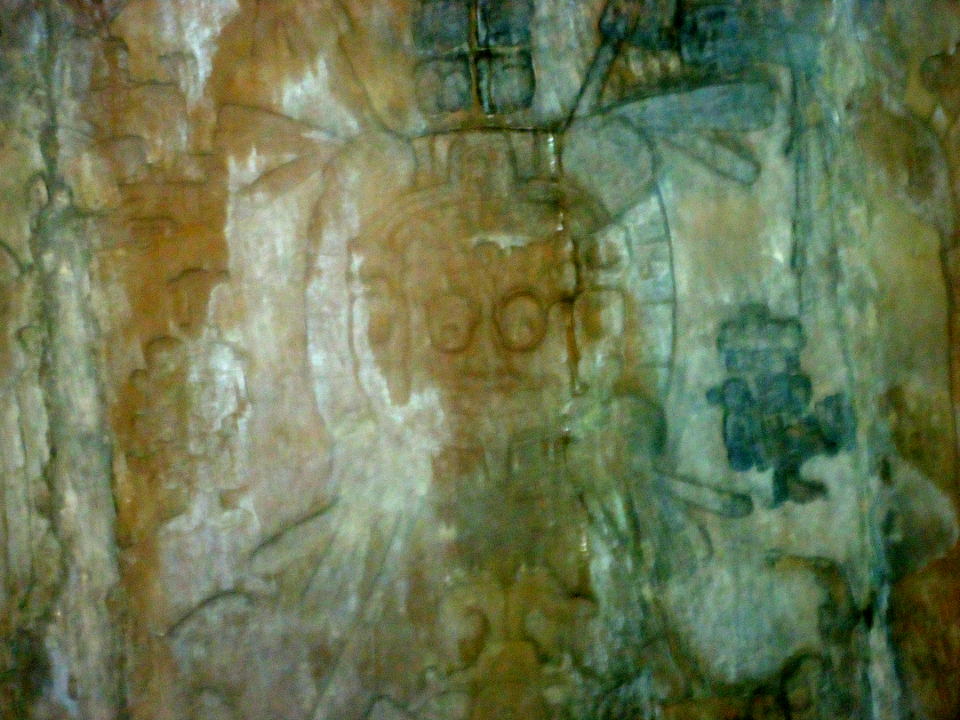
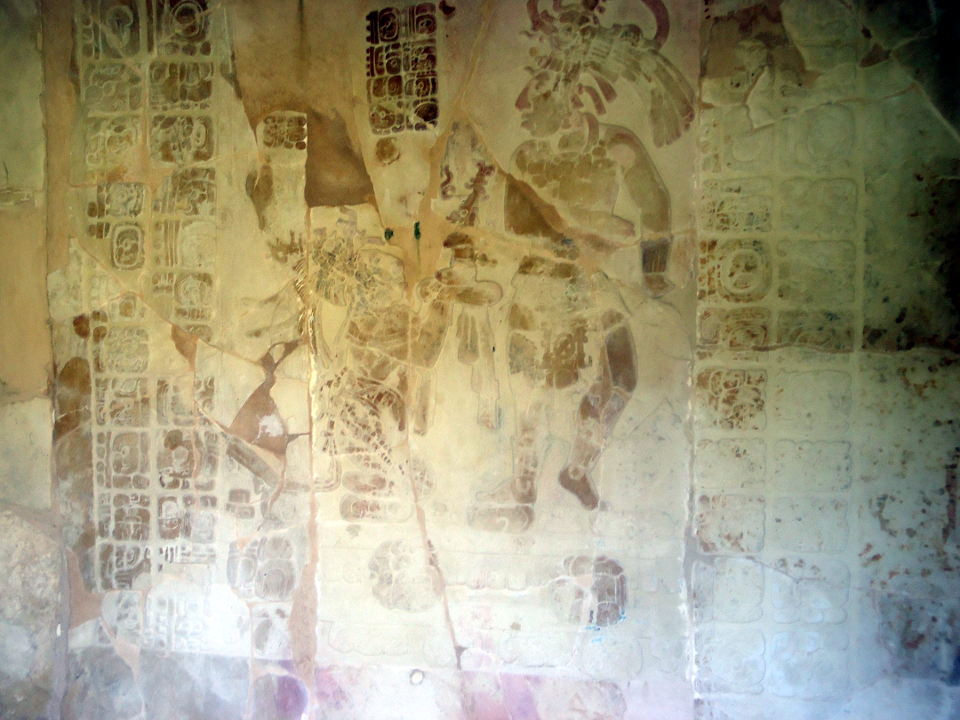
It was abandoned around the 9th century. And this ancient city, with its temples and palaces, was visited through time by thick jungle. It was a protection in a way, this vegetation, from looting of buildings and elements. In their original setting they have been conserved. And this site has turned into a living museum, with its exceptional artistic and architectural features.
‘The elegance and craftsmanship of the construction, as well as the lightness of the sculpted reliefs illustrating Mayan mythology, attest to the creative genius of this civilization’ Unesco.org.
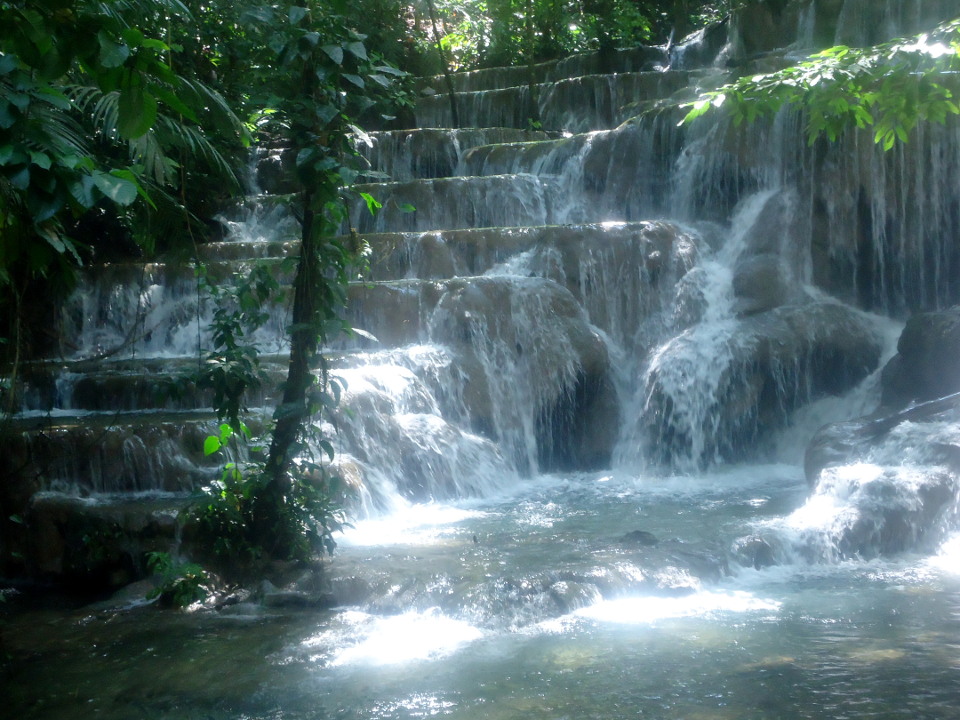
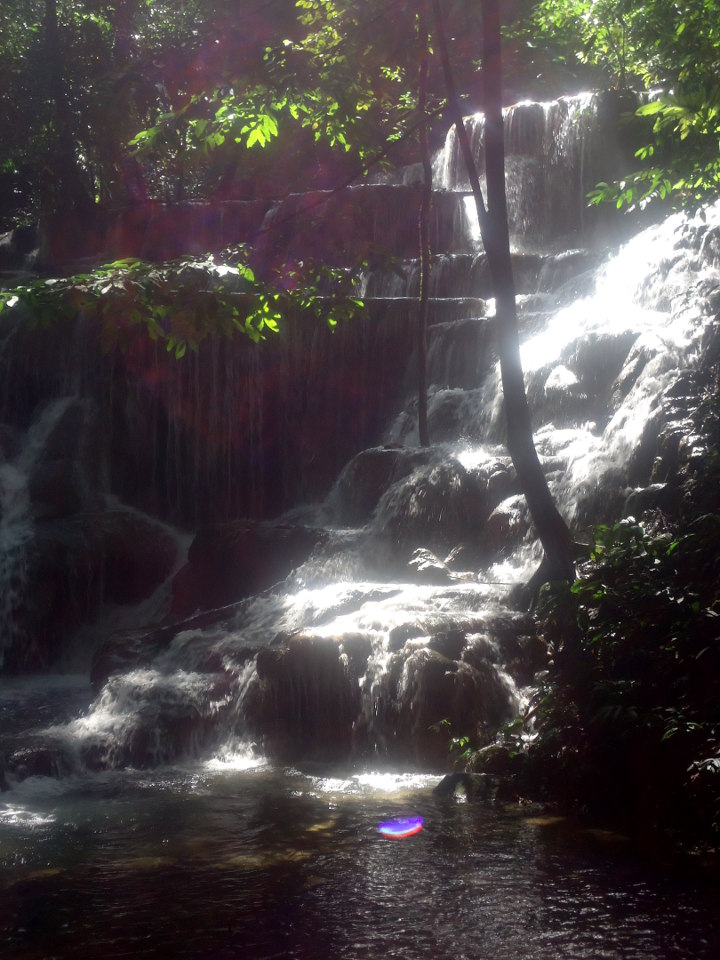
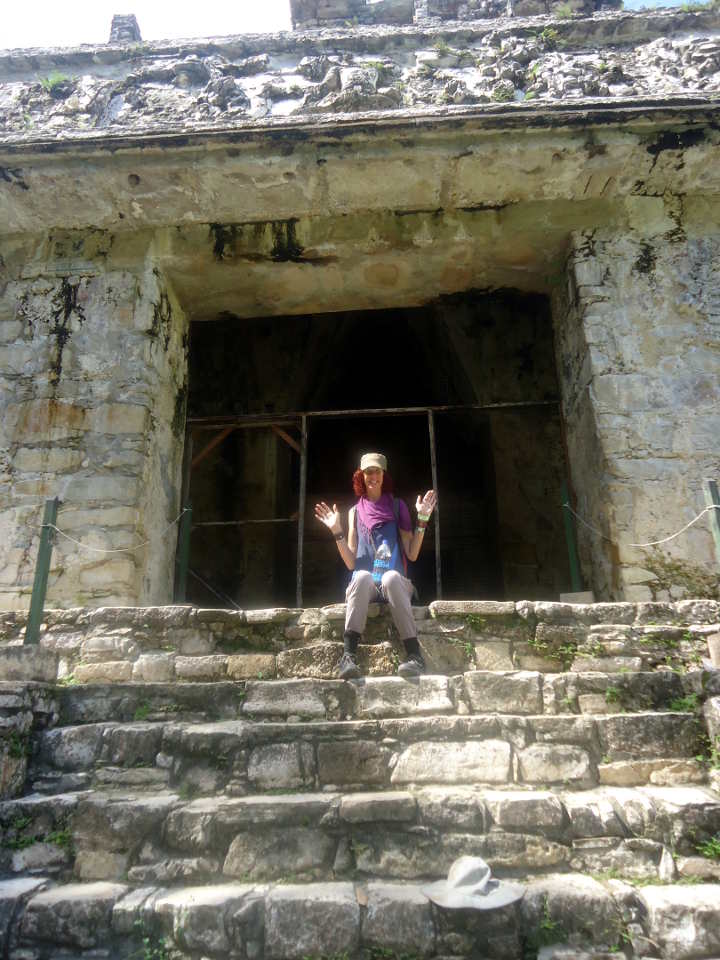
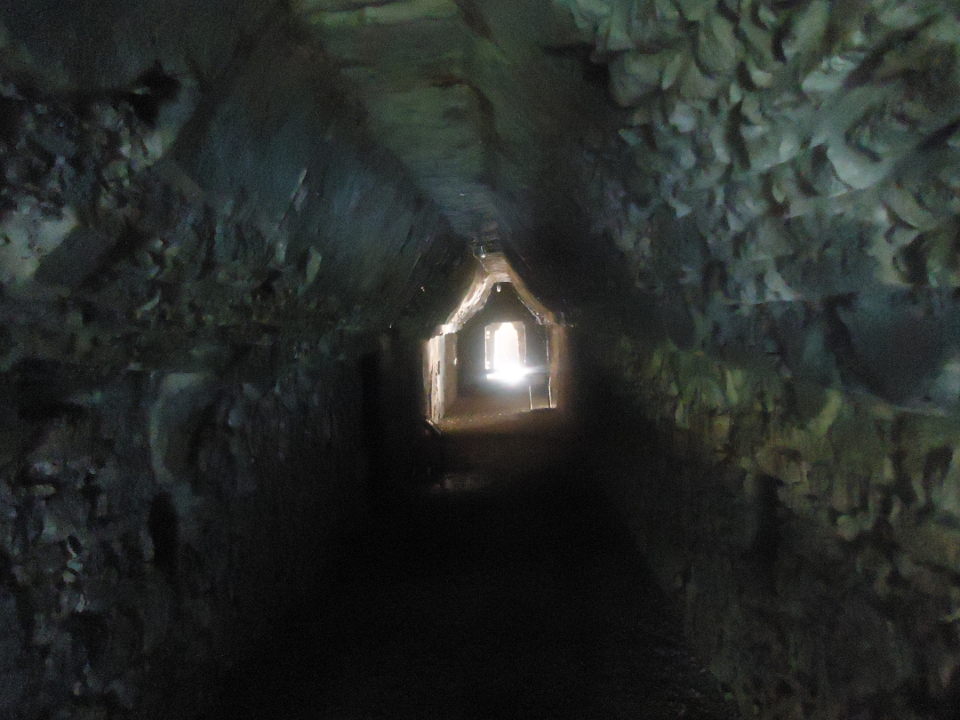
Spending the day here, I went up and down into these different spaces that have been excavated there. Doing LL in many places as called.







Oaxaca
Old man of the water
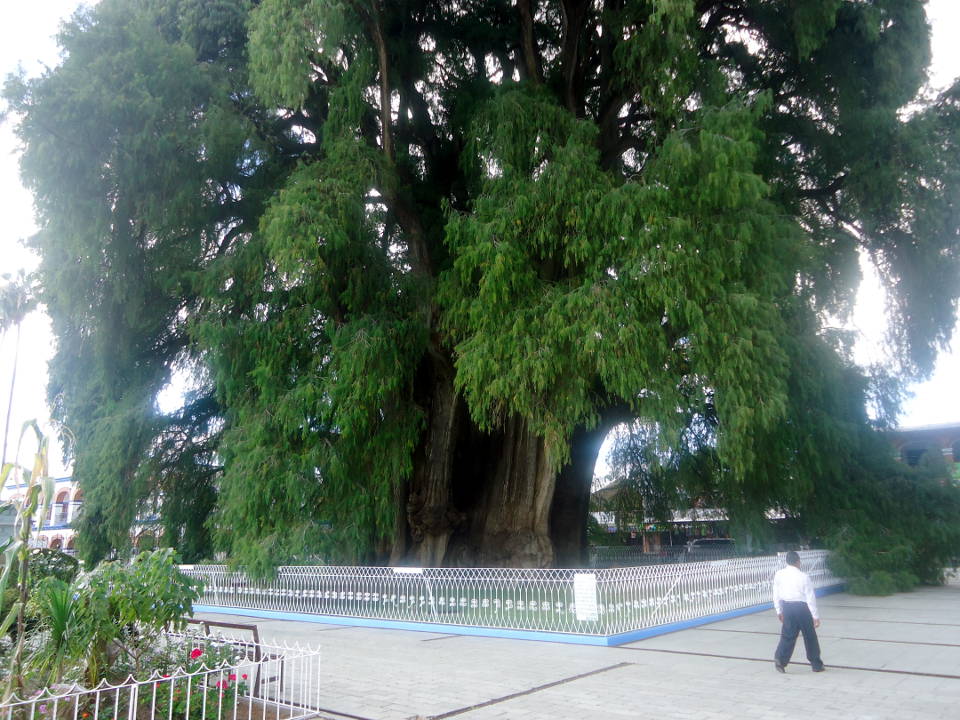
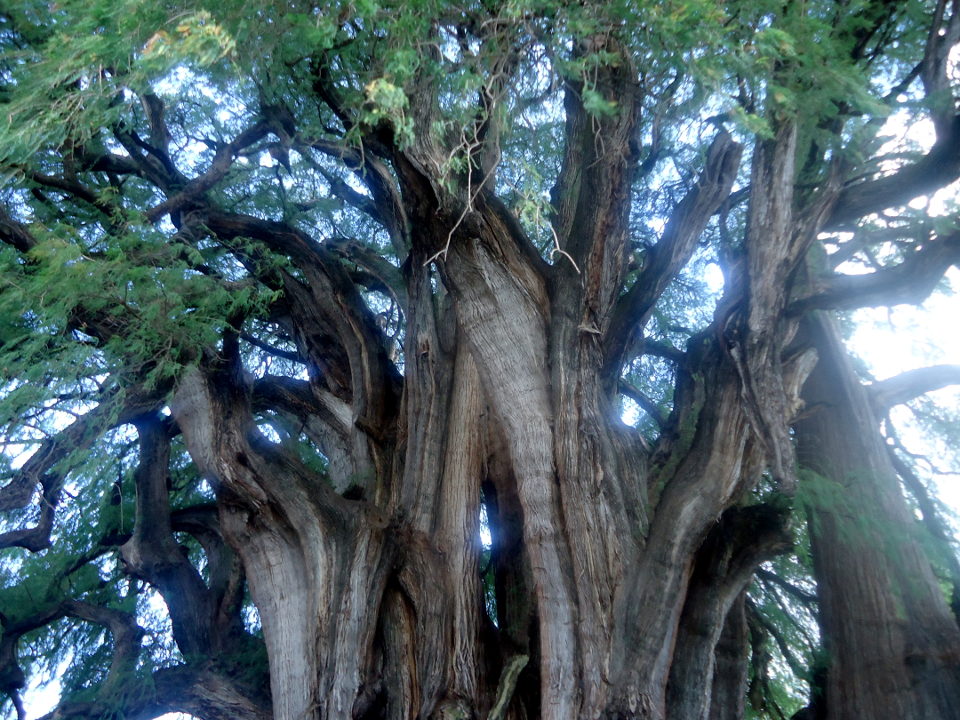
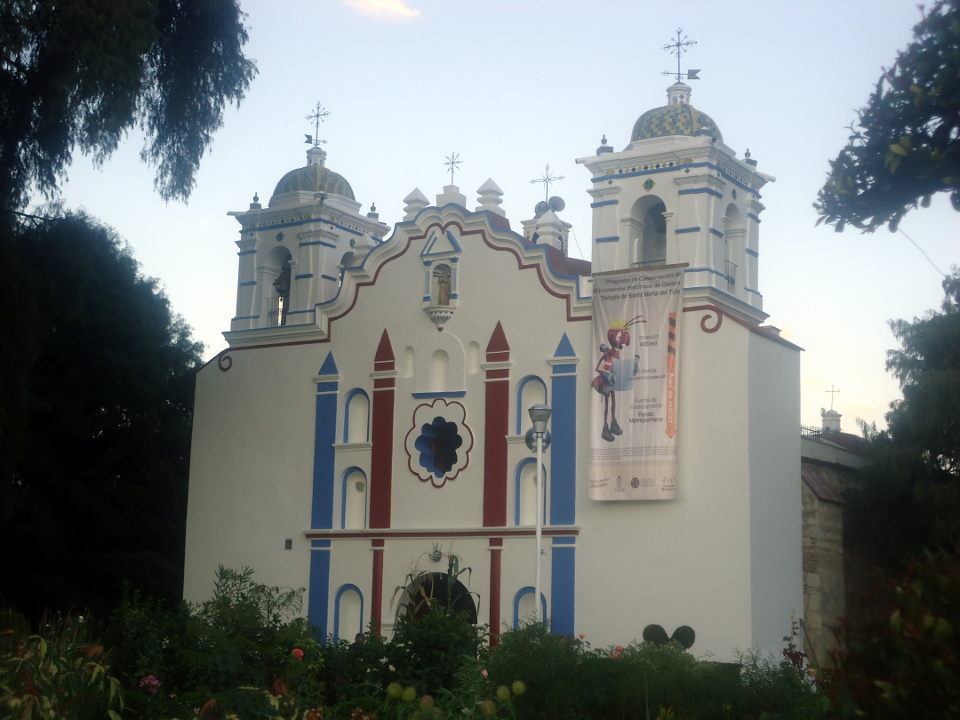
November 4, bus left Palenque at 5.30 pm, it was an overnighter, arriving at Oaxaca 8 am the next morning. I had come to the city of Oaxaca to go to the El Tule Tree. This, El Árbol del Tule (Spanish for the Tree of Tule) is approx. 9 km east of Oaxaca on the road to Mitla. I had something to eat before going to visit this sacred tree. In the quaint town it sits of Santa Maria de Tule. And I lunched in a small family owned restaurant.
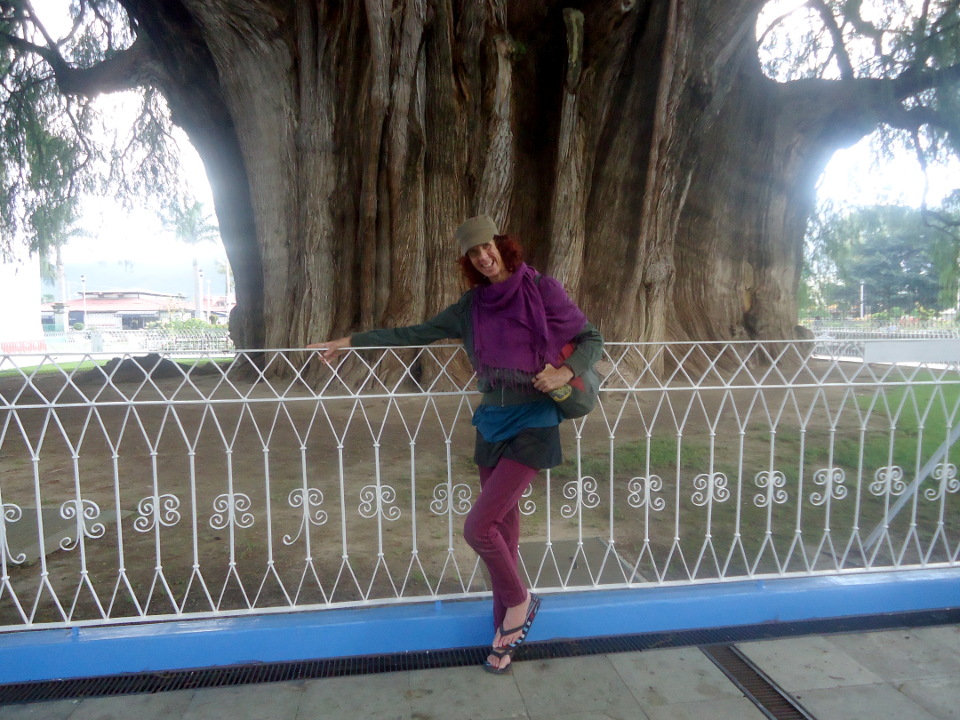
Supposedly it has the stoutest tree in the world. in 2005, its trunk had a circumference of 42 m, approximately 14 m in diameter. It is a Montezuma bald cypress tree, and its nickname is ‘the Tree of Life’. Regarding the age of this sacred tree, there are differing opinions it seems. Some estimating that it is over 6,000 years old. And some scientists guessing that it is closer to 2,000 years old.
Its location is in the centre of ancient sacred grounds where the Aztec Gods of Nature were worshiped. A Roman Catholic Church was built on the same grounds, when the Spanish colonized. This tree holds mystery in many in ways. In Nahuatl, a language spoken locally before the Spanish colonization, the tree is called ahuehuete. Which is translated as “old man of the water.” And spending time with this tree you definitely reflect and feel inner stirrings.
I was at the tree until spirit guided me to leave. And at that exact moment is when they started shutting the gates to leave. I love those signs. Then I went back to the hostel and got my washing done. And went for a walk at night, I was a bit wired though. Oaxaca was very pleasant surprise, it is a very cool city with some cool things happening there.
With the Twelve Foundation Areas of the earth. The El Tule Tree and Palenque relate to the world androgyny or balance center. More about this at the end of this page.
Mexico City
6 November,10 am bus from Oaxaca and arriving 8 pm into the hustle and bustle of Mexico City. I swear the taxi driver charged me more for the lift from the airport. But I got to my hostel safe and sound, and this is what happens in the big cities. And oh my Mexico is a very busy city, especially after all the smaller towns. In Mexico City, stayed in Home Hostel, Tabasco 303. Col. Roma. I had a walk close to the hostel that evening, soaking in the sights and sounds.
My time in Mexico feels like it was a bit too ‘rapido’. But I made it to the places I wanted to get to. Except for one, and that was Teotihuacan, in Mexico City. But I guess this was not meant to be, as I ran out of time. But then the Mayans had a much broader sense of time, they understood the expansion. So in the broader Mayan time, I didn’t run out of time, it just wasn’t the right time. Because maybe, to be Woo Woo, time never really runs out. Be like a Mayan and expand time when you can. Think of time as expansive, and it will be.
7 November – 9.45 am, Flight from Mexico City to LA 11.50 am,(four hour flight)
The WOO WOO information.
Area 11 Planetary Balance (Yin Yang) and Harmonious Communications Chakra of Earth – EI Tule and Palenque, Oaxaca, Southern Mexico
‘There are many sacred sites near the centre of this Mexican Earth Chakra. The El Tule Tree (Arbor del Tule), near Oaxaca, is directly on the path of the Great Plumed Serpent Ley Artery. Sites such as Palenque are equally important, but at a greater distance from the main world ley artery. This region is the world centre for androgyny – the inner balancing of yin and yang forces for a living being, of any species. It is from this Earth Chakra that the macrocosmic balancing of the world is governed. The northern hemisphere is yang. The southern hemisphere is yin. The alchemical elements of fire and air have their Spinner Wheel chakras in the yang hemisphere. The alchemical water and earth vortices are in the yin, southern hemisphere. These structures, and others, have their formative matrix in Southern Mexico.
Is the Earth feminine? Despite the tendency of some to call Earth a goddess, the answer is no. All beings upon a spiritual path eventually arrive at a point where they are whole. What may have been previously thought of as masculine or feminine qualities ultimately reveal themselves as neither. All real qualities are eternal, beyond gender, and attainable by all who seek greater life. Palenque, El Tule, and other sites in this region teach this sometimes difficult lesson.
The El Tule Tree was the world focal point for the activation of the Great Plumed Serpent Ley Artery at sunrise of 17 August, 1987. Previously, on 22 April, 1984, the Great Rainbow Serpent Current was activated. When the Earth Force of the liberated Quetzalcoatl spirit rose up from the roots of the El Tule living Tree of Life, then all the Earth Chakras and Elemental Spinner Wheels began to operate as an integrated system. Glasnost and perestroika began to rapidly accelerate after this point in time.
Palenque is the most famous temple city of the ancient Mayan culture. Legends suggest that several individuals attained physical immortality from this site hundreds of years ago. Palenque is one of those rare mysterious cities from which the entire population has suddenly vanished – for no apparent reason. Like the fabled City of Enoch, perhaps the residents of Palenque immortalised and went off to be with the Eagle People. There is a story that one of these Immortals appeared on a hill near Niagara Falls many centuries later. (Niagara Falls is the Inspirational centre for Earth Chakra Gate 15)
When constructing the Expanded Chakra circle from this region, centre your circle at El Tule, or nearby Mitla. Extend your radius out to touch the extreme north-eastern point of the Yucatan peninsula, and then draw your circle. All sites within this great circle contribute to the balancing function of this Foundation Gate. Gemini new and full moons are particularly efficacious at any of these sacred sites associated with El Tule, Palenque and Southern Mexico’. http://www.earthchakras.org by Robert Coon.
Temples in Mexico that relate to Chakra points Notes from ‘Serpent of Light’, by Drunvalo Melchizedek
1 Uxmal, the base chakra, of a new cycle
2 Labna, the sexual chakra, union of opposites
3 Kaba, the third chakra, will power
4 Chichen Itsa, the heart, unconditional love
5 Tulum, Throat, sound currents and manifestation
6 Kohunlich, the third eye, pituitary gland, psychic abilities
7 Palenque, pineal, preparing for the next world
8 Tikal (Guatemala), The base chakra of the new Cycle
 With Ease