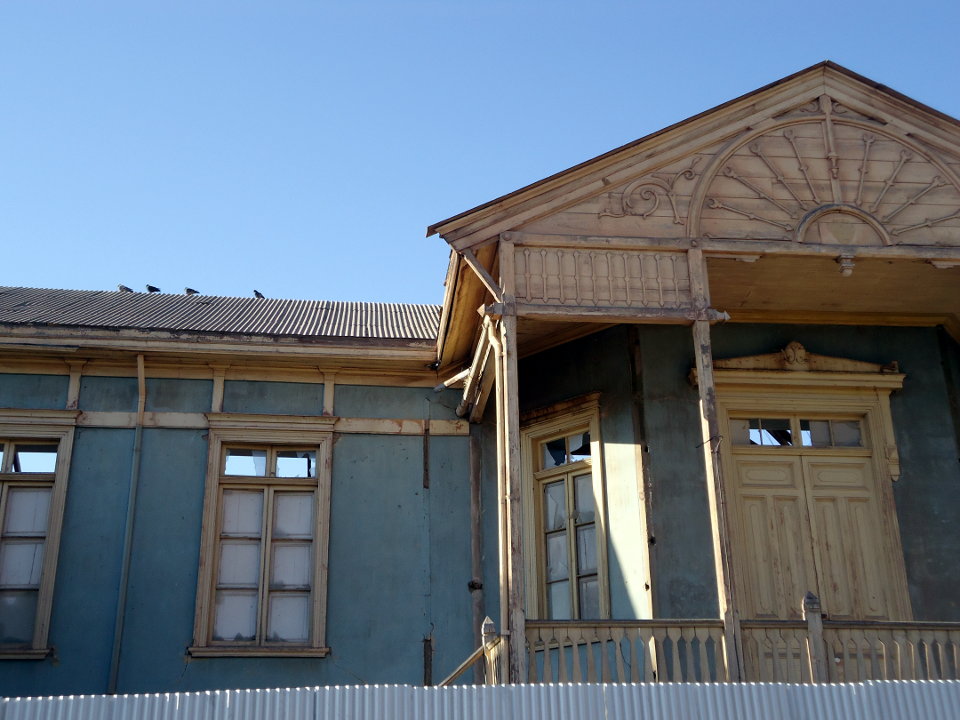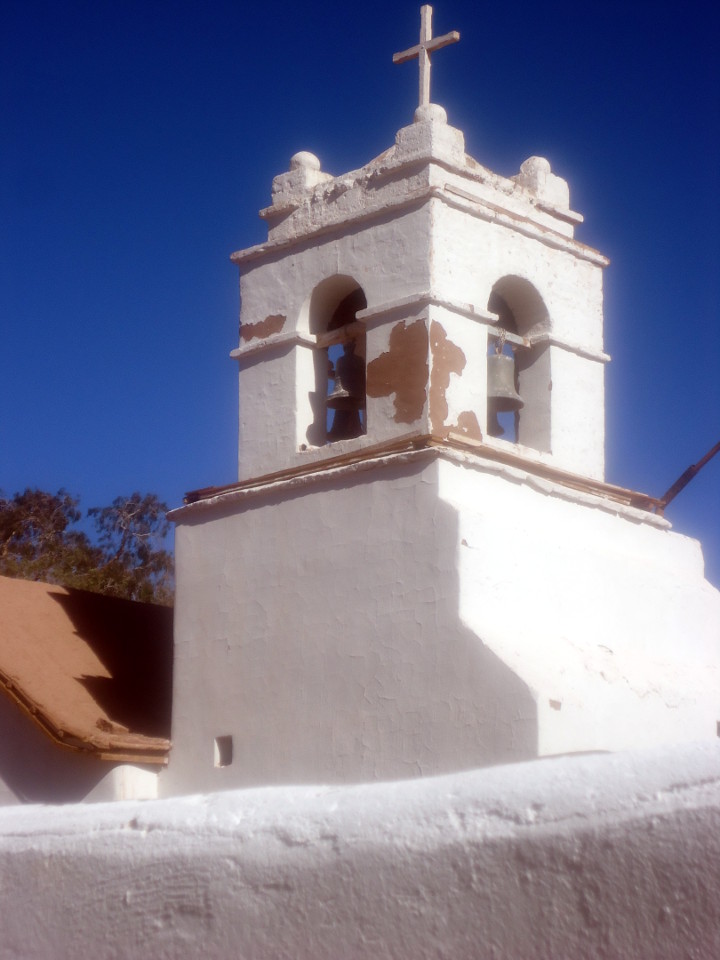
Bolivia 2013

Featured

Copacabana

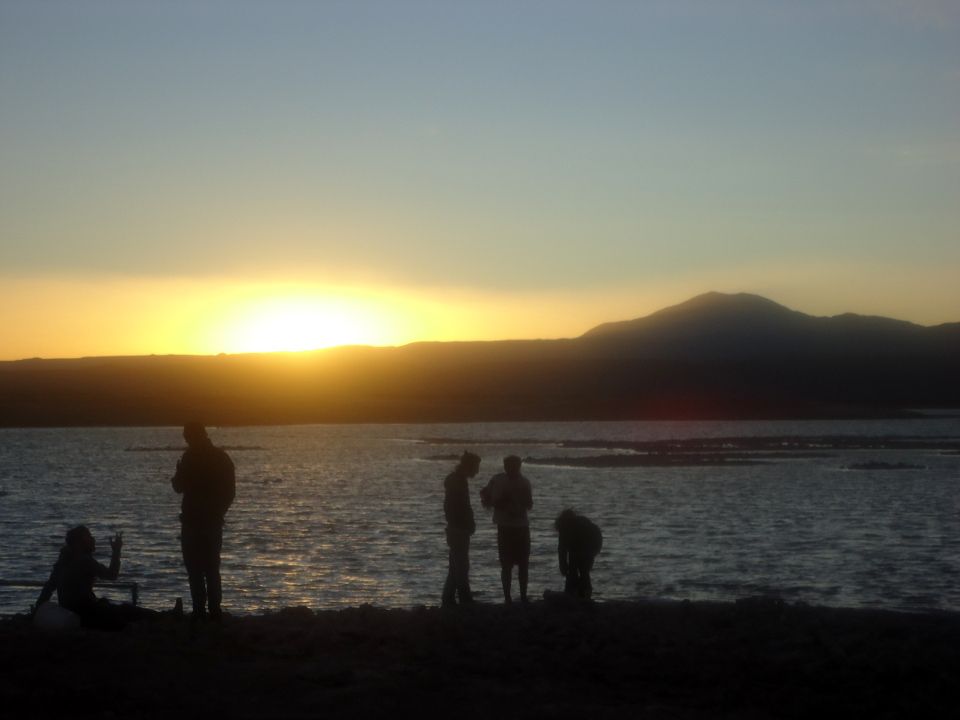
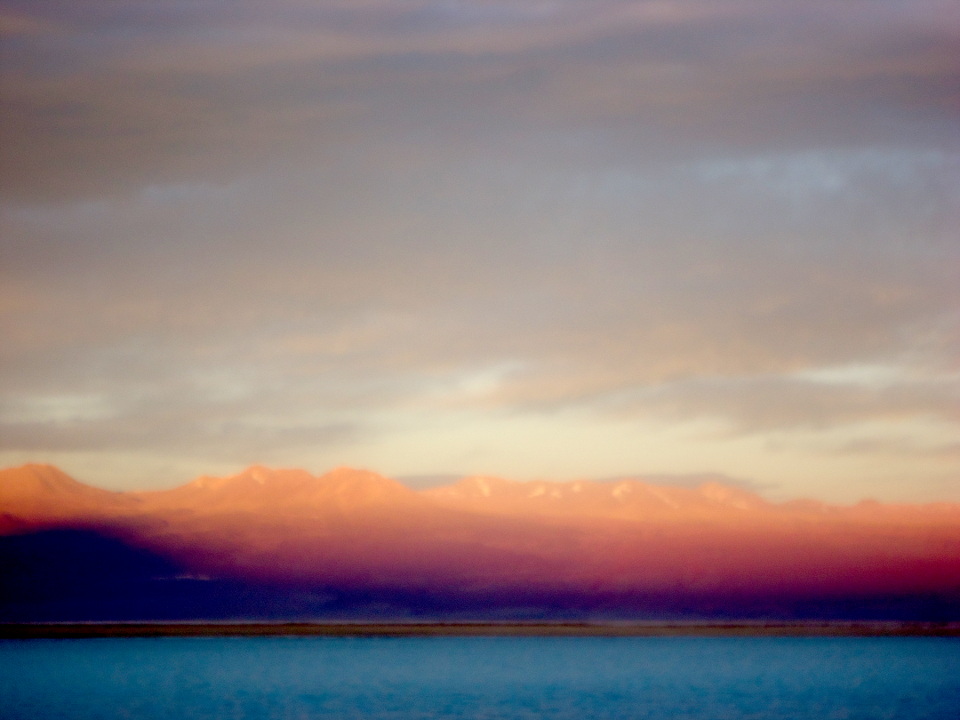
Caught the bus at 8.30 am from Puno to Copacabana. At the exact moment we got out of the bus to cross the border, Peru to Bolivia. There came a hailstorm. An amazing torrent of hail falling from the sky, and then on the other side, all fine and clear. Met an Australian called Cass, and she borrowed my raincoat as we crossed the border together. On arrival, we had something to eat together. We were intrigued by this little town full of restaurants by Lake Titicaca. I stayed at Los Andes Hotel. I had a room to myself for a great price of $20nz or so a night. It was nice, with a view of the lake, and breakfast included. Resting there, after not sleeping much in Puno.

At Copacabana, I met a local Peruvian jeweler, there are many talented street sellers in these lands. I brought one of his bracelets and he took me to a local marketplace for lunch. For trout, rice and vegetables, tasty food with no stomach problems, just a full belly.

Isla del Sol

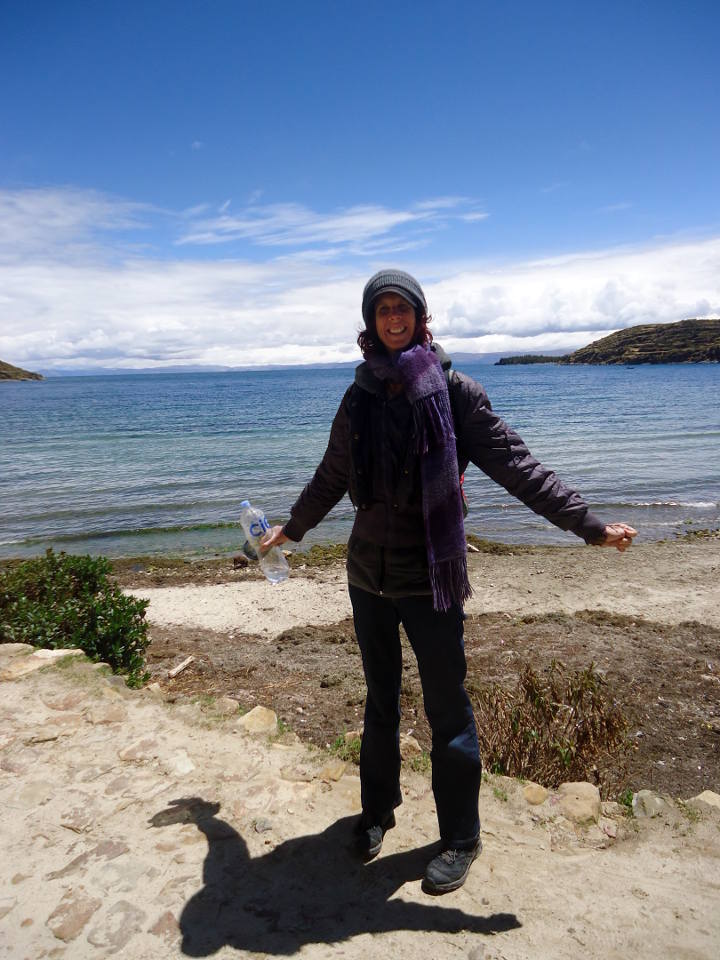
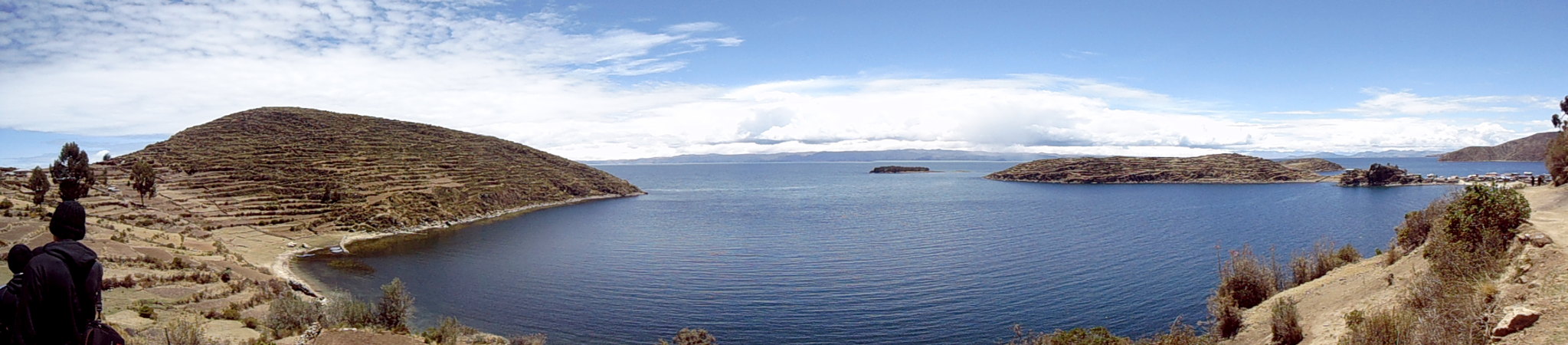
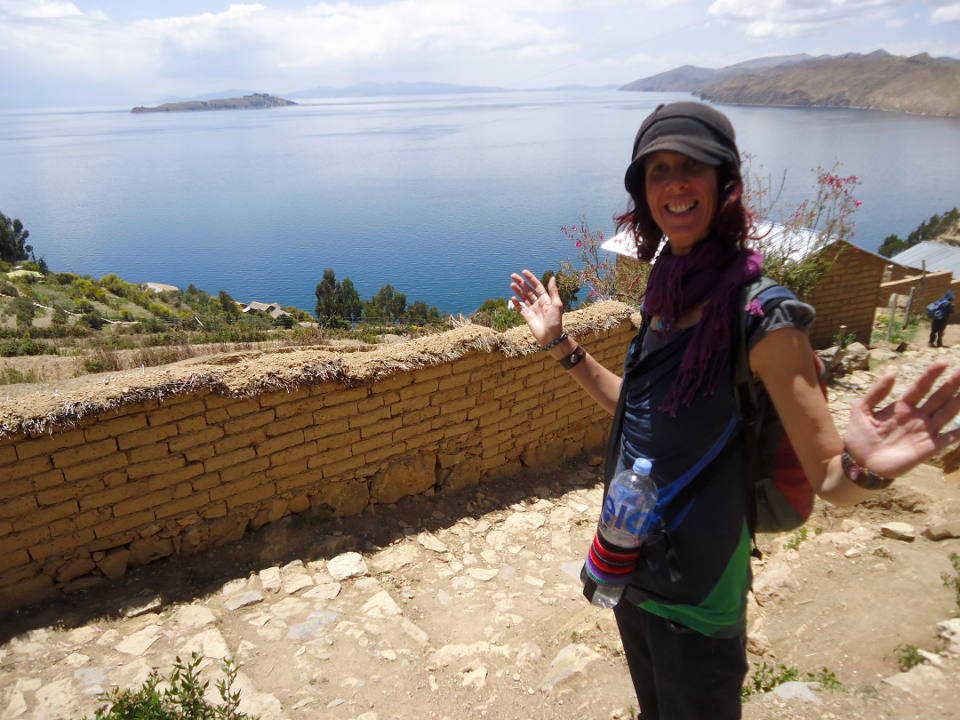
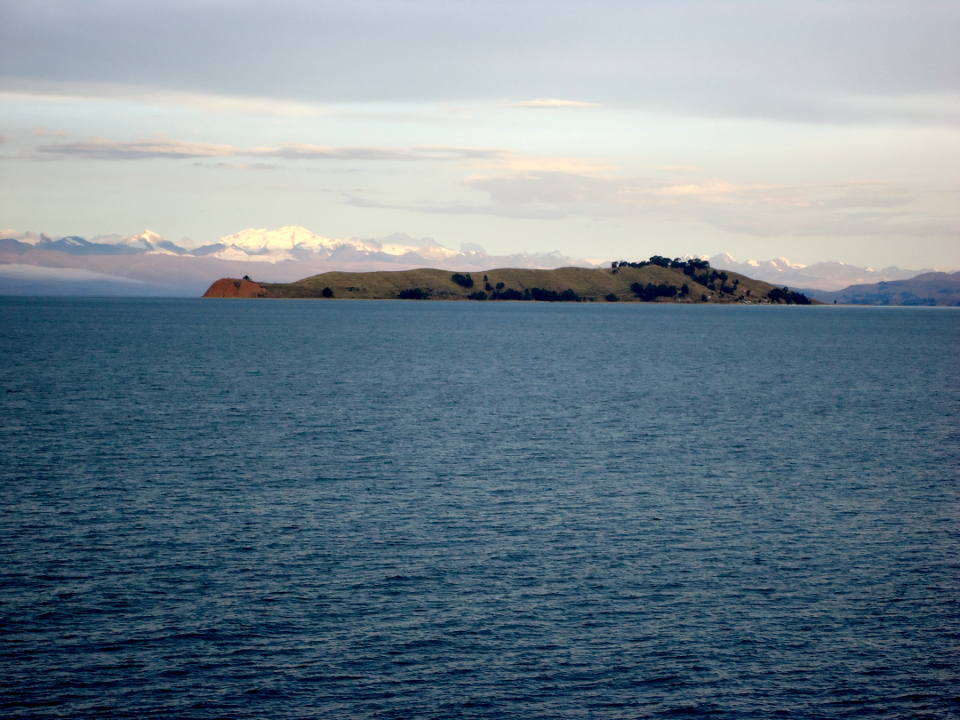
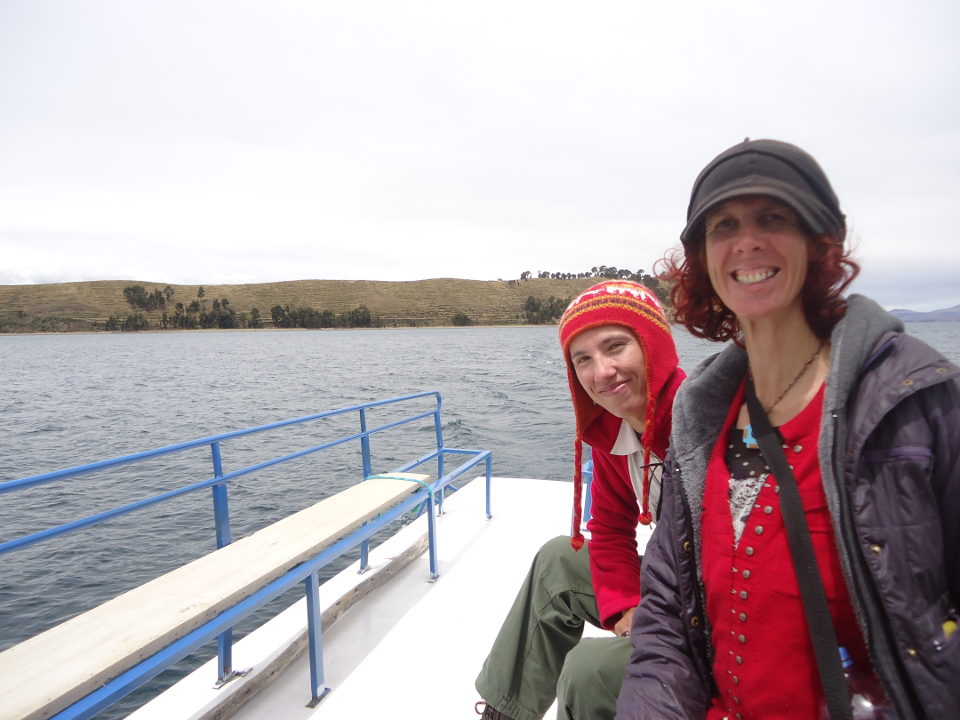
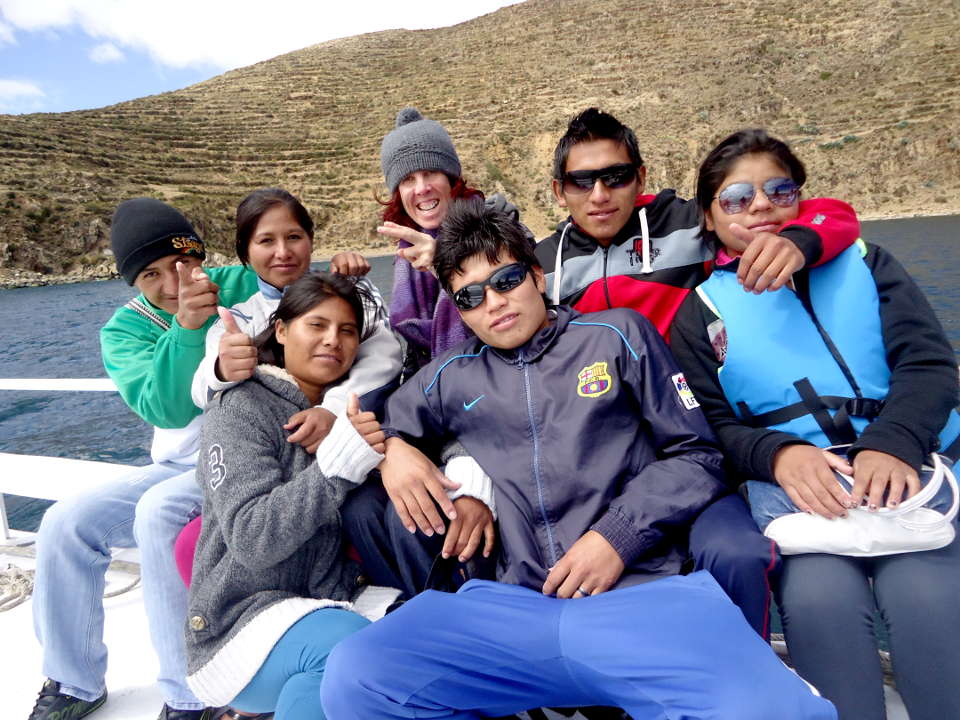
The next morning, I packed up and left my bag at the hostel as was leaving for Isla del Sol. I planned to stay on the island for a few nights. Although a day tour was booked, I wasn’t going to catch it back just yet. The launch left from Copacabana Beach at 8:30 am. I met a German friend on the boat. It was nice talking to her on the way. Then sitting upstairs, I met a group of young Bolivians on holiday. They worked in the mines. We were in the sun. We were on Lake Titicaca, every day sunny on the Island of the Sun!

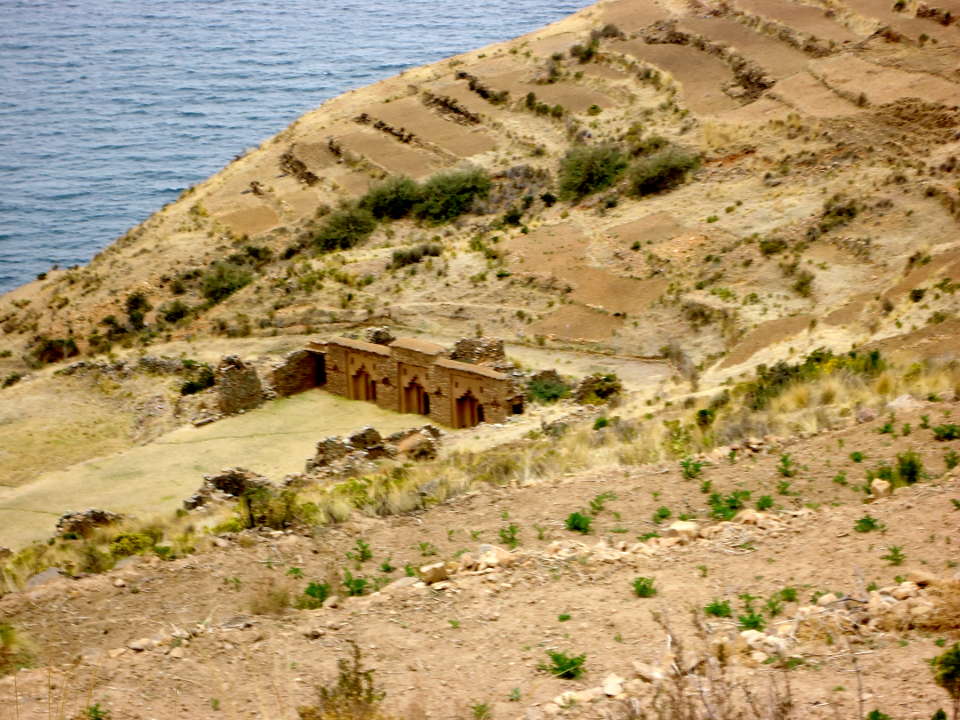
At Isla del Sol, we landed on the north side at Challapampa, and the tour guide took us to places. We all looked through the tiny museum, Museo del Oro (the Gold Museum).  We visited Roca Sagrada, (the secret rock). We also saw the ruins in the North. Additionally, we explored the footprints of the Sun (Pisadas del Sol). 

It is quite cold in the morning. Then it gets quite hot. The altitude makes it hard to walk fast uphill, so you get short of breath. The group of young Bolivians took their photos with me. While we were walking, one of them put my hat on. On the path, I lost her and the hat Id brought the night before.

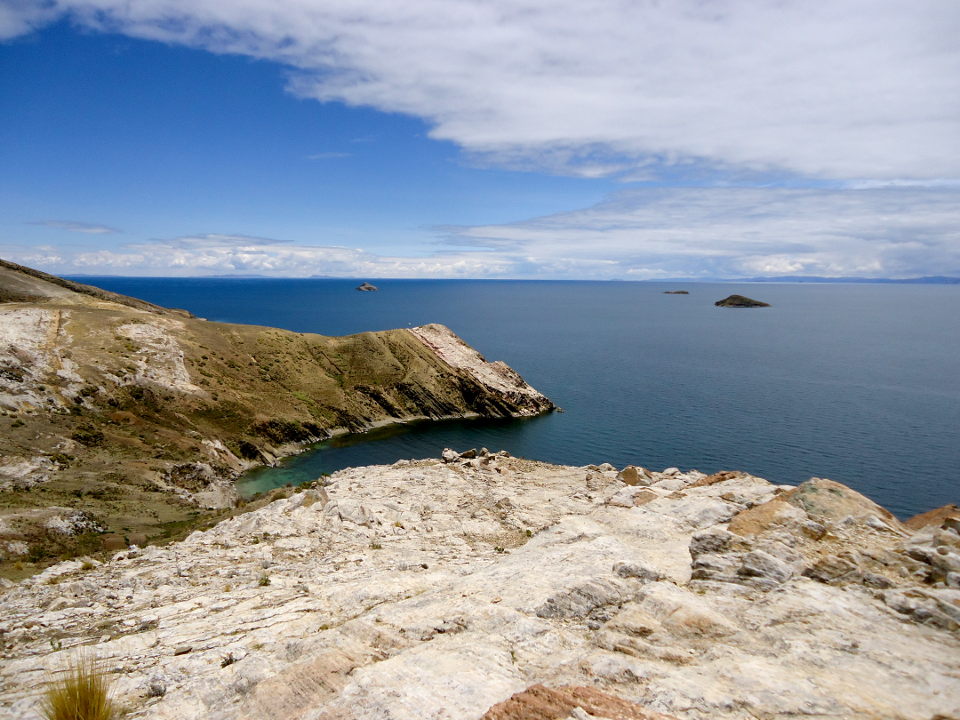
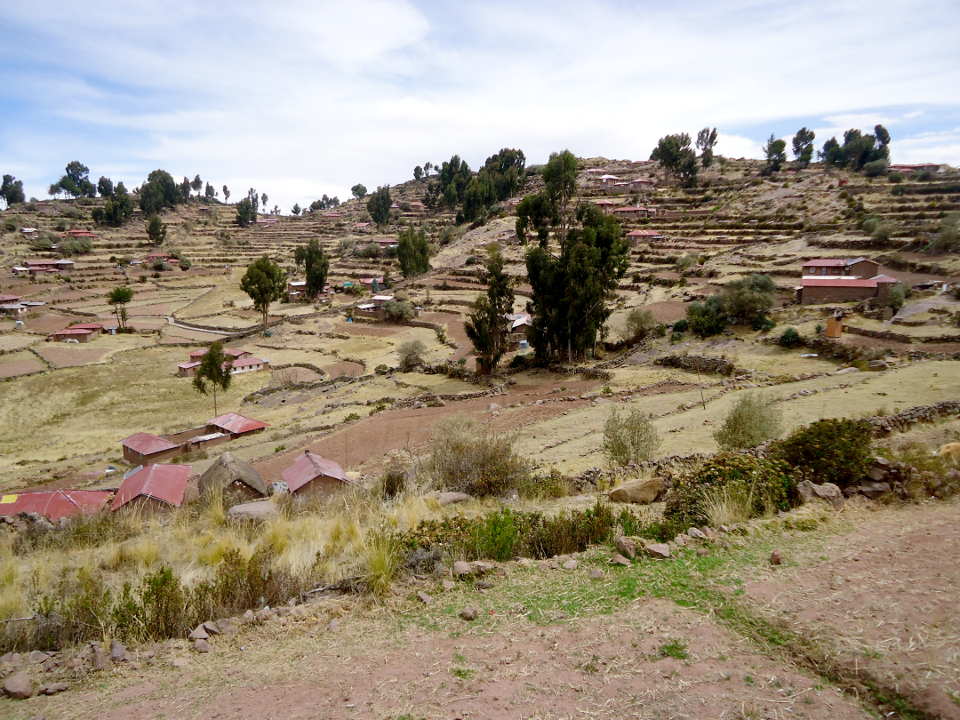
There are no cars or paved roads on the island. About 800 families live there. They rely on tourism, fishing, and farming for their livelihoods.  A rocky and hilly island, with many eucalyptus trees. There are over eighty ruins on the island. Evidence shows that people lived there as far back as the third millennium BC.

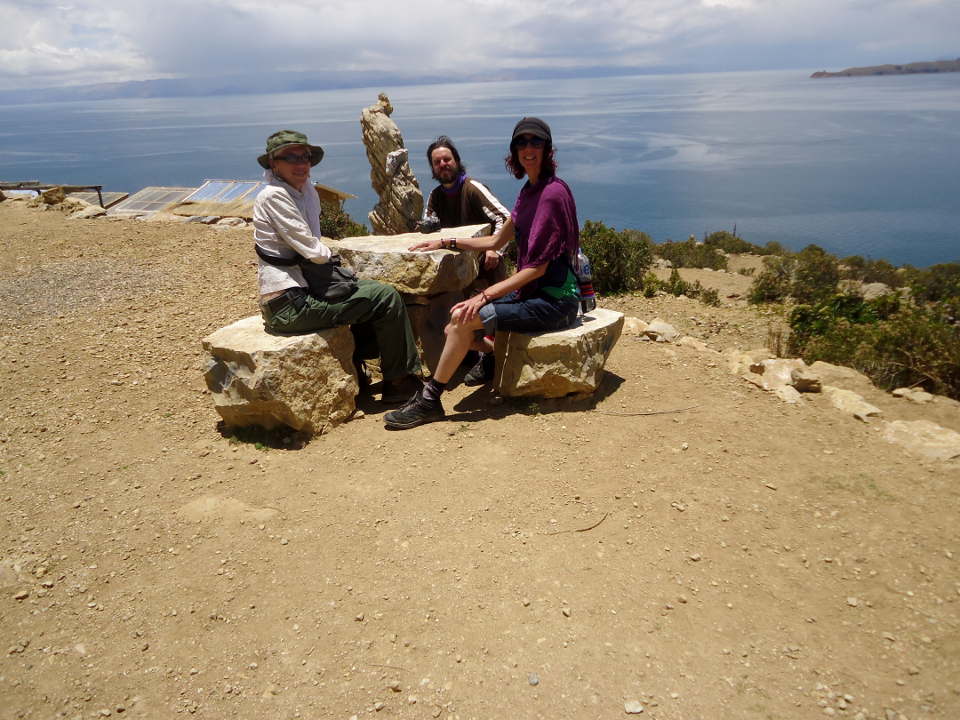
The guide took us to the Sacred Rock. He showed us where there was a big stone with fresh water under it. He showed us how we could put this water into our water vessels to drink, It was lovely water. The other gringos were afraid to drink this, I drunk a few bottles. I stayed on after the rest of the tour took the boat back. I disappeared and spent a long time behind the Sacred Rock, with a lot of LL. At the Sacred Stone, there was a point opposite and to the right that felt strong.

And then went to the North Side of the Island, there was no one around. and just lay there in the sun, and let it cover me. I focused my energy on nourishment for the ovaries and this chakra area.  And then returned to the Sacred Stone. After that, I started heading down to the Northern town. It was near sundown.

I had walked a bit with a band of Bolivian musicians. They were there to sing and play whilst the sun was going down. I listened to them play, and sing among others, the ‘Hare Krishna’ mantra. Feeling a bit worried, but trusting, in that I had brought my day bag with provisions with me. And all was fine as it was no problem to find a hostel. It was found straight away, trusting my inner guidance. With a room to myself and very reasonable, I stayed at Hostel Cultural. I had a lovely dinner at a local cafe. I went back to the restaurant again later, for desert. I met two women at my table. They were doing energy work at the Lake too. We had a good conversation.
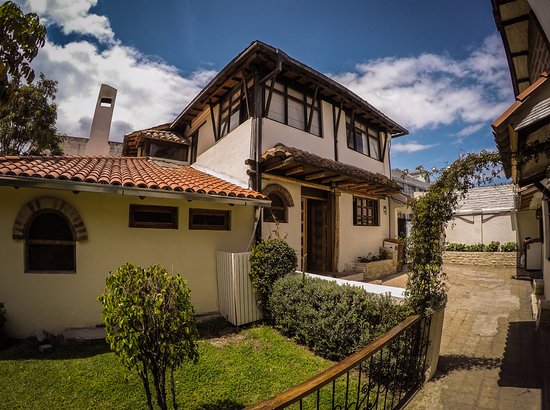
Hostel Cultural – image courtesy of tripadvisor

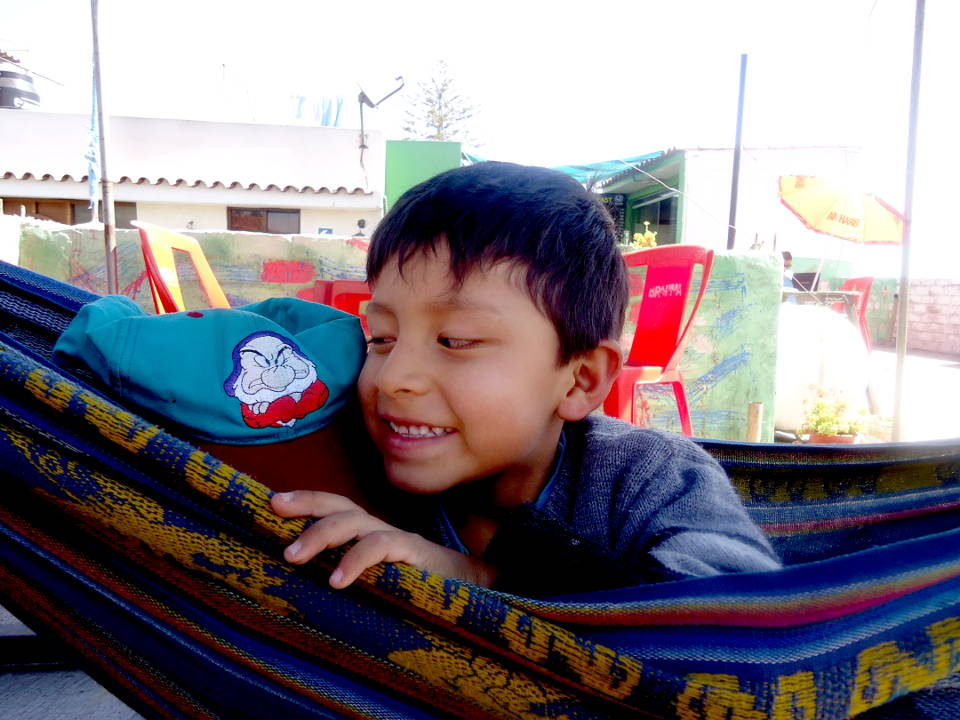
The next morning, it was up early to take a boat to the southern side. Walking past a café, I saw a women I had seen the day before at the Sacred Stone. I asked if I could join her, and we ended up traveling together for four days! Her name is Monika from Poland. Our waiter was a very mischievous and charming ten year old boy whom won us over. Monika was catching the boat too, we had breakfast together. Then we met a Chilean man called Eduardo, and we all caught the boat to Yumani.  Turned out we had all stayed at the same hostel. We bumped into him again later that day, and all sat at a lookout for a drink and a rest.

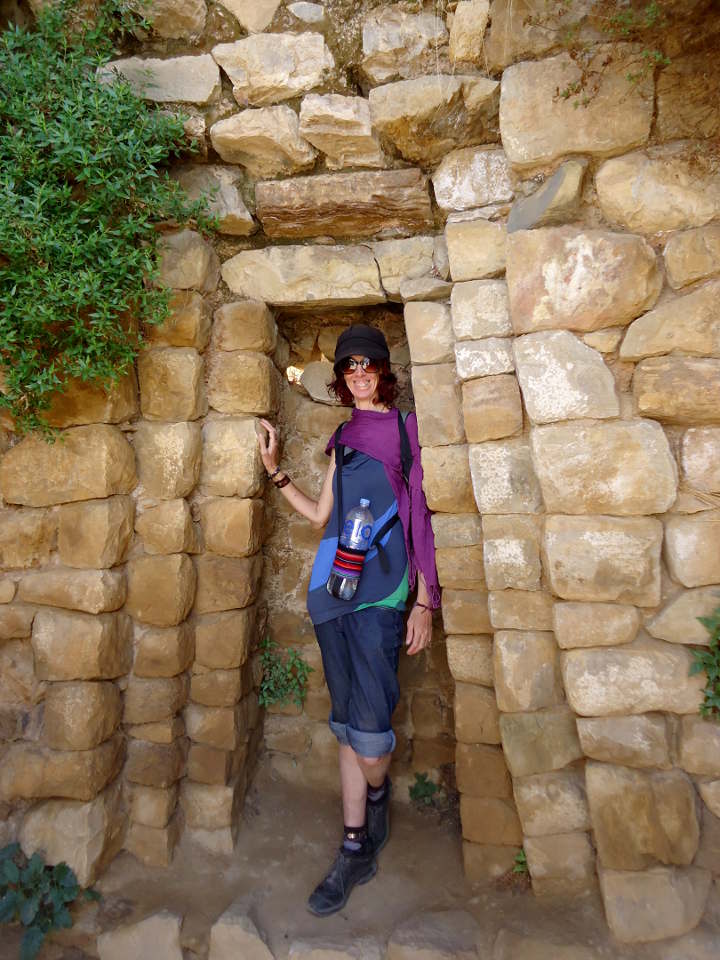
We found hostels, and picked different ones, from my room I could see all the boats coming and going. We had something to drink and then went to the Ruins. We walked down to Picokaina (the Temple of the Sun). I felt the strong energy there in the rock in the ceremonial room. I also sensed a line strongly connecting to the Island of the Moon (La Luna). So, we did a quick ceremony in both rooms, one for the line going through.

Hostel where I stayed

After the ruinas, we walked down to the lake, it was close, and I went for a swim. Monika watched, and two local children played with us. The wee girl wanted to go for a swim too. I waited for her and dipped in again. It was freezing cold though!  Very Icy, but my body felt amazing after swimming in the Sacred Lake, somehow revitalized. Then we walked back up to our hostels in this small town where the boats come in.

The second night was a bit stormy when it became dark. I went to bed early. However, I didn’t sleep much while listening to it. The hostel was sitting right up above the lake, great view, but heard every wave of the lago. After the second meal of the day of the standard meal. Which consist of trout (trucha), rice, la plancha (means cooked on a metal plate). With potato fries (papa frittas) with vegetables and quinoa soup!
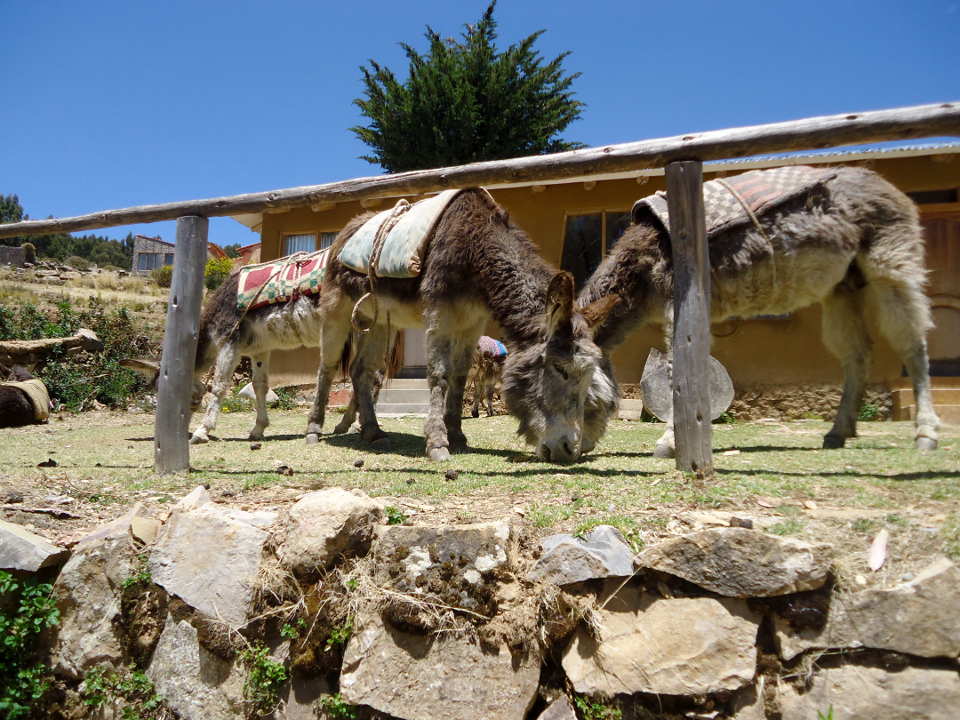
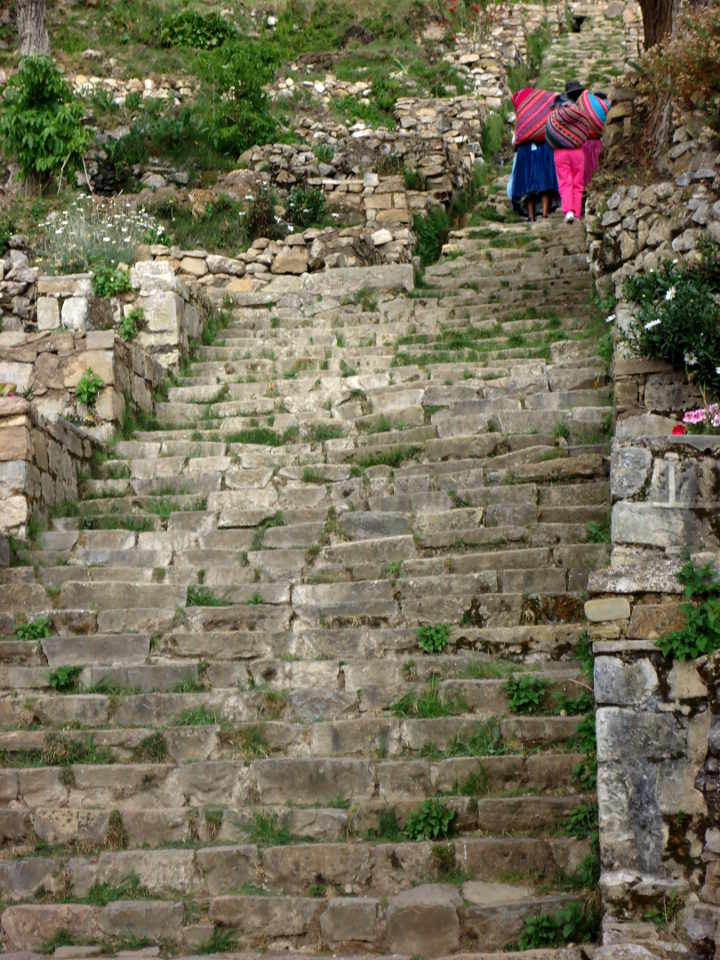
On the way back down to our hostels that day, we took the donkey route by accident. It was amazing to witness. However, we must have been annoying for the locals. We tried to keep out of the way. Standing well back for the local people coming up bringing up supplies on the donkeys. The donkeys seemed to be very good and obedient, plodding on following the steep path up from the boats. The town is up on the hill. The views upon the walk to the ruins, are fantastic, up over Lago Titicaca. We also went to Escalinata, which you go by, evidently pre Hispanaic stairs of Yumani.


Isla de la Luna

Meeting Monika at 8 am, for an early breakfast at our favourite restaurant overlooking the lake. Then we went down to catch a boat to Isla de la Luna (Island of the Moon). We meet Eduardo, a Danish man who also was looking to head over to do ceremony. On a hunch, I asked him if he was heading in the same direction, and sure enough. So we ended up hiring a private boat together, for only 100 Bolivian each.

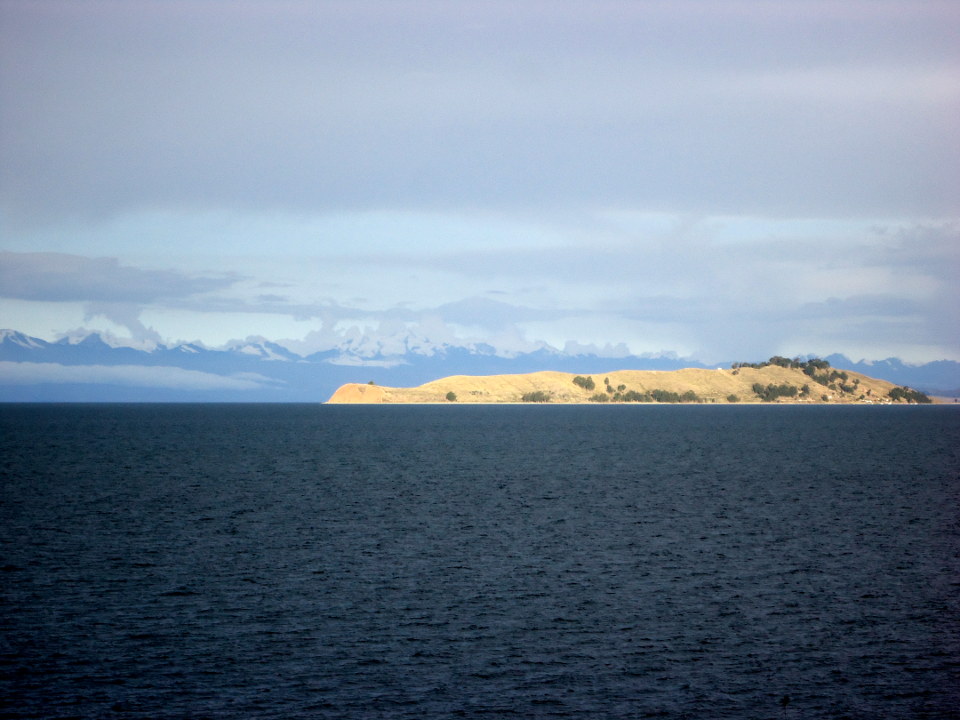
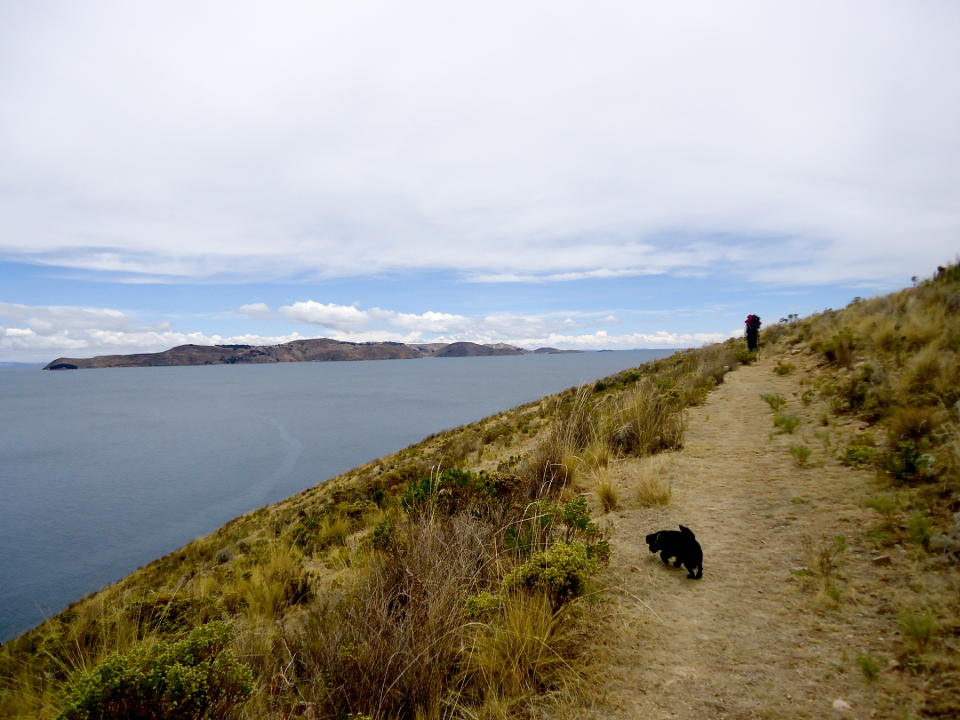
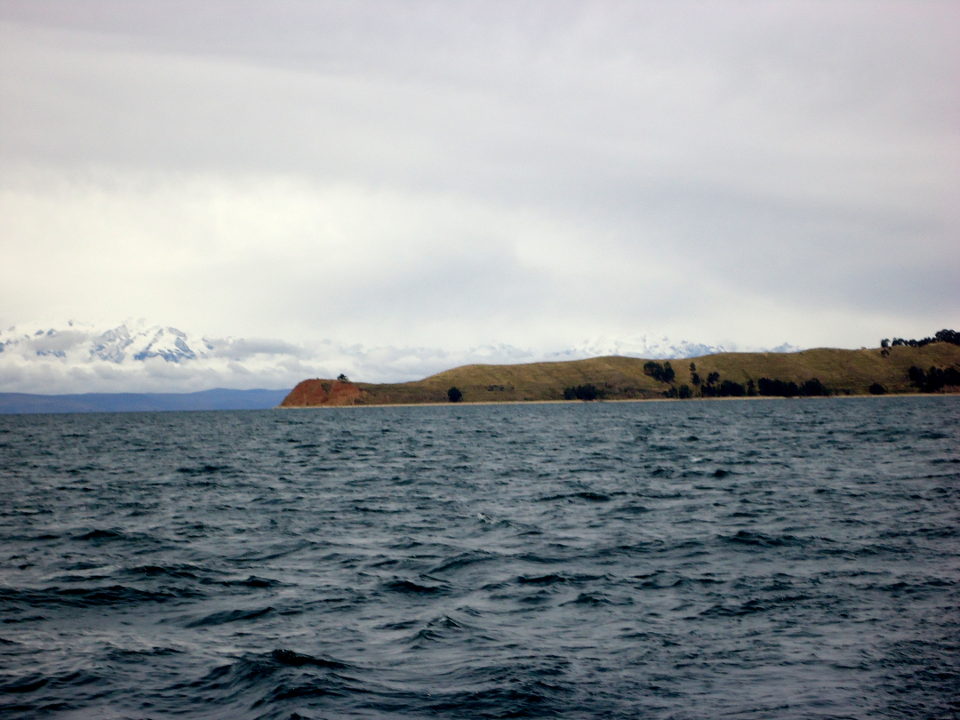
We seemed to be the only tourists there. It was about forty minutes each way to cross on the boat. There is a temple on the island, but strangely enough, both Monika and I missed the temple. Somehow! A small black dog came and joined us, and we called him our guide. Only he didn’t lead us to the ruins, and we ended up walking to the north of the island. Feeling like I was being called to this side of the island anyways, because of the line sensed between them. I made it over a barbed wire fence. It wasn’t an easy task, but determination and being a Capricorn usually wins over. I went to the very north of the island. Monika had turned back, and laughed when she turned around and she saw me going over the fence. The wee dog was with me the whole time, and starlings were flying around. I lay on the ground in the same way as I had on the North side of the Sun Island. Meditating again on nourishment in the sacral chakra area. I did many LL activations for the line over and calling out over the lake. We had nearly two hours there, the boat man had waited to take us safely back to the Sun Island.

Drunvalo Melchizedek, in his book ‘Rainbow Serpent’, describes a crystal. It is buried under the lake water between Sun and Moon Island. I felt a strong energy, closer to Sun Island than Moon Island. On the way back, we did a small ceremony. Lake Titicaca is often referred to as the Sacral Chakra of the earth. Lake Titicaca is unique in that it is the only Earth Chakra that is a body of water. More about this at the end of this page.

​The Sacral Chakra, ‘Within the water element, there is an immense power of flow. This energy has to be regulated to avoid any destructive consequences. When the Sacral Chakra is in balance, our emotions flow through us without any judgments. Recognizing these emotions enhances our ability to understand deeply and express our desires. This restores balance and harmony’. Ram Jain, arhantayoga.org

All the days I was there were very sunny. The days of my trip, were clear. After the island of the moon boat trip, I got very sunburnt like a tomato. I was wearing a hat, but I was facing the sun. A week later I still had sores on my face, by my lips, it was been many days of this.

Monika and I had some lunch and then took a boat back to Copacabana. Picking up my bag at Los Andes Hotel, we decided to share a large apartment room there. It felt like a penthouse, with amazing views out of the lake. We felt happy and blessed, organising things, and I exclaimed at my extreme sunburn. We stepped out for dinner. We saw my friend, the Peruvian Jeweller. He led us into the restaurant where he works. A live band started up before us, they were great. It was funny. An opportunist older man took a shine to me. He called me his girlfriend and got me up dancing. Our dinner was lively that evening.

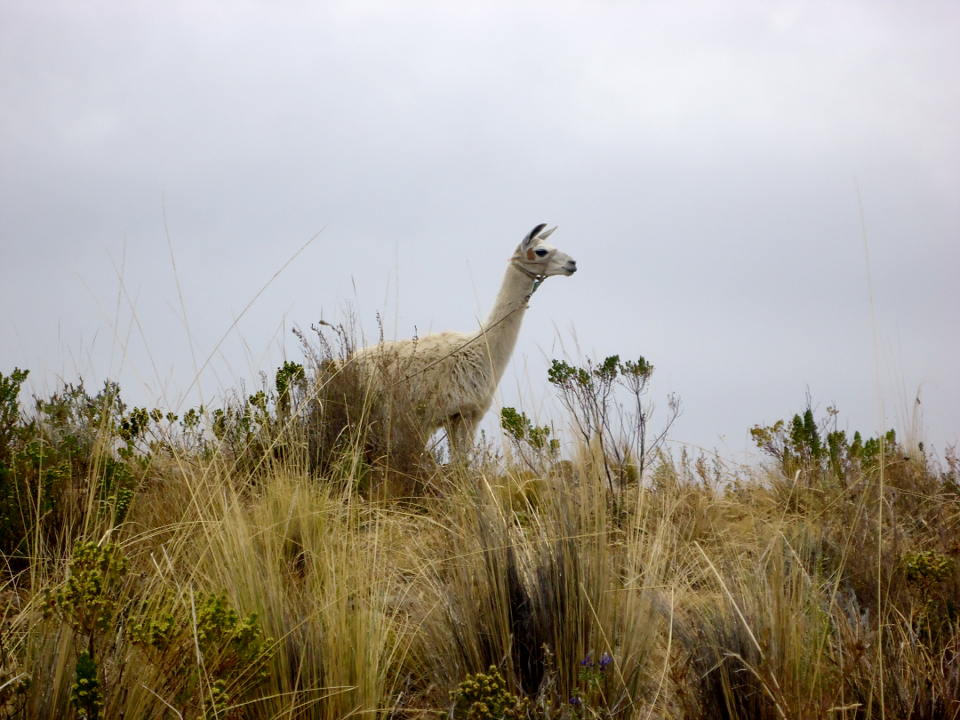
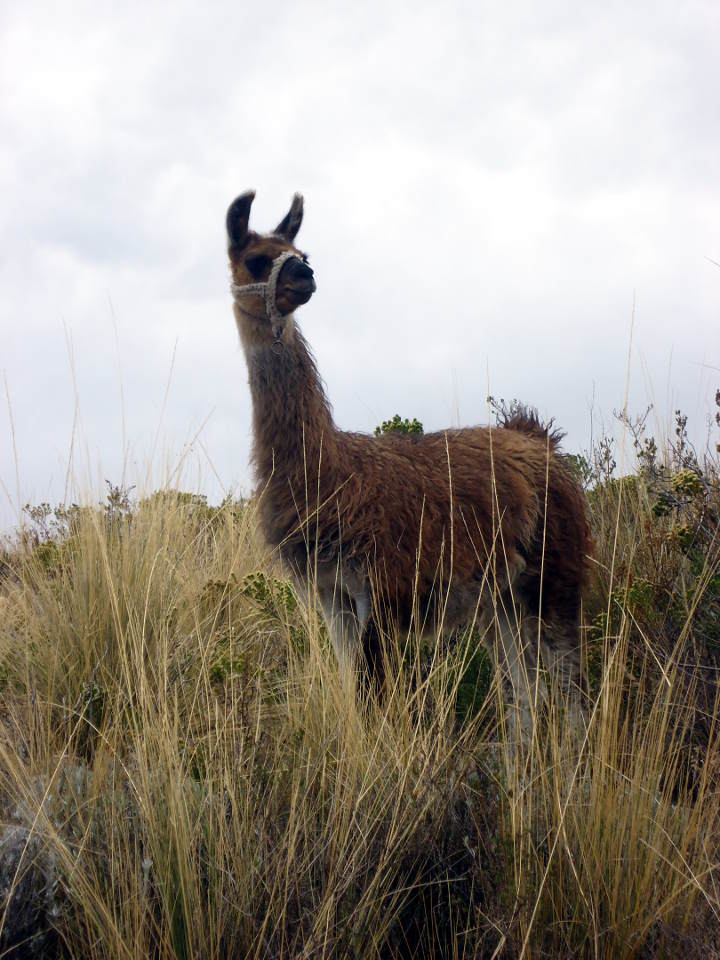
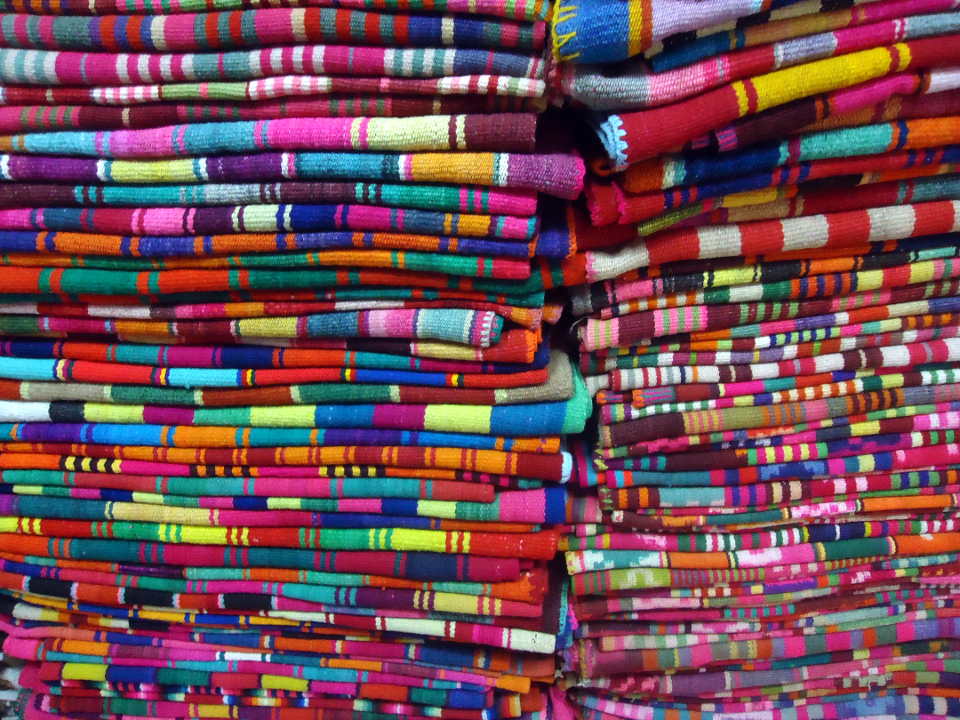
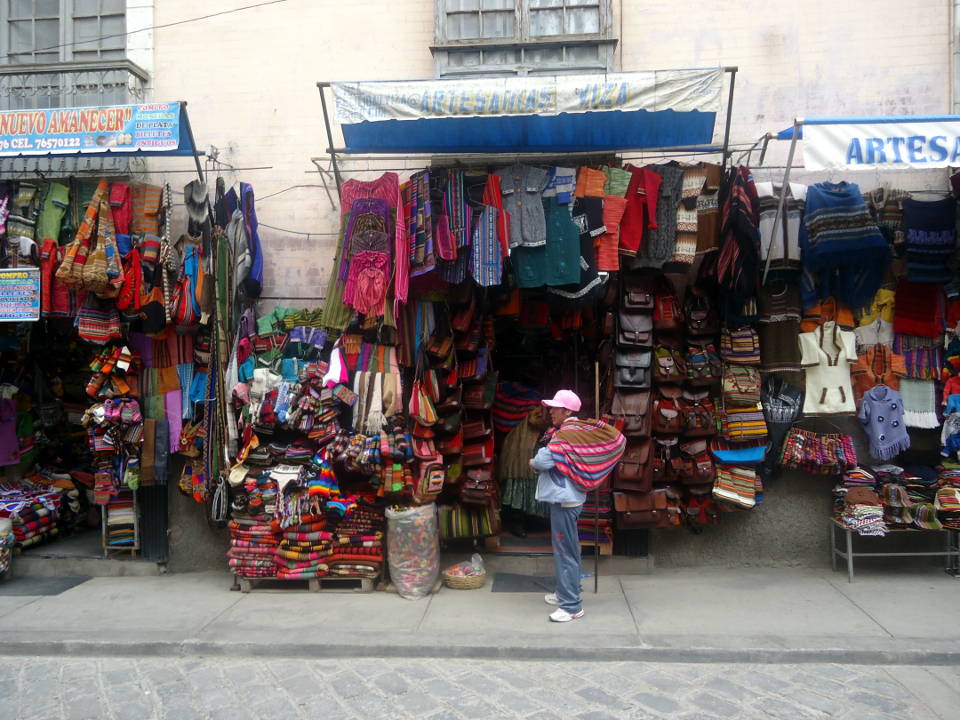
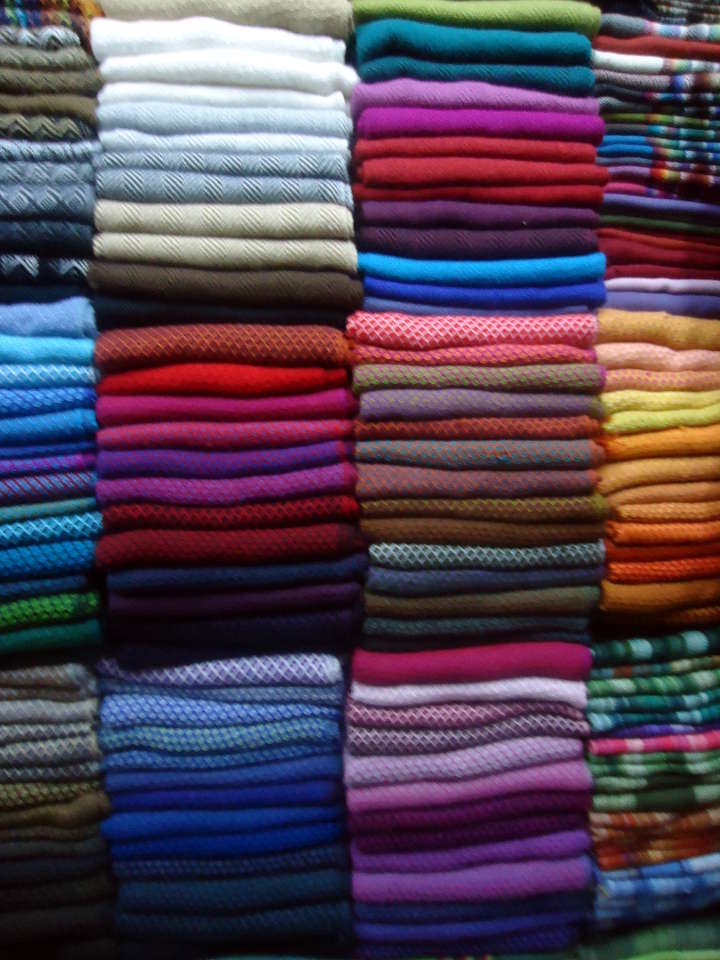
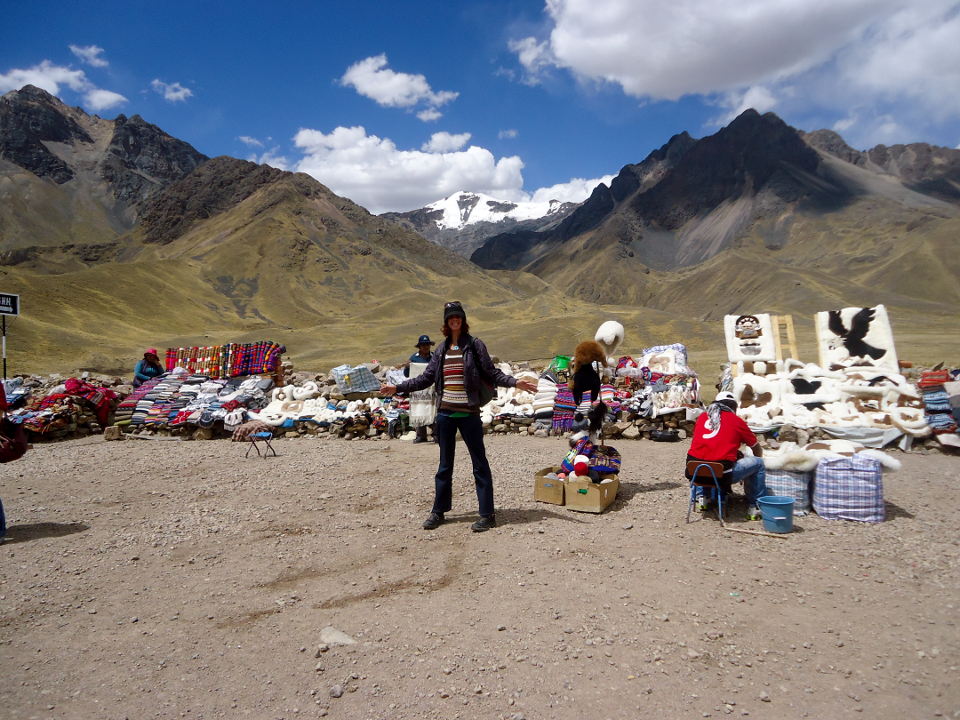
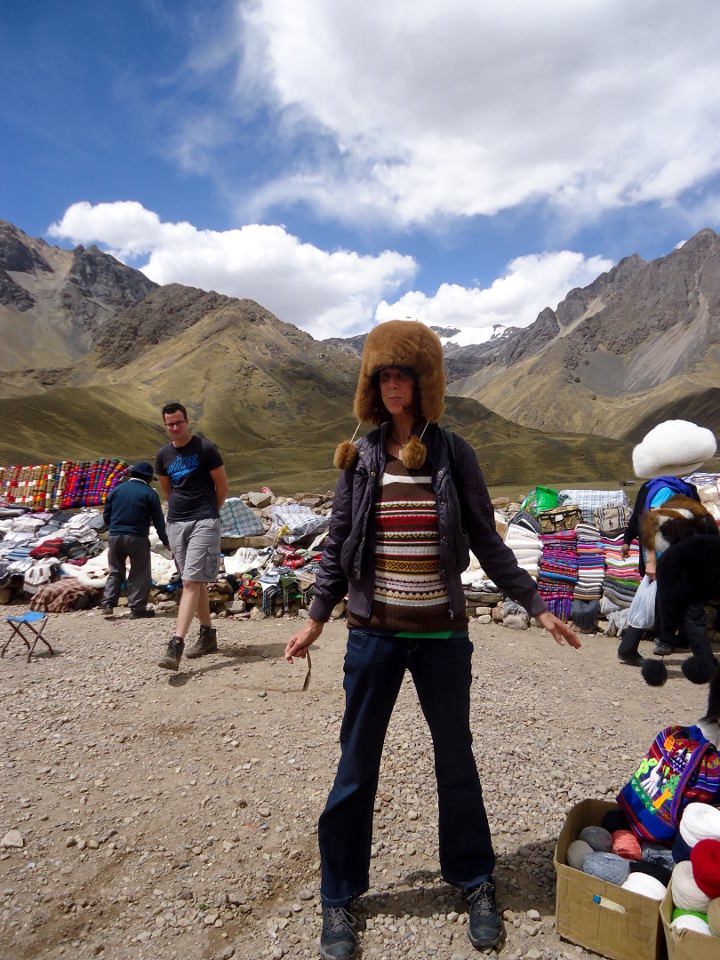
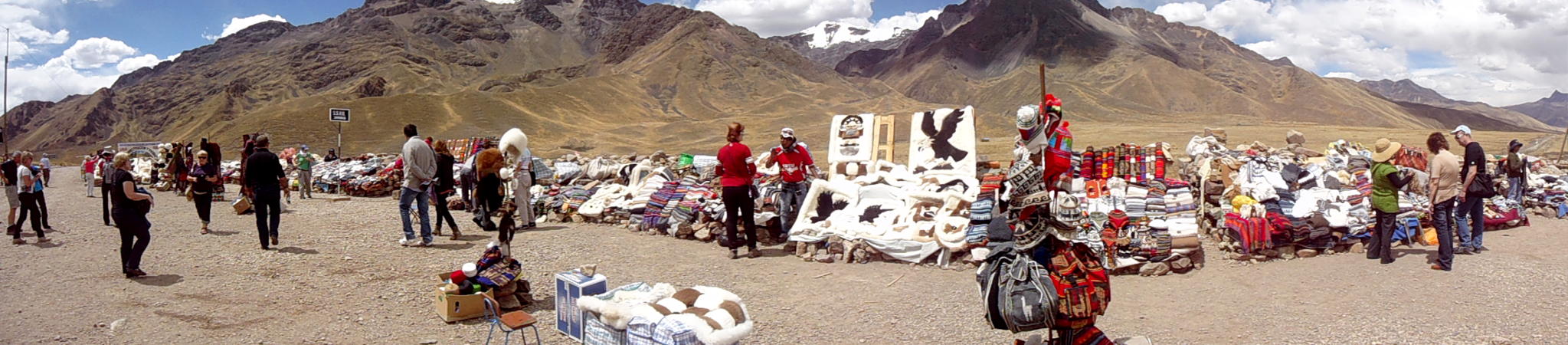
I ate trucha (trout) for the six nights I was in Bolivia. I also had lots of sopa with quinoa. They were all delicious meals. We also went shopping and I brought another hat for only around $5nz. Alpaca and Llama items are in abundance. It is wonderful to be surrounded by so many lovely handmade products. The women sitting on the street or boats are constantly busy making with their hands. It is quite meditative. I took note to learn from this.

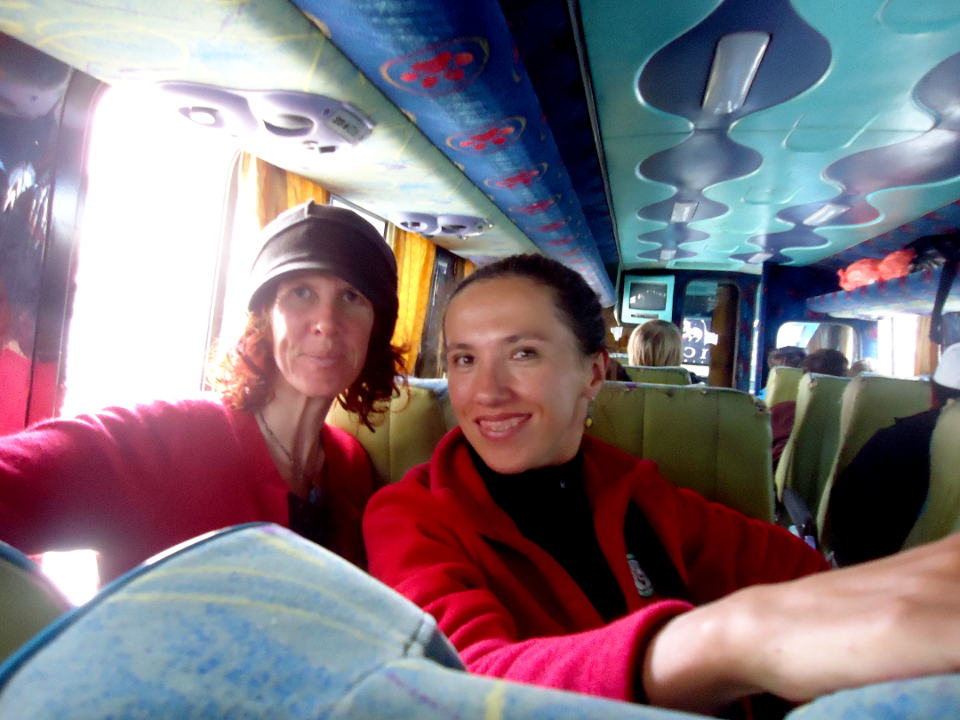
And we both enjoyed the fantastic Jewelers shop which was jammed packed full of lovely handmade jewellery. The next morning, after breakfast at the hostel, I bought an Alpaca top. Then we were on a local bus towards La Paz. There were lots of tourists on the bus too.

La Paz

La Paz

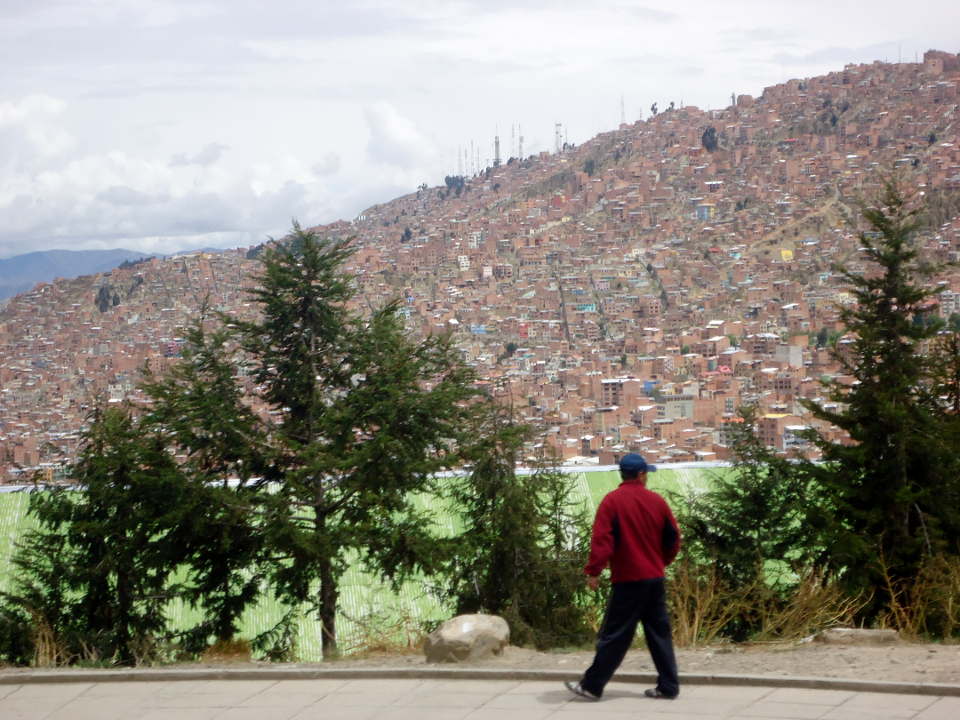
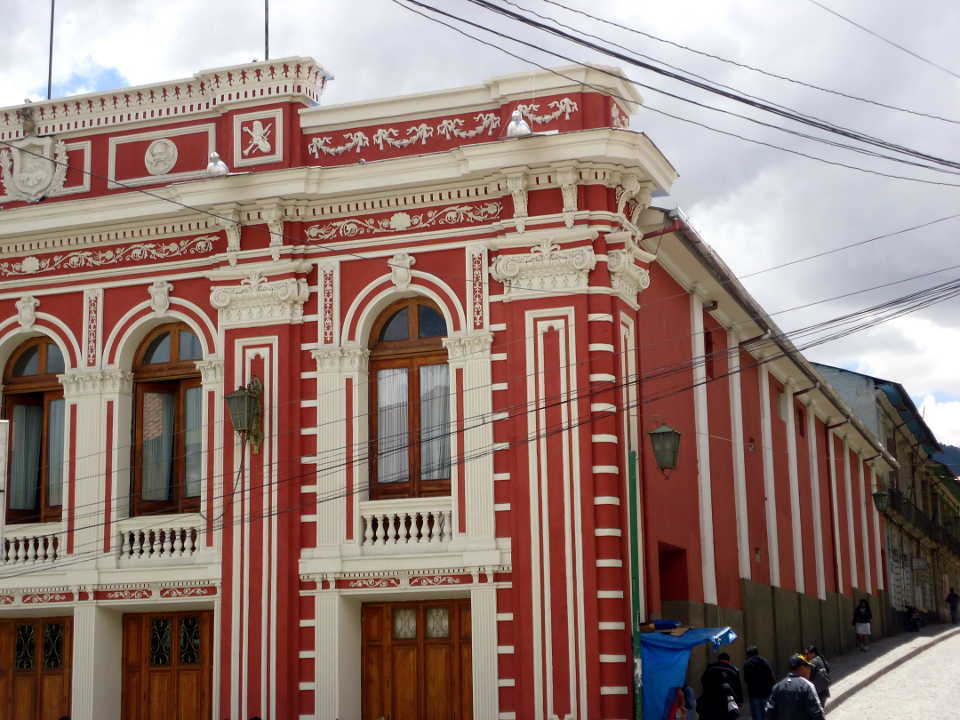
With luggage stored in compartments underneath, one of them spilled out onto the road. It was lots of sardines in baskets. At one stage, everyone gets off the bus. Then they go on a small boat. They get the bus again, passing over Lago Titicaca once more. Coming down into La Paz on the bus is quite an experience. The city is in a valley with condensed housing appearing all of a sudden.

Not sure what it was with this trip to Bolivia and Eduardo’s that kept popping up. First, there was the Chilean Eduardo. Then, there was the Danish Eduardo. Finally, the Peruvian Eduardo who had been my tour guide to Amaru Muru in Puno popped up in La Paz. He had emailed me to say there had been a change and so he was coming through. I had booked a flight to Mexico through his travel agency, for some reason this hadn’t gone through. It turns out the place he had organised to meet me was on the opposite side of the street. I booked into there too as it seemed easier. It was where Monika was staying. I rested when we arrived. Then met up with Eduardo in the afternoon and he told me the situation. I got online there and then, to book a flight as it seemed I didn’t have one booked after all. He helped me book one online, but it seems we made quite a mistake in this new booking. There was a lesson learn in this whole experience. I looked up the meaning of the name Eduardo, it means ‘wealthy guard’.

Rising at 3.45 am the next morning in order to catch a taxi to the airport. I thought I was leaving, but I wasn’t to go just yet. I arrived at the desk and found out that I had misbooked. The American Airlines attendant picked up that the ticket was from La Paz, Mexico, not La Paz, Bolivia. Seems there are a few La Paz’s with airports.

At the airport, I tried twice to book onto other flights. But whilst waiting, I felt like I was going to faint. It was the only time on this trip that I had that feeling. It felt like I had eaten something that was not sitting well. So after a few trips to the bathroom, I started feeling a bit better. So, online again I booked for the next day instead, this is all getting very expensive though. But I think it was perhaps all for the best I didn’t fly that day.

I was washing hands in the bathroom. I asked a local Bolivian lass if she was catching a bus into town. She had a lot of luggage. Turns out she was, and I went with her to catch a Collectivo, a local bus. With my bag stored with others on top, I was a bit nervous about this. Traffic was intense, but we made it. She was nice to me. I got off at the San Francisco church. It was literally only 4 Boliviano ($1NZ) for this service. I got off here and went to where Monika was staying and booked in there. And found her and let her know what had happened.

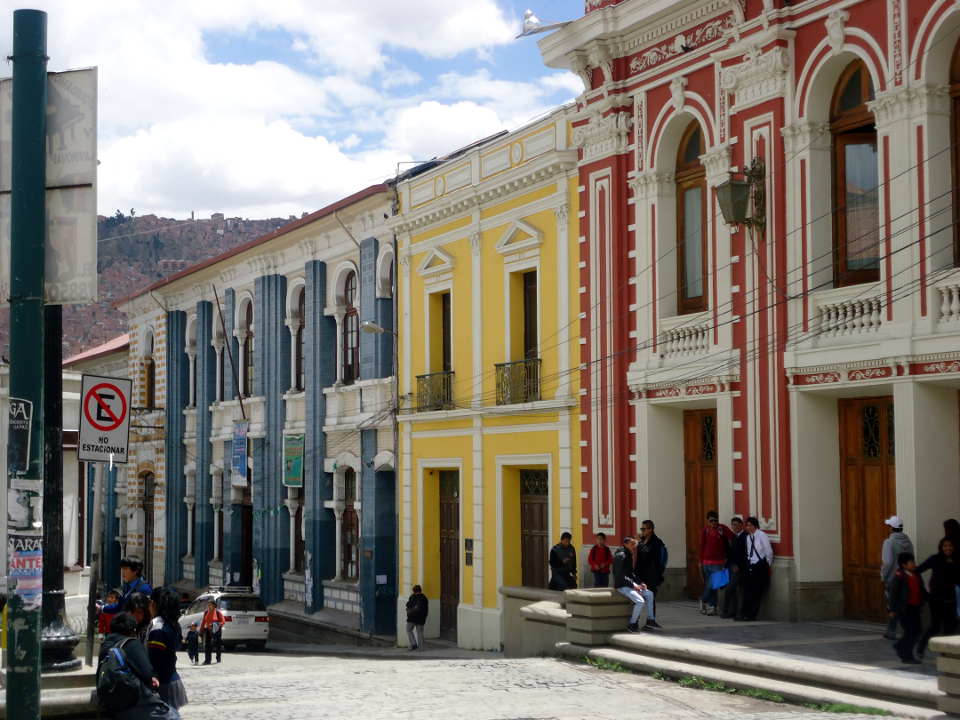
And so I ended up having an extra day in La Paz, due to the mix up. La Paz is a busy city in a valley. Staying another day allowed me to know it better. I liked it more. Walking with Monika and finding the chocolate shops, one in particular that was awesome. I brought some chocolate that was 100% Cacao. It had no sweetener. It was very bitter and took some getting used to.

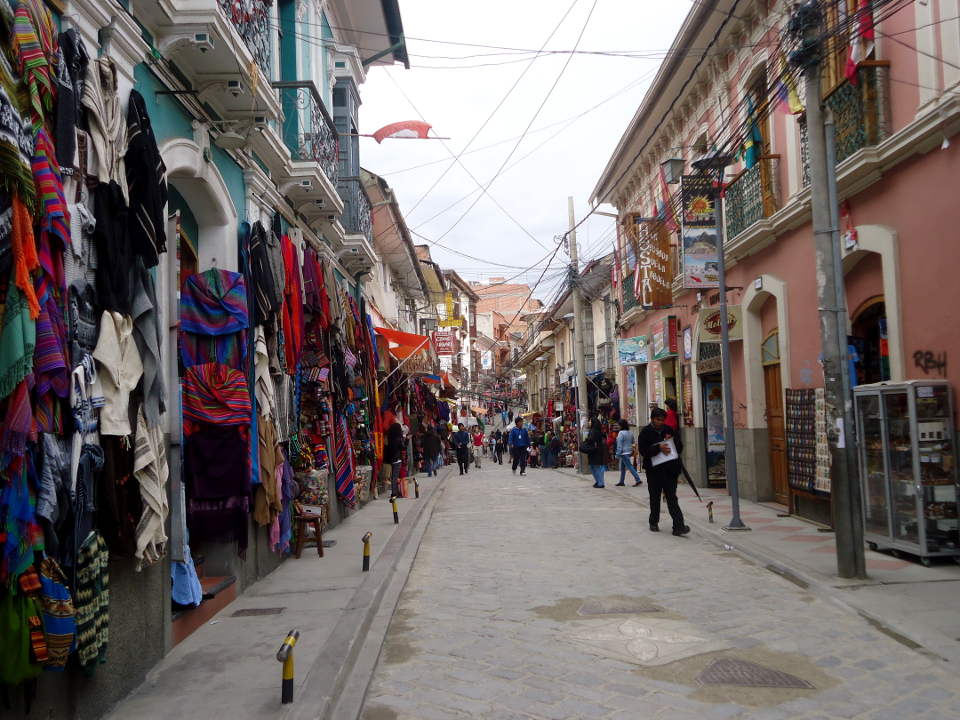
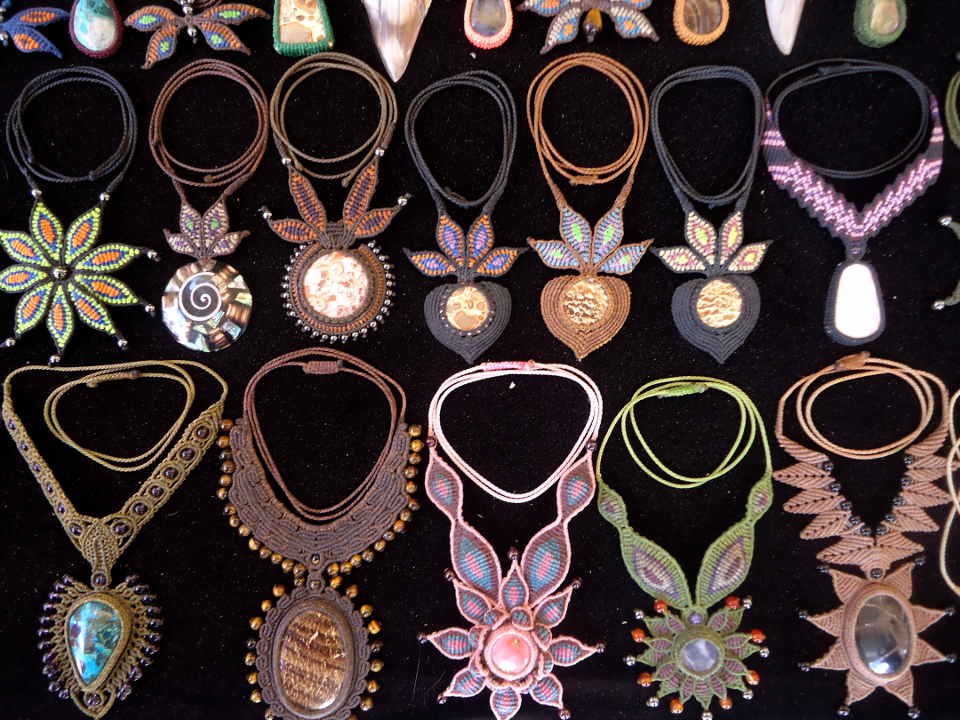
Wandering and shopping on the main tourist strip there, full of jewellery and clothes. I brought a necklace from a street seller, whom had their jewellery displayed, for a friend Maria. I like buying from street makers. They are individual, and you get to meet the person who made it. Monika and I went into a shop that sells interesting potions. We bought some love potion. I never ended up using it. I probably should have!

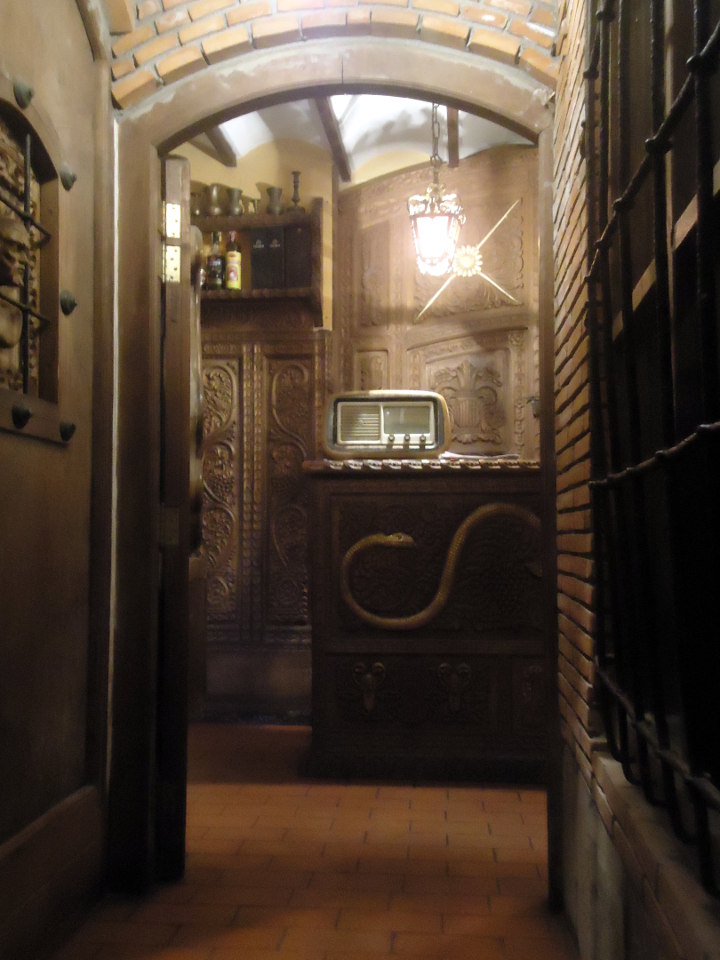
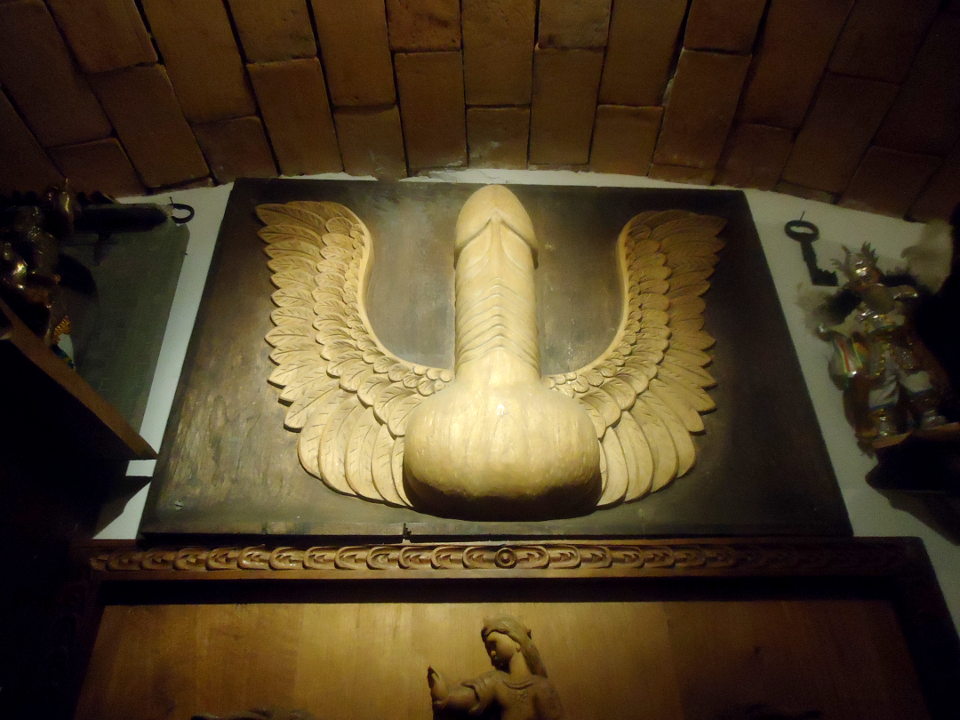
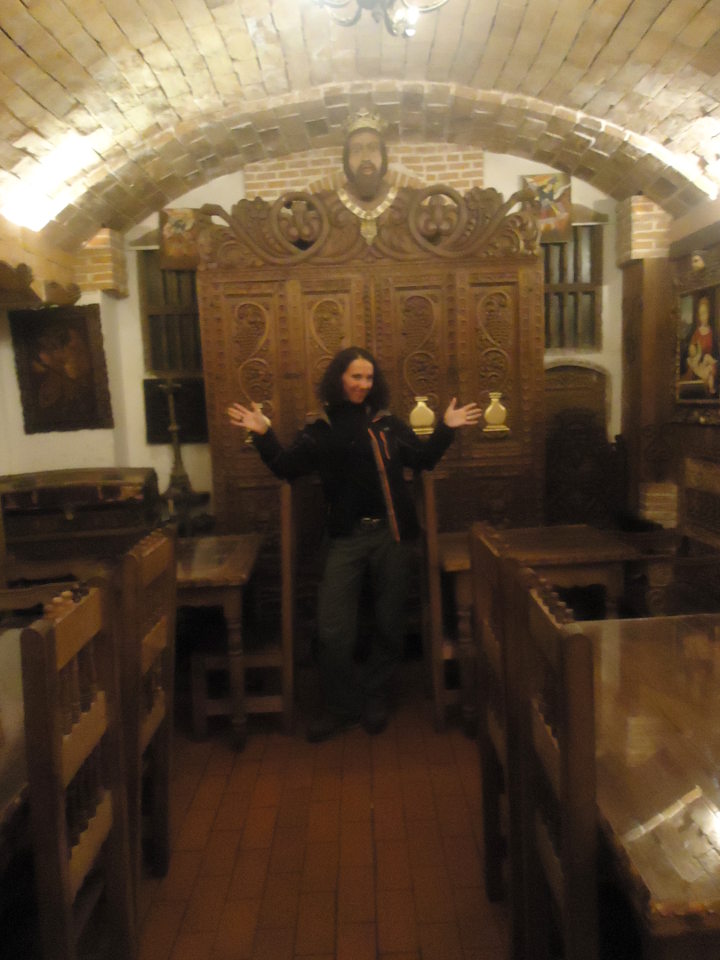
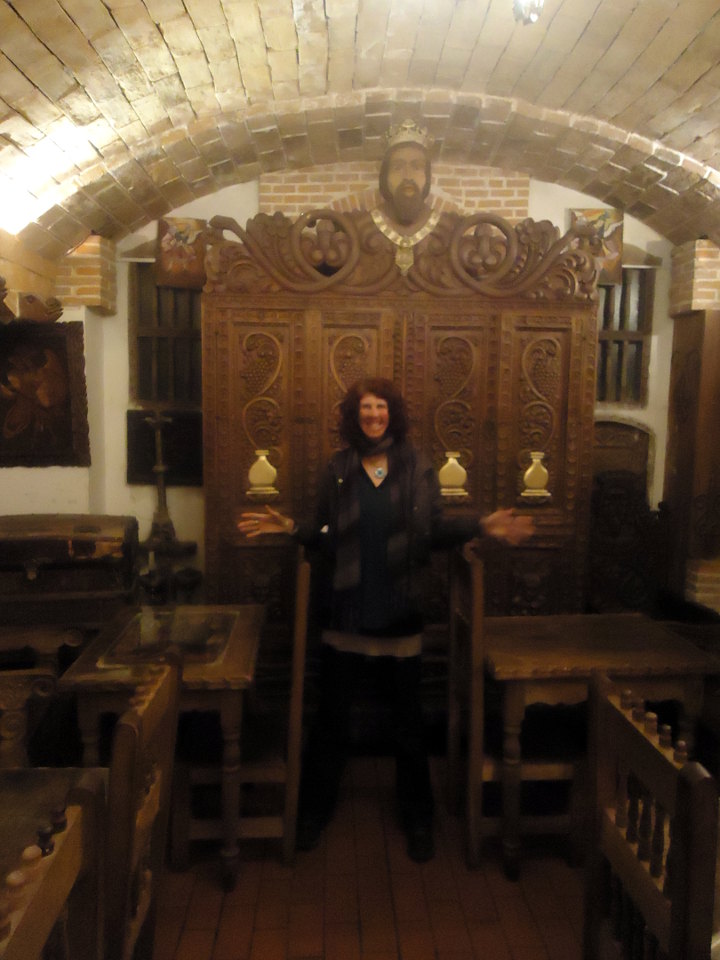
Then that night, we found quite a place for dinner, and it was a three course meal. The meal consisted of the Bolivian staples. We had quinoa soup for starters and trout with rice, vegetables, and fries for the main course. For dessert, we enjoyed rum bananas. All of this was for only 40 pesos. We ate in a fascinating setting. Grandiose and well-carved fertility symbols and carvings surrounded us.

La Paz

31 Oct, Up at 3.45 am again! Two guys from the hostel shared the cab to the airport, for a 6.25 am flight to Cancun, Mexico.

LAKE TITICACA – The Second Chakra

www.earthchakras.org by Robert Coon.

On the Island of the Sun, in Lake Titicaca, is found the Titicaca Stone. Which is the geometrical centre for the second earth chakra. This is the world centre for the creation of new species, and significant evolutionary advances within existing species. In the human body, Lake Titicaca correlates to the second chakra. The difference is that the world second chakra governs all species, taking a special interest in positive mutations and evolutionary advancements. From Titicaca is born what is truly New. This sequence, over the Aeons, of innovative births always points in the direction of the goal of life – everlasting life. How can life force and structure be combined in a way that overcomes entropy? The Earth wisdom of the Andes continually seeks to answer this question with ever-increasing clarity.

The undifferentiated life force of Chakra One, Mt. Shasta, is transmitted to Lake Titicaca via the great world ley artery – The Plumed Serpent. This life-giving telluric current encircles the world, and has its evocational home at the El Tule tree in Mexico. Lake Titicaca is one of the two greatest ley crossroads on Earth. The Rainbow Serpent intersects the Plumed Serpent at the Island of the Sun. These two gigantic ley arteries also cross each other on the island of Bali, in Indonesia.

If you construct this second world chakra on a map, let the circumference pass through the junction of the Napo and Maranon rivers, near Iquitos, Peru, where the Amazon River begins. Notice that this great circle includes the heart of the Andes range, and includes many other sacred sites, such as Cuzco and Machu Picchu. All sacred sites within the Expanded Sphere of an Earth Chakra partake of the same defining qualities. Thus, Machu Picchu is also a world second chakra force.

EARTH CHAKRAS

‘There are twelve Inspirational Earth Chakras on the body of the Living Earth. When these twelve areas are all in a state of vitality, then the Will of the Earth is able to take the quality of life for All Beings to the next level. If there is war, famine, or any major tensions within any of these regions, then the overall potential for the quality of life on Earth is restricted.


It is essential to continually work for the advancement of Light, Love, Life, and Liberty within these twelve foundation Earth Chakra areas
‘.

Locations of The Seven Chakras

1. Mount Shasta, California, USA, North America

2. Lake Titicaca, Peru – Bolivia, South America

3. Uluru and Kata Tjuta, Northern Territory, Australia

4. Glastonbury and Shaftesbury, England , Europe

5. Great Pyramid, Mount Sinai, Mount of Olives, Middle East, Africa

6. Aeon Activation Chakra, mobile (currently stationary at Glastonbury – see Chakra 6 link above) Antarctica

7. Mount Kailas, Tibet, China, Asia

Lake Titicaca – Interview with Jorge Luis Delgado

A You tube documentary is The Earth Chakras 2nd Chakra: Lake Titicaca. Where Dr Tracey Ulshafer talks to Jorge Luis Delgado, who discusses the energy of this very important power place. Mr. Delgado dives deep into the Andean culture’s legacy through insights, stories and teachings. From his personal connection living in the area, to his years of tourism service and attuning to his own shamanic heritage.

Peru 2013

Featured

The Sacred Valley

Arequipa

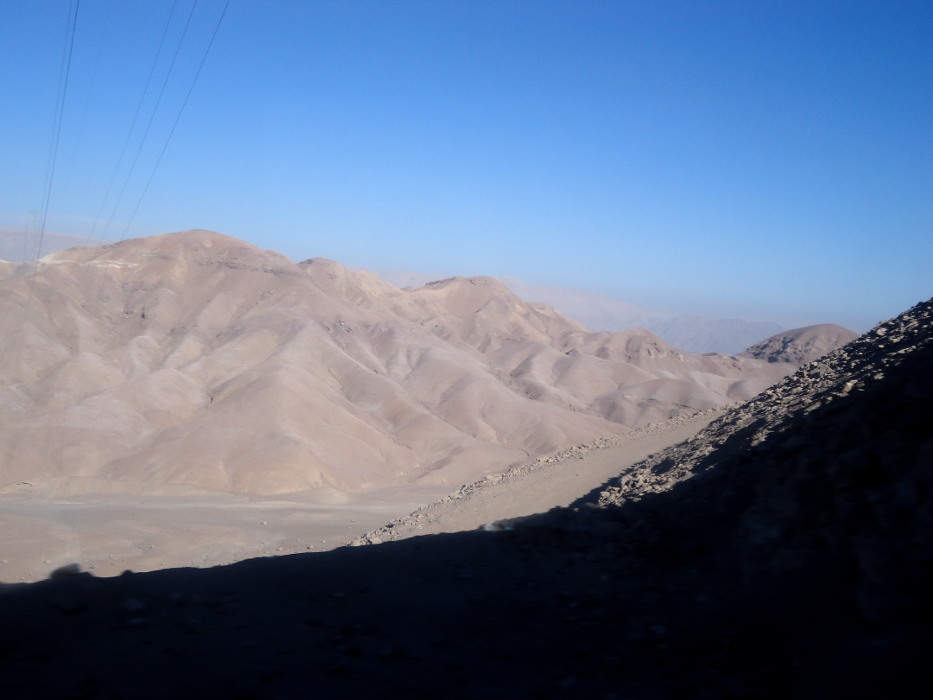
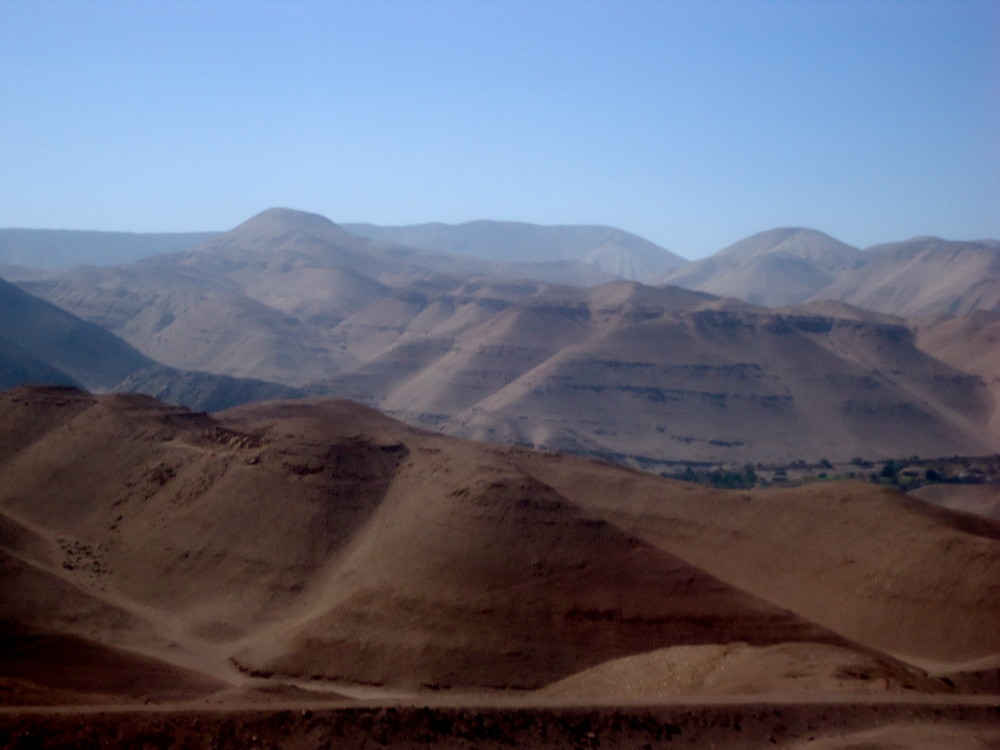
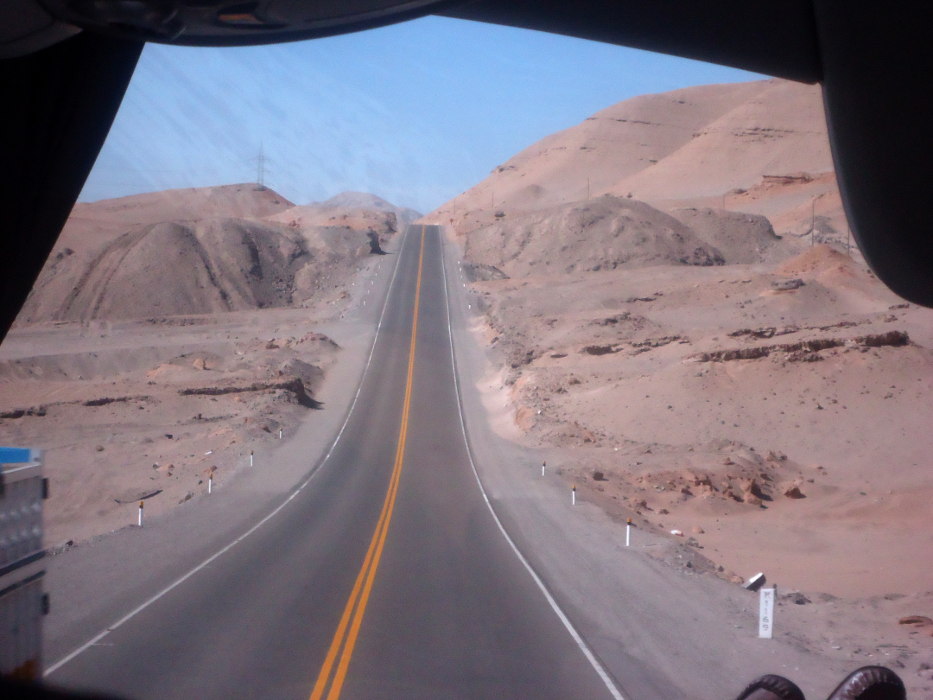
9 October, I was officially in Peru, after crossing the border in Tacna. The bus ride from Arica to Arequipa was incredibly beautiful. The mountains and desert scape seemed to change every time I looked out the window.  For once it wasn’t an overnight bus, so this time, got to see what the landscape is doing!  There were to be a lot of bus journeys to get about on this trip. Luckily l really like sitting on a bus and watching scenery unwind. Probably more than I do wandering streets.

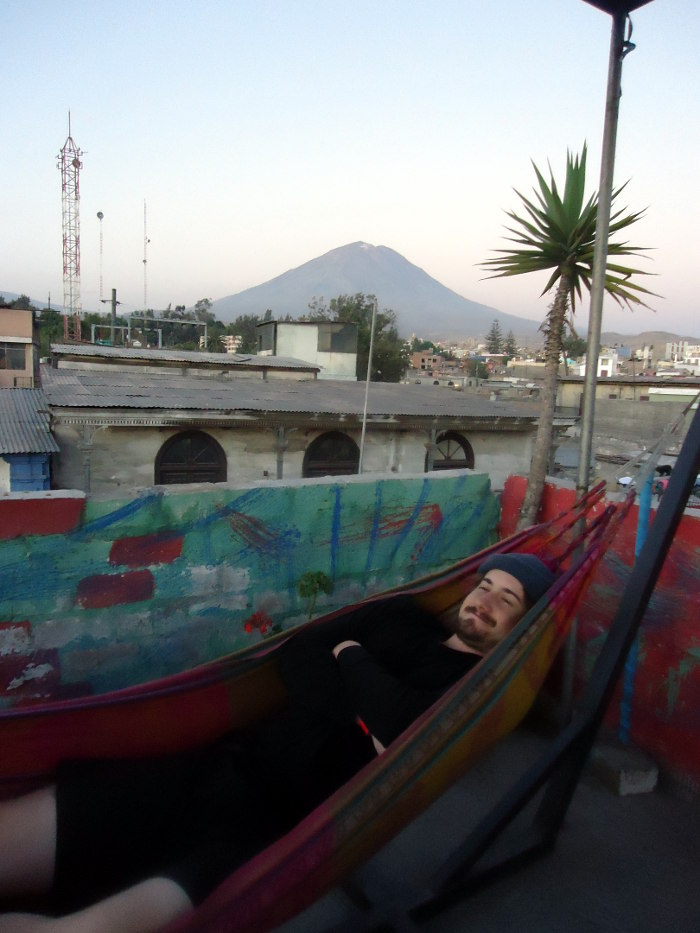
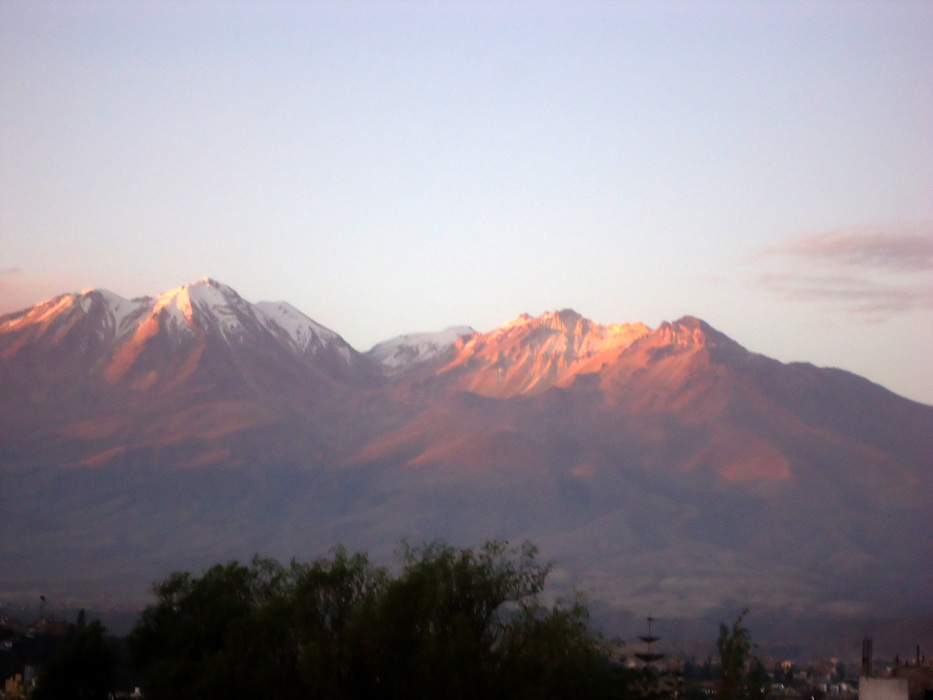
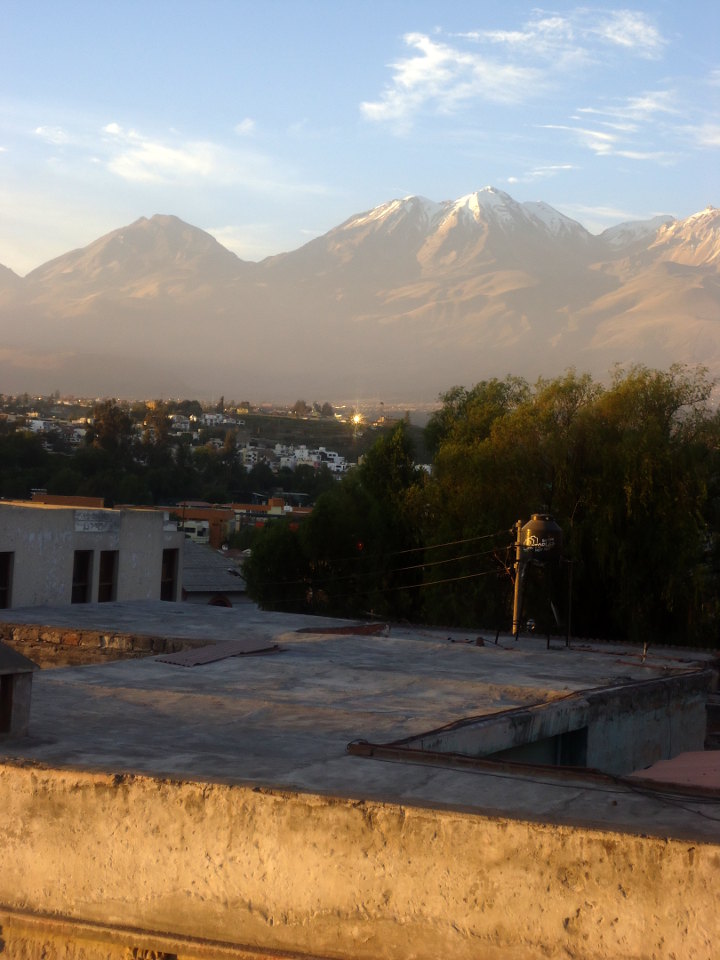
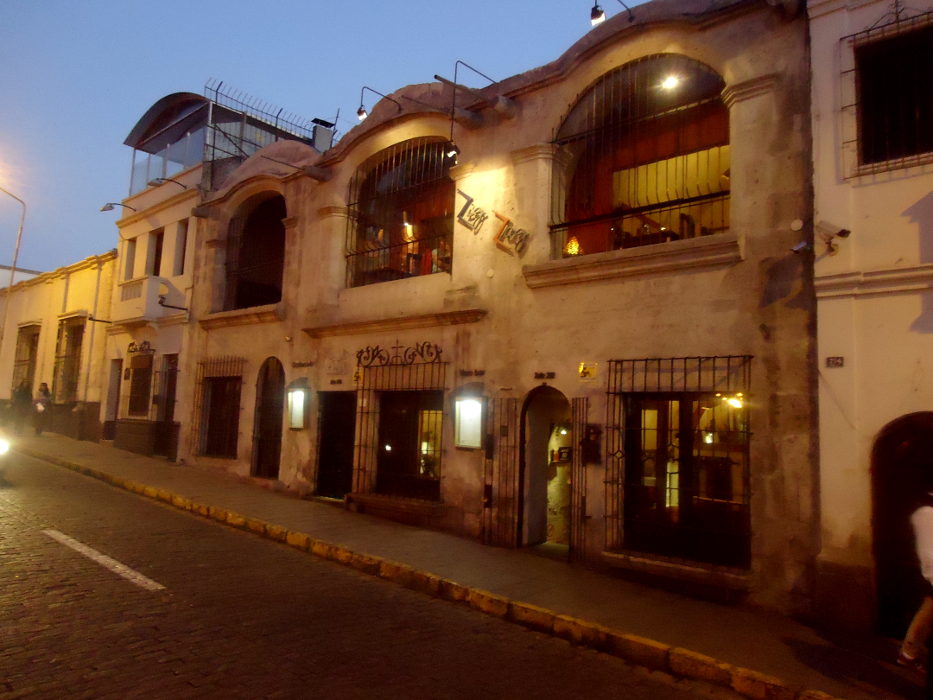
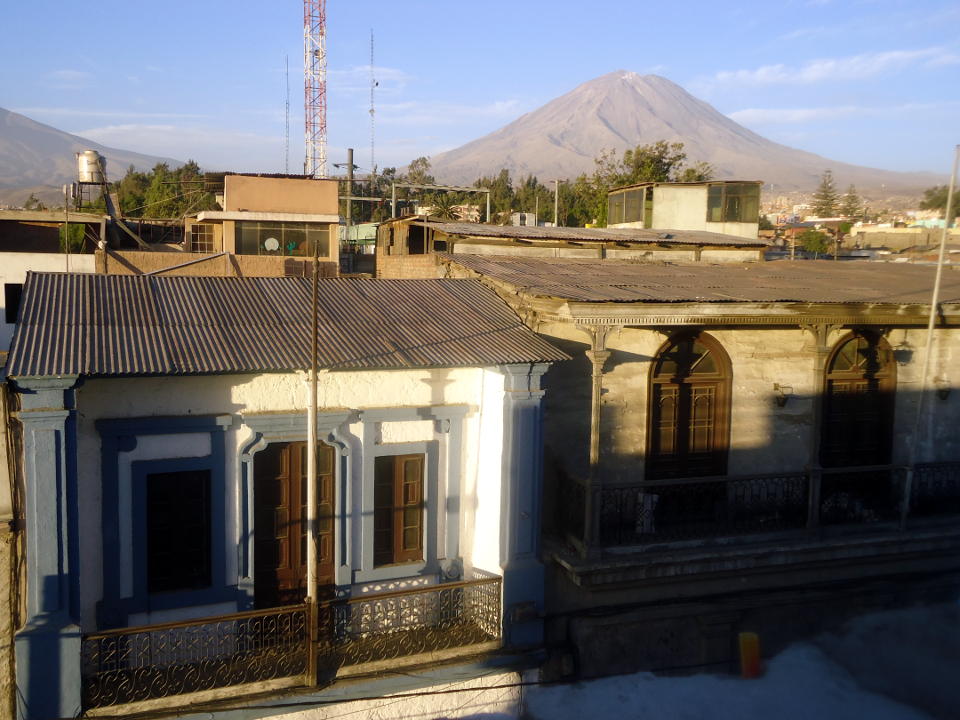
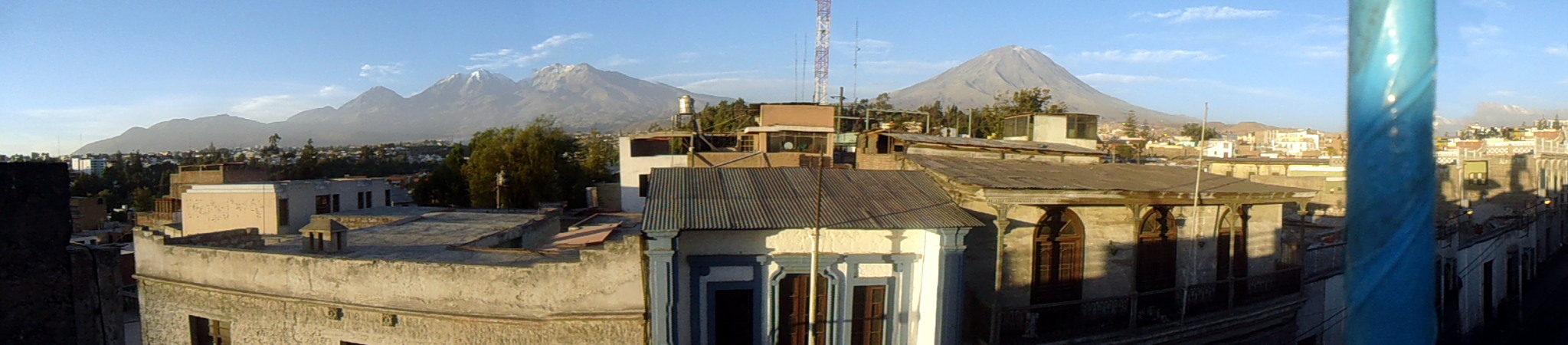
Arequipa is 2335 m above sea level. I was on the way to Cusco. And thought it would be good to stay in this town to help with acclimatization.  Staying three nights at a hostel there called Bothy Hostel. It was really friendly and I liked the terrace especially. As the sun set, the view of the surrounding volcanoes would take your breath away. I enjoyed walking around Arequipa, as there is quite a foray of eating out. I met a few of the lads whom worked at the hostel. They would take the guitar to sing Spanish songs, hustling the tourists with their charm, and they took me along. Afterwards it was lunch, where they spent their earnings in this town is full of restaurants. A mouth watering meal that I had whilst there was a combination of quinoa, figs, avocado, and shrimps.

Peru is a bit of food capital of South America. And Arequipa is bulging with some of the best restaurants in Peru. Newer influences are blended with traditional cooking styles, makes Peruvian food so appealing. With unique combinations of flavours and influences. If your going to Arequipa, be prepared to have your palette refreshed.

Wee friends at the hostel
Arequipa

Cusco

12 October, Oltursa, on the overnight bus at 8pm, from Arequipa to Cusco, for 60 Sol. Cusco is a place that draws many from all over the world, also a stepping stone enroute to Machu Picchu. There is much to explore in this city near the Urubamba Valley of the Andes mountain range. Its elevation is around 3,400 m. Full to overflowing with culture and history, with much to delight the visual senses. The indigenous name of this city is Qusqu. This city was built on layers of cultures. The former Inca Empire; Tawantinsuyu, was built on Killke structures. With the Spaniards replacing the indigenous temples with Catholic churches, and Inca palaces with mansions for the invaders.

I met a new friend called Astrid at the hostel, which was close to town.  We had a lovely time at the markets one morning. We also went to Museo de Plantas Sagradas, Magicas y Medicinales. This museum specializes in sacred, magical and medicinal plants used in the Andean and Amazon Region. Interesting learning about the coca plant. We also went to a restaurant that was hosting a meditation ceremony one evening and this was a real highlight. This group of mainly local woman, they kind of held us in their warmth, and treated us so well.

I brought coca leaves and was chewing these, keeping the system balanced in the high altitude.  I went to the Chocolate Museum café one day. With lots of lush things made of chocolate, and they do short classes to make your own.

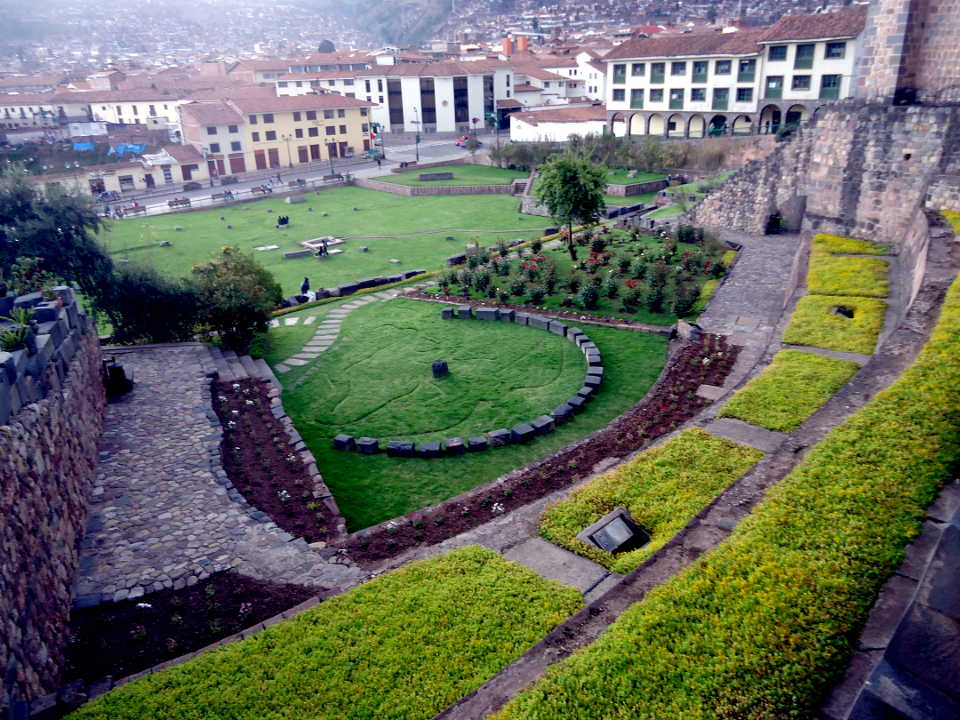
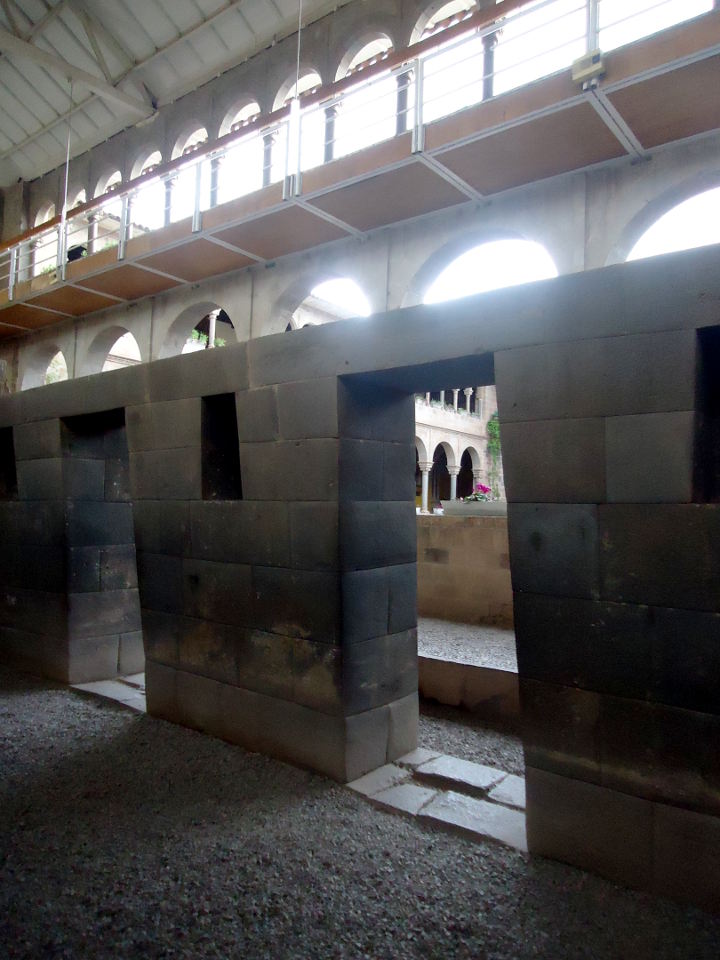
The Q’orikancha Complex, also called Coricancha. It is the main Inca temple for the worship of major deities. It is also a supreme example of Inca stonework. On my first day in Cusco, I spent a lot of time outside here. Felt guided to stand in a spot for what seemed a good while. And fascinating visiting the Temple complex inside.

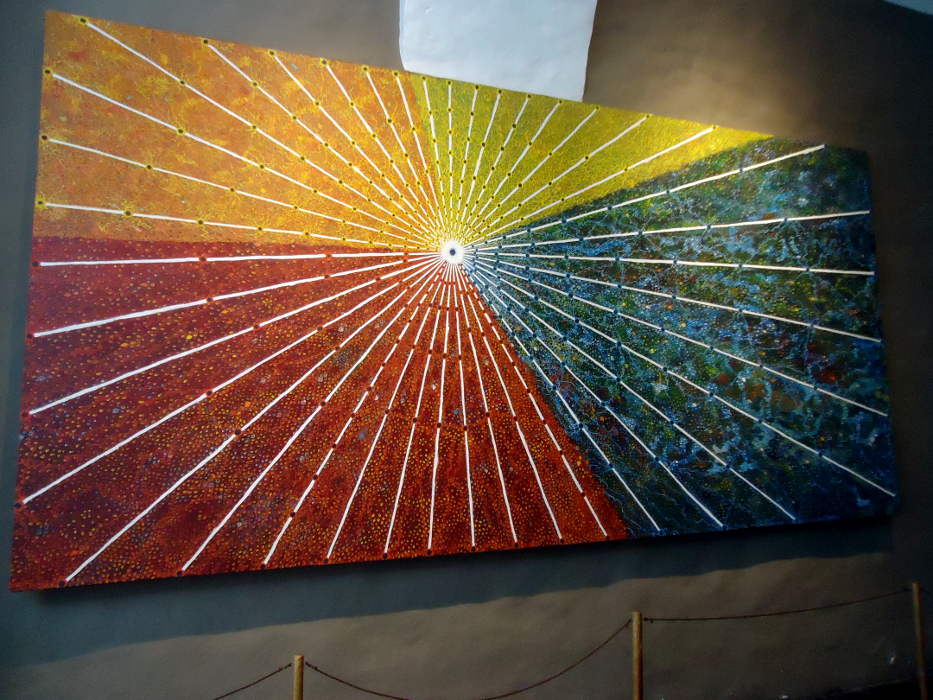
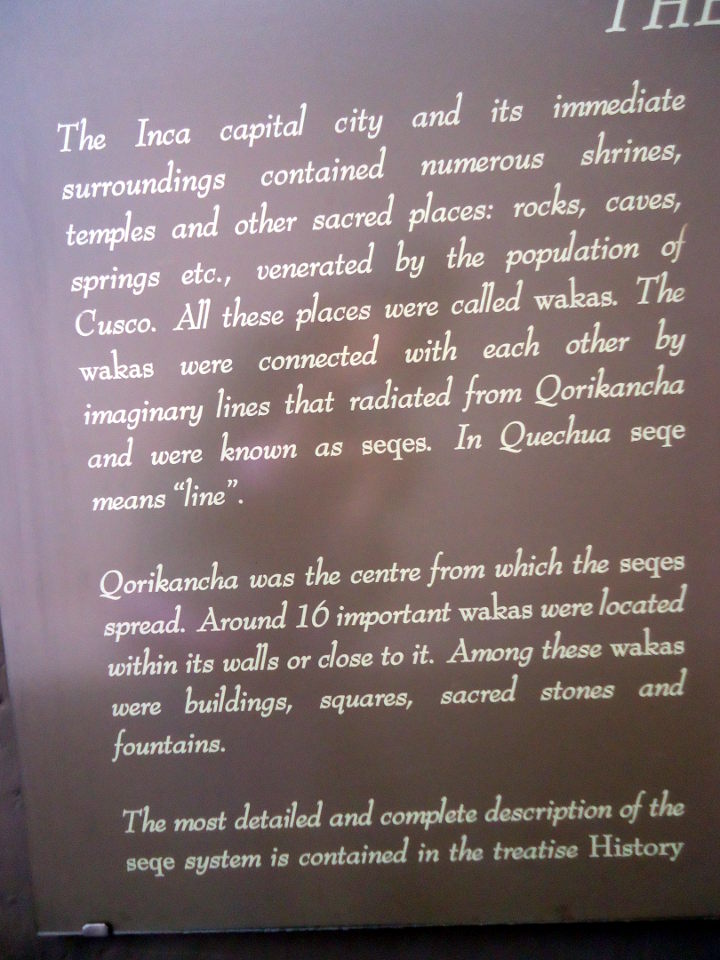
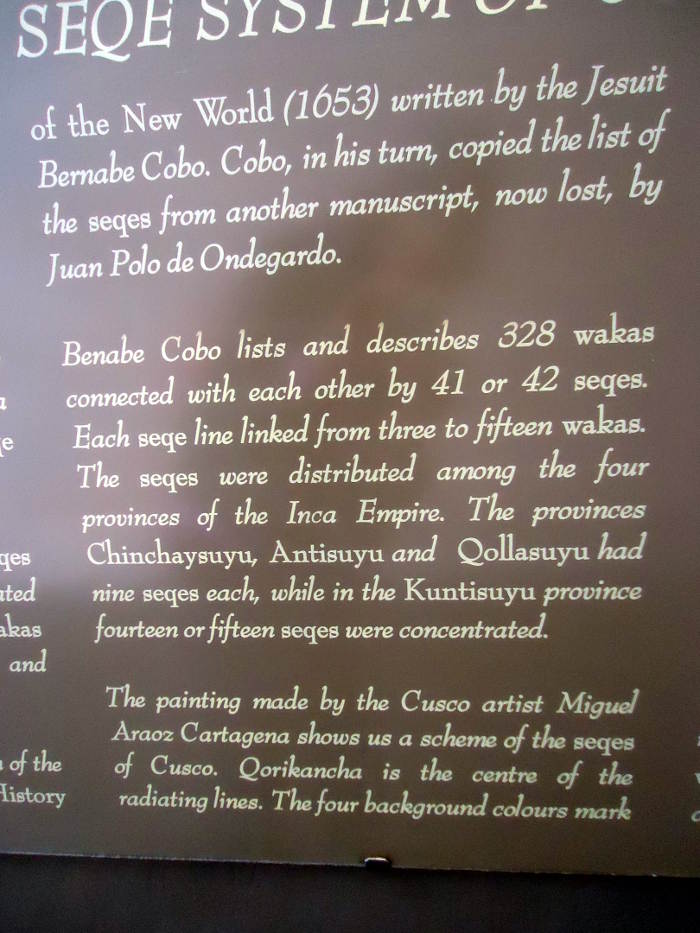
Description of the complex that I found most interesting. This was written on the wall: ‘Q’orikanchas position in the Cusco valley was carefully planned. Dozens of ceques (power lines, in many ways similar to ley lines, though in Cusco they appear to have been related to imperial geneology) radiate for the temple towards more those 350 sacred huacas, special stones, springs, tombs and ancient quarries. Prior to the Incas, the Wari culture had already dedicated the site with its own sun temple, known as Intianch (inti meaning “sun” and cancha meaning “enclosure”) Before the conquistadors set their gold-hungry eyes on it. Q’orikancha must have been even more breathtaking, consisting as it did of four small sanctuaries and a larger temple set around a central courtyard. The whole complex was encircled on the inside walls by cornice of gold, hence the temples name (Q’orikancha means “golden enclosure”)’

Whilst in Cusco, I met up with Victor in a café. He is a local shaman and we had a mutual contact in Helen Barnes from New Zealand.  In a reading with Helen earlier in the year. There was given a nod for me in the direction of Sasayhuaman.  This complex sits at the top of Cusco. It was built by the Incas in the 15th century. But archaeology sits that the earliest occupation of the hilltop dates to about 900 CE. With dry stone walls constructed of huge stones, it is quite a place to explore. I went there briefly one afternoon, and then back for a lot longer another day.  Victor had mentioned he could take me to this place, as he is a tour guide. But I felted guided to go there myself, so that I could take my time.

Aqua Calientes – Machu Picchu

I met a lad at the hostel whom mentioned about a tour. Another way to get to the town of Aqua Calientes.  He was going to book his journey, so I went along to find out more and ended up booking too.  But it was all a bit epic really. As this option was cheaper than the train, but it involved a bit of a hike. So I caught the train back!  But I guess it was more of a pilgrimage, to walk in.

I left most of my belongings at the hostel in Cusco. Taking a small bag with all I needed for a few nights. The small van hugged the road with a steep and deep drop on one side. It was a hairy ride to a place called Electric.  From there it was a three hour hike to Aqua Calientes.  It is a beautiful walk in the jungle by the river beside the train tracks. I met a new friend, and with her walked together slowly to get there.  Some of us slow walkers got picked up in a small train at the end. Thank goodness. As its a bit of tight squeeze walking through the train tunnel when a train is going through it. And a wee bit scary.  I was knackered, but I had done it.

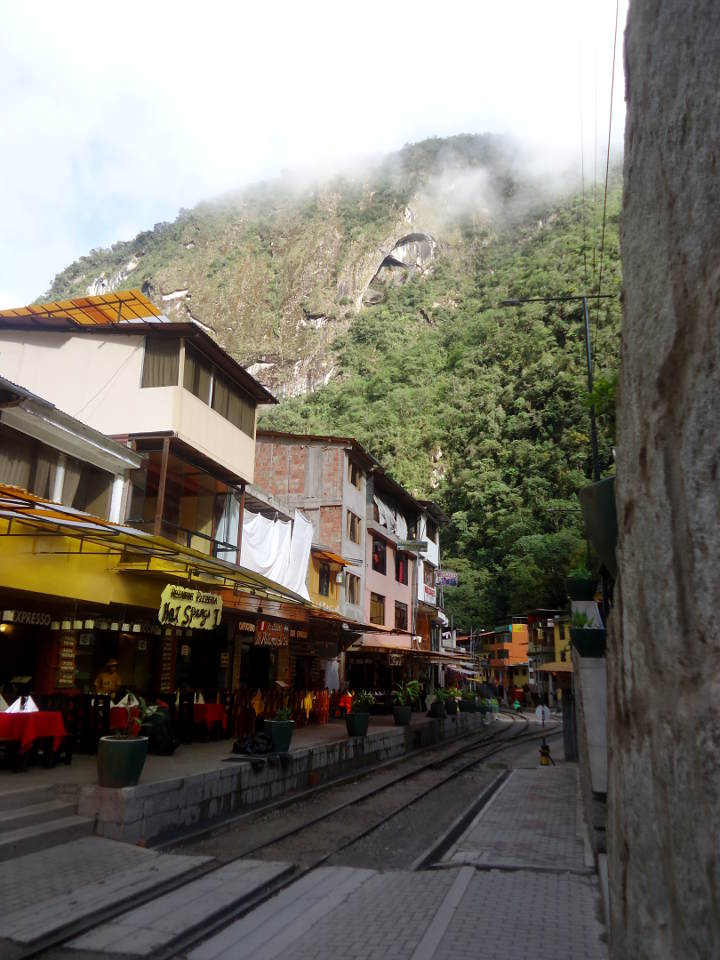
Agua Calientes is the town at the foot of valley of Machu Picchu. It is a cool little town. I went for a walk after sitting down to rest in my hot exhaustion. And found a hostel to stay in.  In the morning I was going to Machu Picchu!

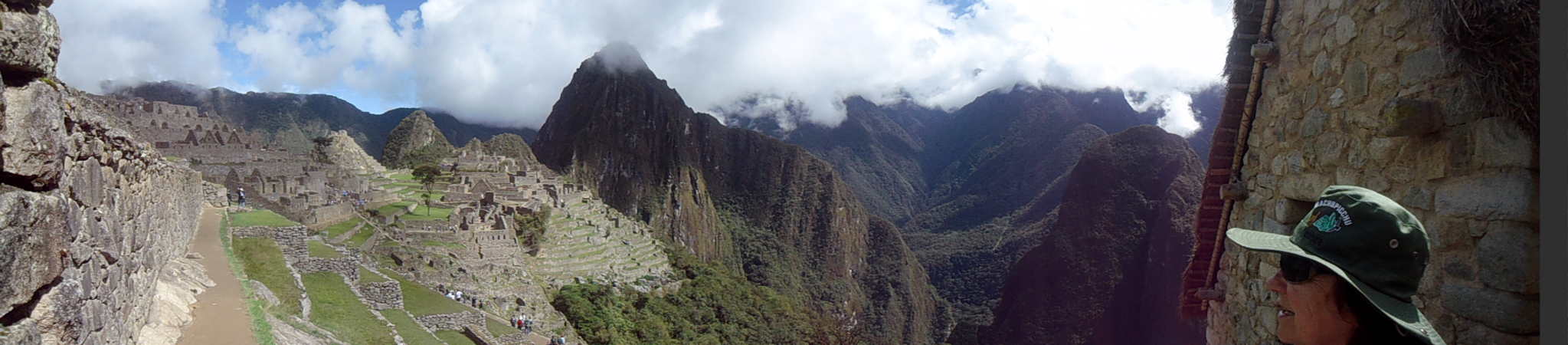
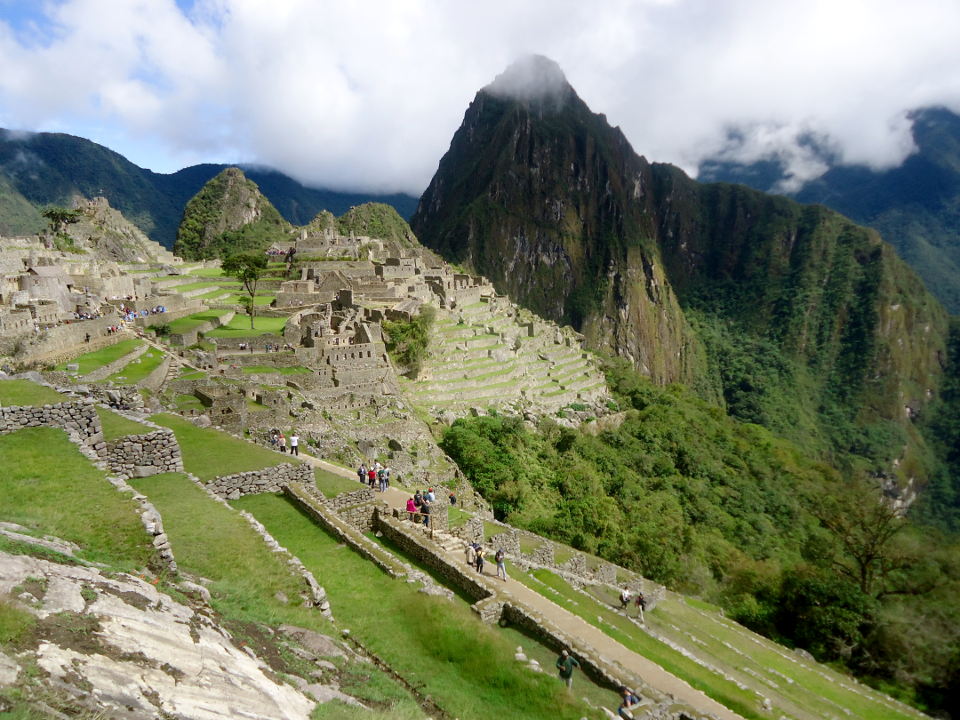
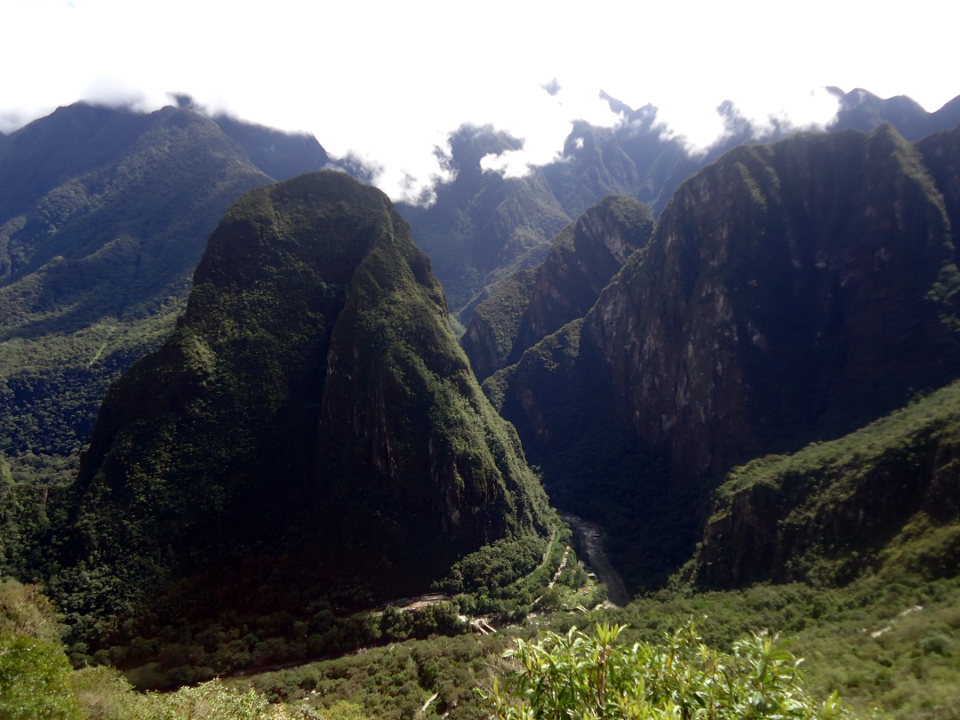
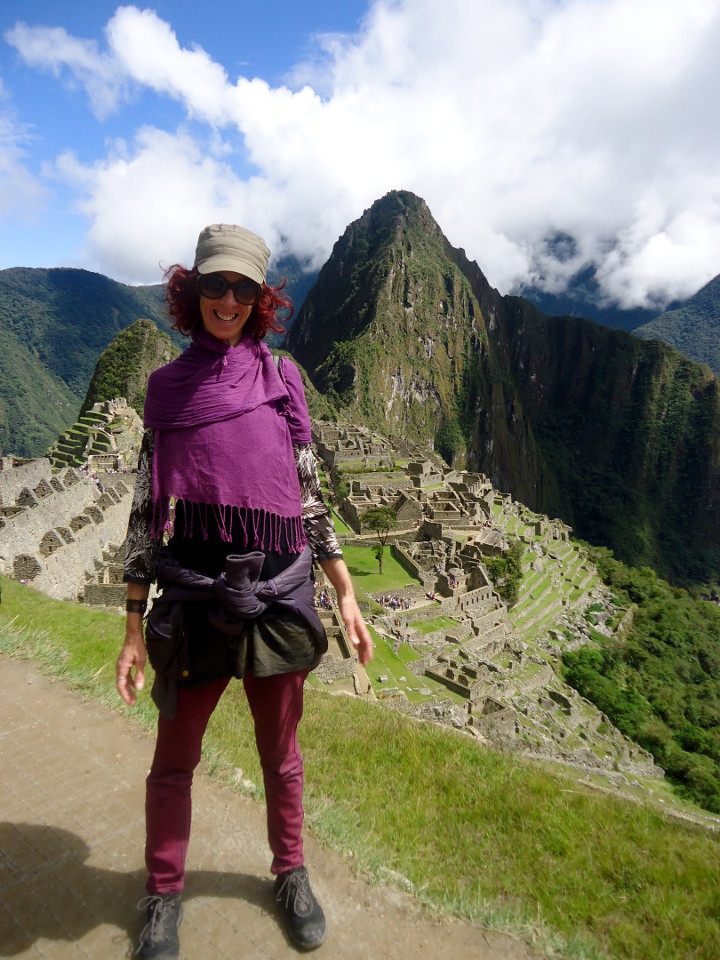
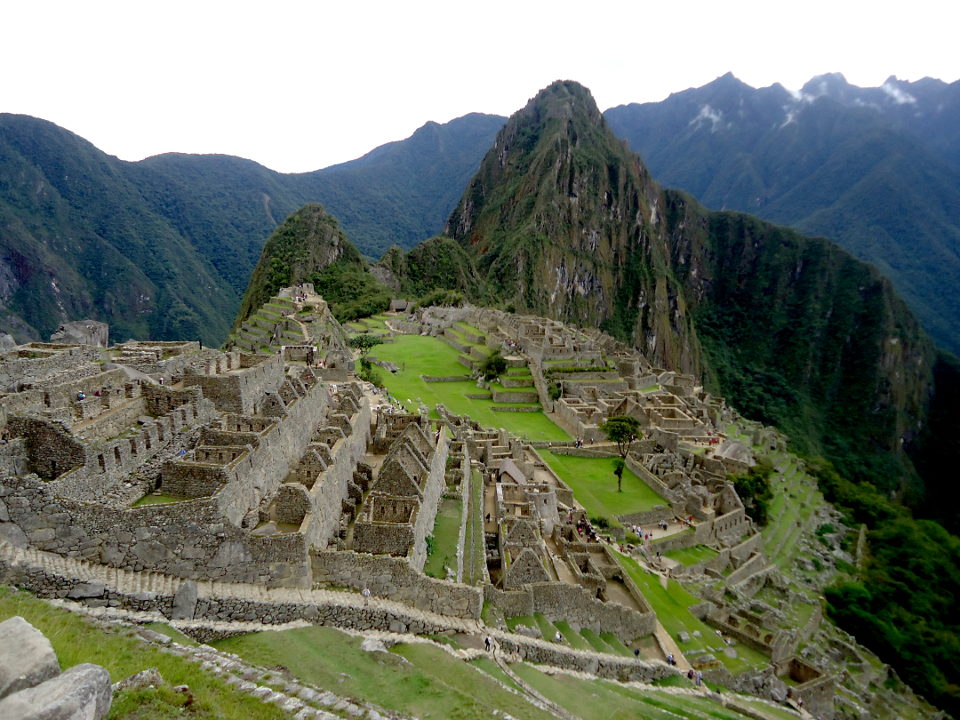
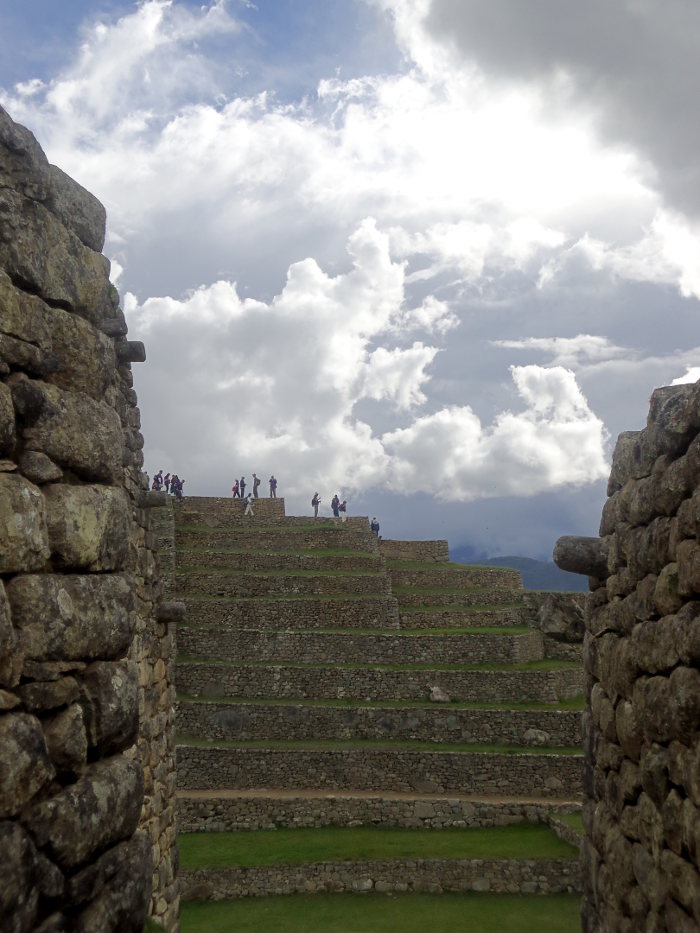
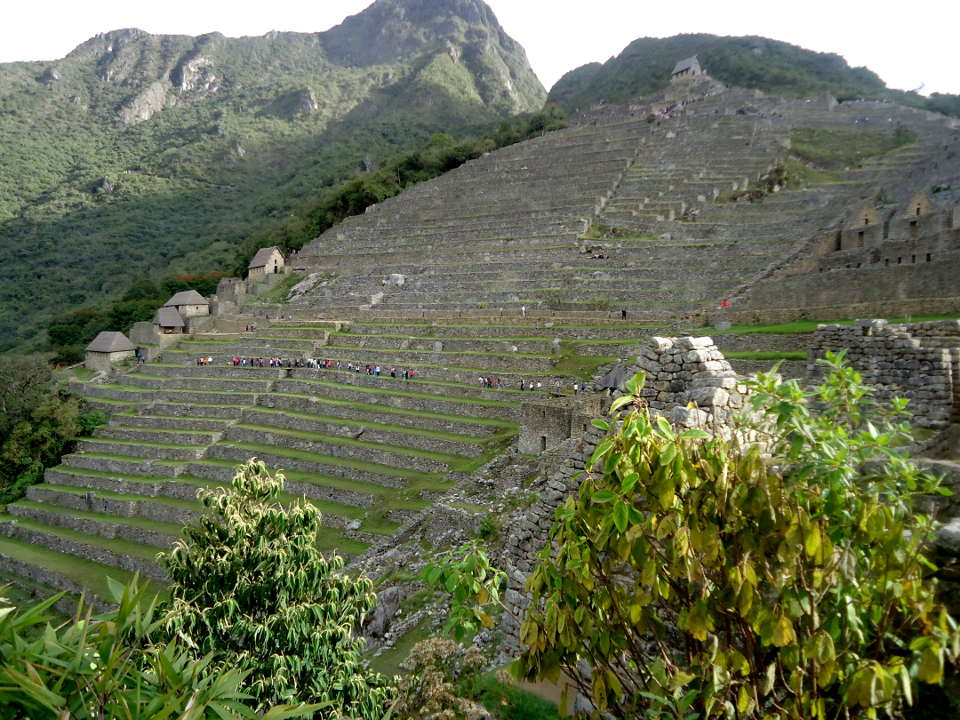
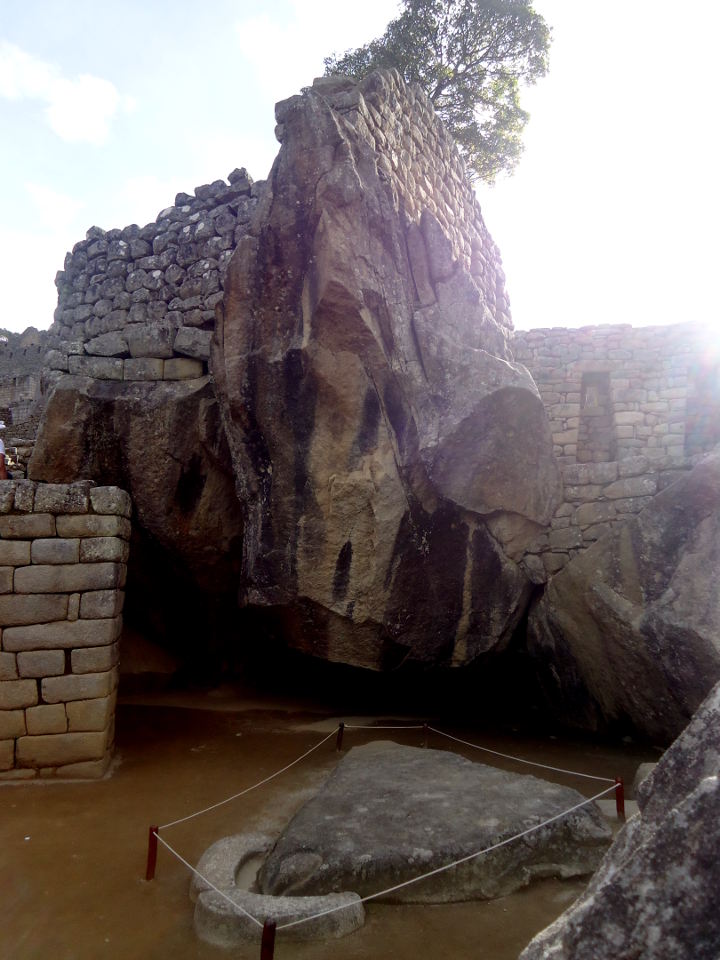
What a place Machu Picchu is, catching one of the early buses up.  I ended up staying there for nine hours. As it is so big, there is much to explore and see. And so even if there is lots of tourists it is barely noticeable. A few people wanted to get a photo taken with me. When leaving I met three people that I bumped into two more times on this journey.  Miquel, (Peruvian) Iryna and Andrusenko (from Ukraine) and we bonded straight away.  I said goodbye and then took the bus back down. On the way, looking back up to Machu Picchu. There was a rainbow like I have never seen before in my life.  Bright and clear.

I think the name of the hostel I stayed at was ‘Eco Mapa’. With a room to myself, it was a good spot for only 40 Sol.  Aqua Calientes, is tiny village with hot springs and quaint shops.  And looming 2000 feet above this little village is Machu Picchu.  Aqua Calientes translated means ‘hot waters’. I went to the hot springs on my last night. It was really nice and it felt so good to be in that water after the day at Machu Picchu.  The people I had met at Machu Picchu were there too. 

Ollyantaytambo

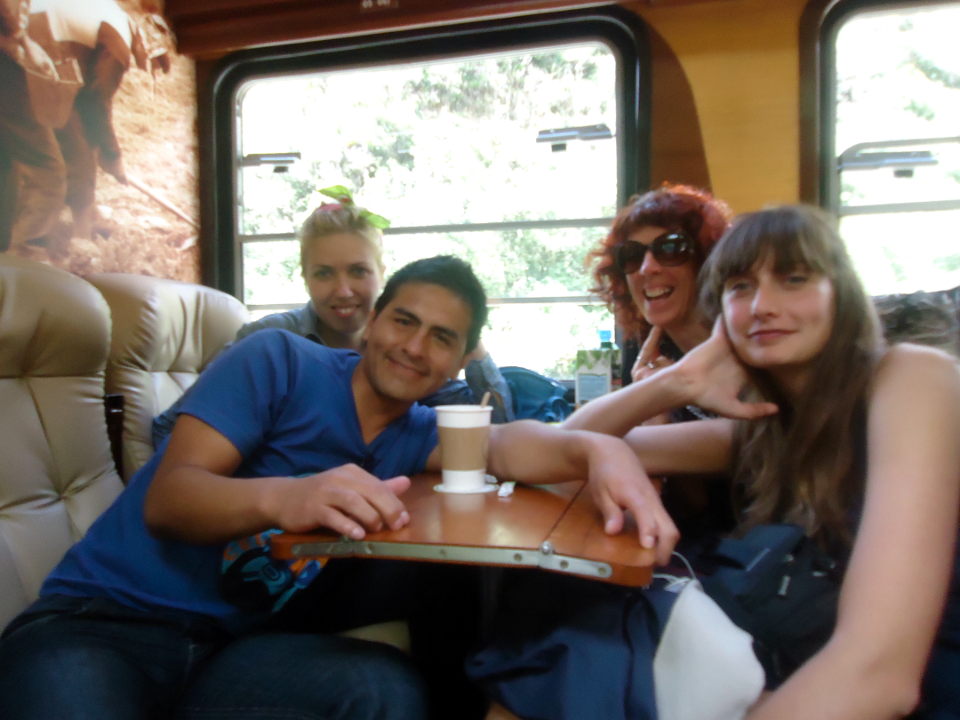
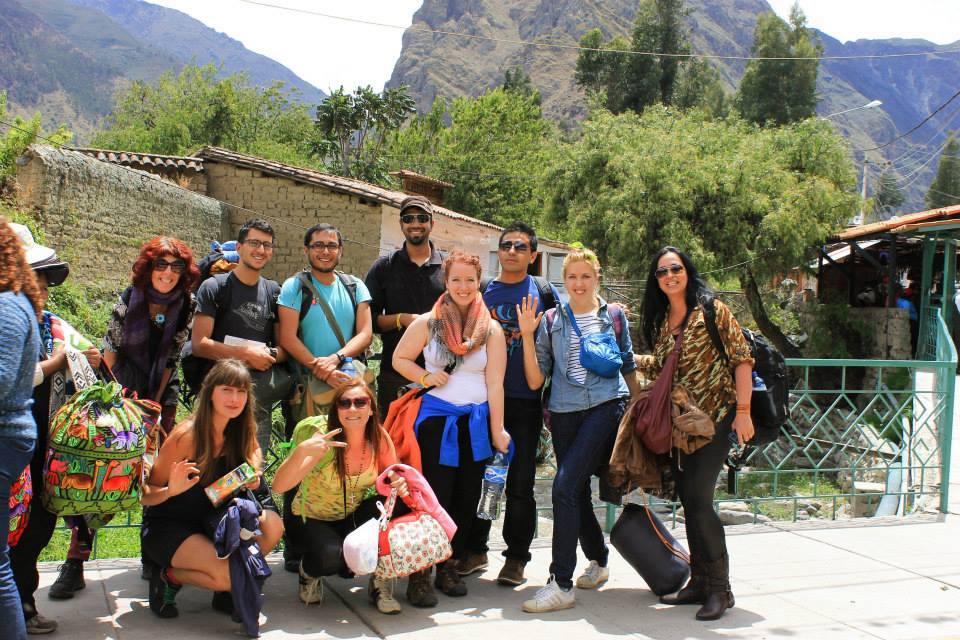
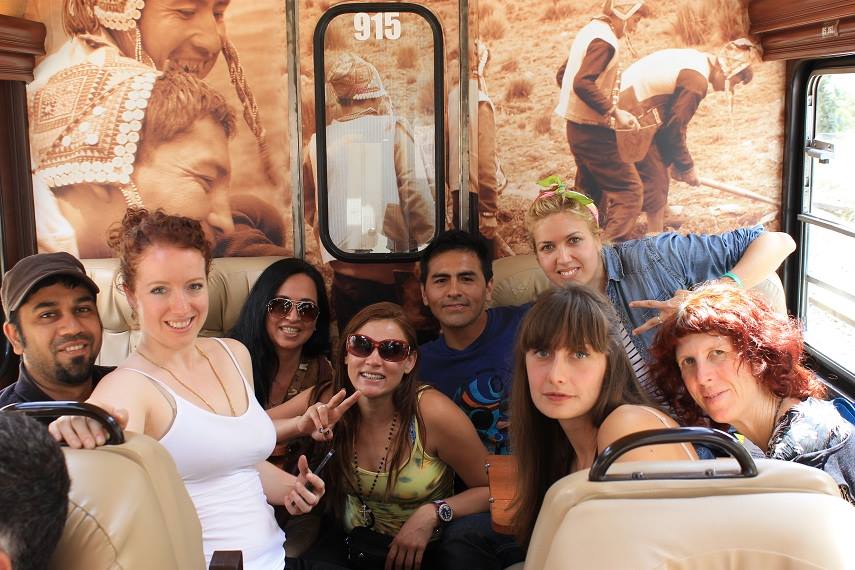
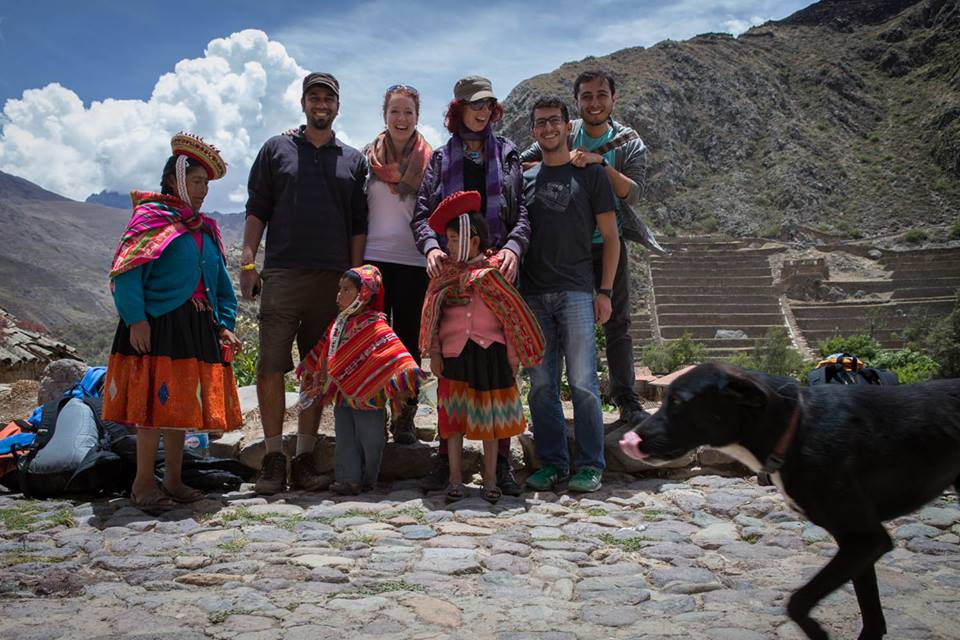
Boarded the train from Aqua Calientes to Ollyantaytambo. When I got on, I reunited yet again by chance with the three met the day before at Machu Picchu. Miquel, Iryna and Andrusenko. We bonded some more and we met Bethany from the USA. And other travellers around us, whom kept popping up to say hello. Maybe everyone was amped up from the Machu Picchu energy.  We did a big group photo when we all got off. It is a lovely train trip, the journey out was a lot easier than the journey in. 

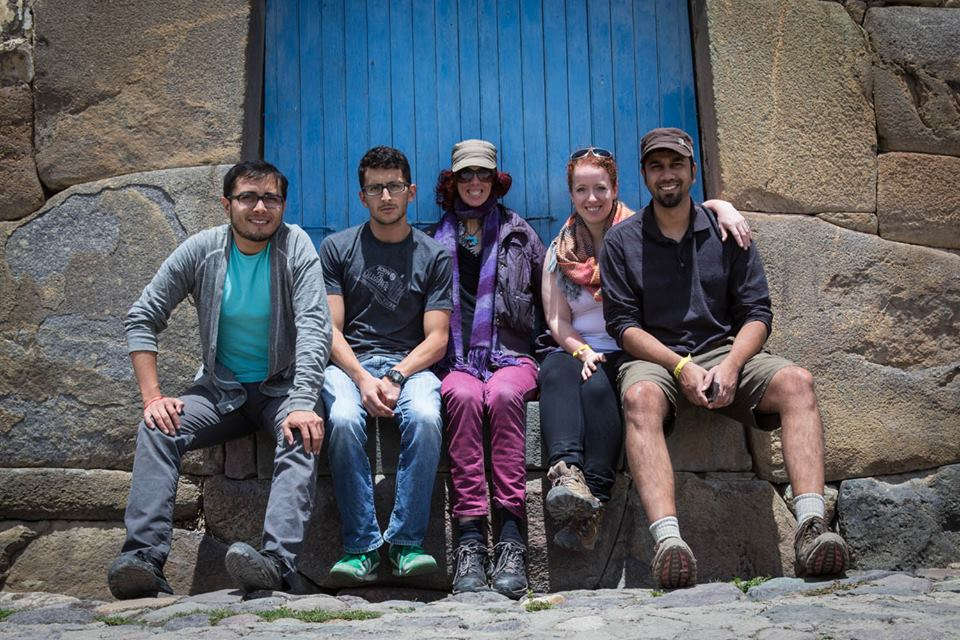
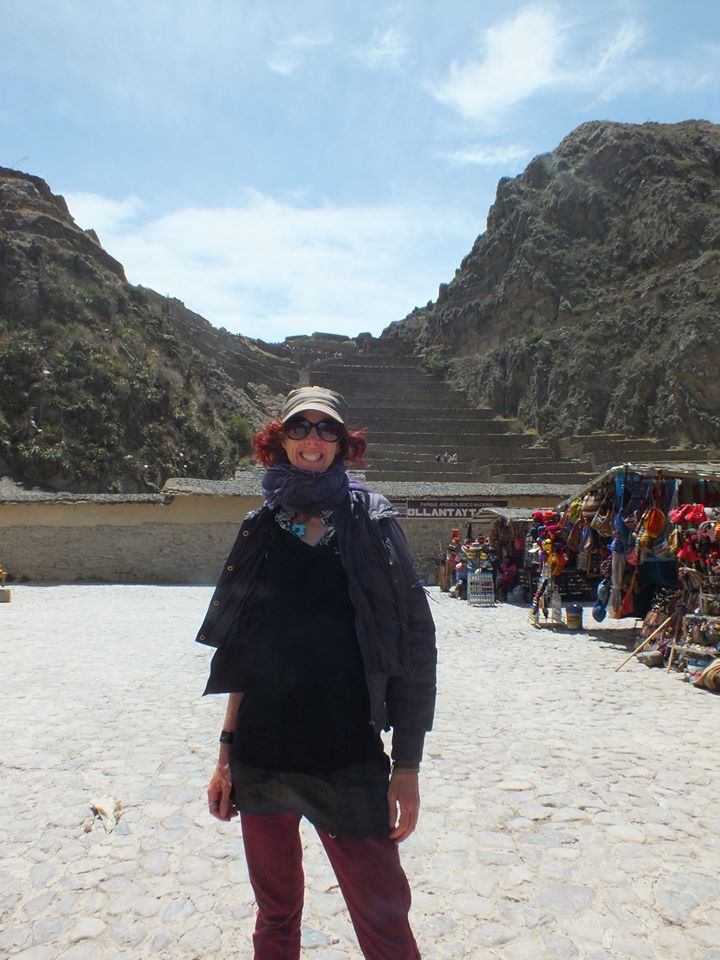
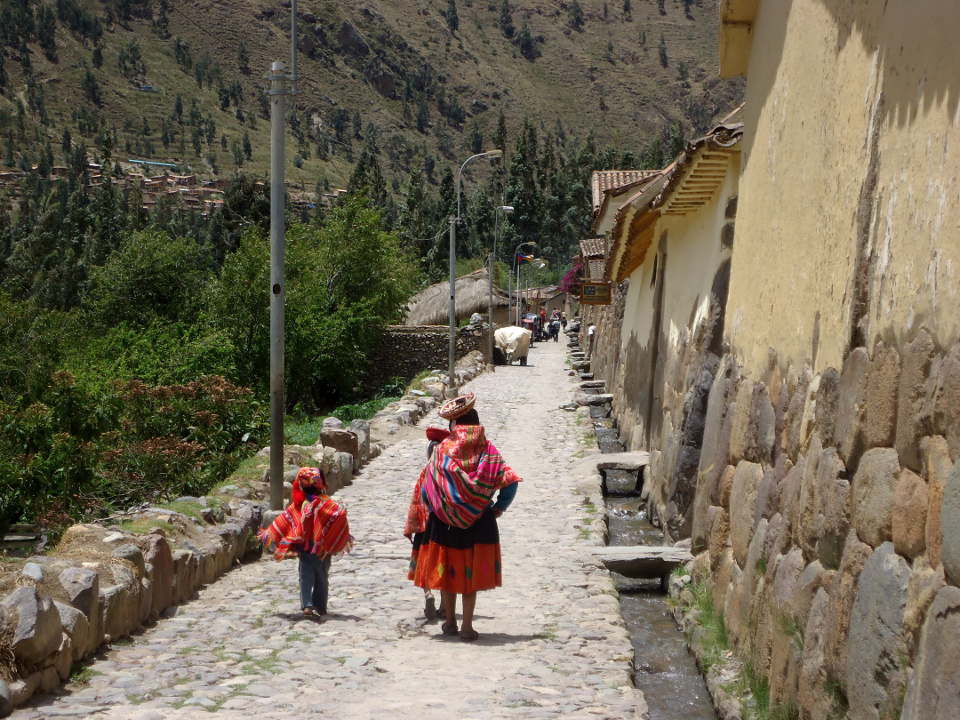
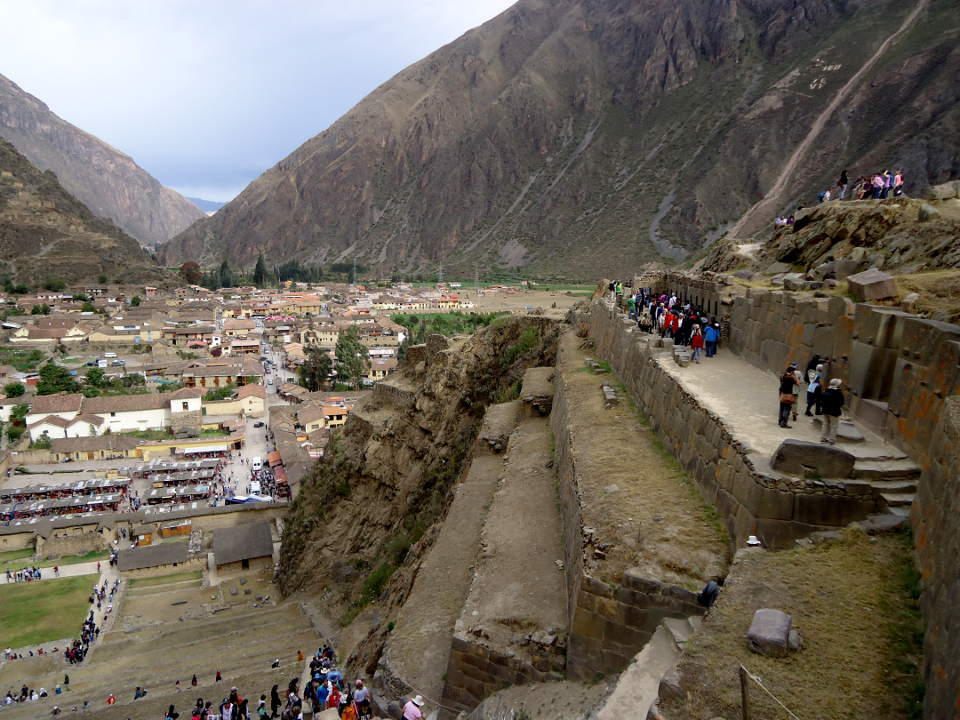
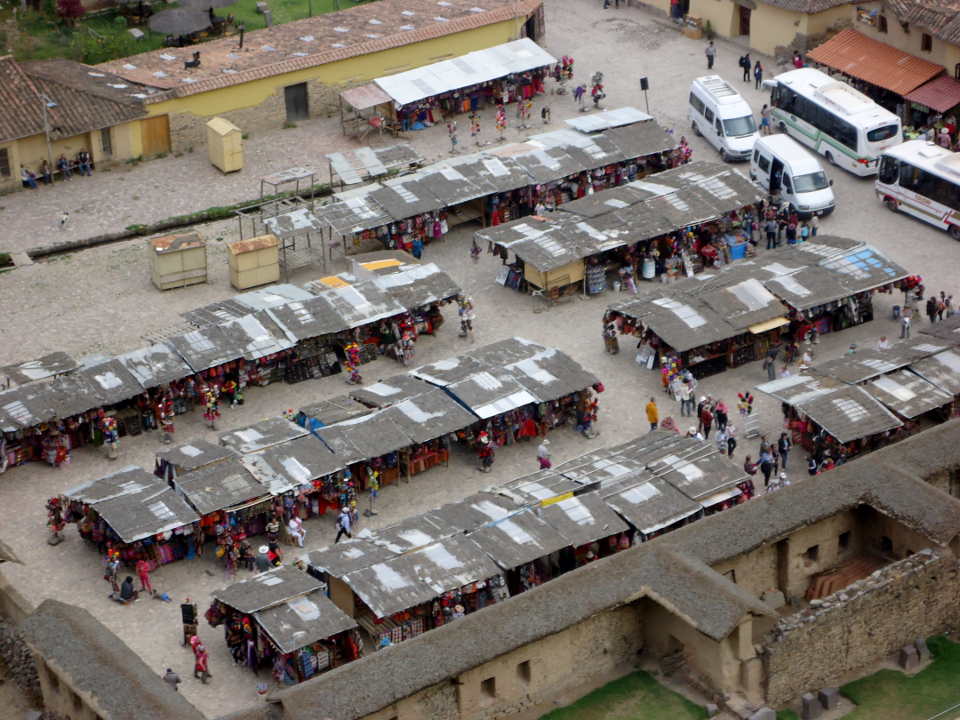
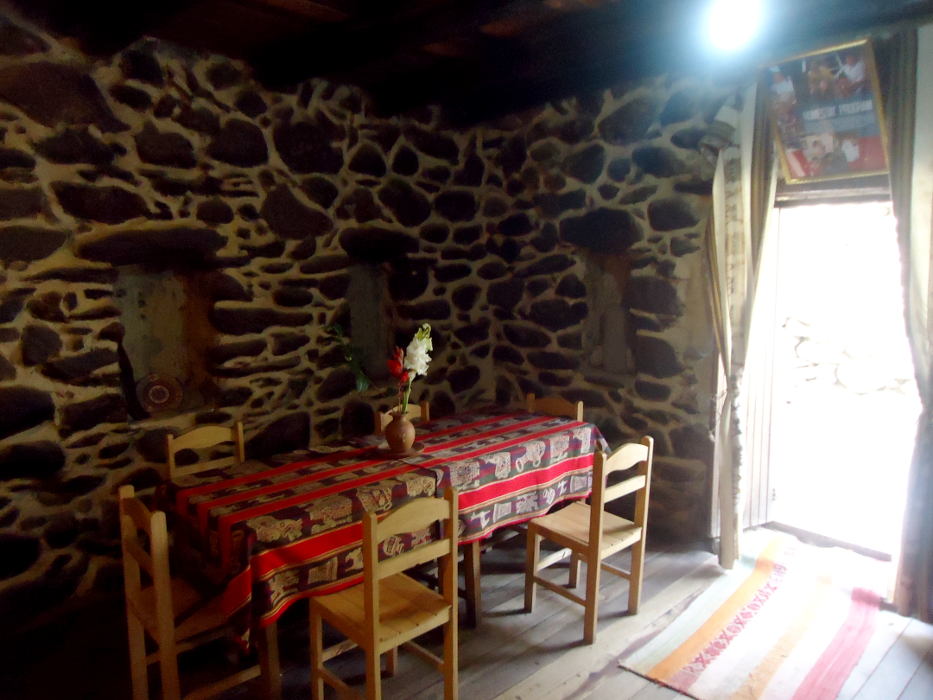
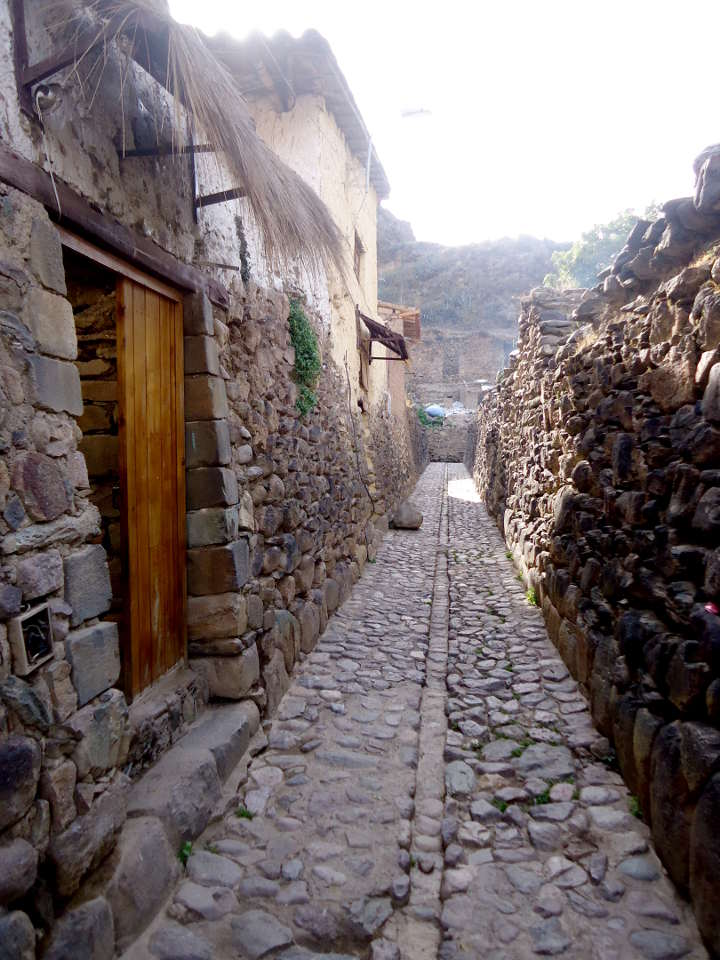
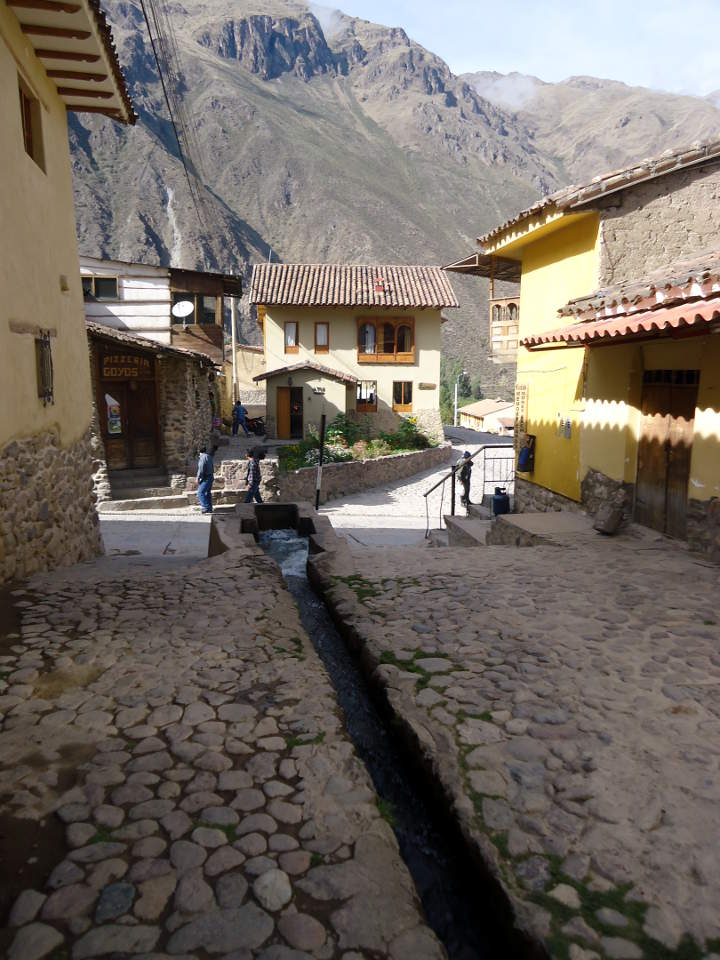
I liked the town of Ollyantaytambo, in the Sacred Valley, so decided to stay one night there. Here, you can wander the cobblestone streets. And I loved the waterways that are running through the streets, like they were in times gone by. And the markets there at the foot of the ruins are full of colour and jewellery.

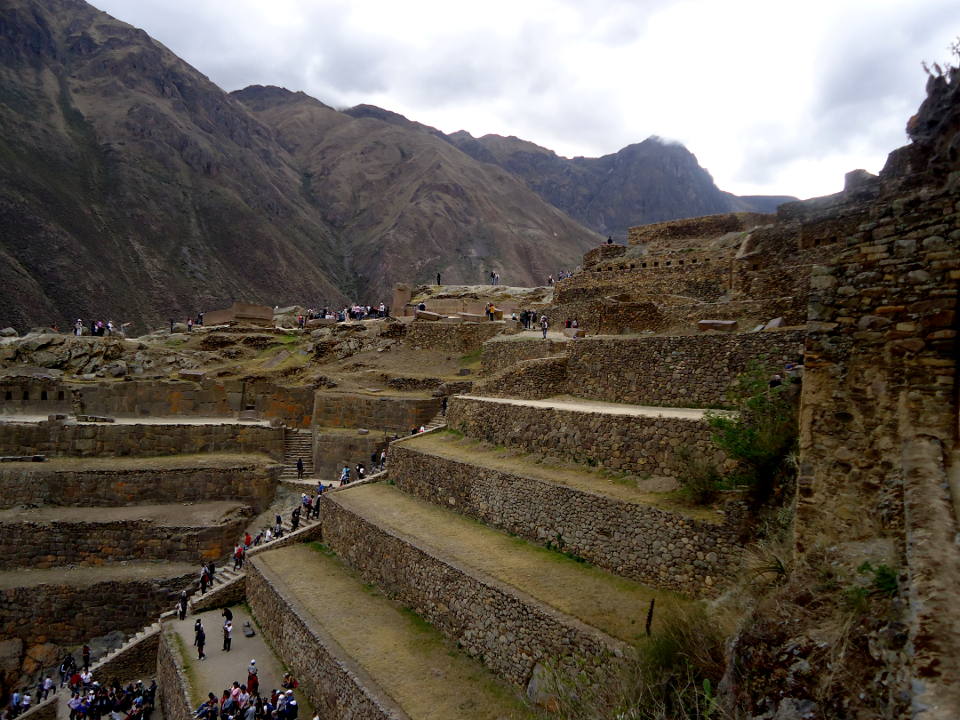
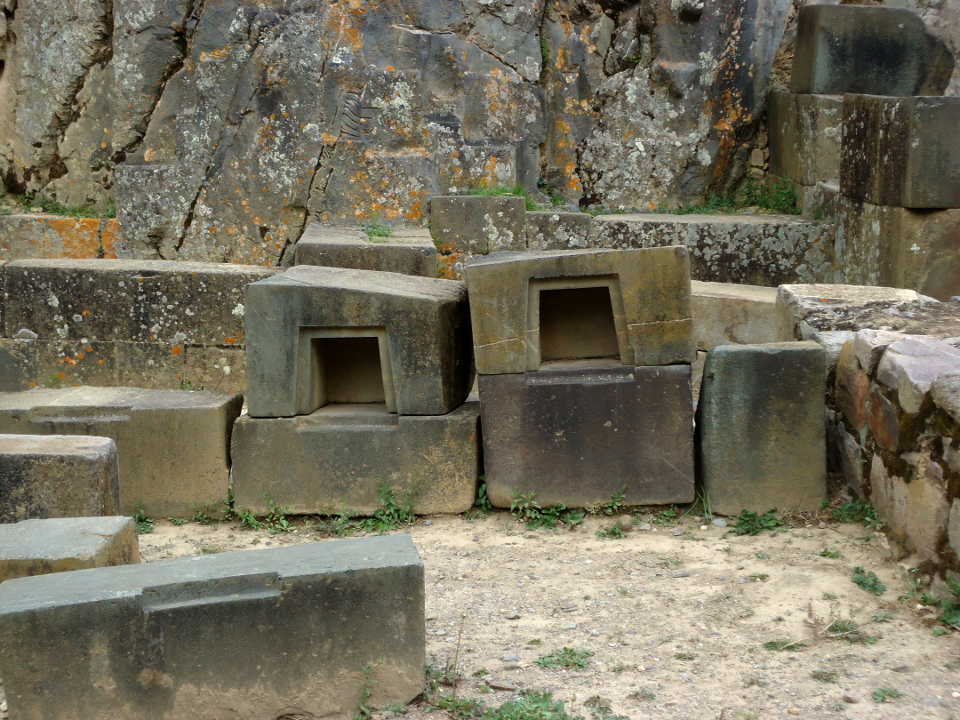
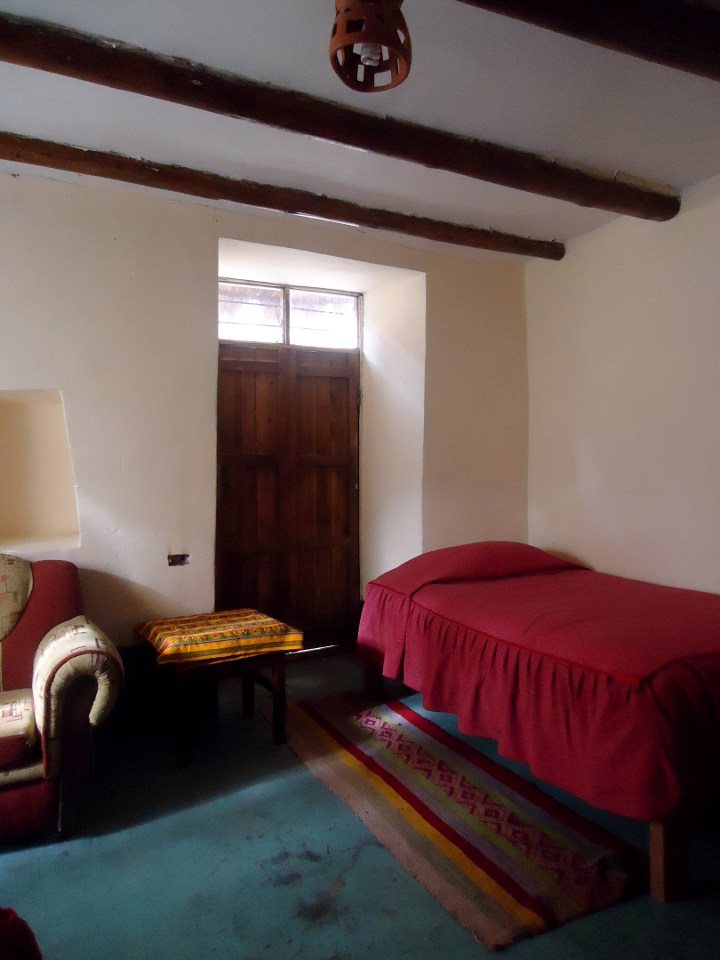
The hostel that I stayed at was five hundred years old. I had purchased a Cusco tourist ticket, which means free entry to many of the places in Sacred Valley. Spending time at the temple ruins there, which is right in the town really. Its Impressive how the ancient masons fitted these enormous stones together, from quarries miles away. And some of them look like they weigh tons. Exploring these ruins means climbing lots of steps, lots of ups and downs. People were getting guided tours. I like to stop and eavesdrop for a while and then move on. But if you go there and are looking for a guide. They are usually walking about to offer tours and information.

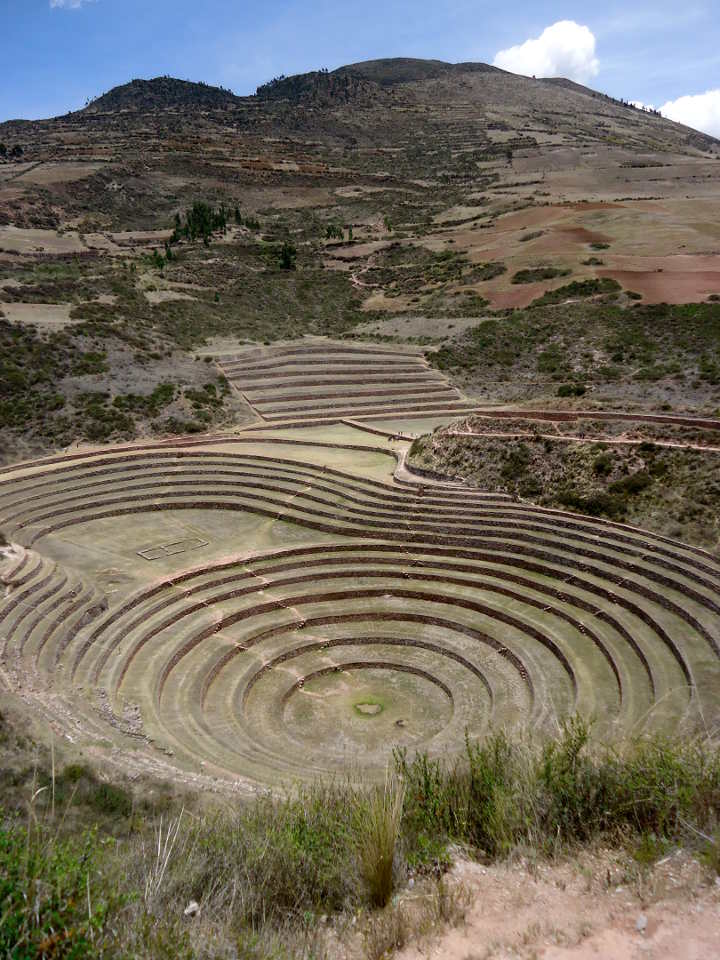
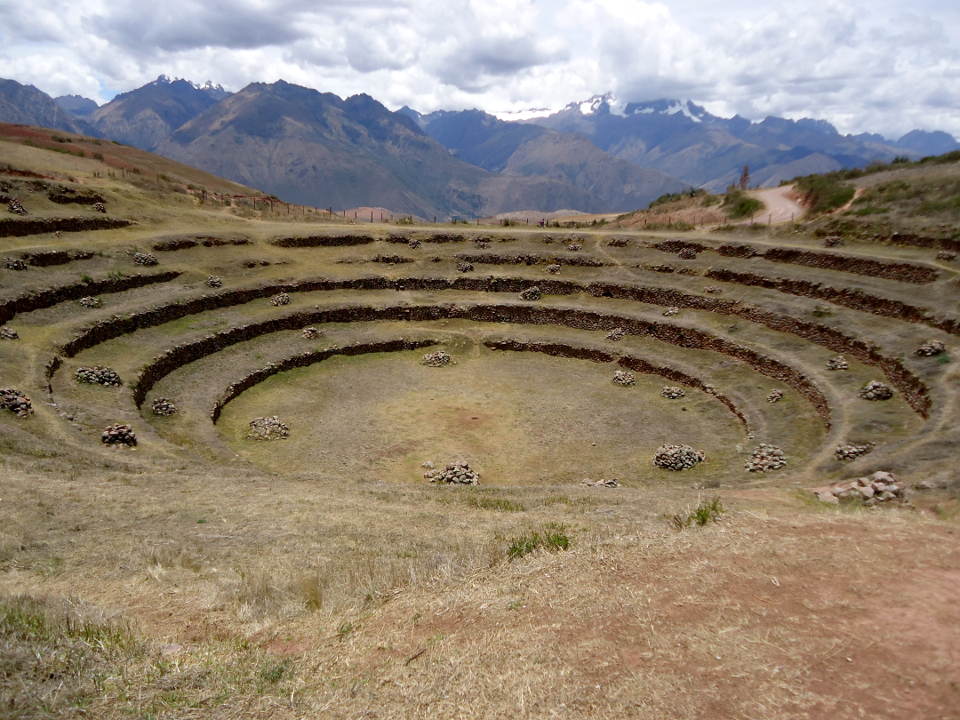
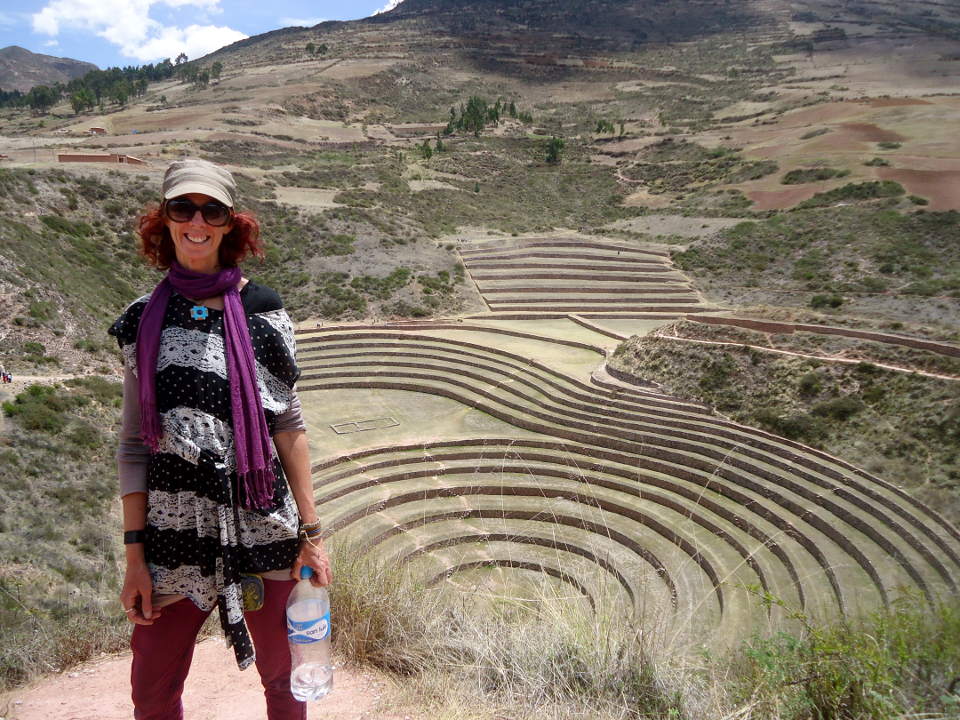
There was some places to go to in the Sacred Valley. So upon inquiry, and as it seems to be the way. I hired a local driver to take me the next day. We went to the circular Inca terraces of Moray. Which had quite a powerful energy and is unique among the Inca sites in the Sacred Valley area. It is on a high plateau at about 3,500 metres. The site contains Inca ruins, with several terraced circles. The purpose of this stunning place is shrouded in mystery.

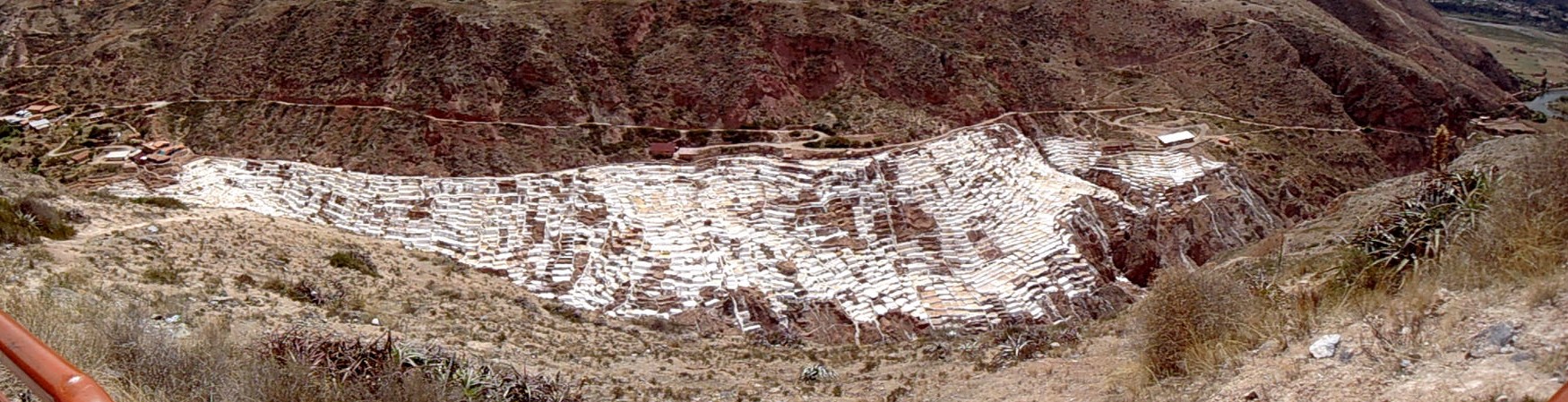
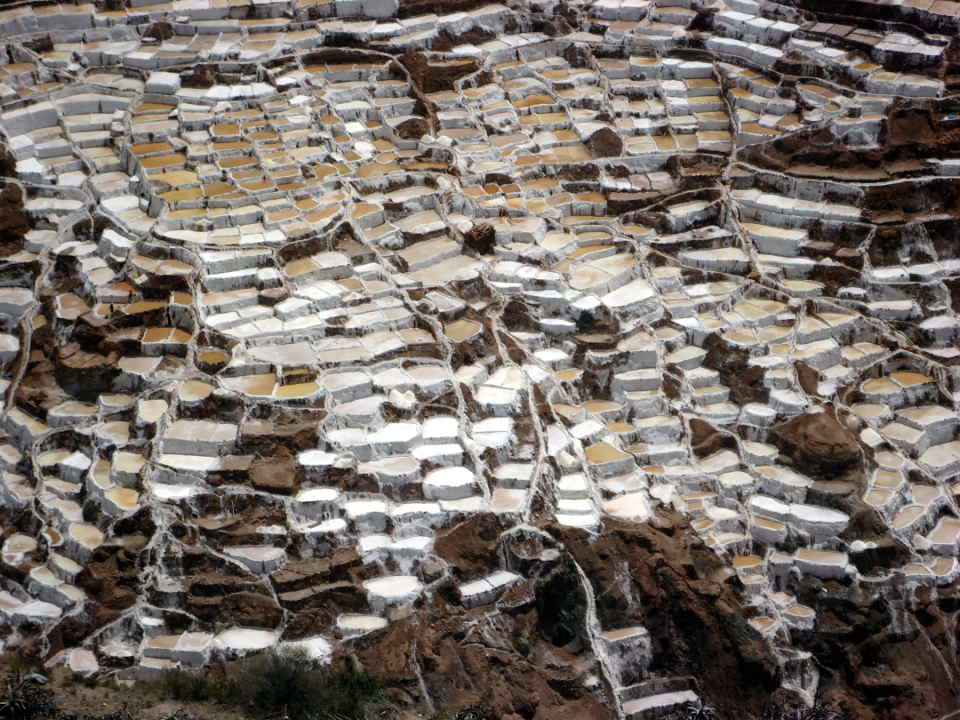
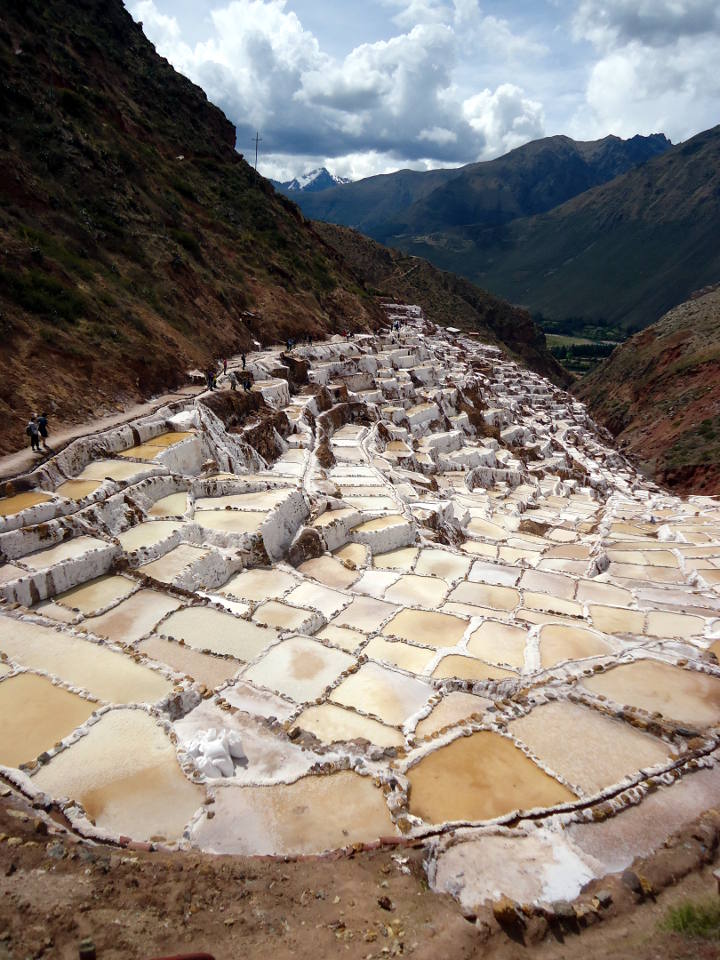
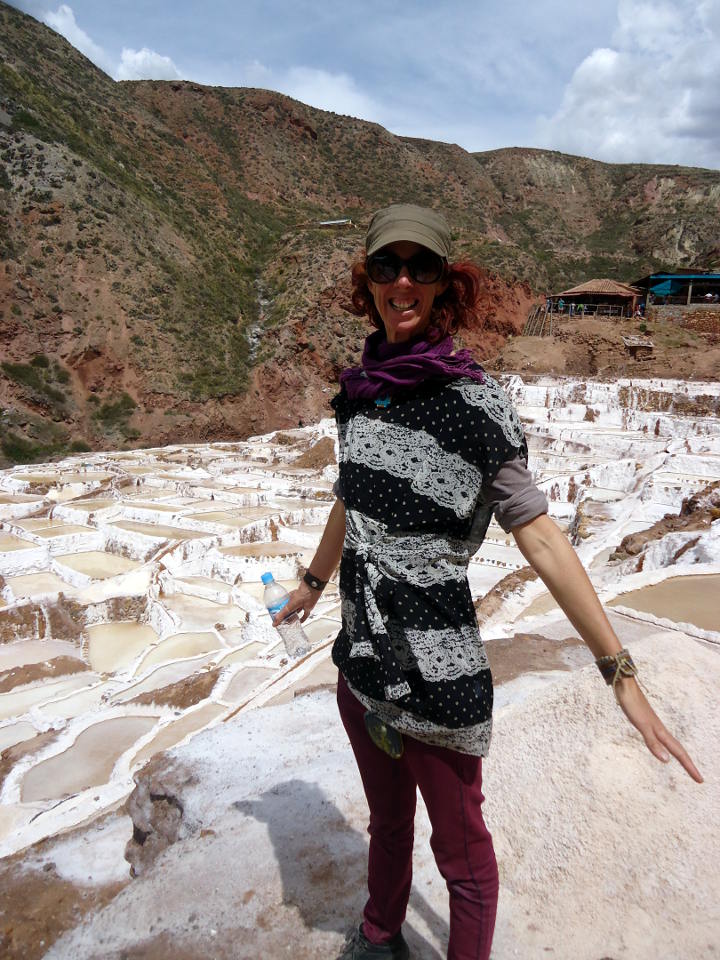
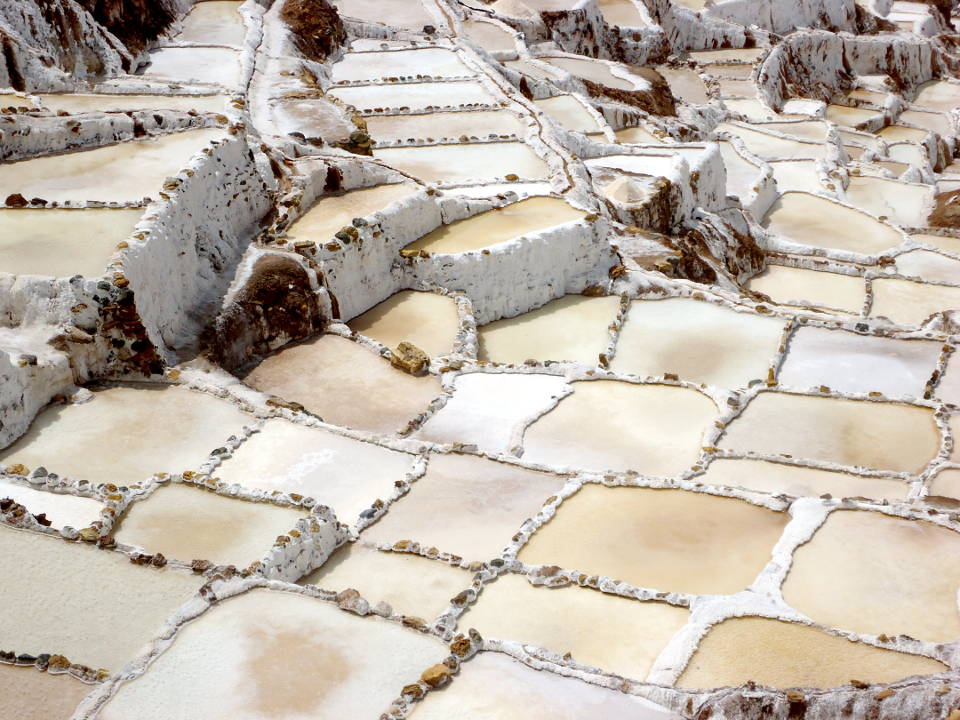
Then to the Salt mines of Maras, where since pre-Inca times, locals have been obtaining salt. Done by evaporating warm salty water from a local subterranean stream. The stark white here under the bright Peruvian sun, is sunglasses worthy. It is such a beautiful sight, the salt everywhere, whiteness to behold. And people were working and collecting salt when I was there too.

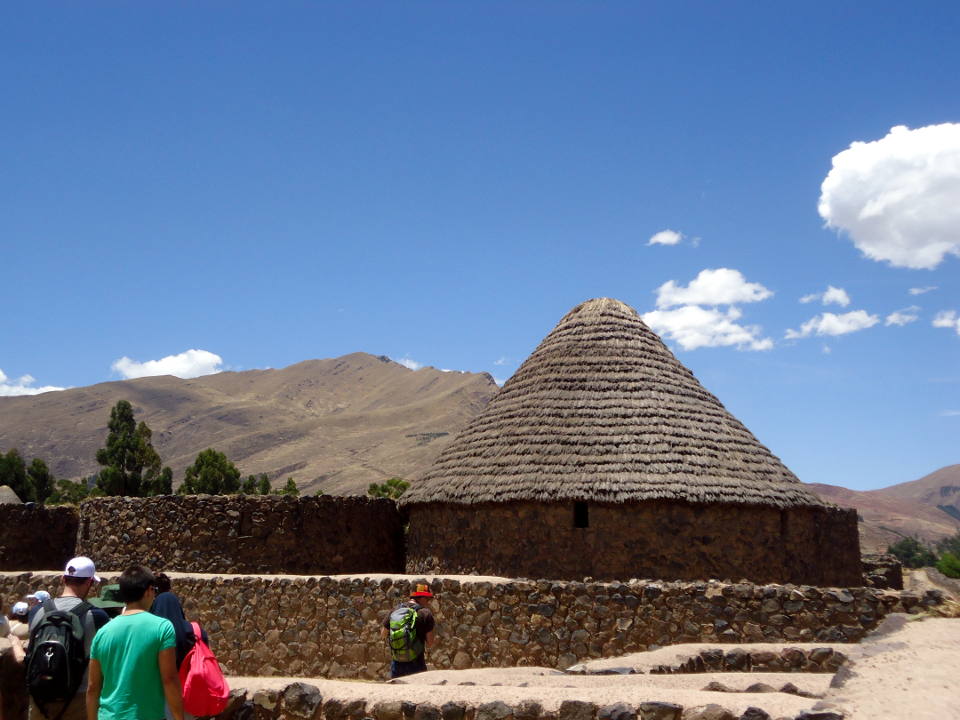
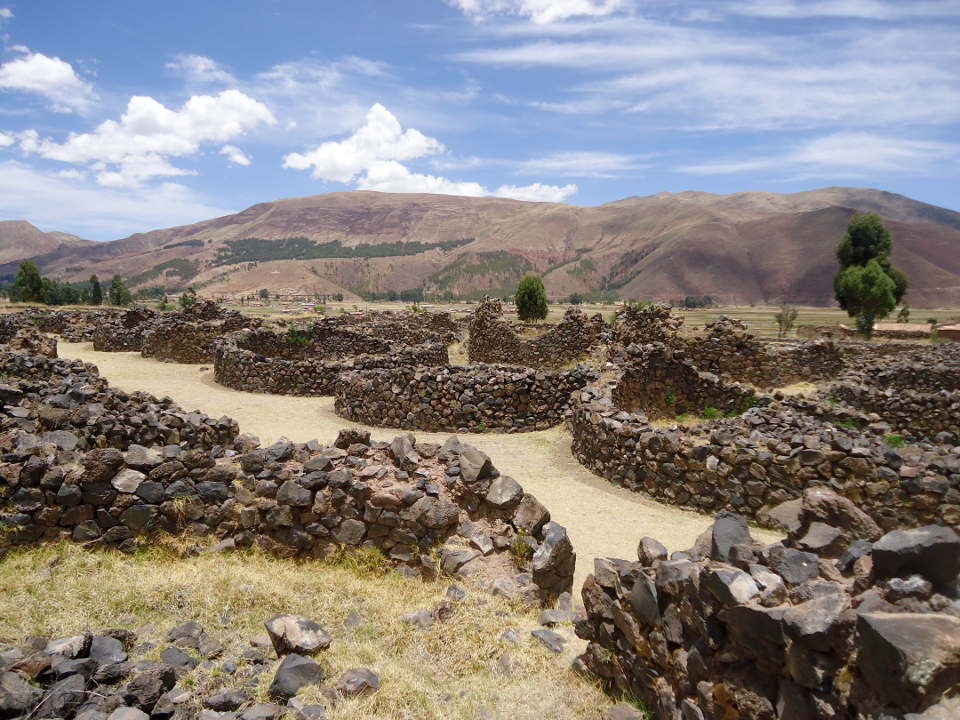
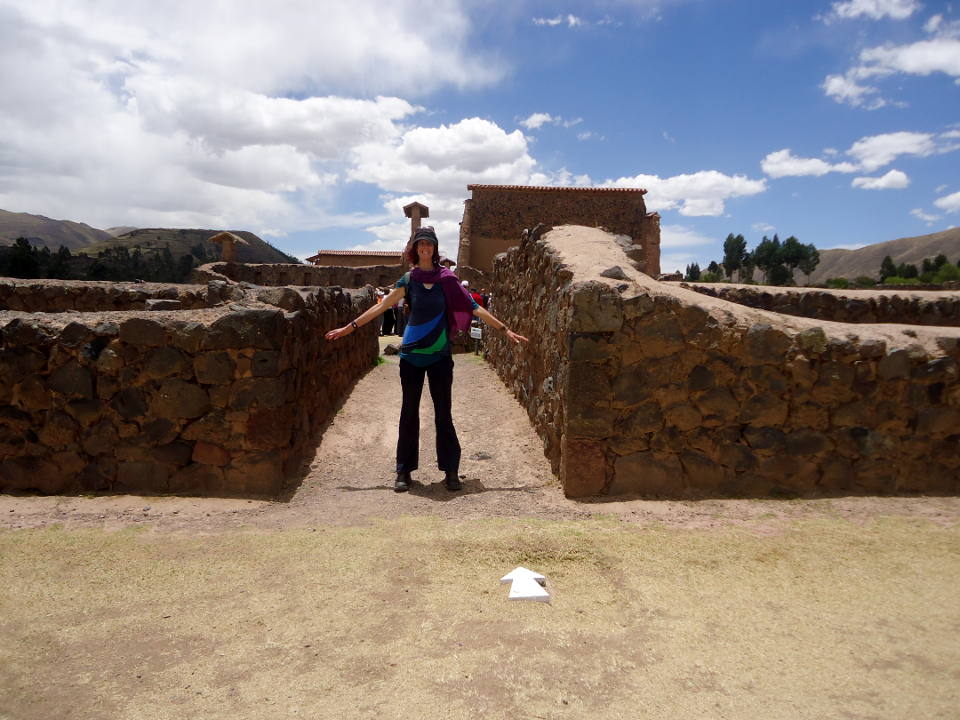
I then took a bus back to Cusco and stayed a few more nights there. October 21, from Cusco. took a day bus tour that left around 6.40 am, getting to Puno around 5 pm. This tour with Wonder Peru bus, stopped at places in the Sacred Valley on the way. We stopped at Raqch’i, an Inca archaeological site. This was the reason I had taken this tour, as I wanted to go there. It is 3480 m above sea level and it is also known as the Temple of Wiracocha. We also stopped at markets.

Puno

In Puno I stayed at the Inkas Rest Hostel. Puno is also high altitude, at roughly 4000 metres above sea level, and on the shores of Lake Titicaca. This sacred lake is the largest high altitude lake in the world.

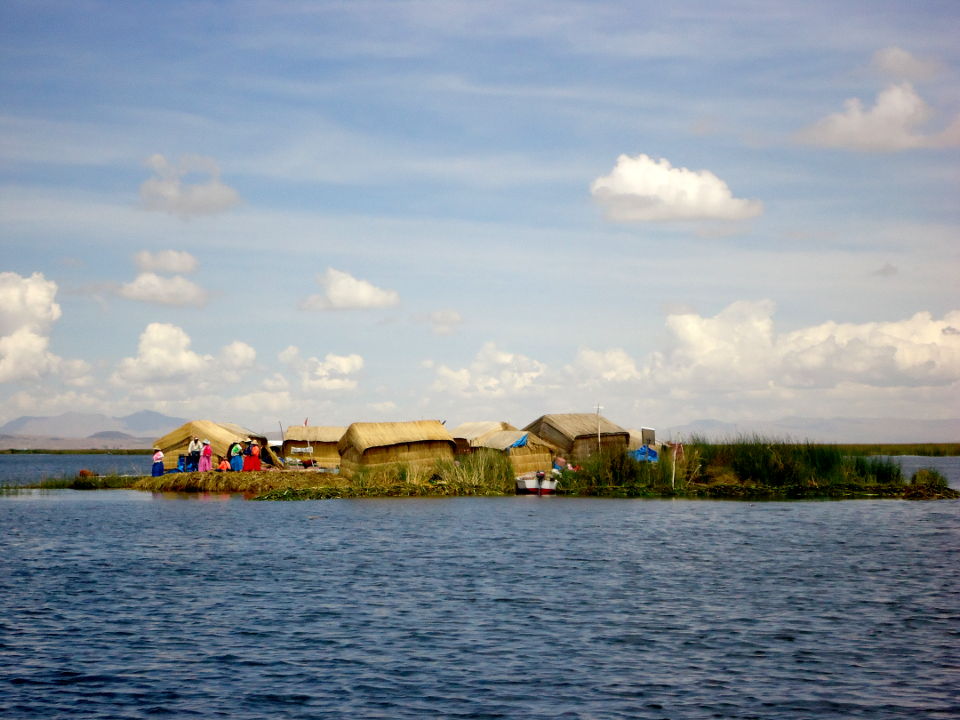
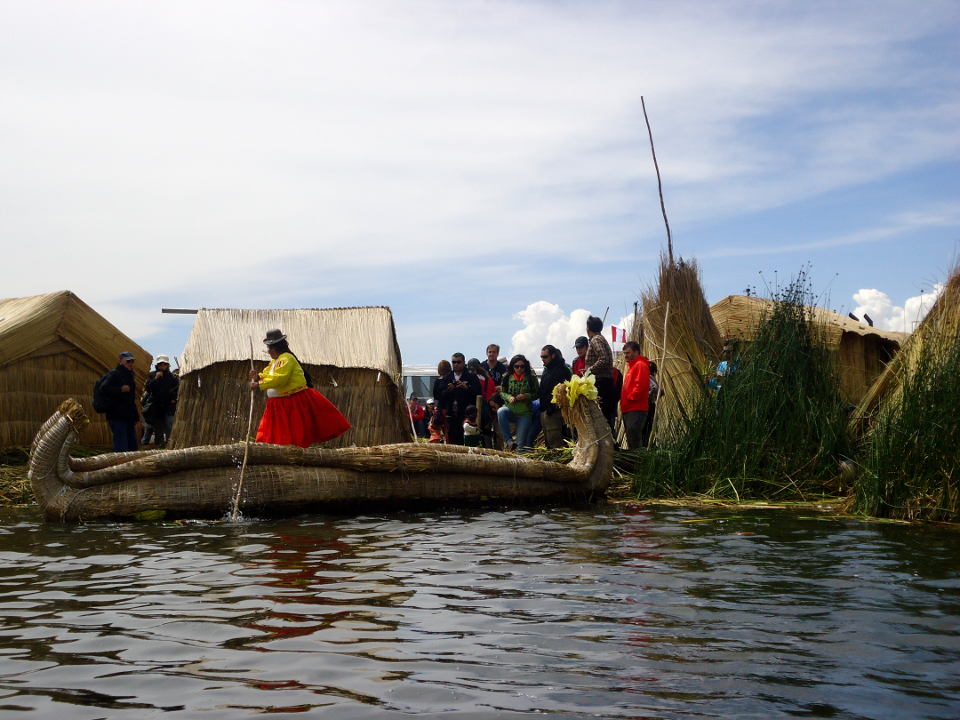
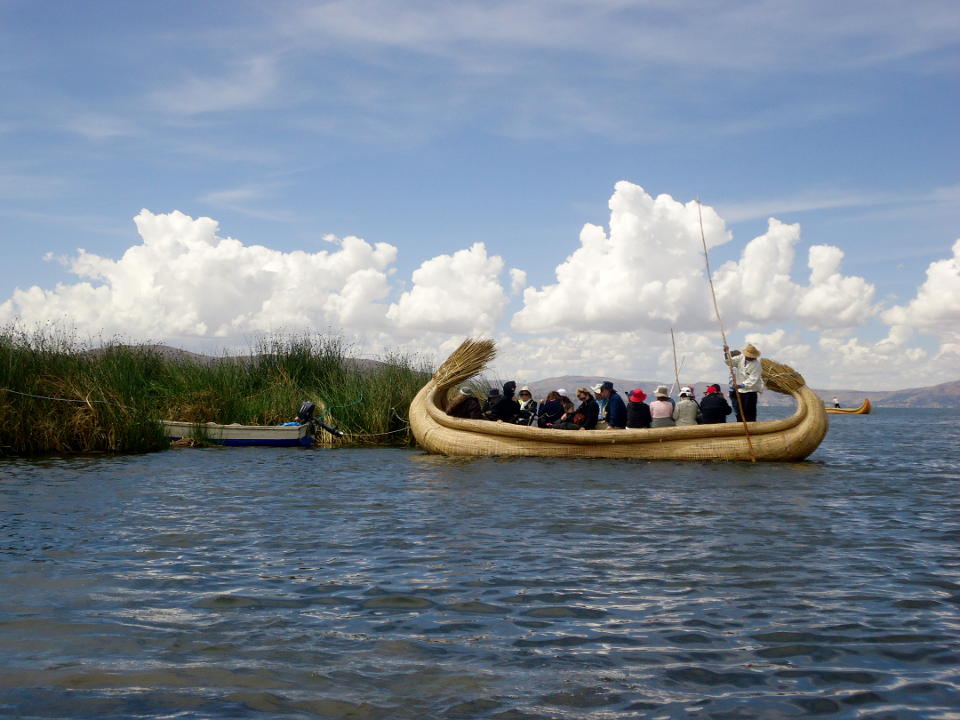
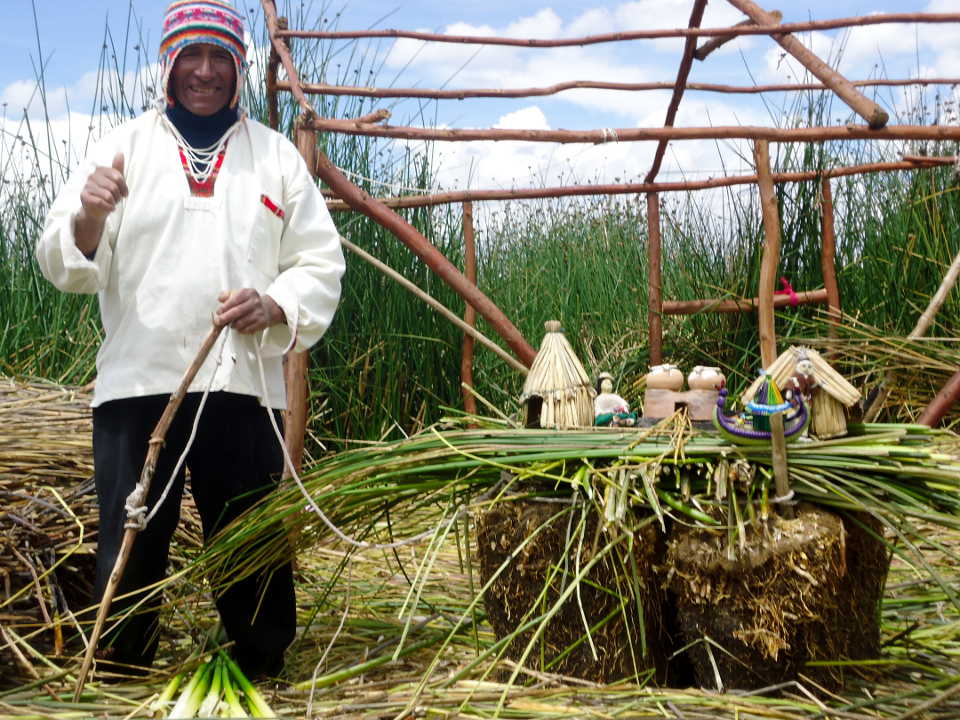
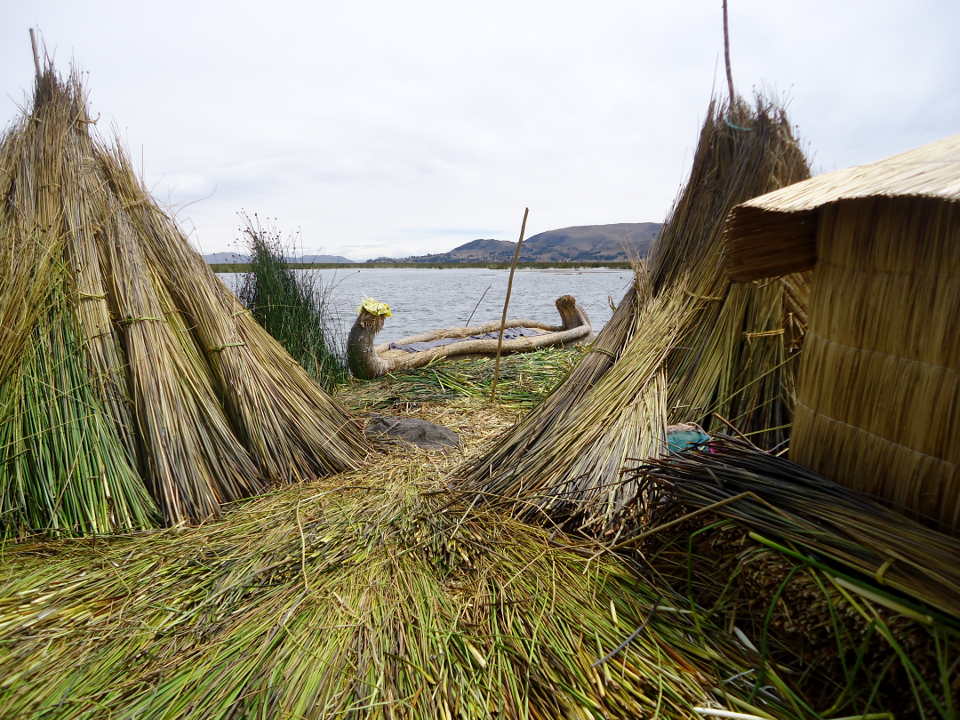
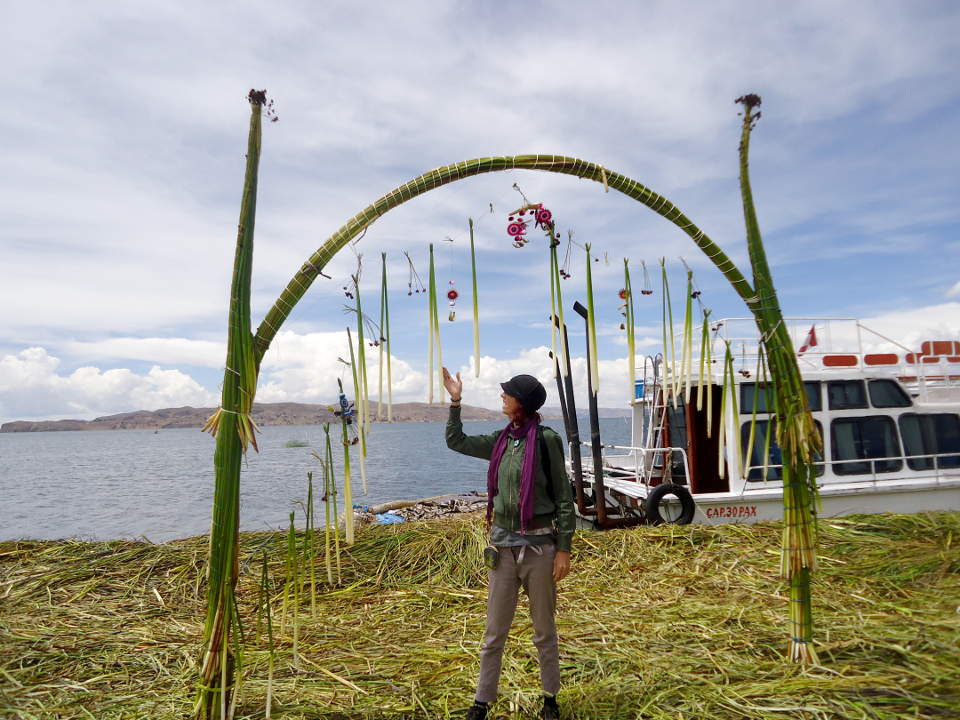
The next day, it was time on the Lake, a boat trip with Leon Tours. We were shown and stepped onto the floating islands of Uros, and how people live on these man made islands.

‘The Uros are several craft-floating islands made of aquatic reeds called Totora. Where Andean inhabitants live since immemorial time. Maintaining their costumes, traditions, and lifestyle, completely isolated from the world, floating eternally in the waters of Lake Titicaca. The islands are around 60 to 70 in total. However, the quantity may change every year. Because each island can merge with another. Oe disappear and its inhabitants moving to another larger island and join other islanders’. (www.machutravelperu.com)

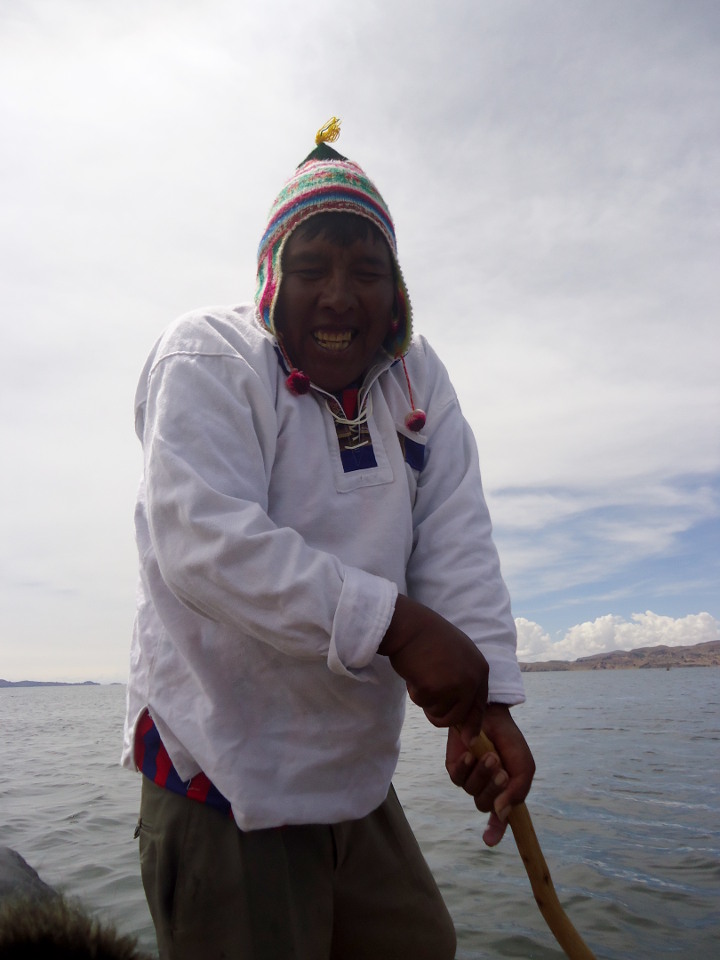
And also to the island of Taquile, where we had lunch, with trout and sopa with quinoa.  Taquile, the locals call it Intika in their native tongue. As most of the roughly 2,000 inhabitants of the small islands still speak Quechua, the ancient language of the Inca.  Time has stood still on the Island, the men are known for their knitting.  I loved this on the island, the men knitting.

Beautiful sunny day. Met a man called Park, whom was from Japan, he worked as an acupuncturist. On the way back, I lay on top of the boat. And felt the waves of Lake Titicaca roll and wash under me.

Amaru Muru

That night at the hostel, Inka Rest, there was a though not uncommon power cut through the whole town. And so it was romantic candlelight. The next day I decided to stay another night in Puno. So that I could go to the gateway of Amaru Muru, before entering the Bolivia side of Lake Titicaca.

I went to a tour agency, as I was trying to figure out how to book flights to Mexico. I met the owner, a local called Eduardo. I asked him about Amaru Muru. And said he could help me get there, he seemed to have an understanding of the significance of the place. Eduardo was to guide me there, I booked it in. And he normally books a taxi for the tour. But I though it would be good to go on local public transport!? It was a bumpy bus ride, giving coca leaves to the locals on the way.

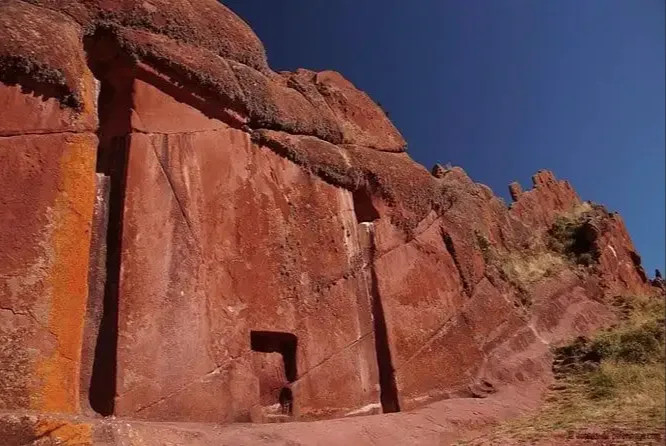
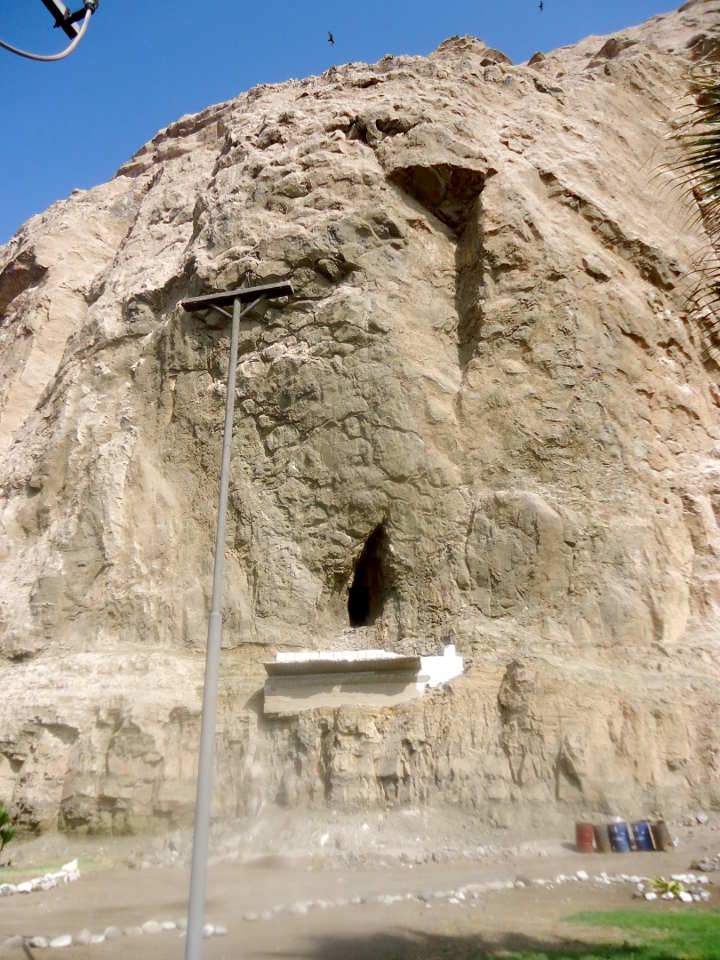
Amaru Muru It is a large rock face that stands over seven meters tall, with a doorway cut into it. It is made of a pinkish-hued stone material that is unusual and is not found anywhere else in the region. Large funnels flank the doorway on each side, and the door is large enough to fit a person. A small circular recess is visible about mid height, and what seems to be indented to place your hands. This ancient structure, it seems its origins and purpose are shrouded in mystery. The name Amaru Muru means ‘serpent’s mouth,’ it is also known as Hayu Marca or ‘Gate of the Gods,’

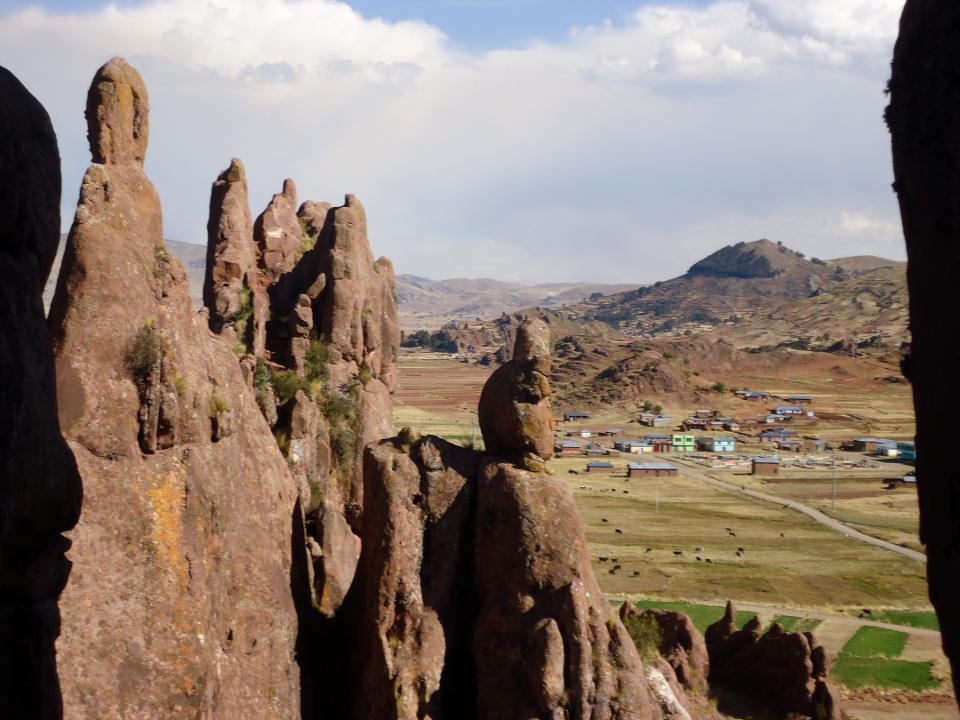
I didn’t take a photo of the actual portal that is Amaru Muru. As it didn’t feel right to do so at the time. We did ceremony there and sensing into the energetic impact of this place. I felt it to be a Lemurian energy, which I had also felt going to Castle Hill in New Zealand. And near Castle Lake at Mount Shasta. These three places on this fair earth I have felt Lemurian energy strongly. I guess it is some sort of remembrance? I walked further up too by myself. This region is called the Valley of the the Spirits. Around what looked like stone arches, and interesting rock formations, bringing through the LL whilst there.

From Lonely Planet writings: ‘Coming from Puno, beyond the bridge over the Rio Ilave. The road cuts 60 km across the plain towards Juli… The Gateway of Amaru Muru, a doorway like alcove carved into the rock. And said by indigenous mystics to serve as a dimensional link to the ancestors. A belief shared by new agers, who view it as the Andean “star gate”. A kind of link to non-Earthly beings and other worlds. It is very hard to find, without a local guide or tour leader.’

Amaru Muru gateway- courtesy of internet image.

8.30 am bus from Puno to Copacabana, crossing over the border to the Bolivian side of Lake Titicaca.

Chile 2013

Featured

Following the Andes

I flew from Auckland to Santiago, on the 19th of September. I was embarking on another journey, this time following the Earths Kundalini, in its new place. After reading books that had been recently published, and researching how it had shifted to the Andes Mountains. This knowledge once I had read it, wouldn’t leave me be, and so I found myself setting off again.

One of the books is by Drunvalo Melchizedek, that references the sacred event that takes place every 13,000 years. ‘Serpent of Light: Beyond 2012 – The Movement of the Earth’ s Kundalini and the Rise of the Female Light’. Is the name of the book. It speaks of the Earths Kundalini energy emerging from its resting place in the planet’s core. And moving like a snake across the surface of our world. Its movements from ancient Lemuria, to finding a home in Atlantis. Then moving on to the Himalayan mountains of India and Tibet. This time, he describes the “Serpent of Light” has moved to the Andes Mountains of Chile and Peru. Incorporating the Mayan prophesies. (More at the end of this post)

Another book, The Gaia Effect, published in 2013 also reflected about this earth energetic shift, and with similar prophesies. Written by Monika Muranyi and Lee Carroll (Kryon).

And so this was the start of a journey I had mapped out, that followed this line. Up through and following the Andes in Chile, into Peru. And then on wards to sacred sites in Bolivia, Mexico, America and Hawaii. I felt guided to take this serpent path, starting in Santiago. This was quite a big journey with the twists. Covering a lot of distance, taking me to many places and many bus rides! I had recently started speaking Light Language whilst back in New Zealand. And so this journey also included this aspect.

Santiago

Arriving in Santiago around midday. Today was a day of celebration, it was Chilean day. But the buses and trains were a bit out of kilter. Weary eyed after the flight, so oblivious to it. Set on getting to my destination. I was to stay with Sofia and her daughter, Celeste. Sofia is Chilean and I had met her when she was studying in Dunedin. Her flat was at Quirihue, Nunoa. Taking a bus and trains from the airport to Irarrazaval Metro Station, and then a taxi from there. Sofia had kindly left an envelope with some keys for me. But I was a bit wired, and failed to read which flat the keys were for. So it took me ages of trying random doors! Jet-lag does strange things with brains. I finally worked it out, and happily curled up inside and went to sleep. Meeting with Sofia when she got home later.

Sofia took me to her local supermarket, she introduced me to Palmitos. Which she ate from a can, I brought these quite a lot on my trip and enjoyed them. These are vegetable, also known as hearts of palm. The edible inner core or bud of certain species of palm trees.

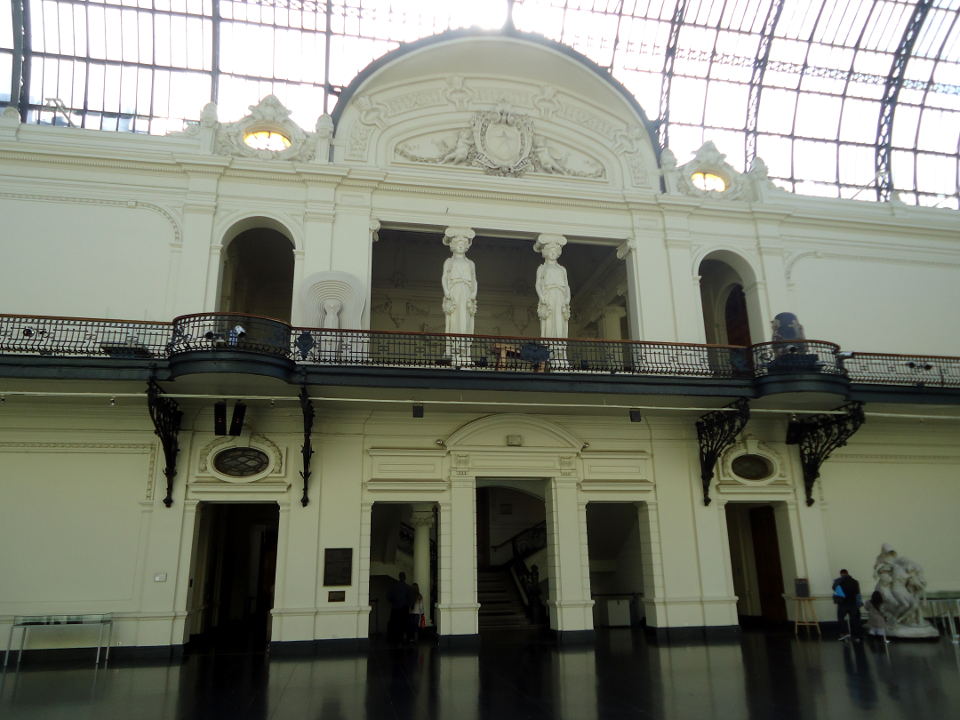
In Santiago, I went to Museo Nacional de Bellas Artes and Museo de Arte Contemporaneo, both next to each other. With great architecture and many different artworks to behold. It took a short while to get used to the street dogs in Chile. Central Santiago was my first experience of this. The dogs seemed fine and are just doing their thing. In less affluent places in Chile they didn’t look so good sometimes which is hard to see.

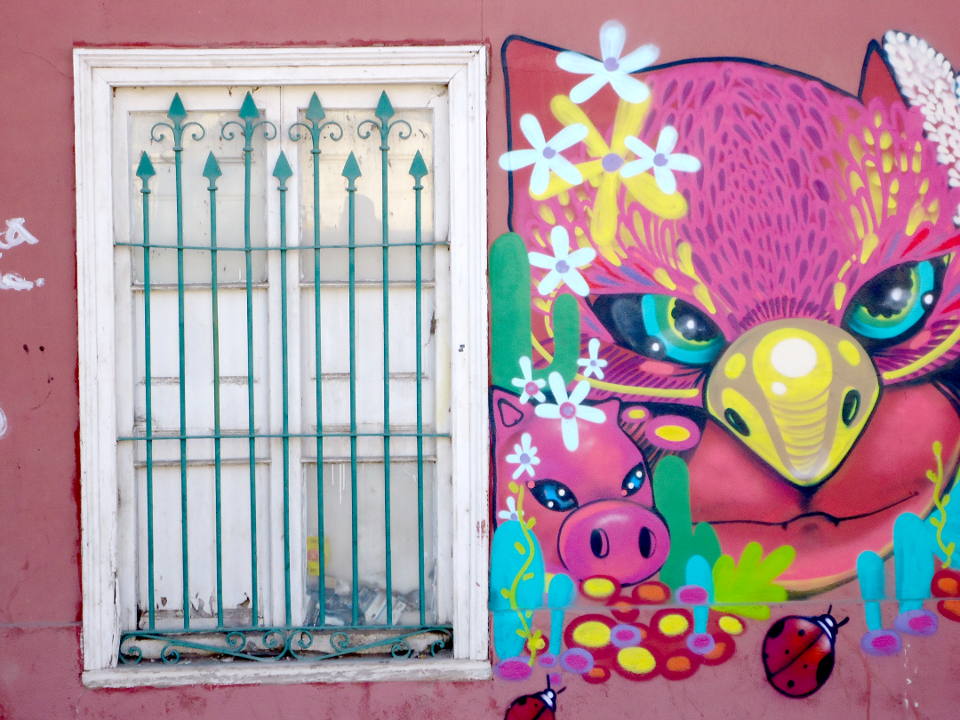
In Barrio Brasil, there is vibrant street art, with crumbling old fashioned houses, and outdoor markets. And Sofia took me to the markets one day. Sofia’s friend was staying at her family house in Barrio Brazel. I was invited along with her friends and it was a nice day. It was a really cool house, and nice to step inside and see how the locals live.

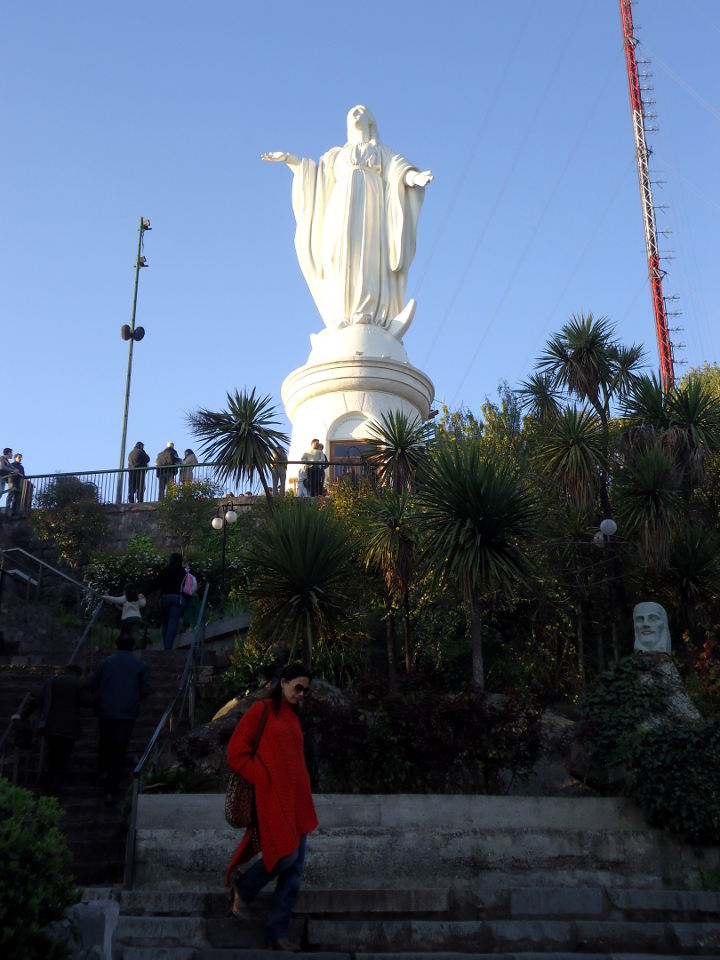
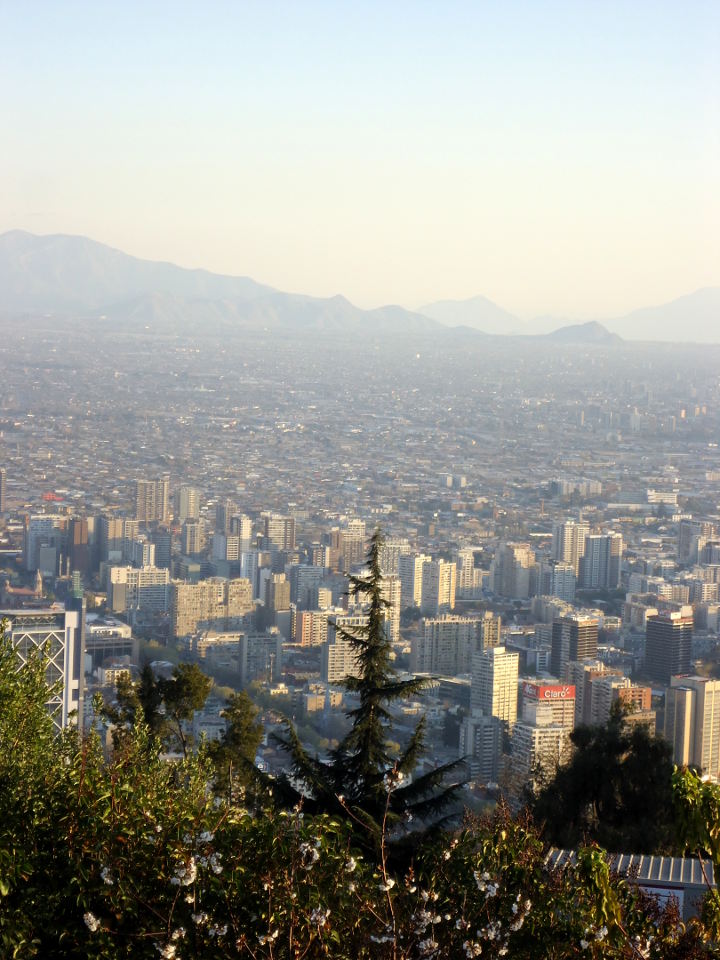
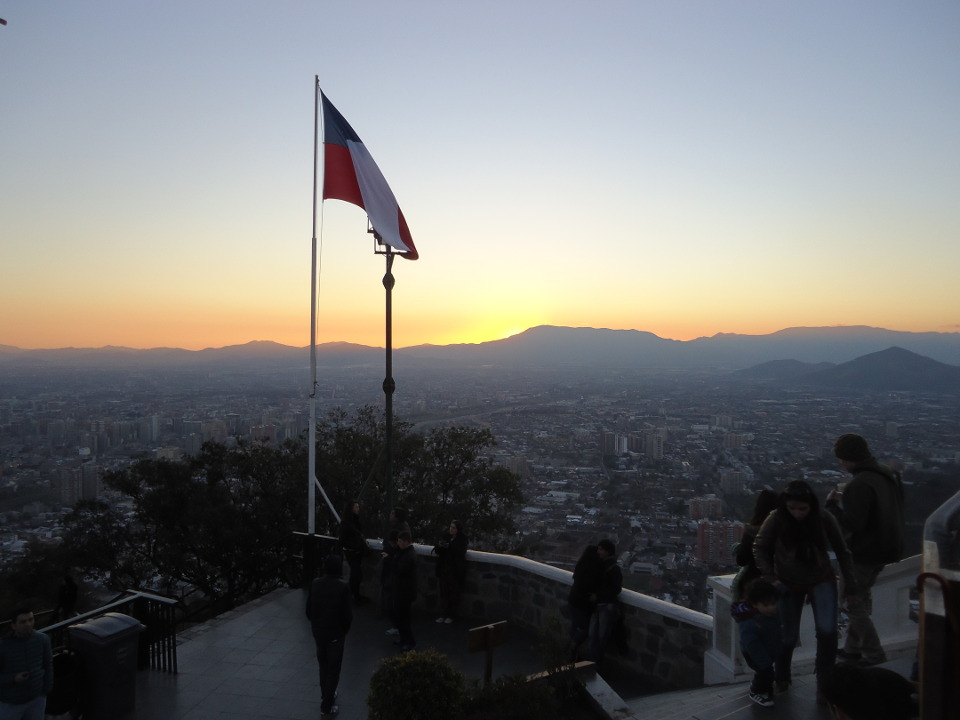
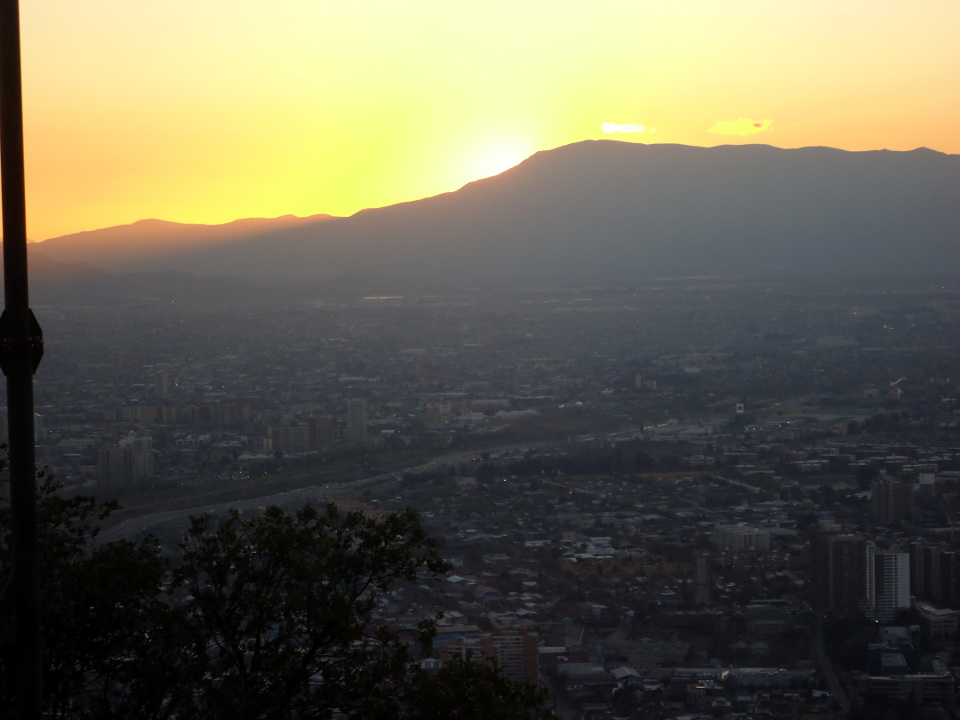
21 Sept, I walked up Cerro San Cristobal, with sweeping views over Santiago. With a snowy white 14 m statue of the Virgin de la Immaculada Concepsion, towering atop the cumber (summit). It was a bit of a hike but worth it, I wanted to be on that spot for the Equinox.

Sofias flat had a lovely bohemian vibe, and I rested a lot when I was in Santiago. I got to know the local area with many walks and finding shady spots. It took longer than I thought it would, to get myself jump started heading away on the next part. I am very thankful to Sofia and Celeste, for the opportunity to stay with them.

Valparaisio

23 Sept, it was time to leave Santiago, and I was ready. I bussed to Valparaisio which is about two hours. I stayed one night at Hostal Caracol, in Bellavista Street.  ‘Pablo Neruda said it best, Valparaiso, how absurd you are… you haven’t combed your hair, you’ve never had time to get dressed, life has always surprised you’. (Lonely Planet).

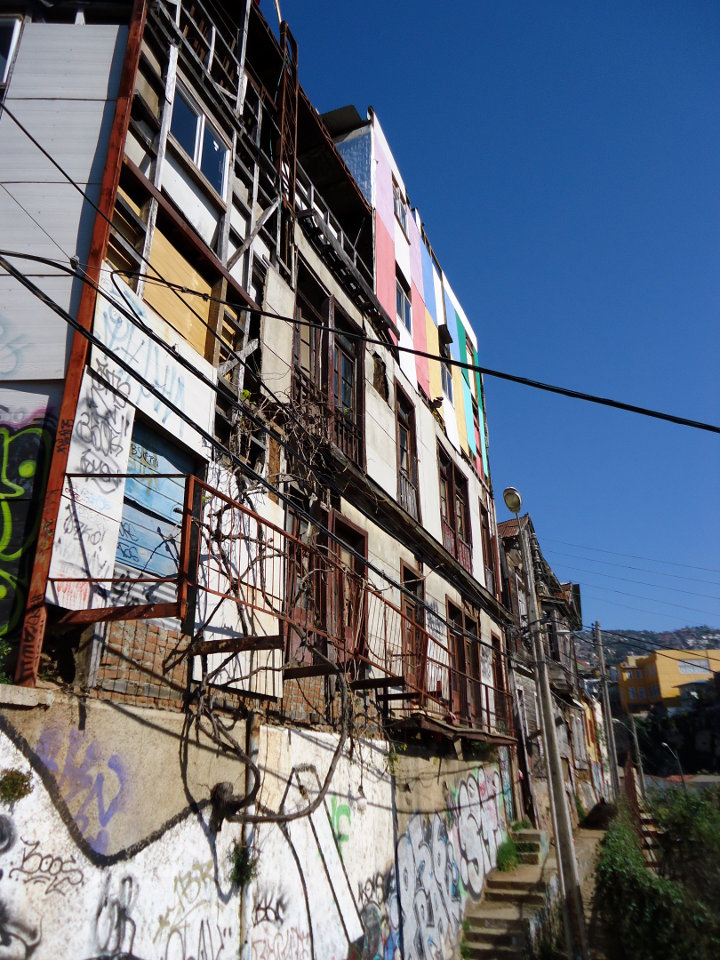
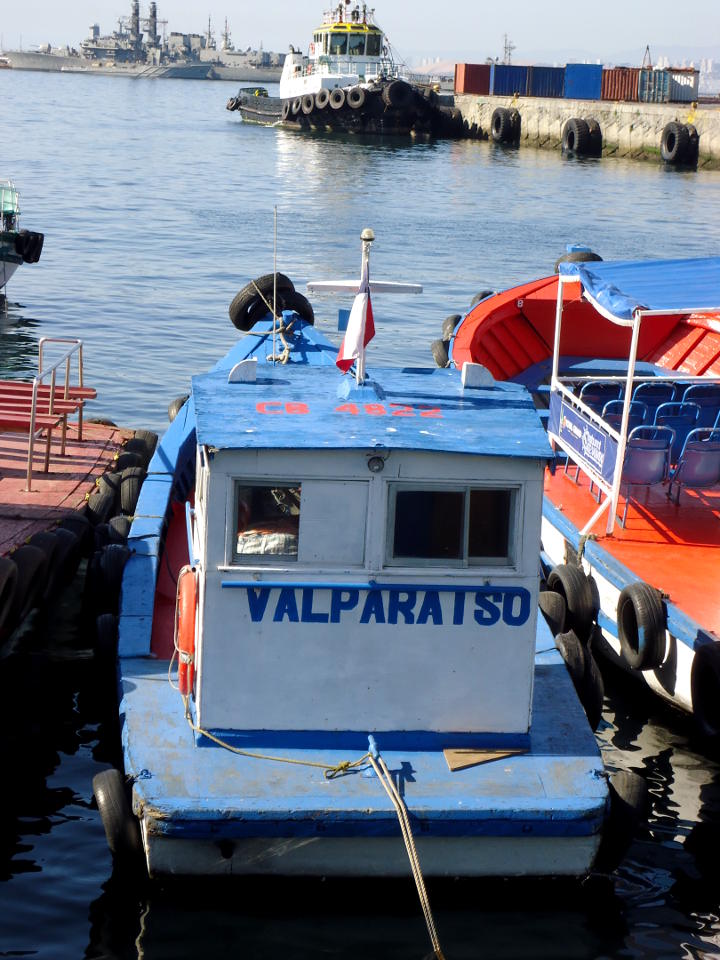
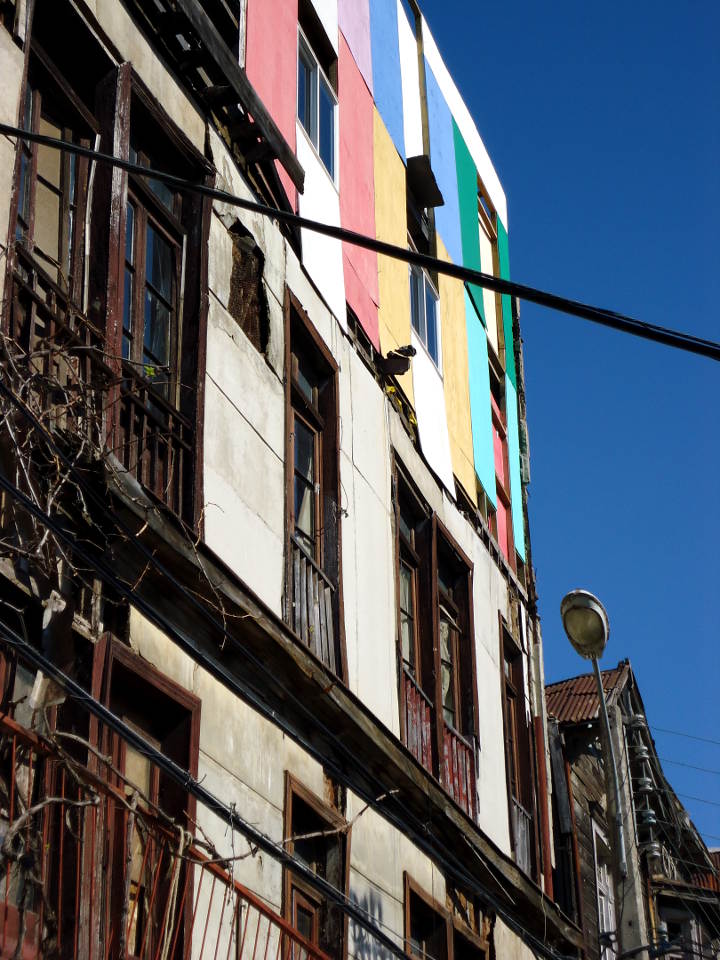
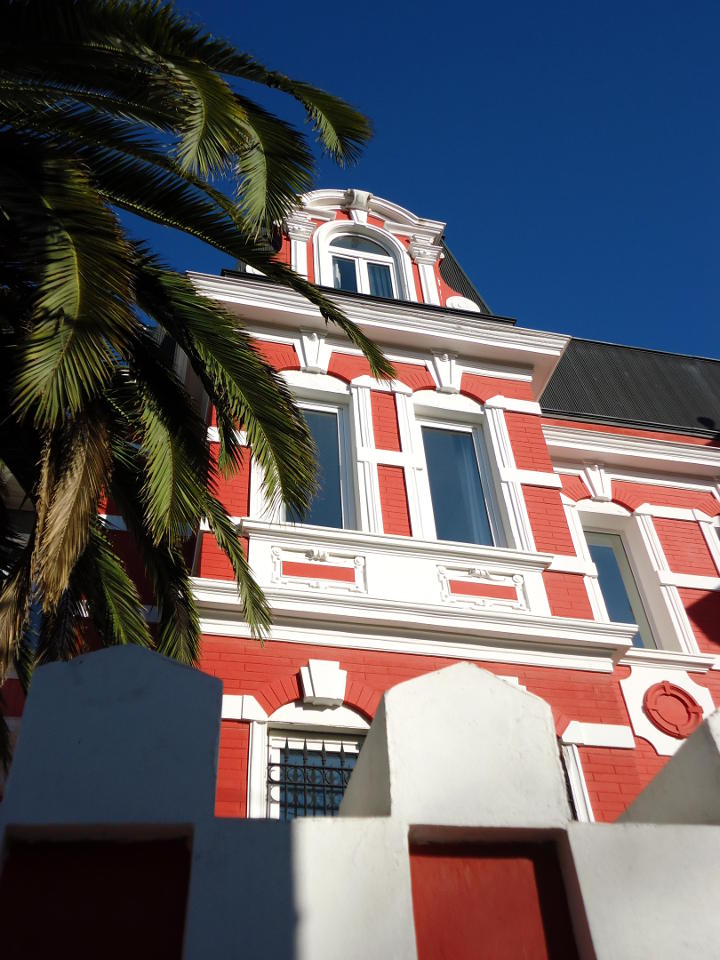
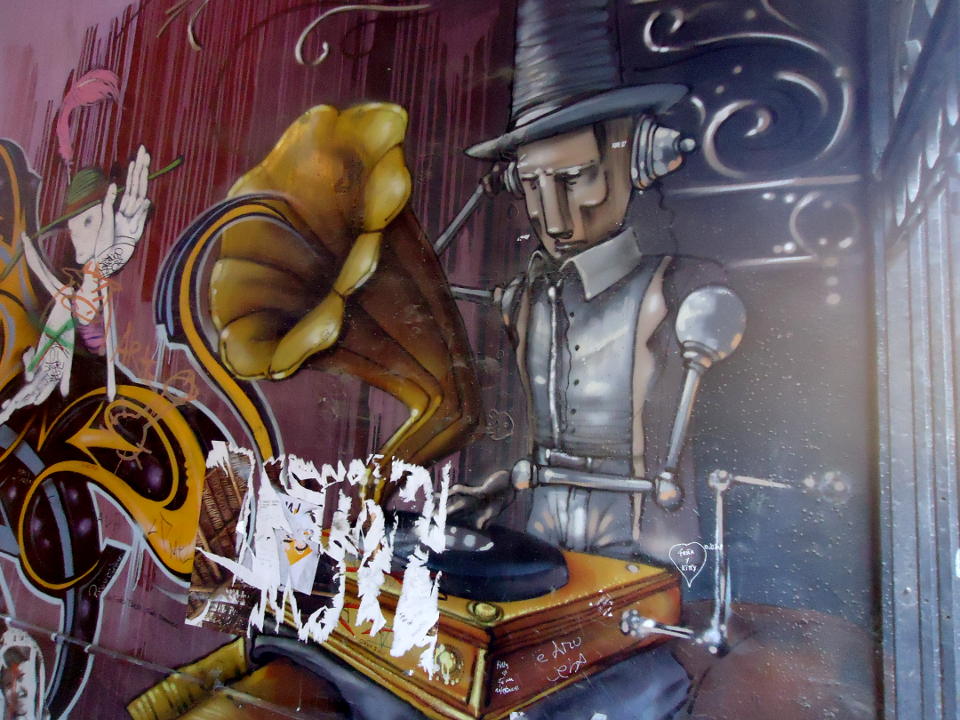
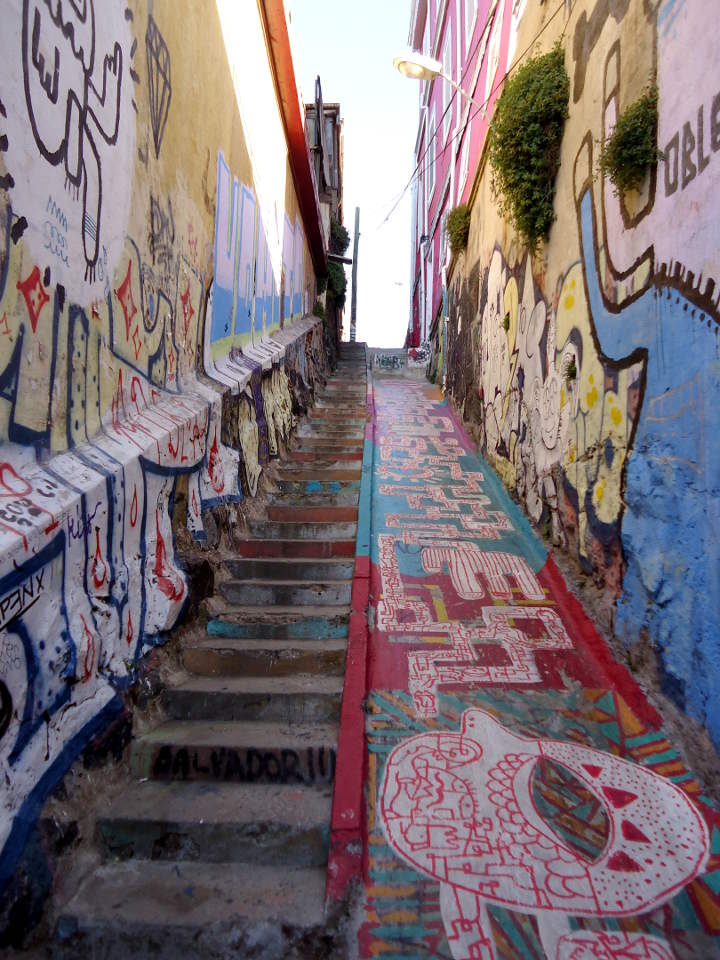
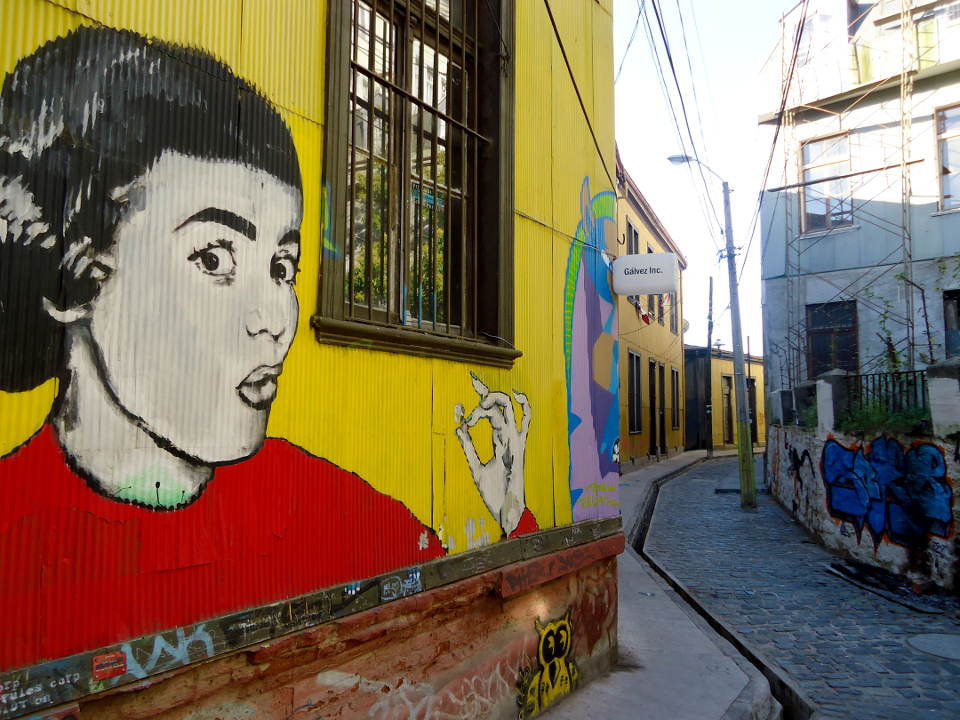
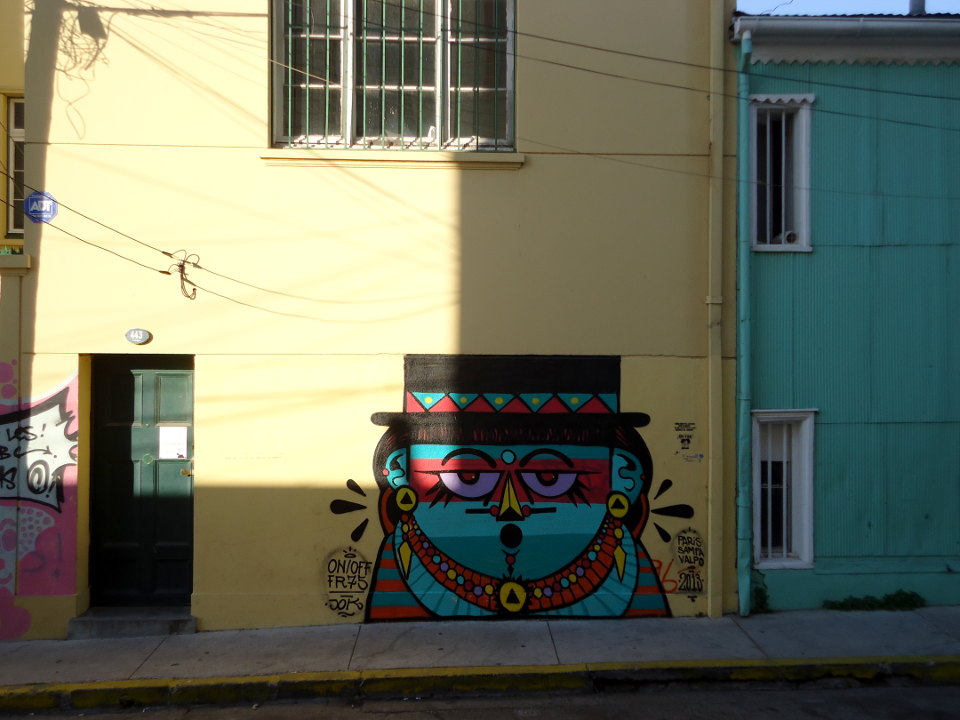
You see colorful street art and murals everywhere here, wandering, and meandering up and down the winding hills of Valparaiso. A maze of steep streets alleys and escaleras (stairways), and crumbling mansions. It was a sunny day and I wandered around this Port City.

La Serena

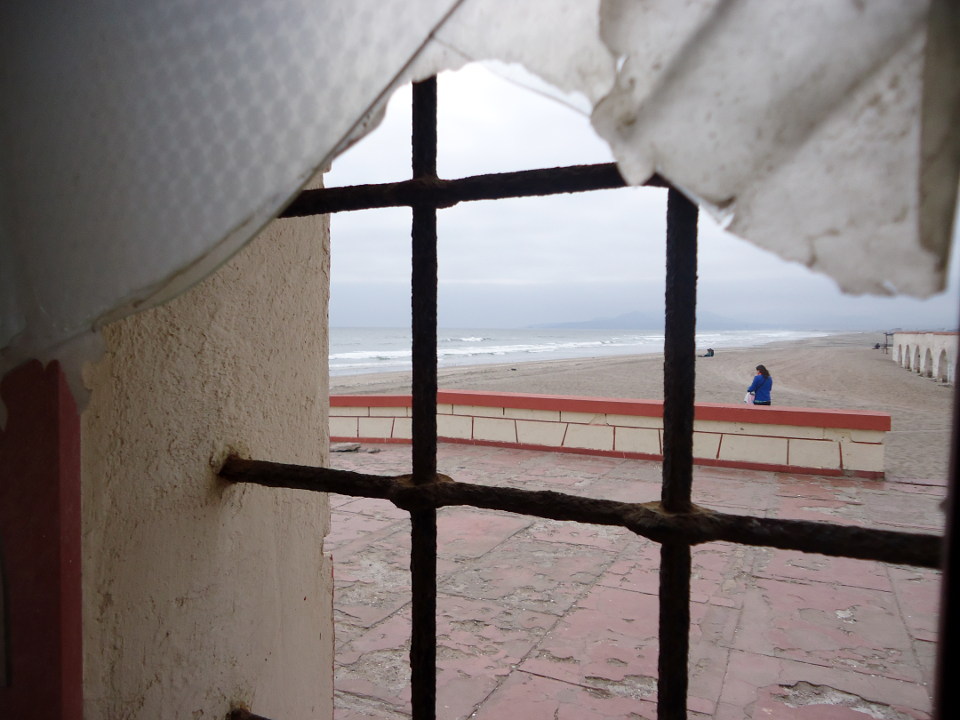
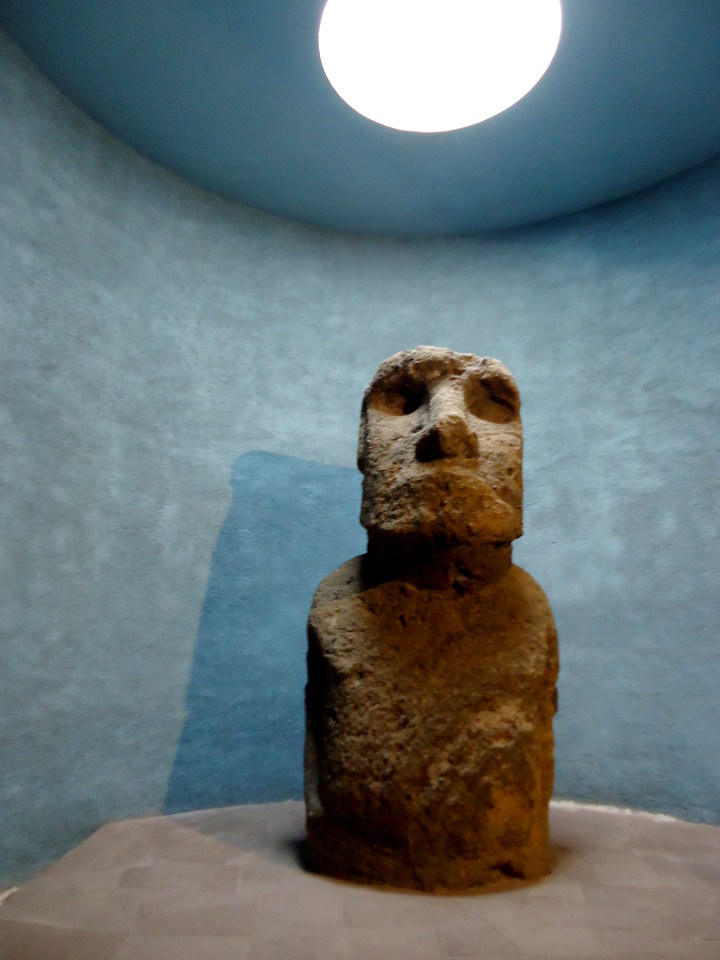
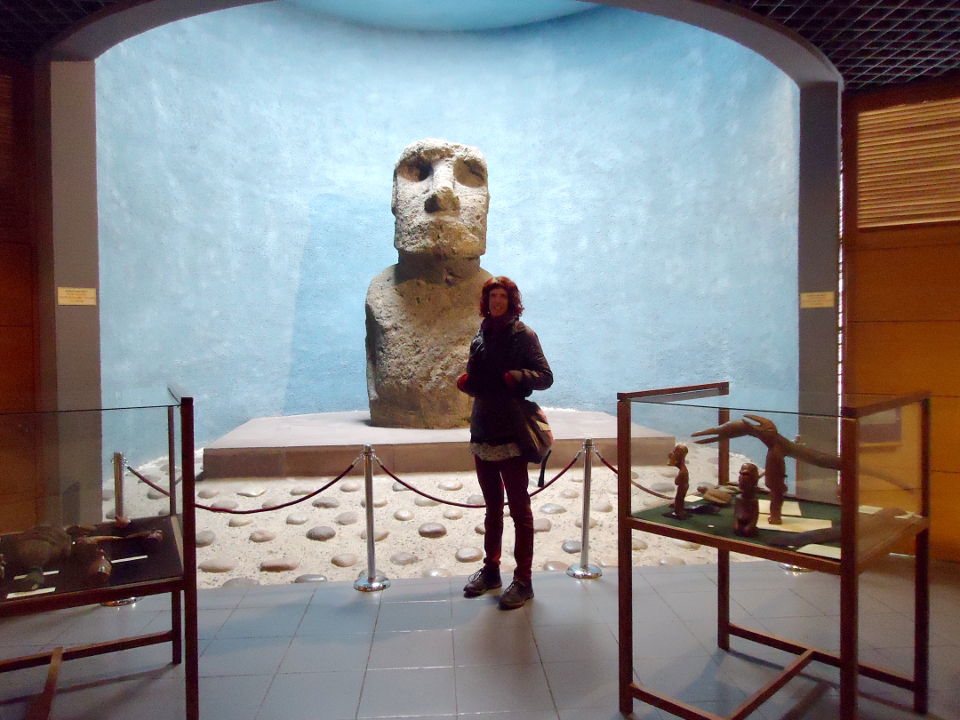
24 Sept, I bussed to the coastal town of La Serena, and stayed two nights at a hostel on Vicuna. I went to Museo Arqueologico, and was drawn in and captivated by the the Easter Island statue that was there. I ended up spending a lot of time with this statue, and quietly speaking LL. And then I went to the beach, to the light house. It was quite a long walk there and back, I had thought it was going to be closer! Had a fish dish that was very delicious at a small local restaurant. The next day I went for a massage from a blind woman, as was recommended by the hotel. Unfortunately I found I was freezing cold! But it did help me unwind of course.

Vicuna

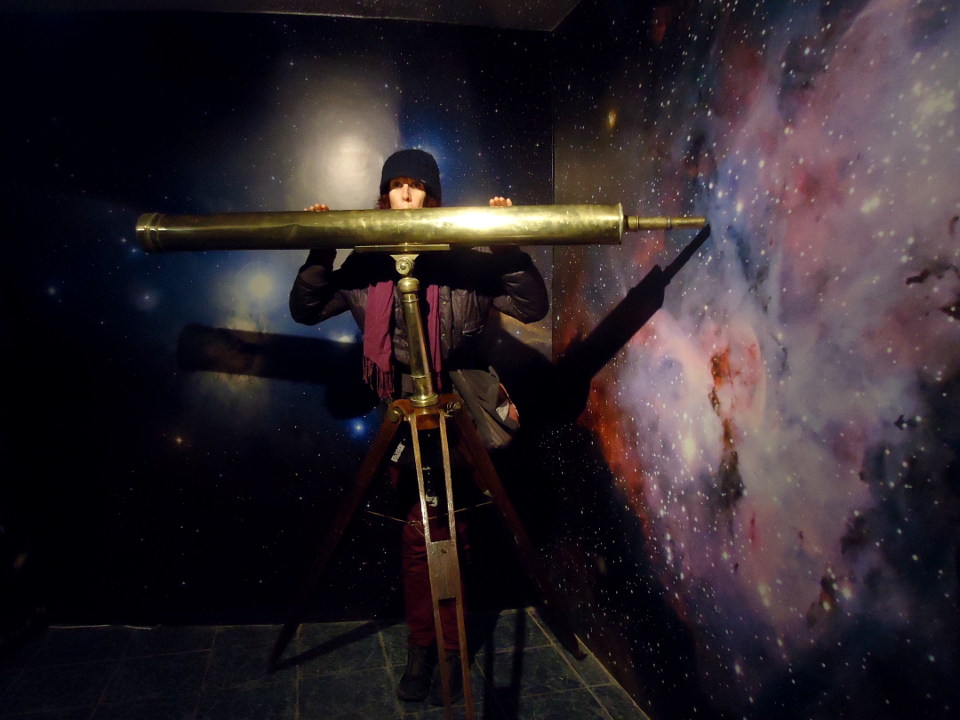
Then caught a bus to Vicuna, on the 26th. One night, went to along to Obervatorio Cerro Mamalluca, for a two hour astrological tour. It is 9 km Southeast of Vicuna, with a 30 cm telescope. It was a clear night, and I had never seen the stars like I saw them up that hill. With a very funny Chilean guide, for extra spice, and meeting others on the tour. The highlight was that we saw Saturn and its rings through the telescope. Though very tiny, it was amazing to see! And also Venus and the star clusters, all making for a great night.

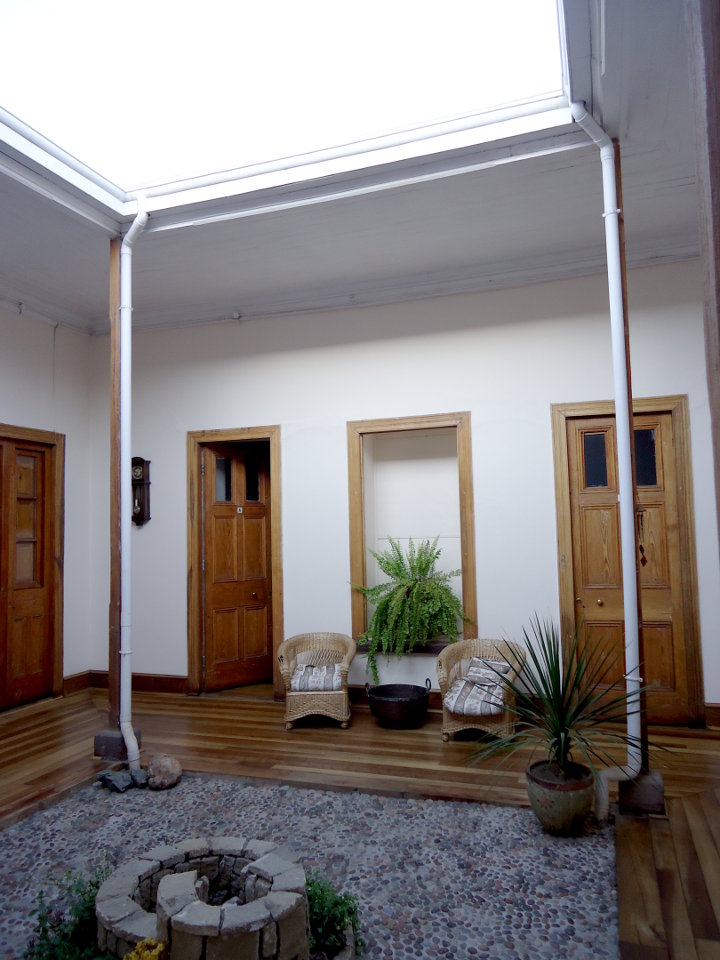
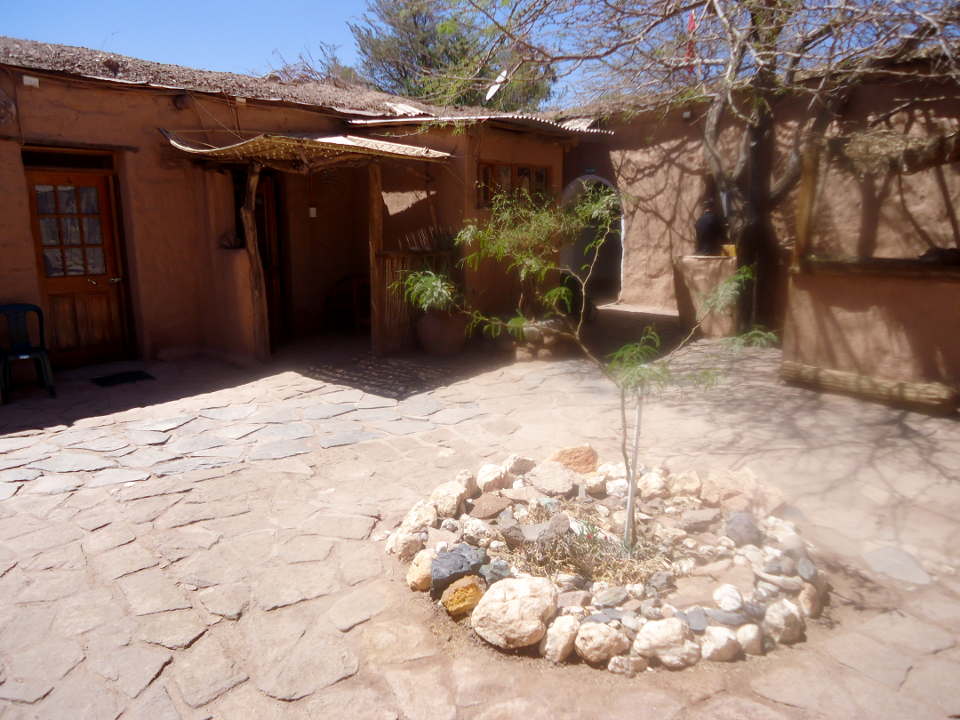
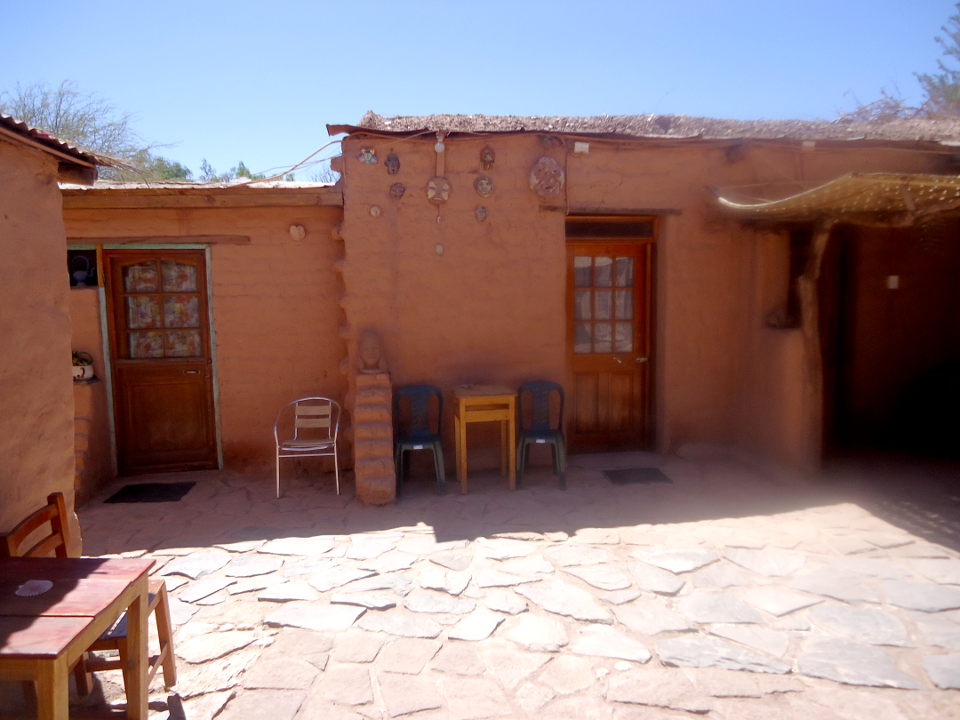
Staying at Hostel Valle Hermoso, on Gabriela Mistral. With a nice room to myself, and the woman that ran it was very friendly. Lonely planet says about the Hostel, ‘Eight airy and immaculately clean rooms around a sun-drenched patio inside and old adobe casona – with Oregon pine beams and walnut floors’.

‘The spirit of Gabriela Mistrals somnambulist poetry seeps from every pore of snoozy little Vicuna. Just 62 km east of La Serena. This is the easiest base from which to delve deeper into the Elqui Valley. The town itself, with its low key plaza and lyrical air and compact dwellings’ (Lonely Planet). In Vicuna I went to Chaski for dinner and wandered around a wee bit. The town felt nice and calm after being in bigger cities.

Cochiguaz

Centro Magnetica

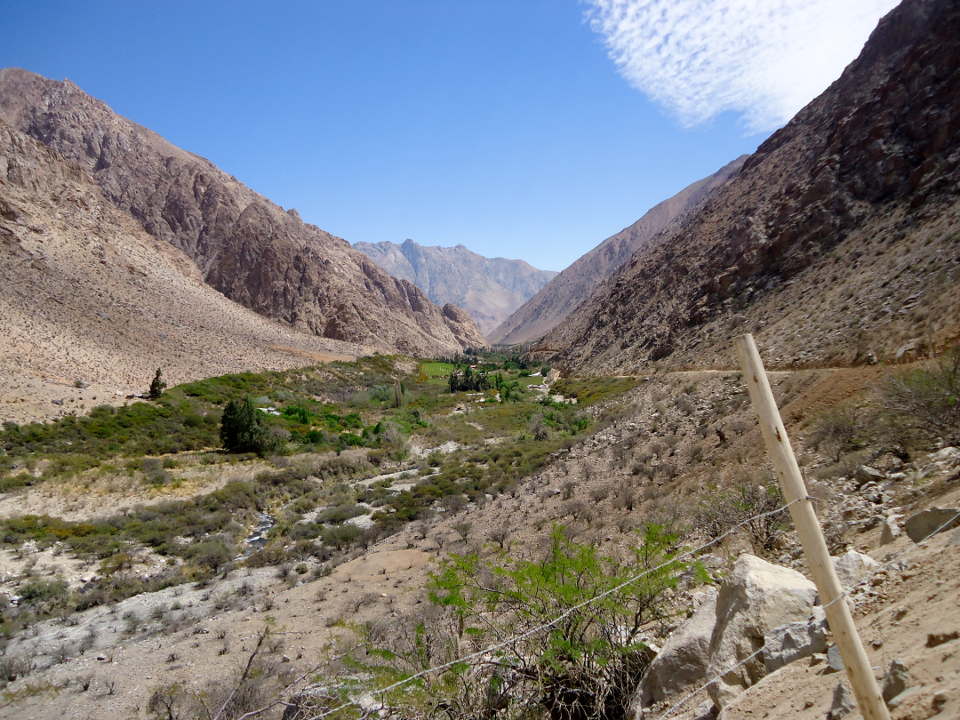
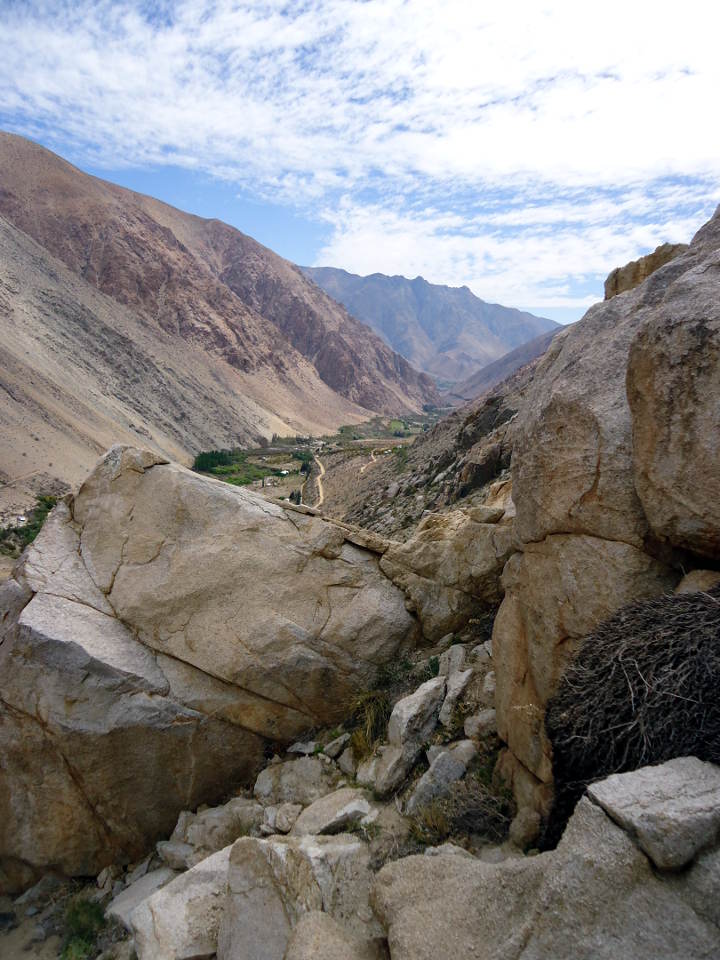
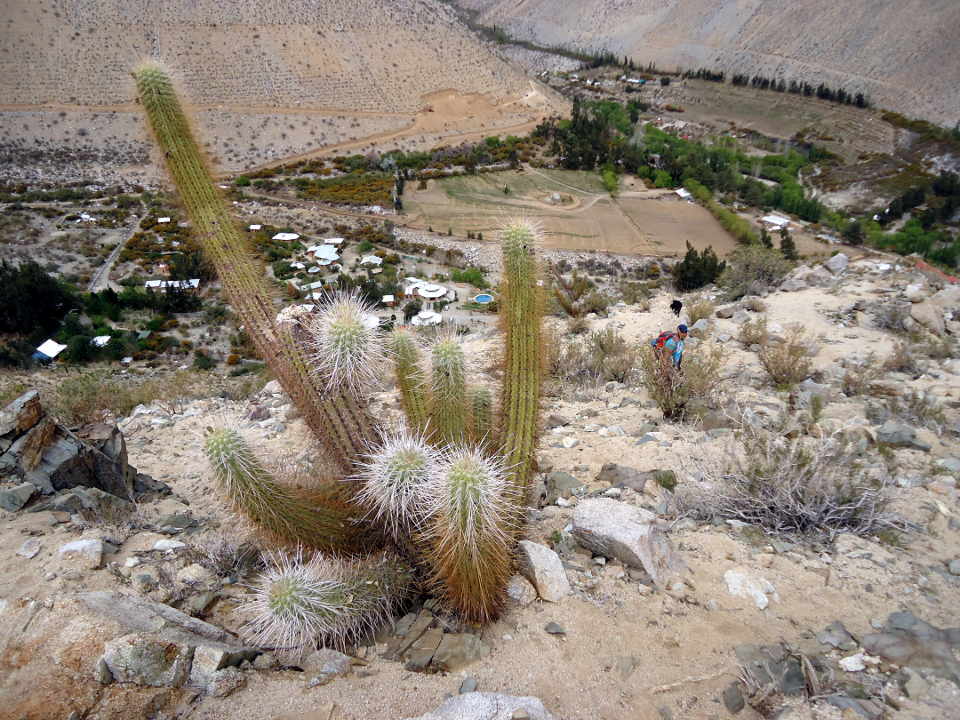
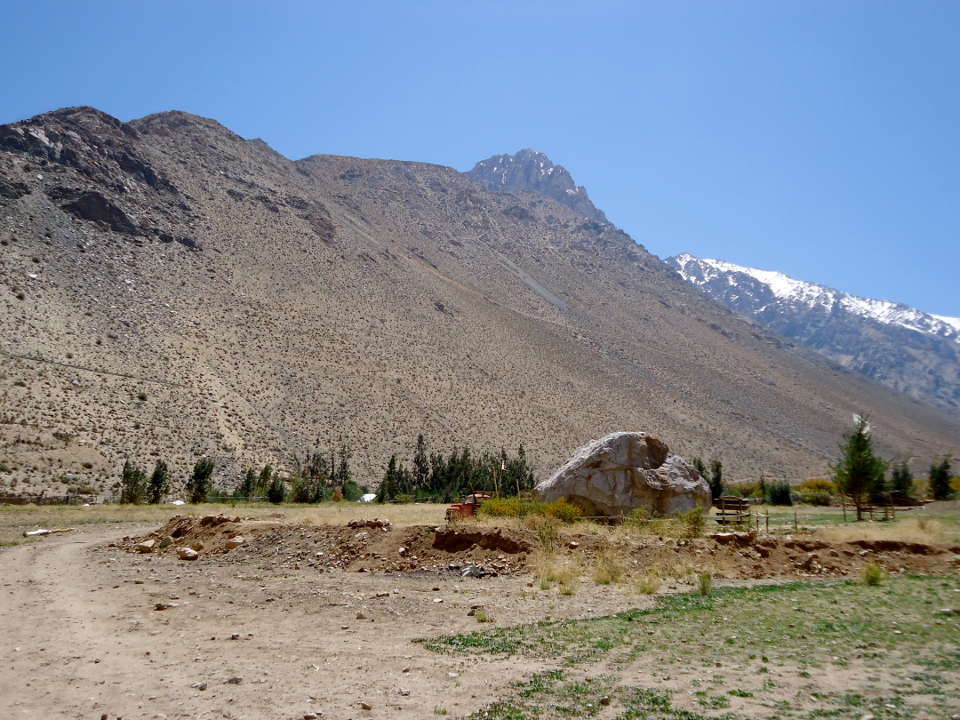
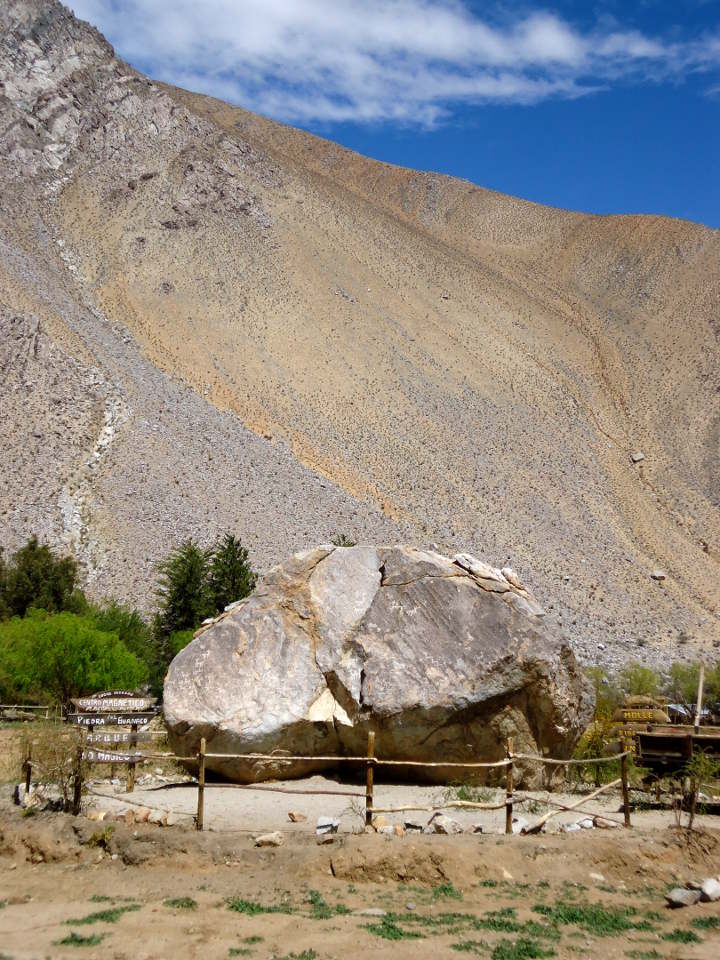
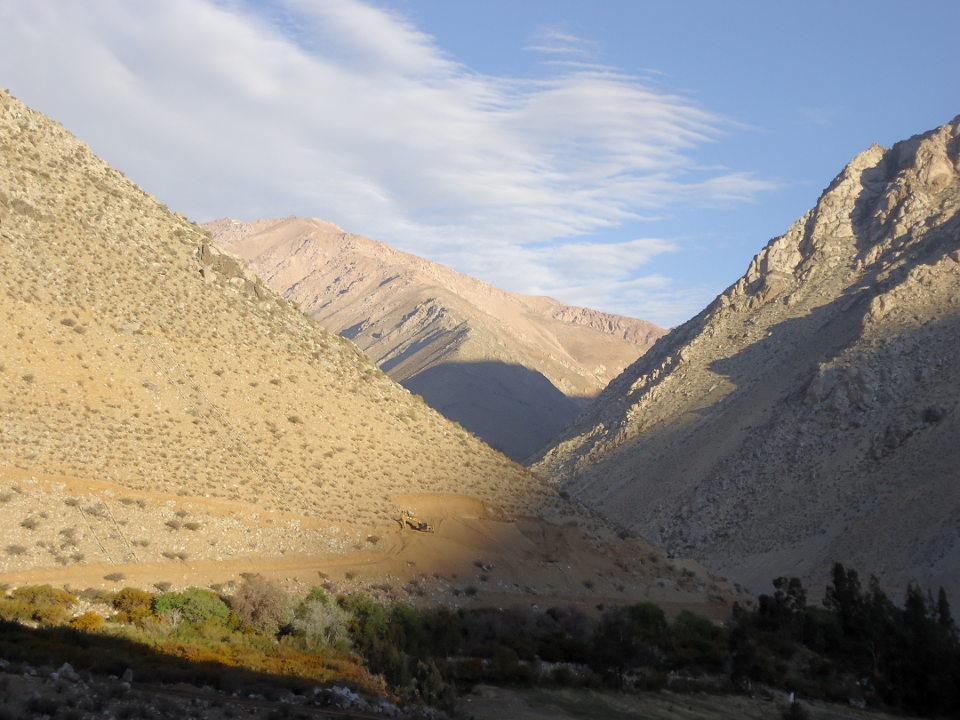
The Elqui Valley, known for its new age communes and cutting edge observatories. I wanted to go this place when I found about the magnetic centre, or centro magnetica in Spanish.

27th Sept, I got a bus to Montegrande, through the Elqui Valley. I met a guy called Rob, an Englishman whom was looking for his dog. Which I think the locals find kind of loco, as in Chile the dogs all run wild, free and unrestricted. I asked him if he was going to Cochiquaz, on the off chance. As the bus doesn’t go there, only as far as Montegrande. He dropped me at the start of the road to Cochiquaz, which was very close. I had researched and knew this was my only way in, to hitch a ride with a friendly local. And so Cynthia Conrads pulled up. She took me to her mothers place on the way. She and her comrade were dropping off bags full of horse manure. So we stopped in and she showed me around this wondrous hostel called ‘Albaricoque Cochiquaz’. It was not open at the moment, it was next to the river and right next to a mountain. I found there was an amazing energy at one place. I did some LL and described to her what it was, she was interested. She was lovely, and we swapped addresses on the drop off just up the road from Spa Cochiquaz,

According to Lonely Planet, ‘New Age Capital of Northern Chile, the secluded valley of Cochiquaz is accredited with an extraordinary concentration of cosmic vibes. A vortex of powerful energies much publicised UFO sightings and formidable healing powers. But you needn’t be a believer to enjoy the beautiful valley’.

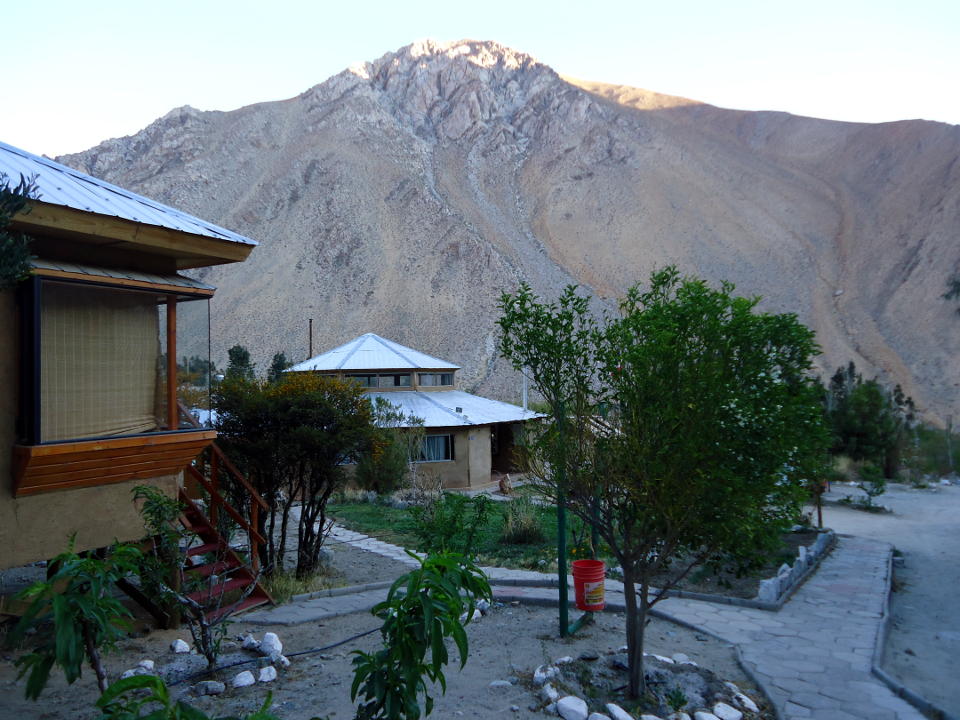
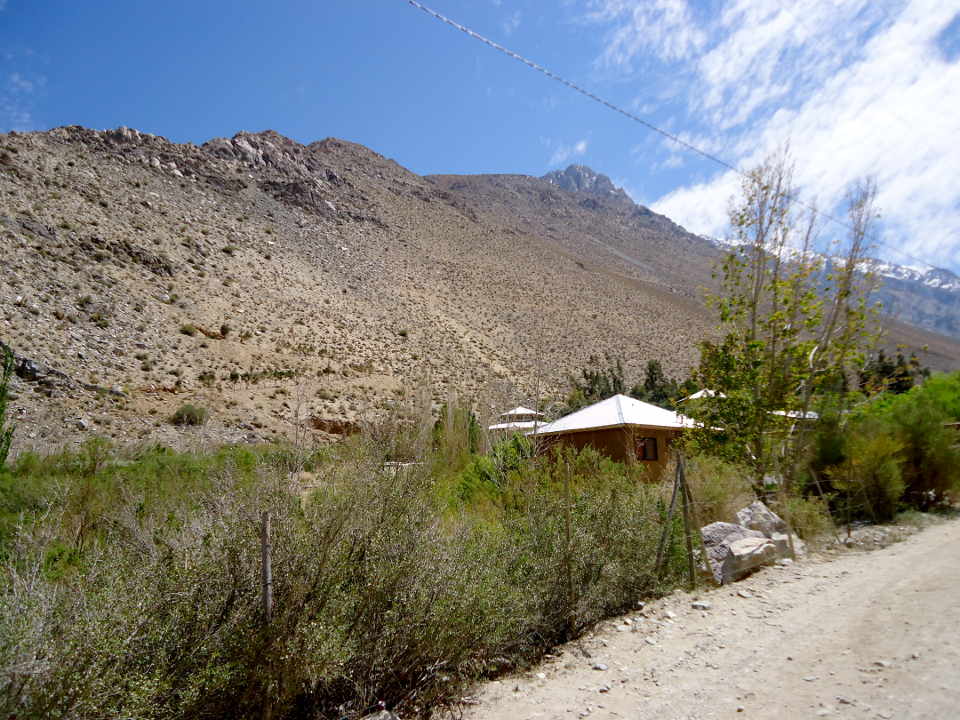
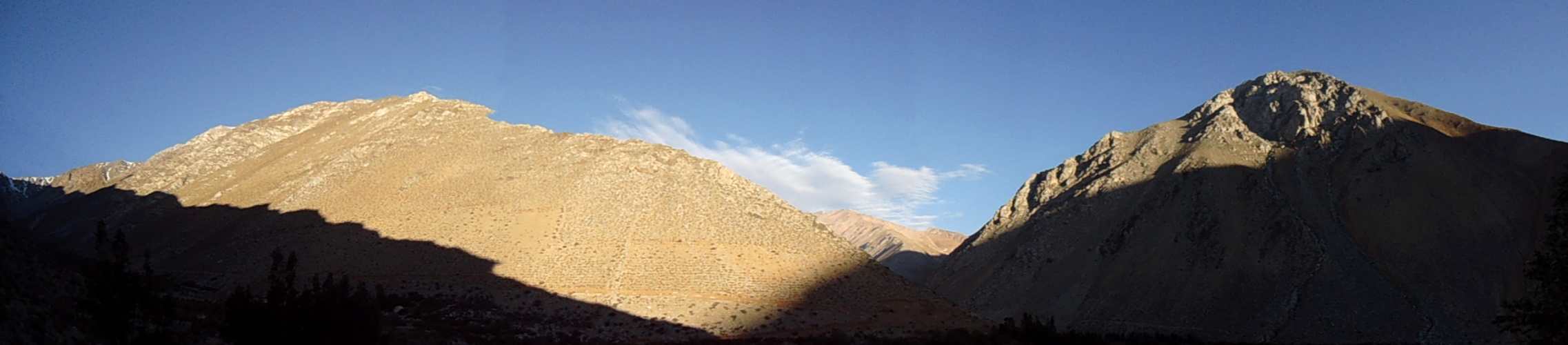
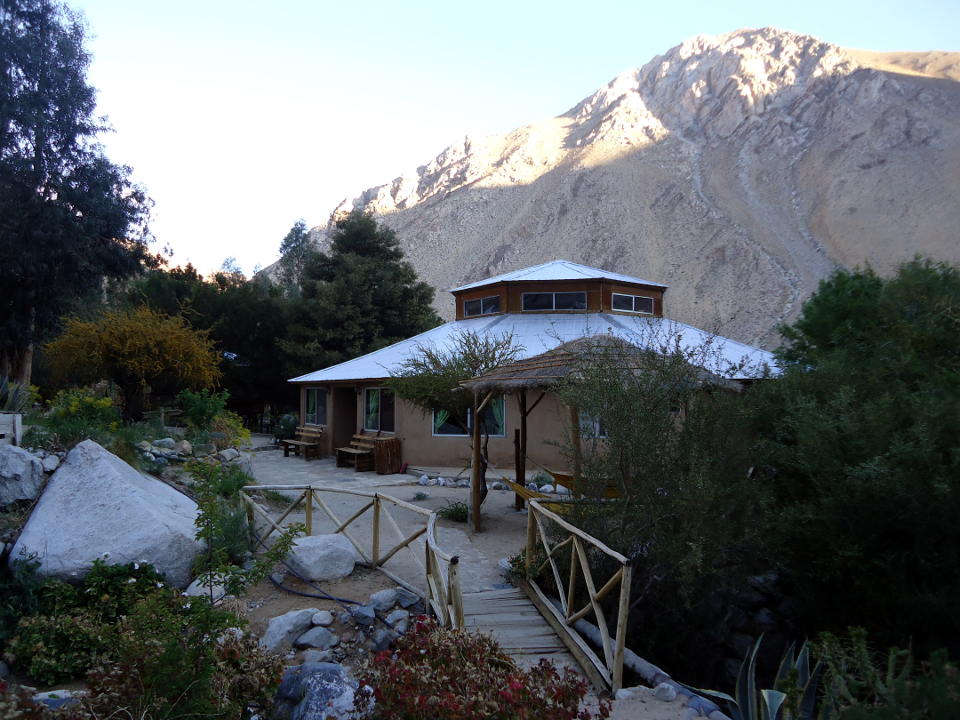
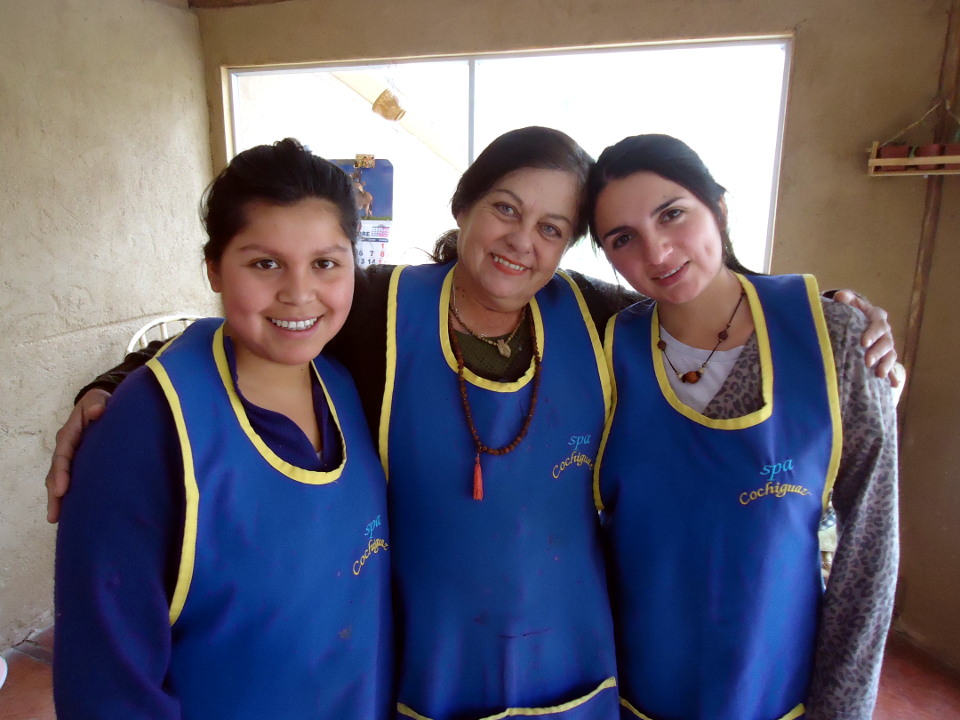
And so I found my way to Cochiquaz. I stayed at a place I would highly recommend called Spa Cochiquaz. It was slightly above my normal price ranging. But with three vegetarian meals included each day (with entree and desert). I had booked in online, and lo and behold. With lucky fate it just happened to be at the foot of the sacred mountain – Cancana. Enjoying a large lunch, afterwards I went for a rest, as was really tired. Listening to the wind, as the wind picks up every afternoon. Then I was very late for dinner as I didn’t know the time, but they served me kindly. The staff at the spa were kind. When I was leaving they wanted me to leave a big message in the visitors book, even if in English. They were all very helpful and delightful. It was just what I needed, I felt safe and well looked after. I could take my herbs properly, (I was taking chinese herbs brought from NZ) and ended up staying three nights.

Cochiquaz is also known as the magnetic centre, which used to be in Tibet – but it has shifted. This is why I went there. A guy at the hostal in La Serena said that if you drill a hole through Tibet. It ends up in Cochiquaz.

I went to a really good yoga class at the spa the next morning. Run by a local named Alex, and there was just the two of us. I felt renewed and refreshed afterwards. Then a woman called Roxanna dropped by and asked if I wanted to come up the mountain, yes OK!

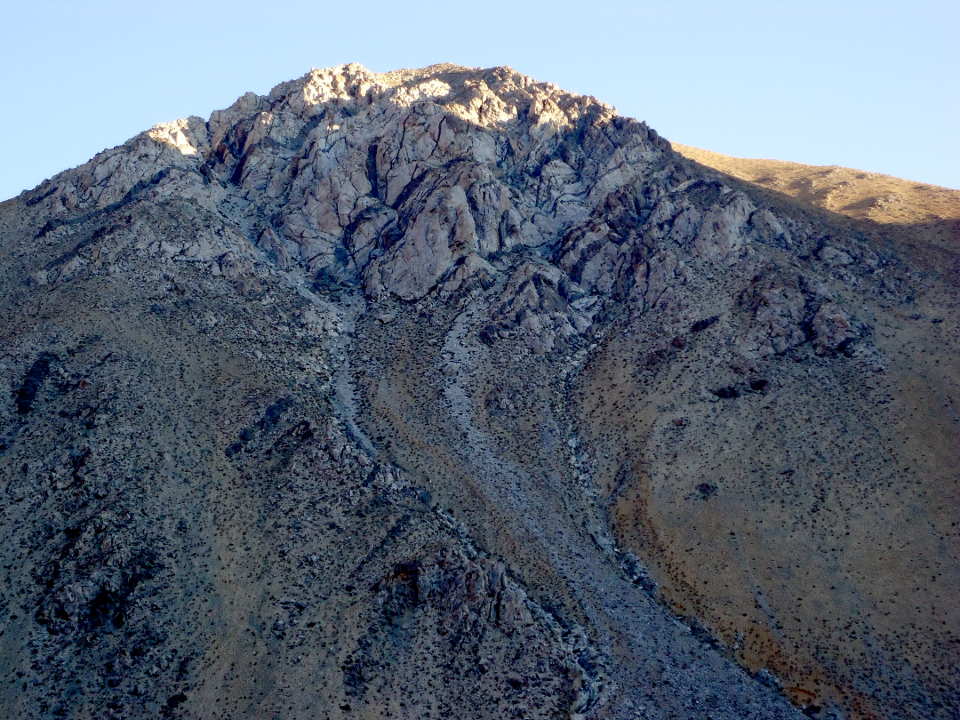
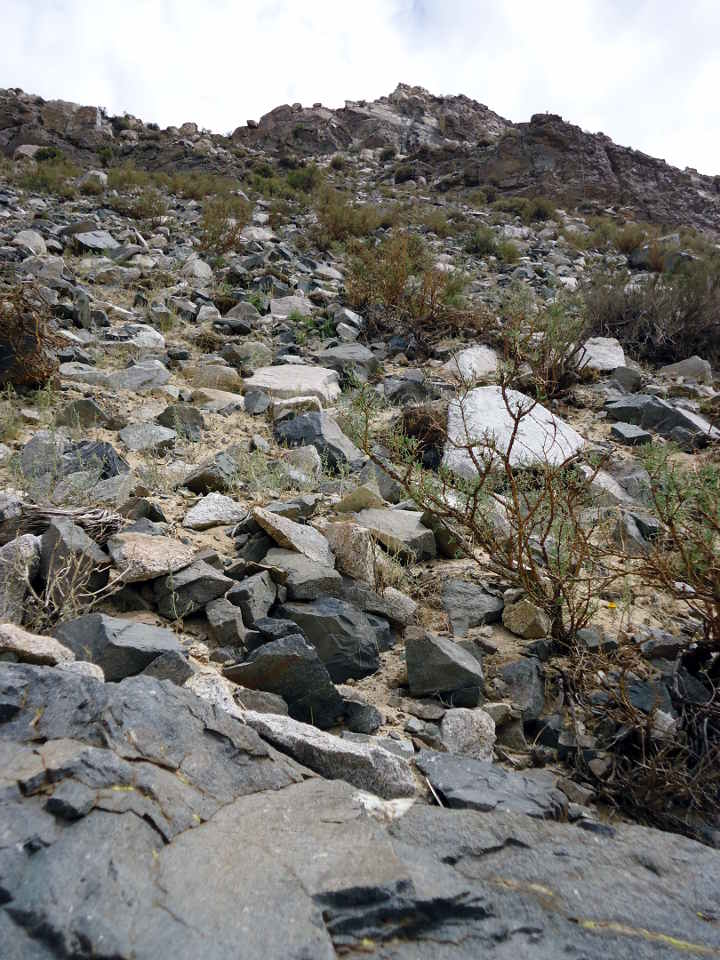
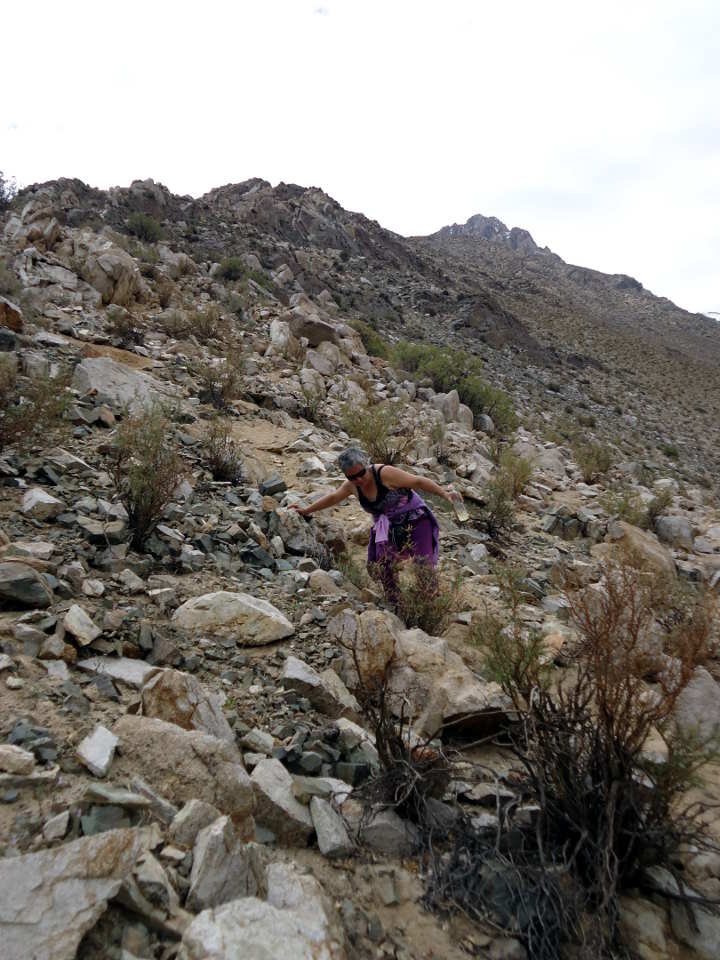
So, we started scuttling up the mountain, but we went, not on the camino (track) so much, but straight up! Well we zig-zagged really. But it was quite full-on and not for the faint-hearted. But after a good sleep, meditation and one on one yoga, I was ready! Marseilles (one of the staff) had some water at the top. Well not really ‘the top’ as such, but a point that was quite high up. He was abseiling and with his girlfriend Cynthia (whom also works at the Spa). This mountain is the magnetic centre, so determination got me up there and determination got me back down. I did a lot of sliding on my tush, as it was the easiest way back down. So, I made it! I did some LL up where we were, whilst the others were abseiling. I lay under/on rocks and did some voice toning and connecting with the energies of the Monte. And so I was late for lunch. But they said ‘we will serve you’ as they knew we had been up the Monte.
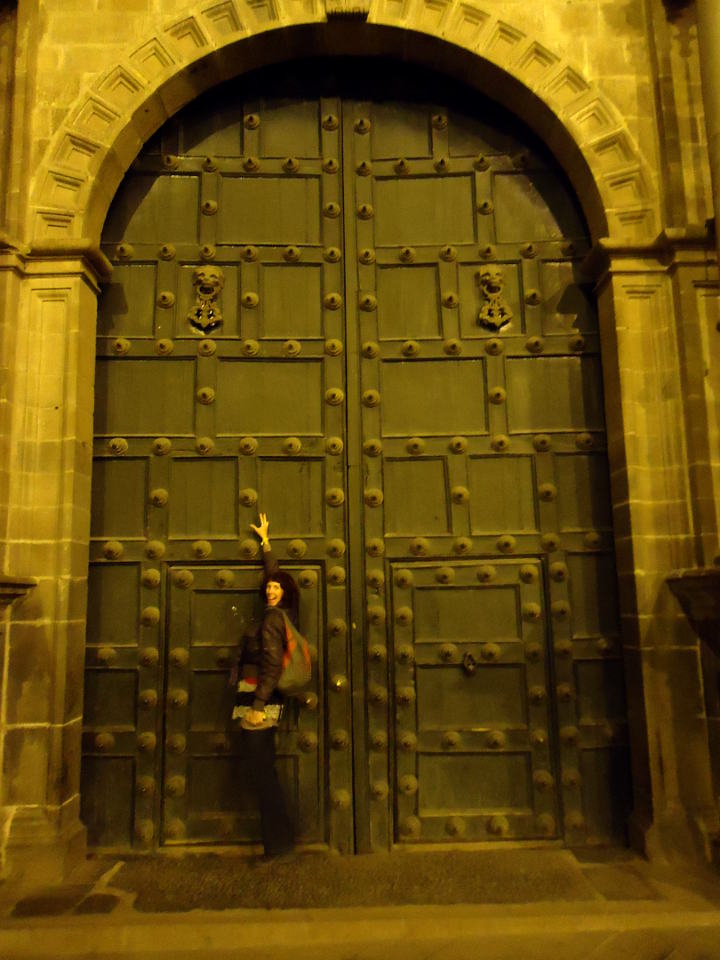
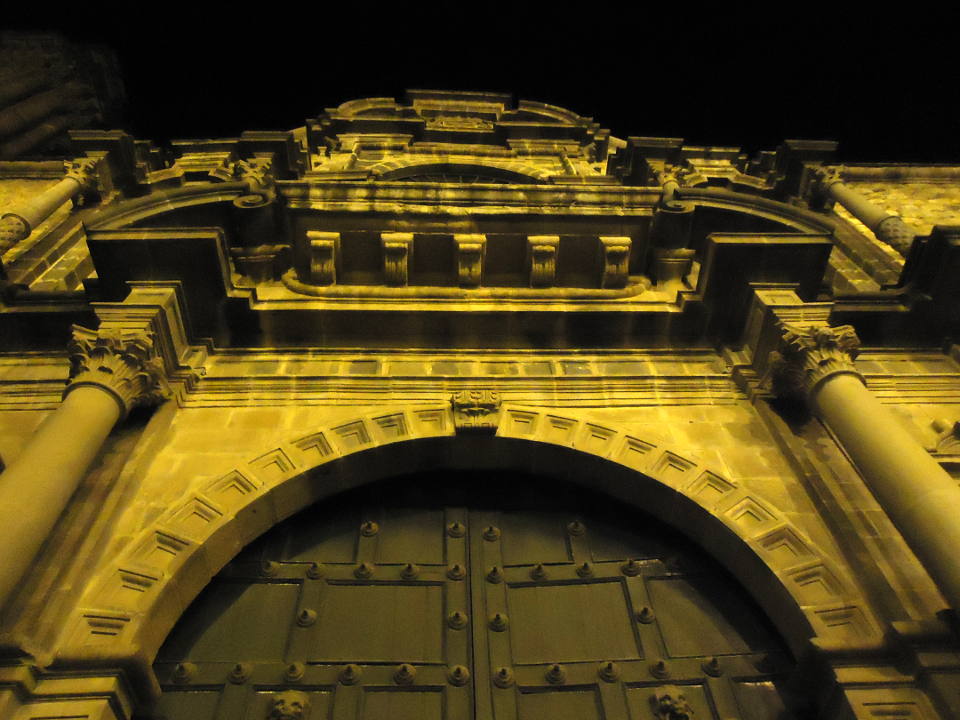
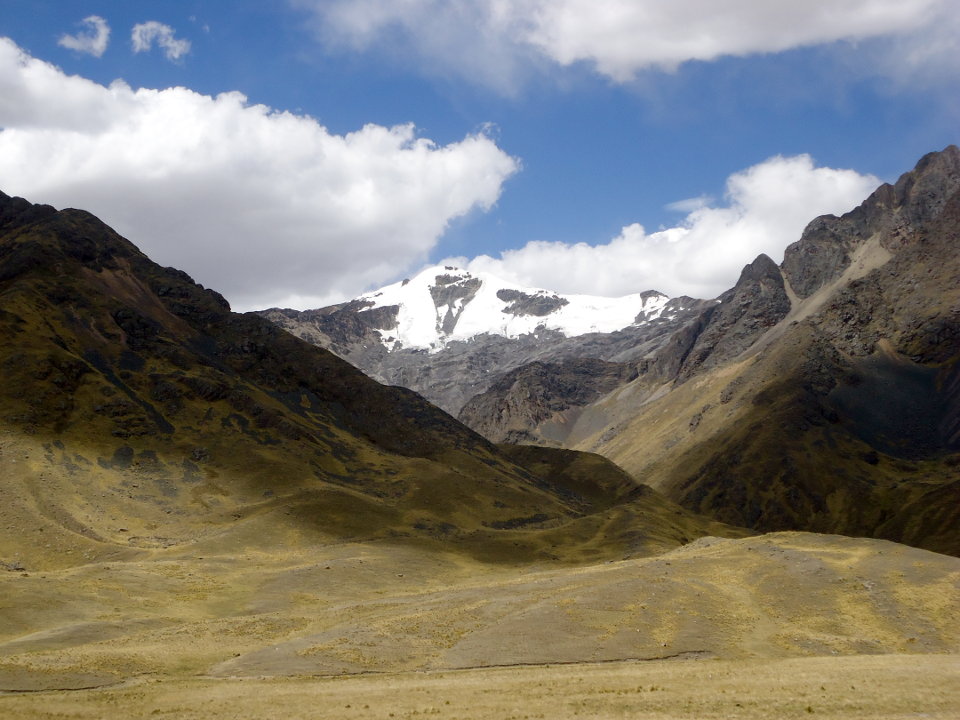
On the way back down we went past a place that I felt strong energy. I was told by the others it was a Mayan Ceremonial site. And so I was determined to get back up there, which I did a few days later.
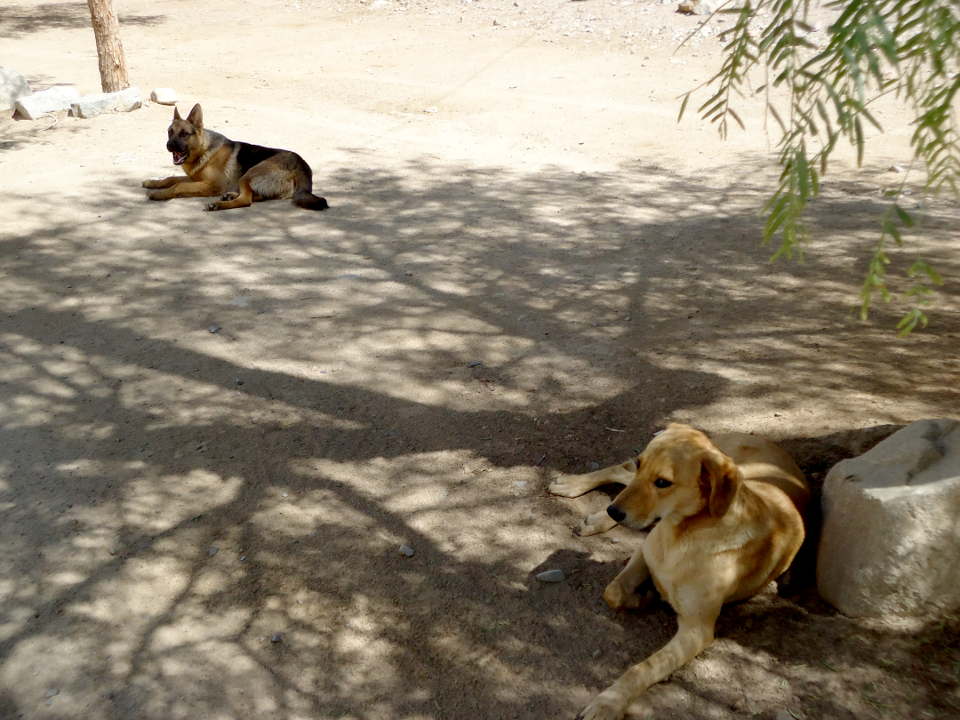
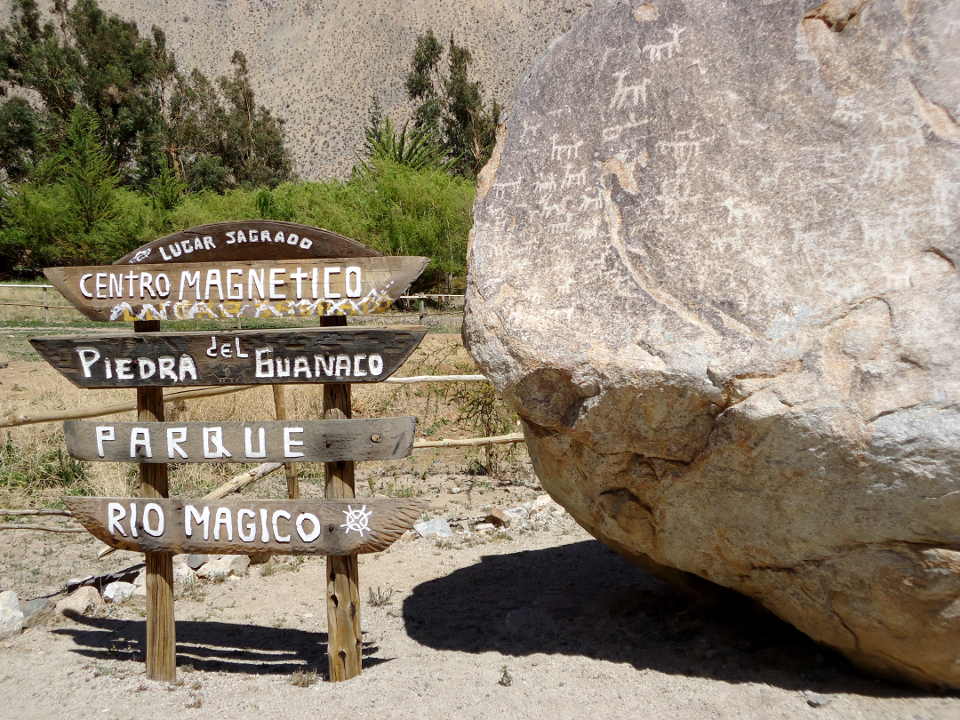
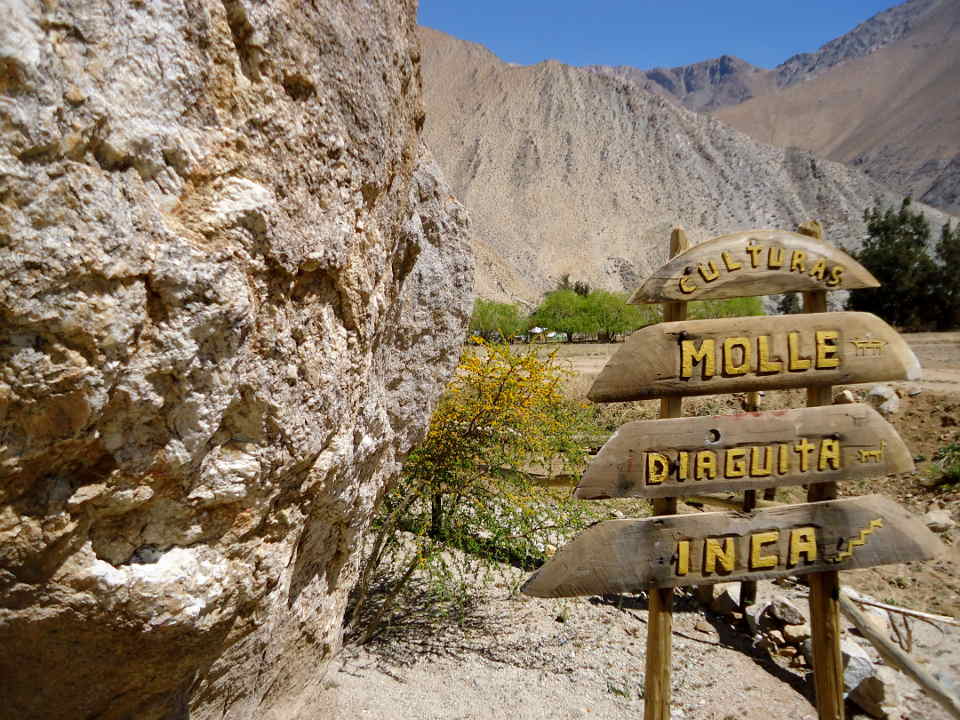
On the 29th, I had not slept very well. But whilst meditating in the morning, it came to me that I had to go to the rock. I had seen it from above the day before. And heard it was an ancient Inca place, and had carvings. So, I found out how to get there, it was not far and I went there before lunch. The name of this rock is Piedra del Guanaco. It was a short walk to the Acienda House. Where I was told to ask for Carmen; to ask for permission to walk on their land to the rock. When approaching the casa, there were three dogs barking. I did LL which seemed to be describing why I was there. Two of them lay and down and were quiet as I walked past up the drive. The third one, a beagle seemed to be shaking and scared and hid behind a chair! It was barking a small bit under its breath, but otherwise fine.

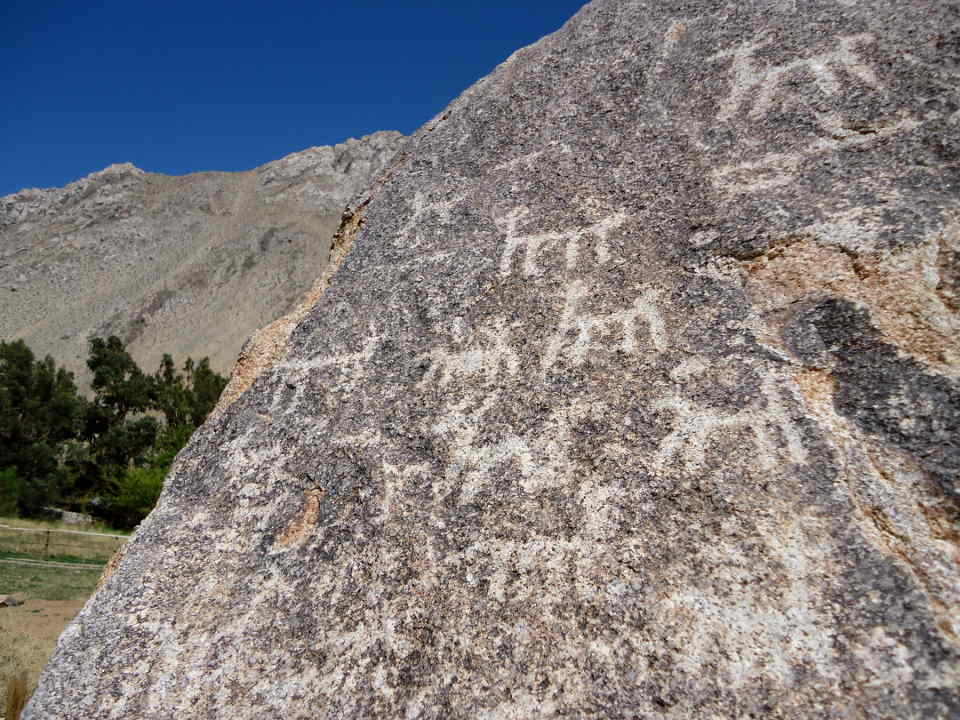
I introduced myself to Carmen and asked for permission. She brought me to the entrance, to the clearing where it is. I was there by myself for a good few hours. It seemed to be that was working with the ley lines. I was guided to go right around it. Working with certain spots, before I felt like I could approach the rock. I meditated underneath it. And toned near it. There were rock carvings clearly on the rock, the figures looked like llamas. Then back for lunch, and resting in the afternoon.

On the last morning there on the 30th. It was time to go to the Mayan Ceremonial site up the Monte again. I went by myself, after meditation and breakfast at about 10.30, after deciding to stay for lunch there at the Spa before leaving the valley. I scaled up, staying on the caminos this time, where I could find them. And did LL and stayed there until I felt the ease. When I was climbing the mountain. I was laughing to myself. My star sign is Capricorn, the mountain goat. But alas, luckily I don’t climb many mountains, I’m that good at.

Before I left Cochiquaz, I enquired with Roxanna whether it was possible for a chakra clearing. The session was powerful and really helped, she gifted it to me with kindness. What a place to get a healing, and your chakras sorted for now, at the magnetic centre! It was very valuable, she said that two chakras were closed. The crown chakra and the sacral chakra, everything else was fine. That made sense, the sacral chakra especially. I was going to Lake Titicaca later in this trip, and that Lago relates to this chakra. She also gifted me a flower essence.

I saw hummingbirds, I saw a Condor flying from sitting on the mountain – Cancana – Monte. It had felt like a good sign.

Then after the session, it was goodbye hugs to the staff, and I gave some of them some LL. And then a taxi took me back to Montegrande. Where I got a bus to La Serena, for an overnight 18.50 bus to Callama.

Callama

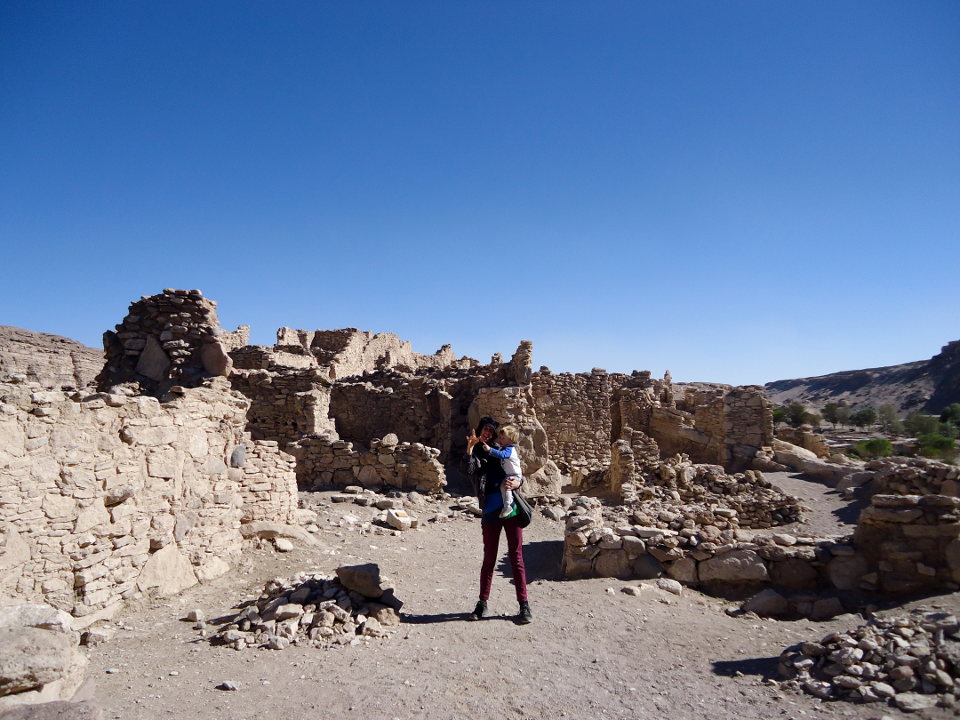
30th Sept, one the worst movies ever made was being shown on the overnight bus. I decided to stay in Callama and catch up with a friend called Sophia. It was a weird day as I was overtired. With lots of hanging out at the bus station, as Sophia was working. She picked me up after work, and she brought me to her casa. Meeting her Chilean partner , and her wee boy Luciano, who took a shine to me and vice versa.  I had met Sophia in Dunedin, and she is also a painter. It was nice to have a bit of a rest before going on. Sophia took me and the little one on a bit of tour one day. To Chiu Chiu town and to an interesting ruins complex near there. Callama, I remember at the time, had a lot of stray dogs.

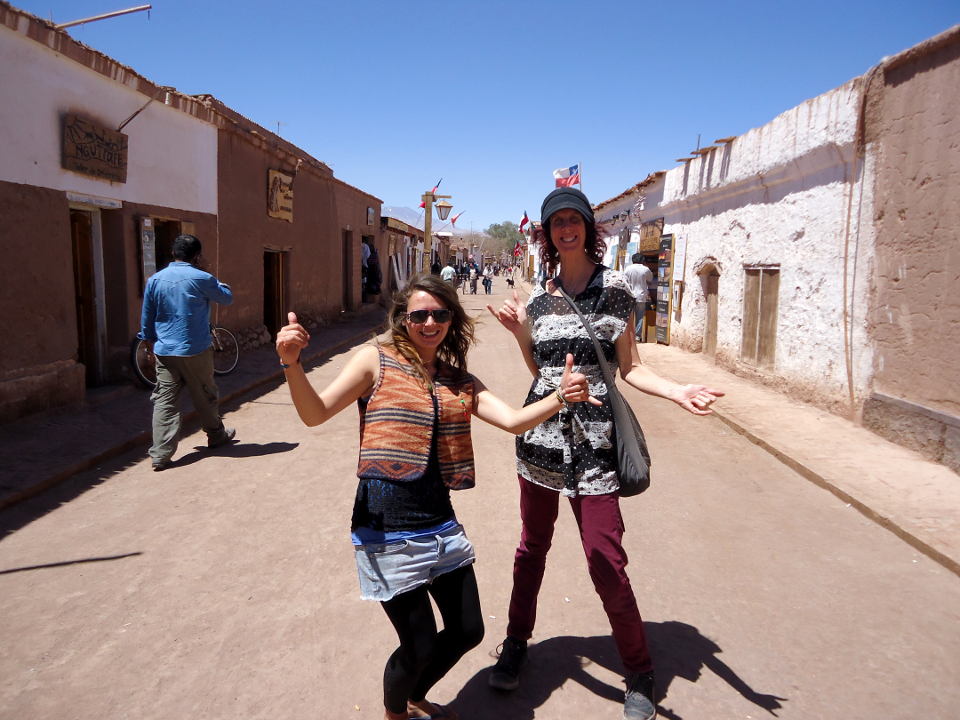
San Pedro de Atacama

Lonely Planet, describing this place, ‘they say the high quantities of quartz and copper in the region gives their people positive vibes and the good vibes of northern Chiles number one tourist draw San Pedro de Atacama (elevation 2438) are sky high. Spectacular scenery’.

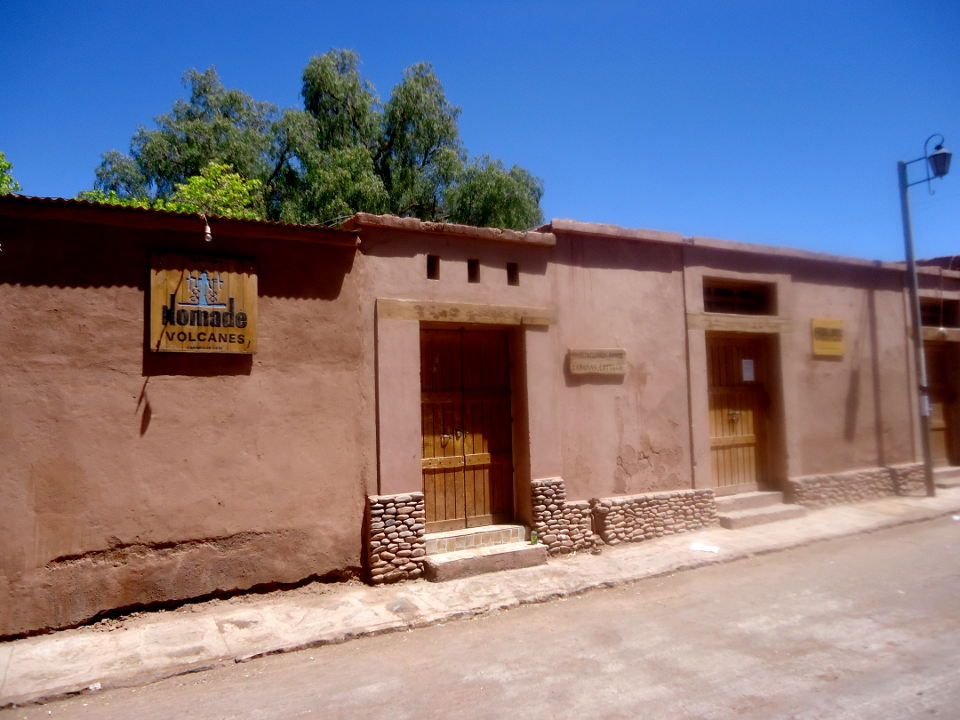
I may have stayed at Hostel Sonchek. When I arrived off the bus, although it was a short walk to the main street there. I was alas, a bit lost. A man cycling past on his bike helped me out with advice and instant friendliness. Gonzalo was his name.

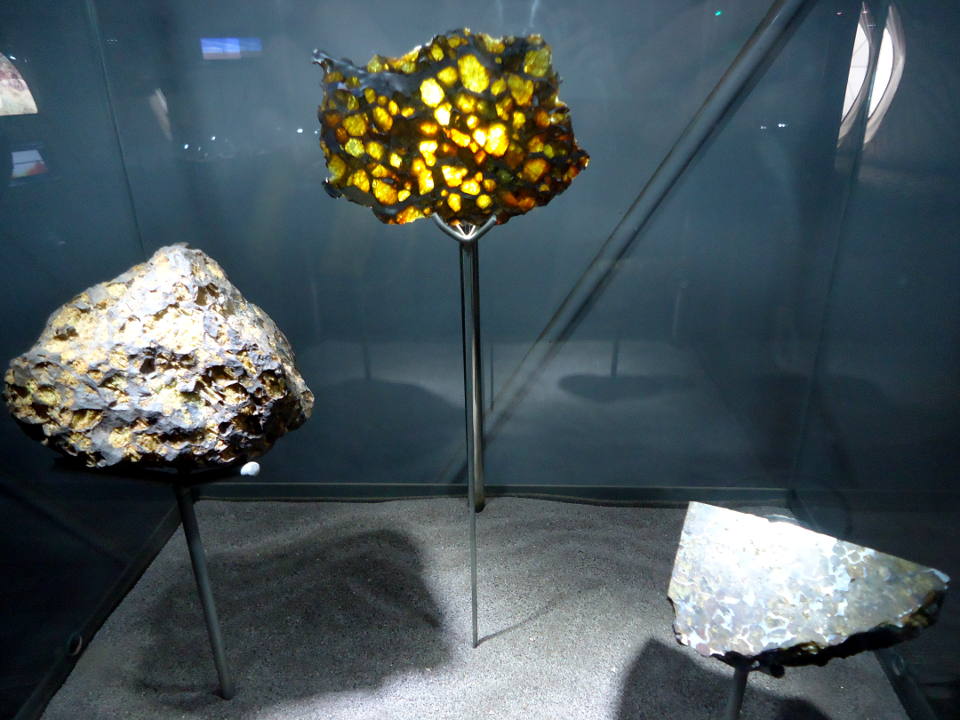
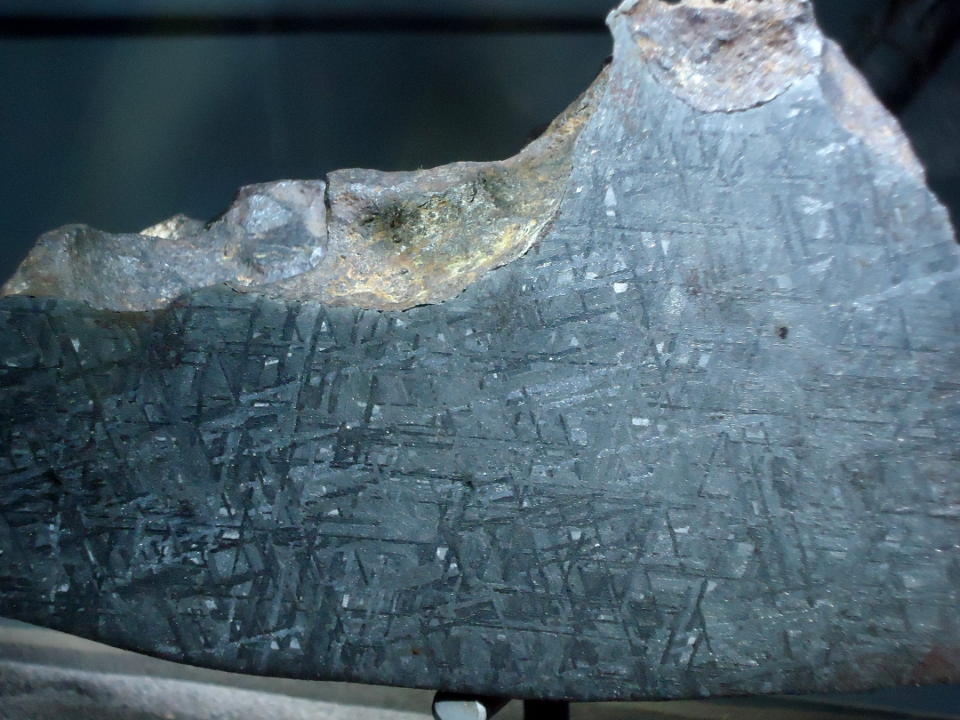
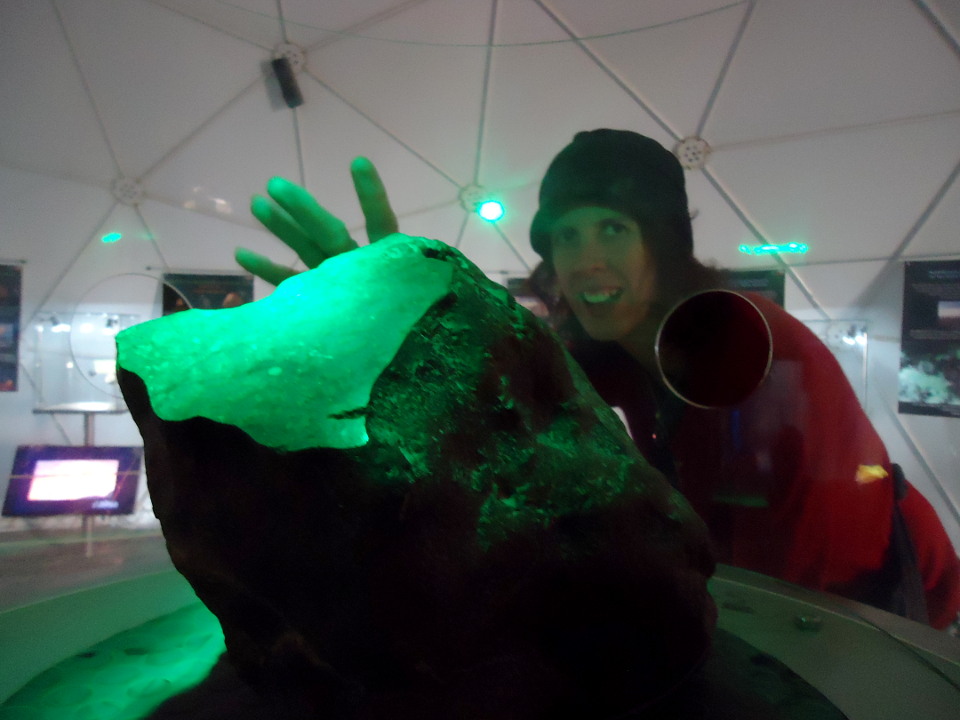
I enjoyed going to the Meteorite Museum (Museo del meteorito) also. Hosting the largest collection of meteorites in the world, that have fallen in the Atacama desert. I brought a small bit of meteorite.

And went on a few day tours. The tour assistant booking me in was a kiwi lass, whom Gonzalos had directed me to. She set me straight, and so I booked a tour or two. The main street there is Calle Caracoles. I met a couple from England at the hostel, Rosie and Lee. And I ended up staying with them years later in London.

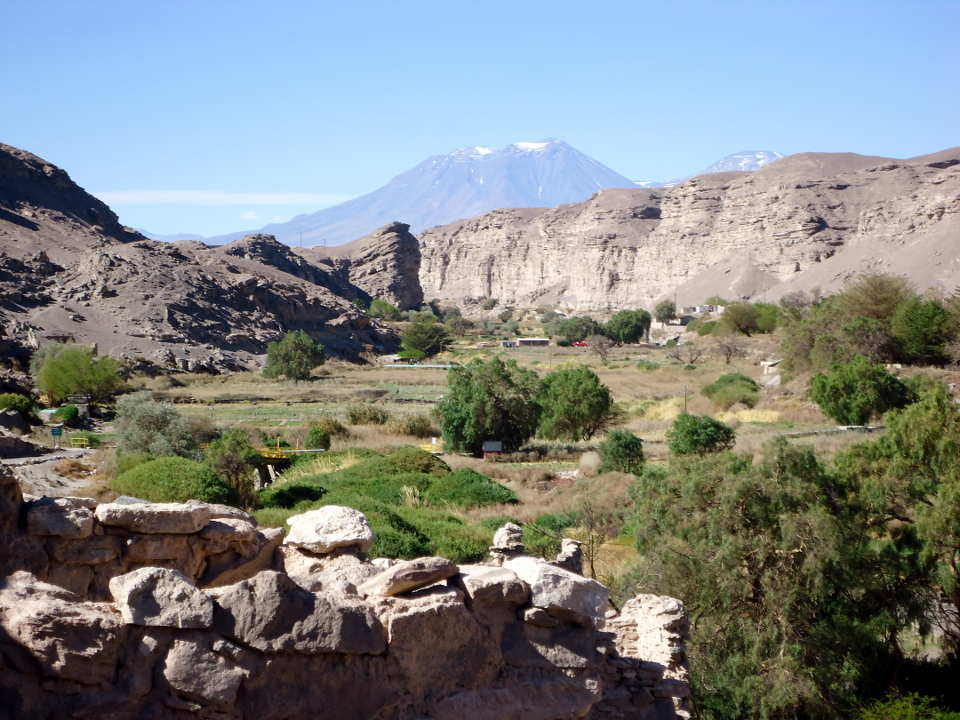
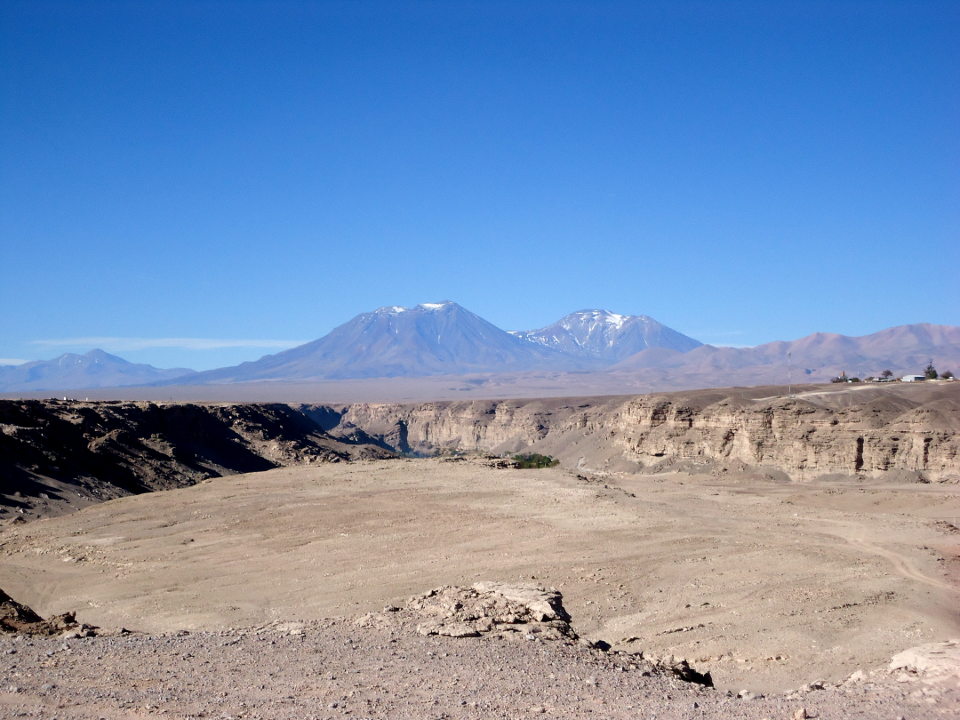
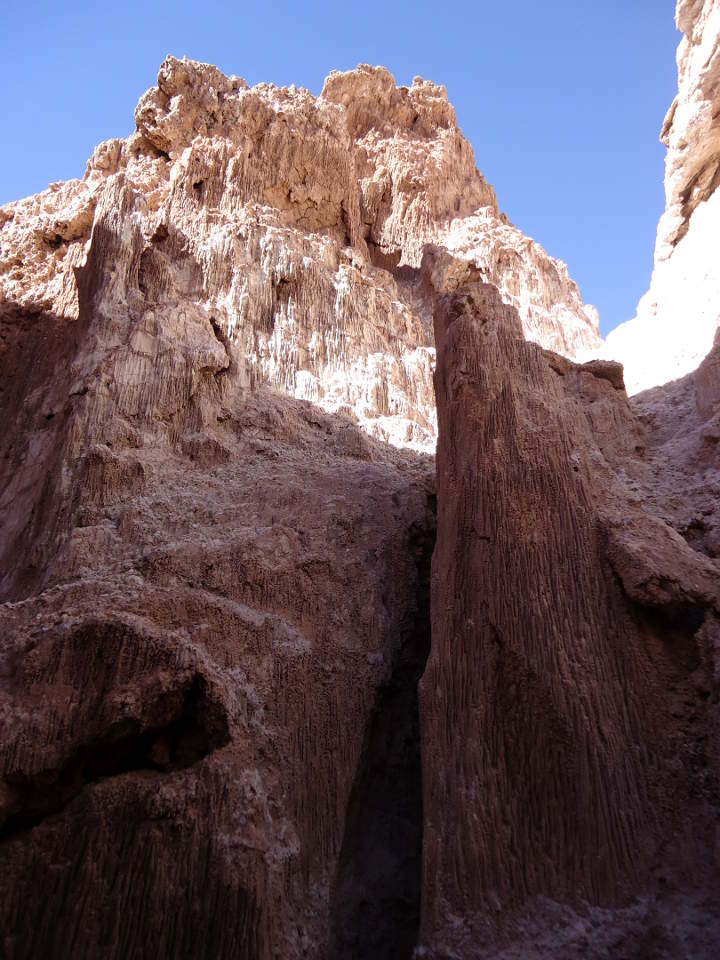
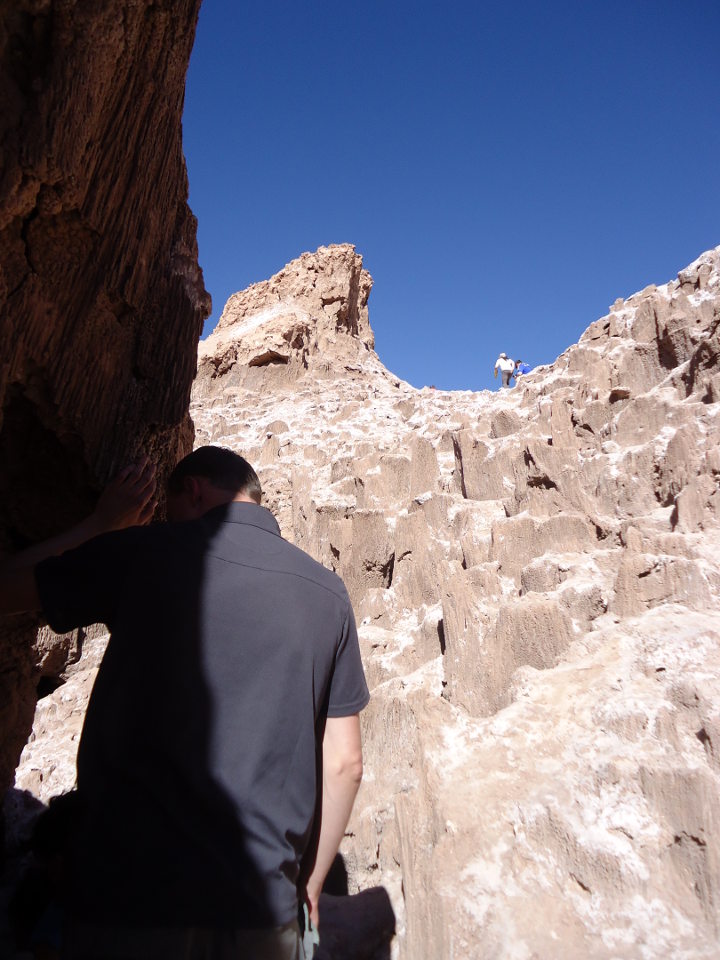
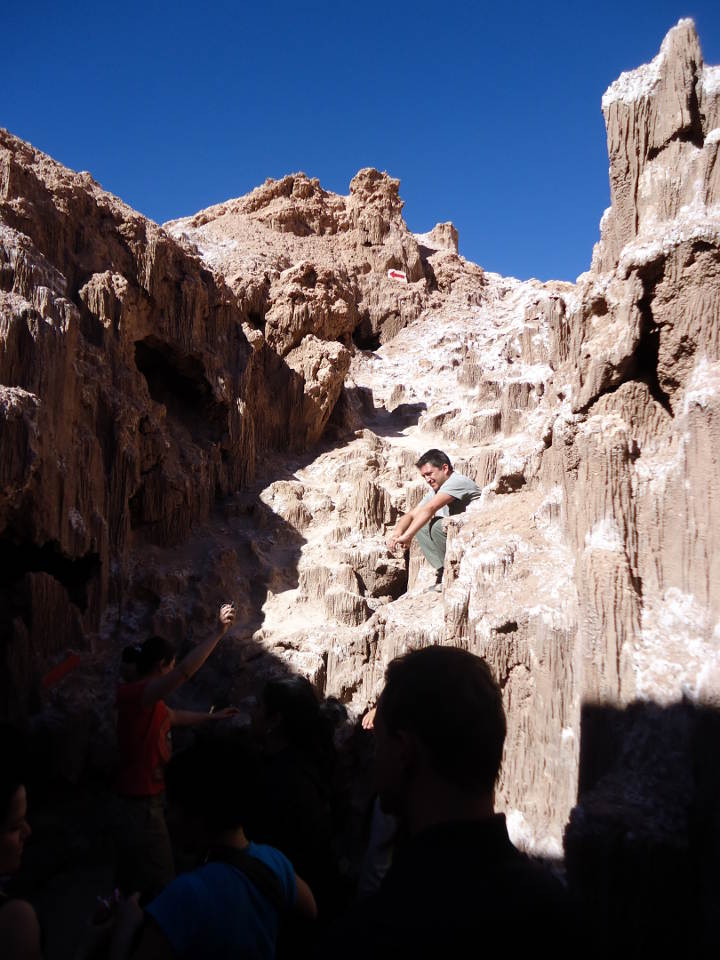
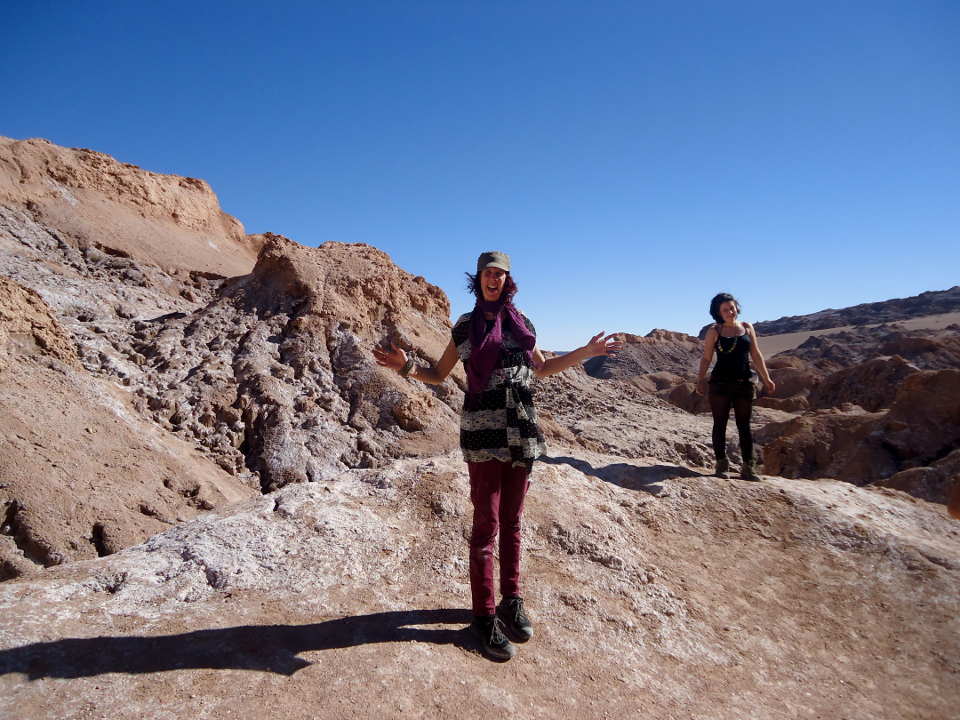
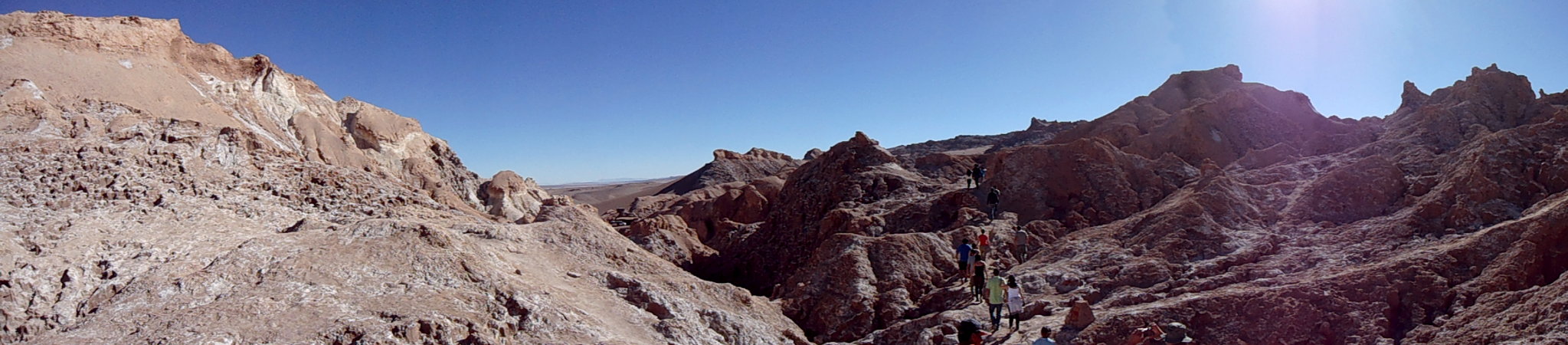
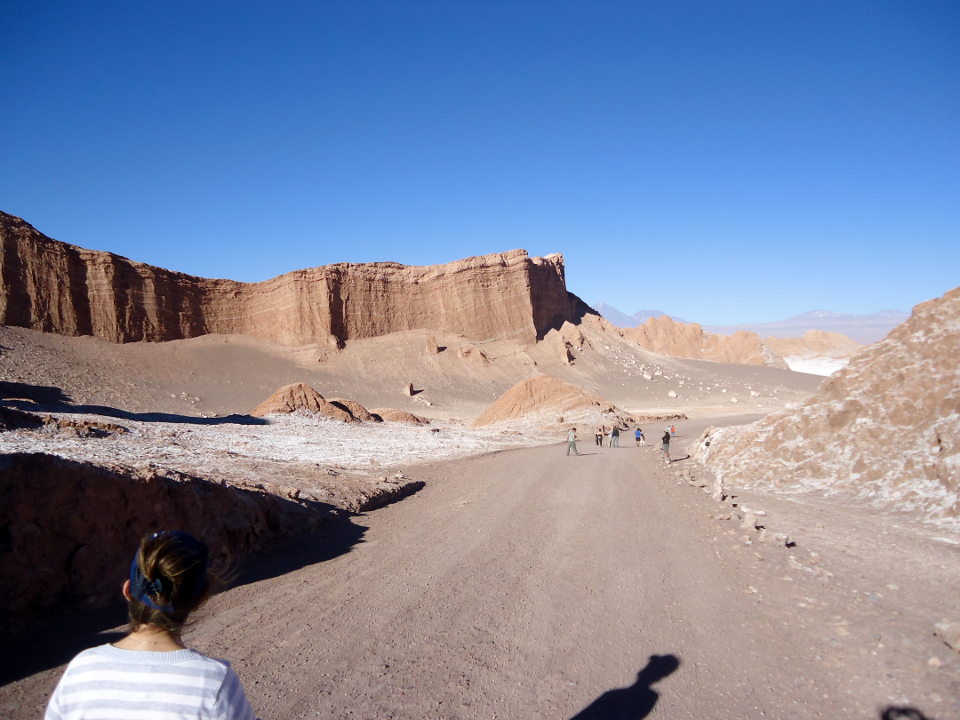
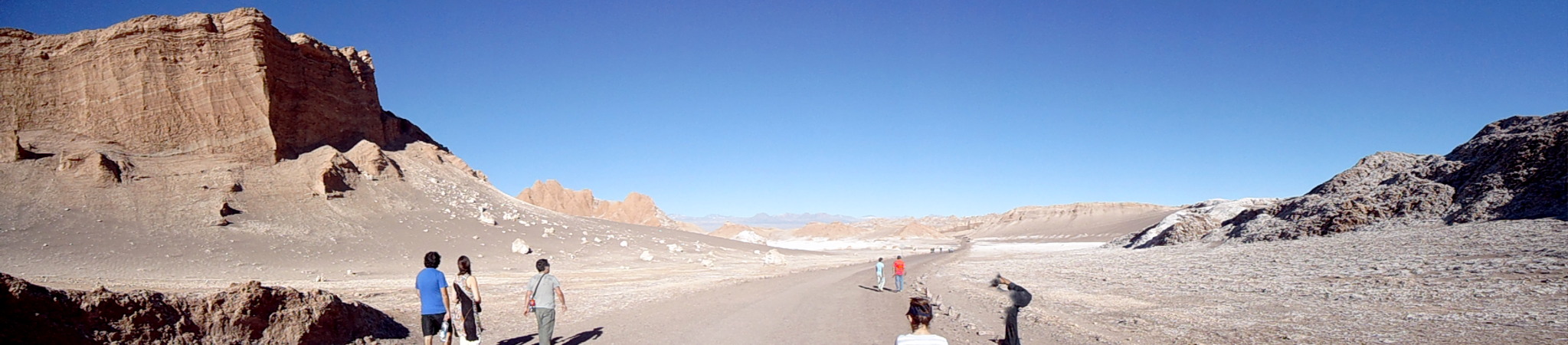
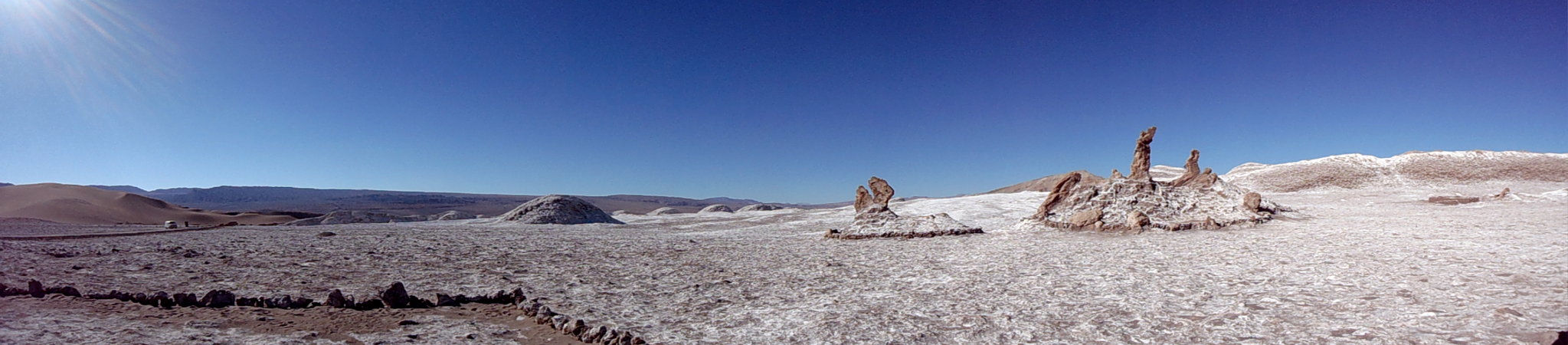
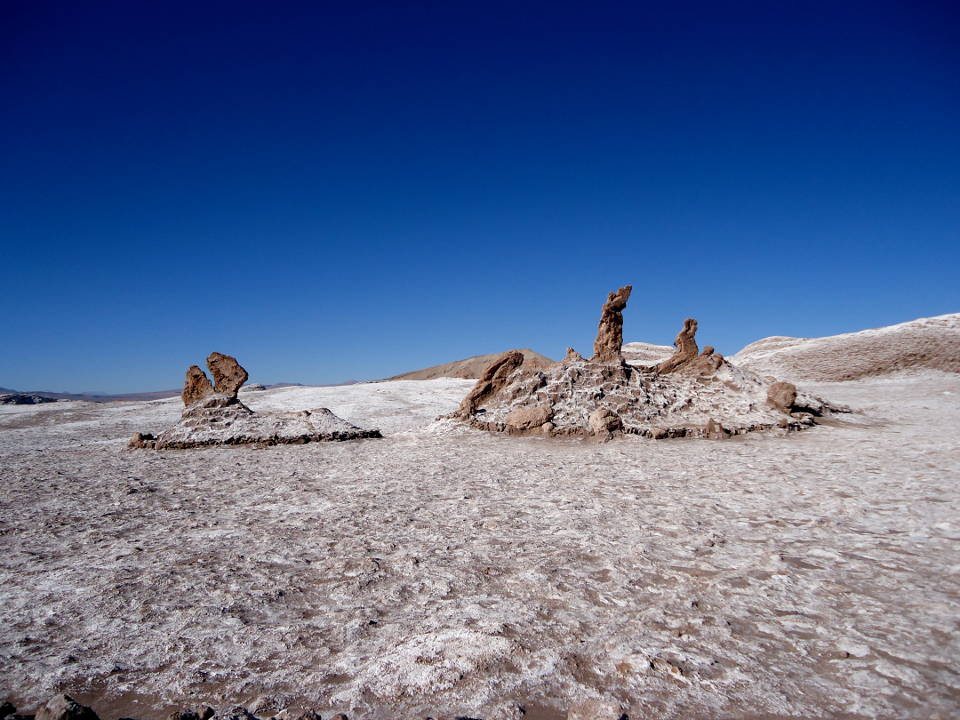
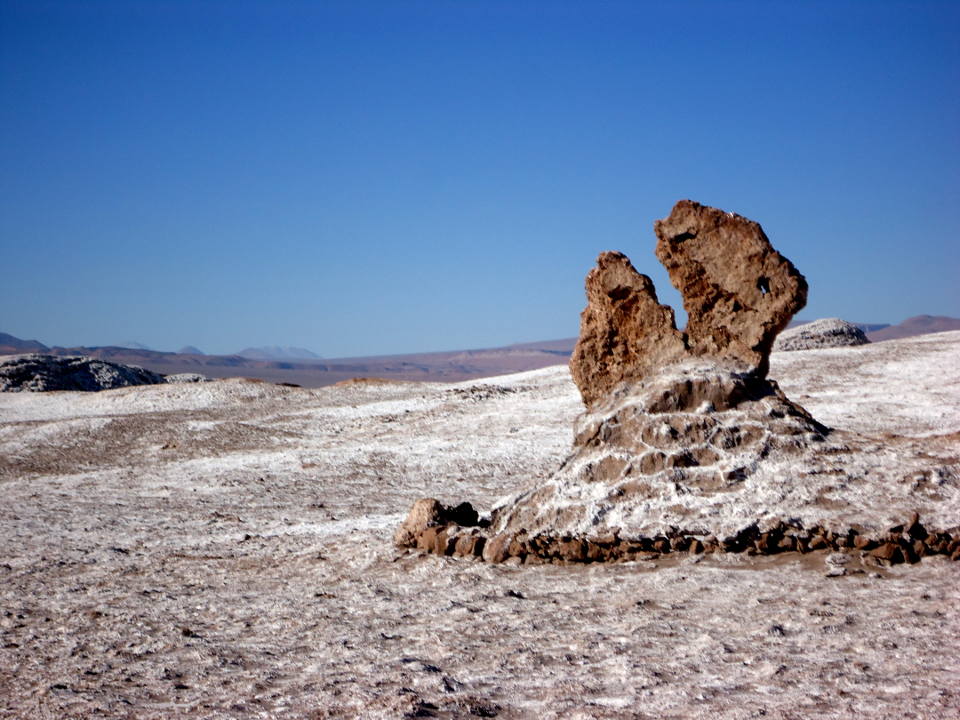
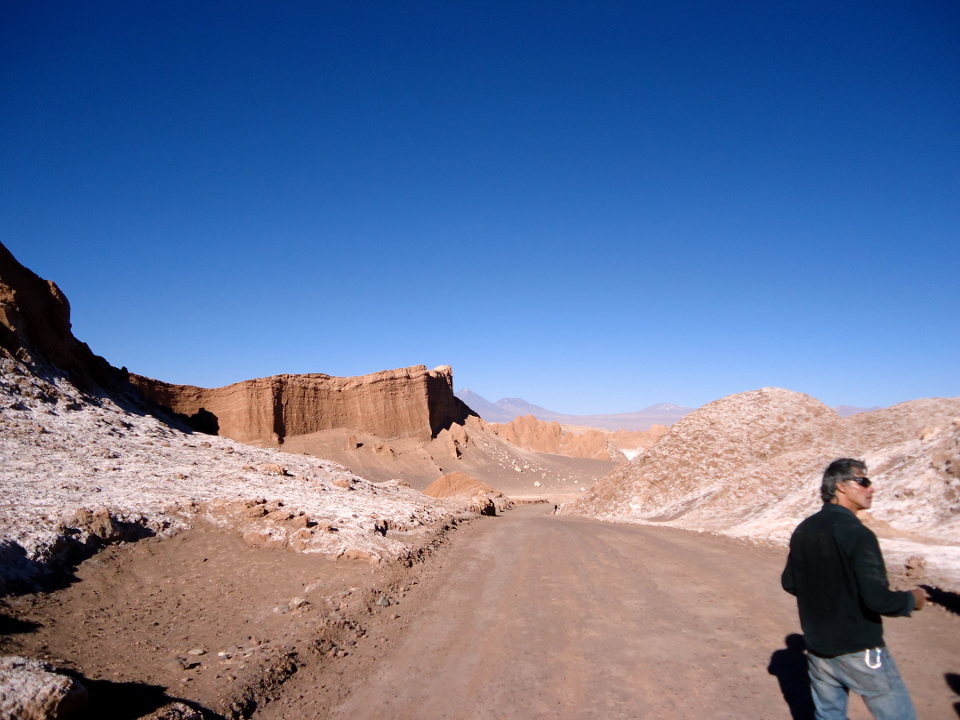
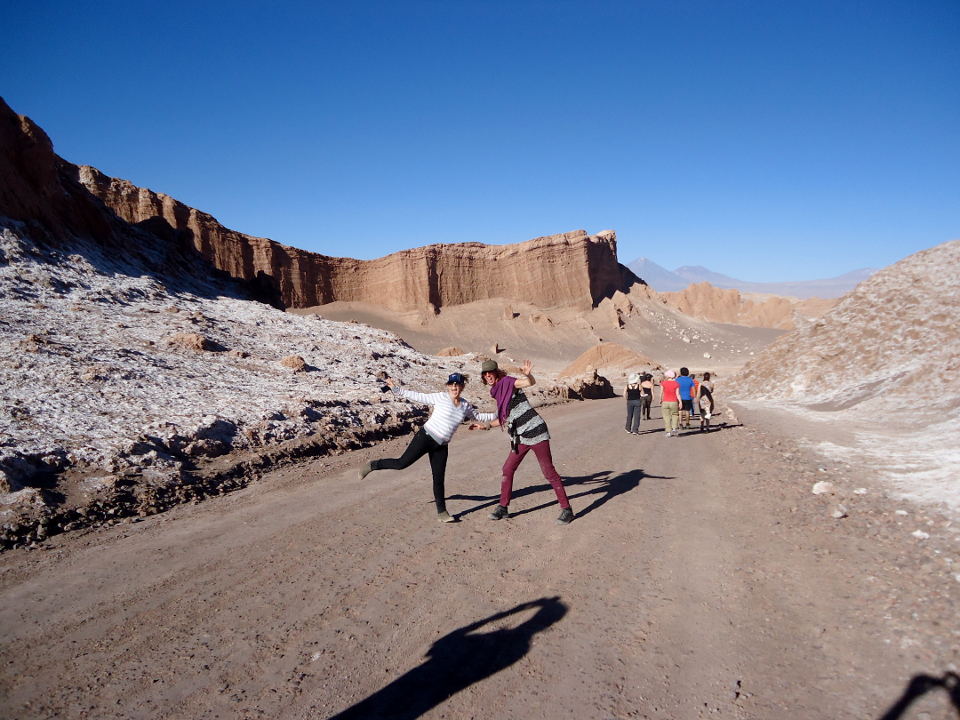
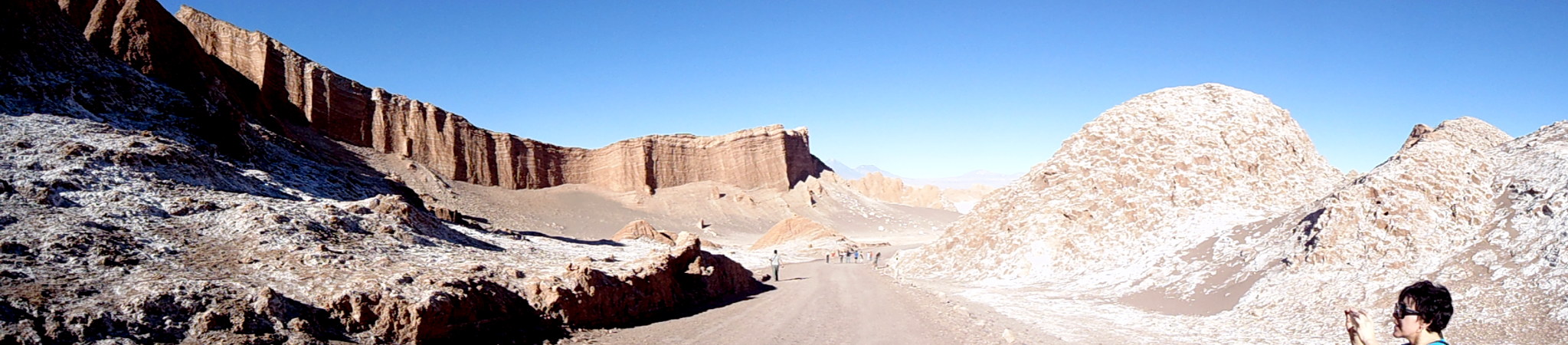
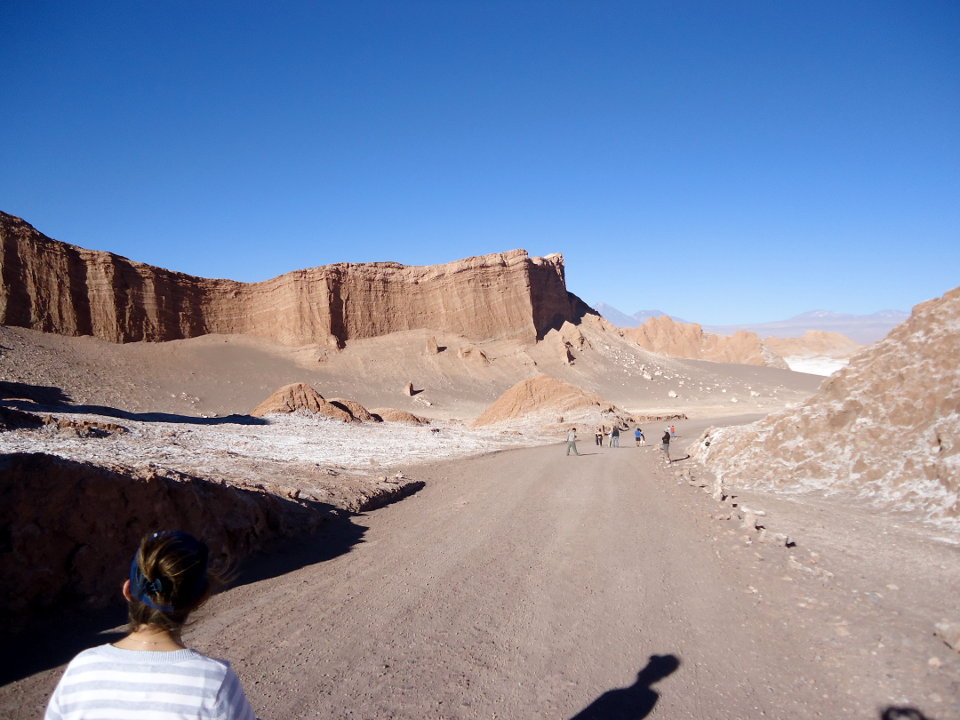
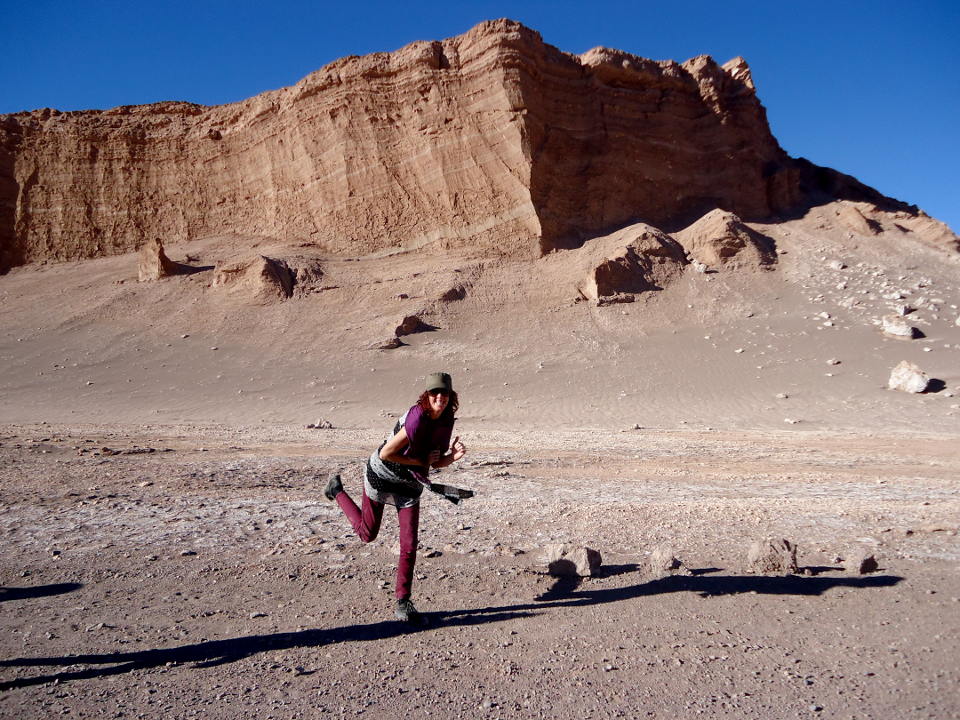
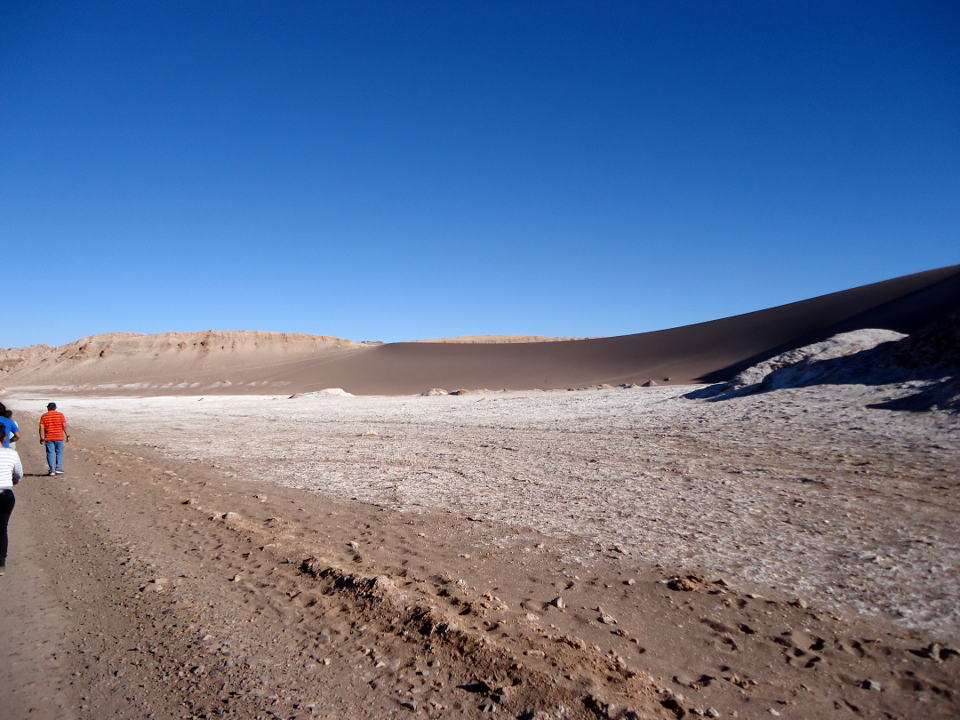
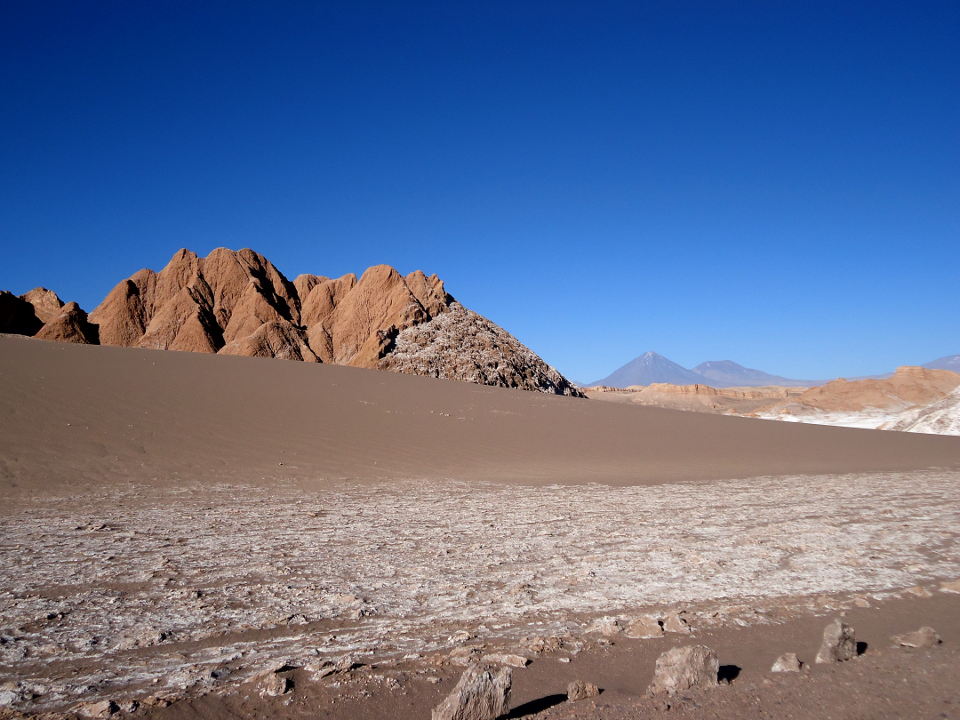
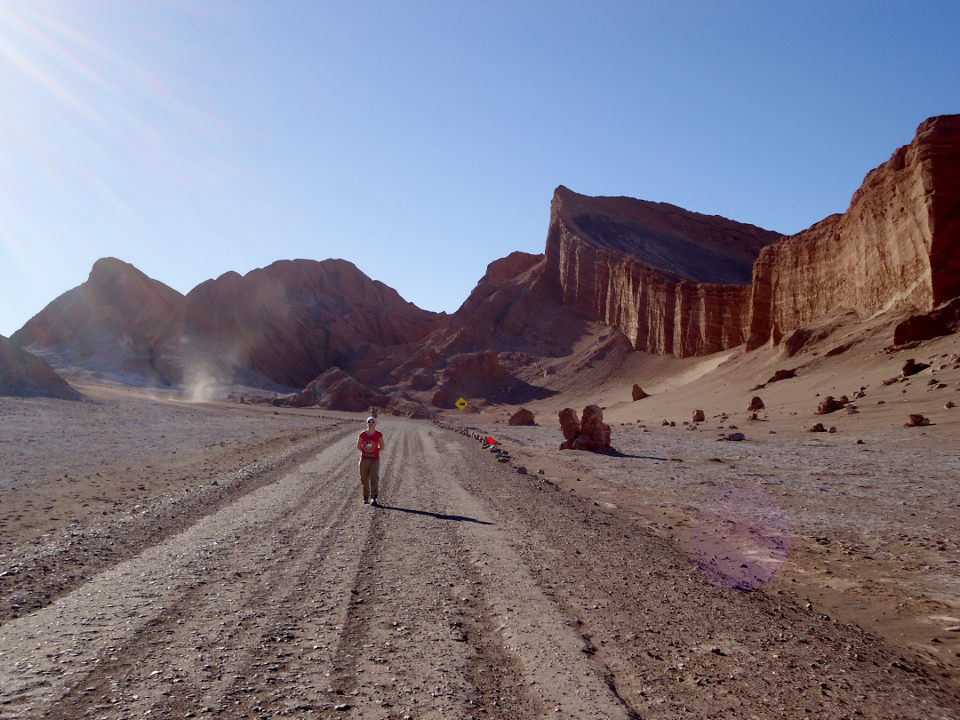
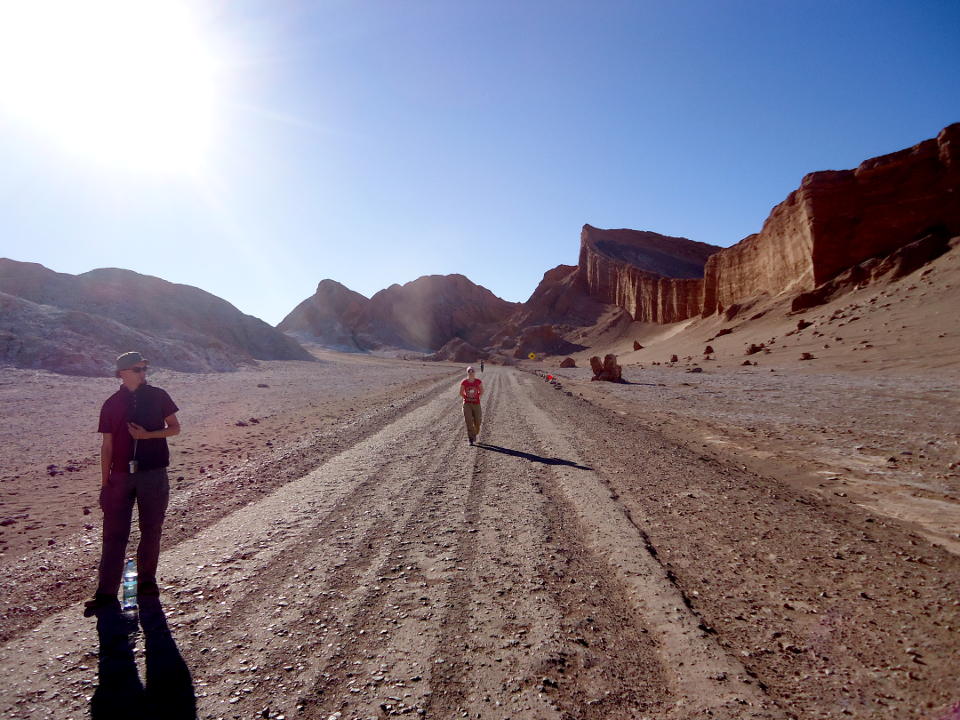
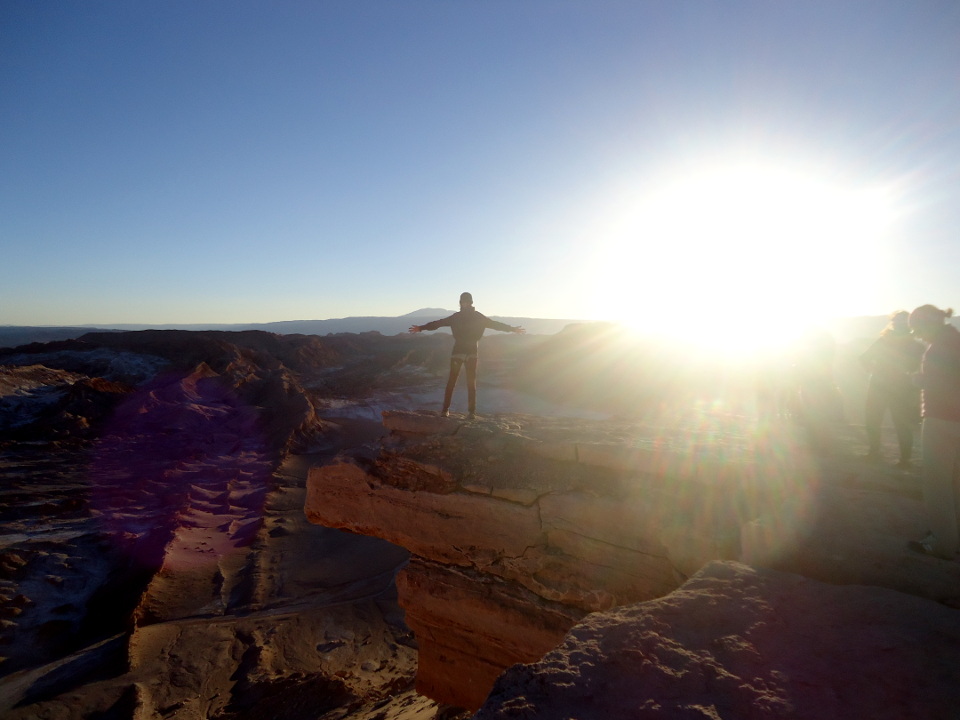
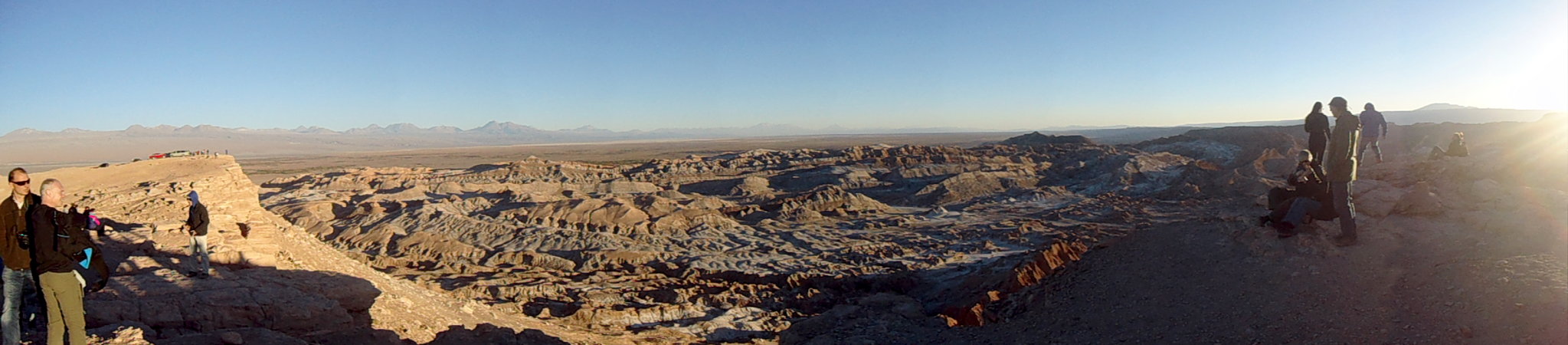
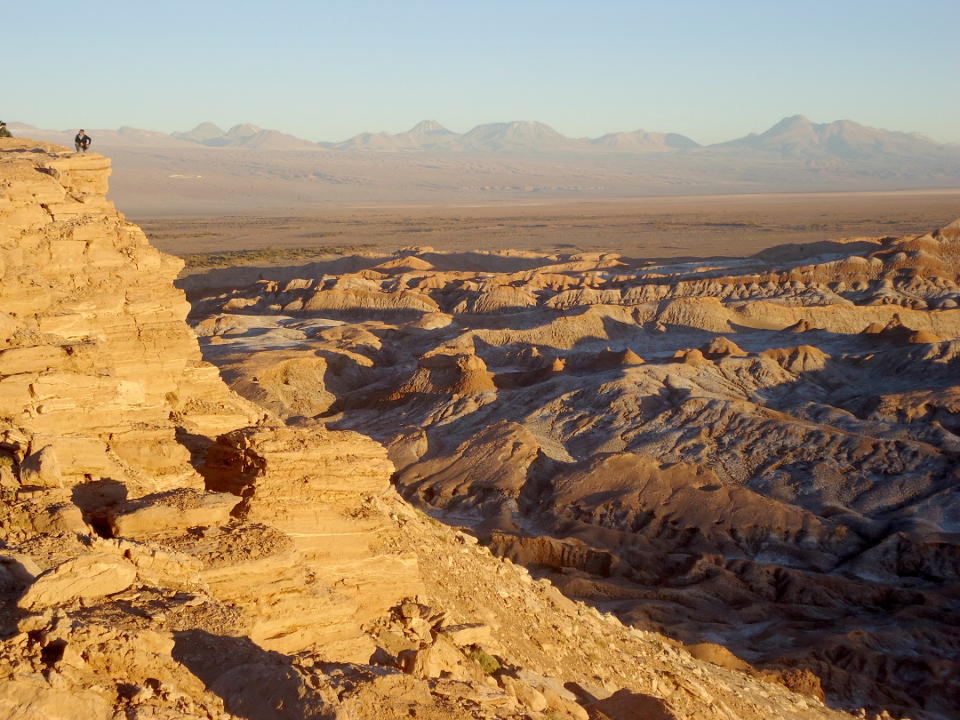
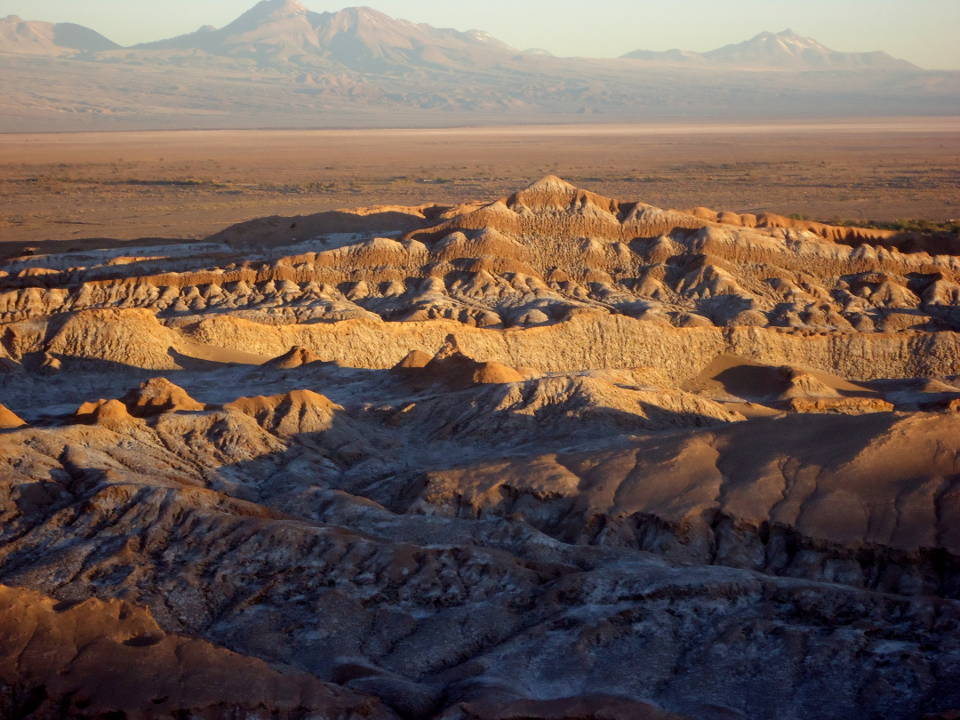
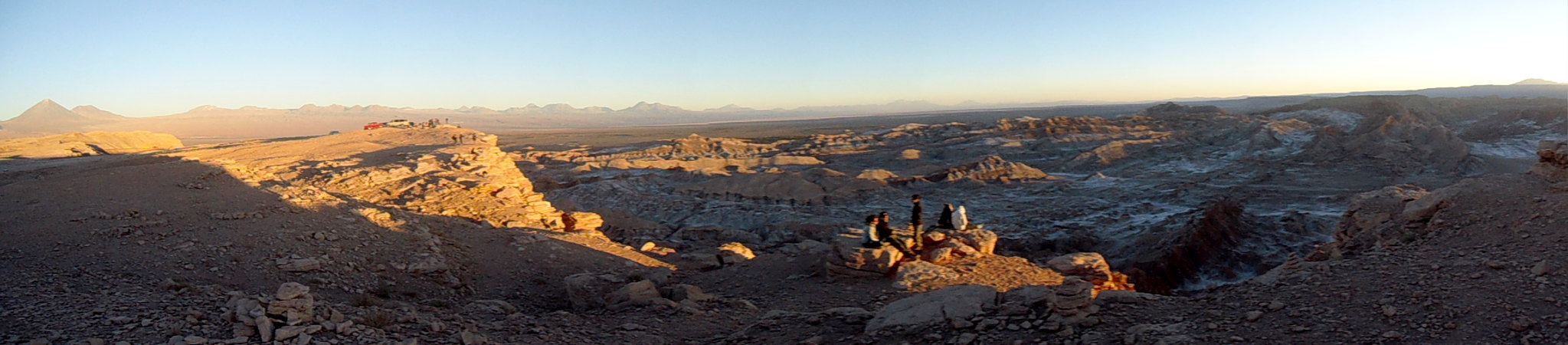
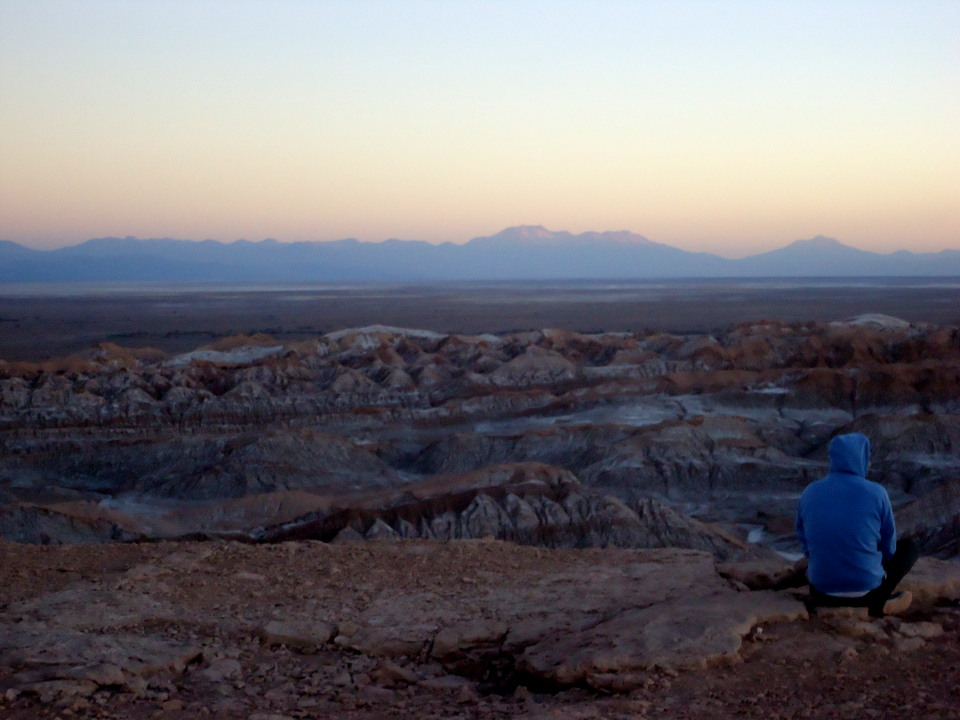
The first day trip was to Valle Dela Luna – Moon Valley. The valley is famous for its resemblance to the surface of the moon. Owing to its different stratifications and the salt formations.

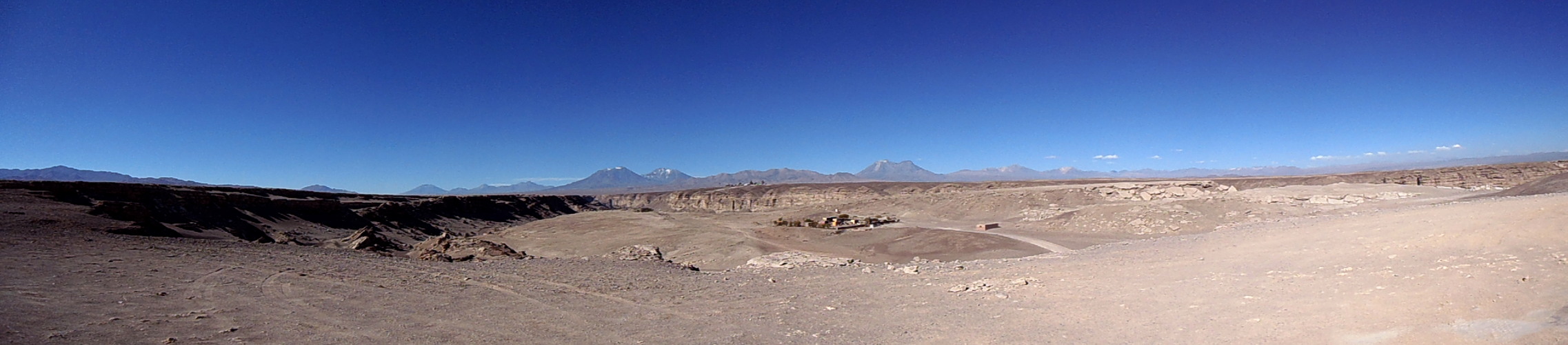
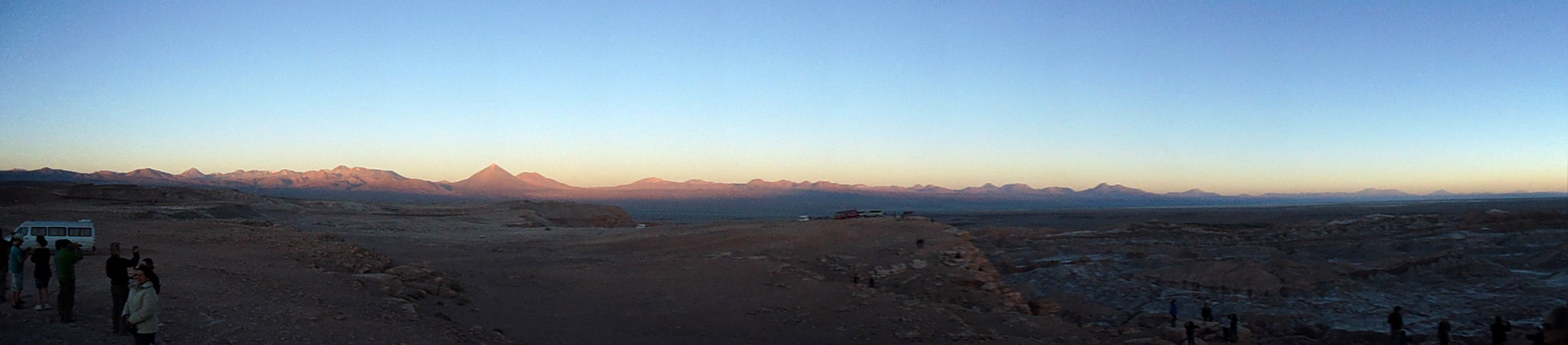
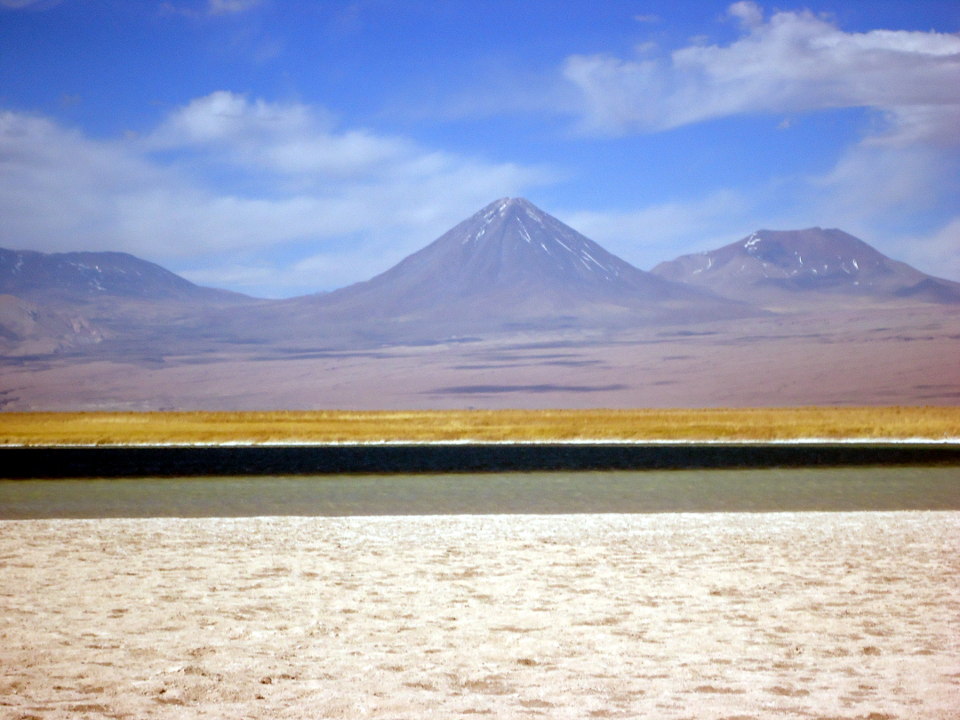
A high mountain range can be seen, known as the Cordillera de Domeyko. Whose peak is Kimal, (4,278m above sea level) Sala de Atacama, where I was is 2,300m above sea level. Also seen there is the Andean Mountain Range, which is made up of a plateau and a chain of volcanoes.

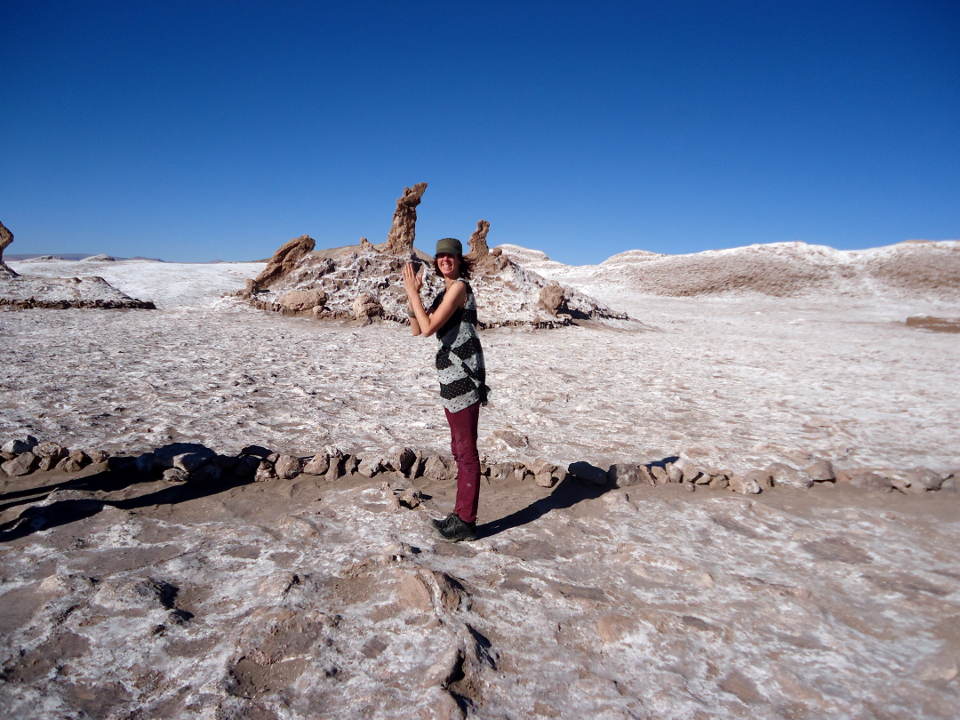
The Three Maries, are formations resulted from intense erosion processes. They are composed of gravel, clay, salt, gems and quartz. At approximately one million years old.

The Indigenous Association of the Moon Valley consists of six communities, together with CONAF, the National Forest Corporation. Both co-manage “Los Flamencos National Reserve”. In charge of protecting the renewable natural resources of these ancestral territories. While at the same time caring for the natural and cultural heritage of the communities.

I met with the group for the day, and we met our guide. And we were taken in a van to various spots in the Valley. And then when the sun was going down, at the Panoramic View point. We visited the Three Maries “Tres Marias”

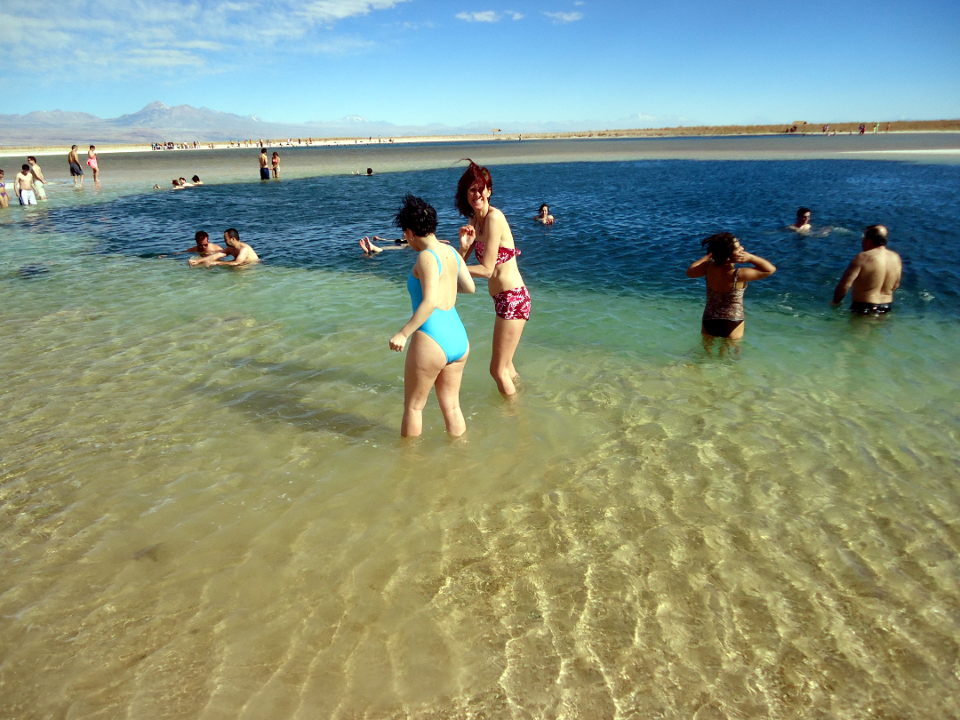
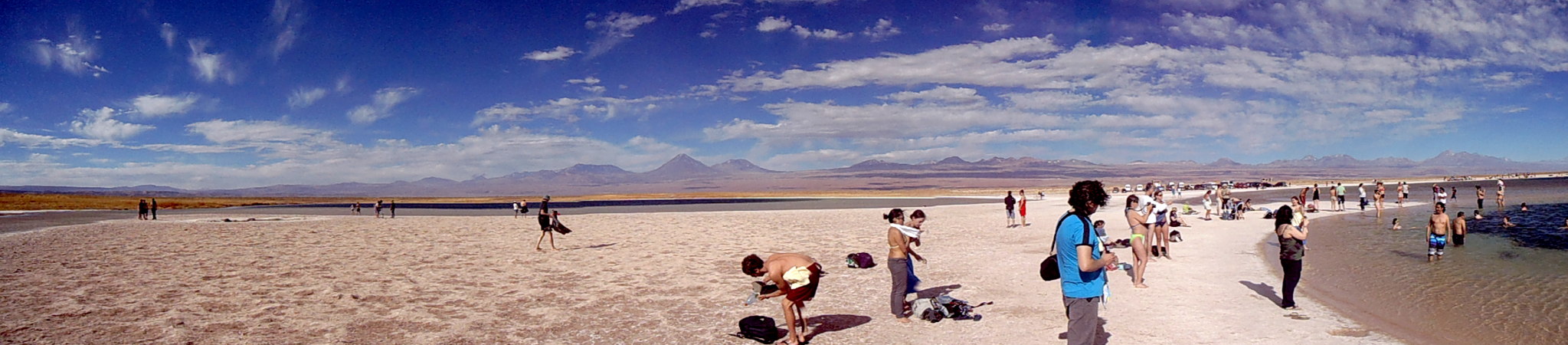
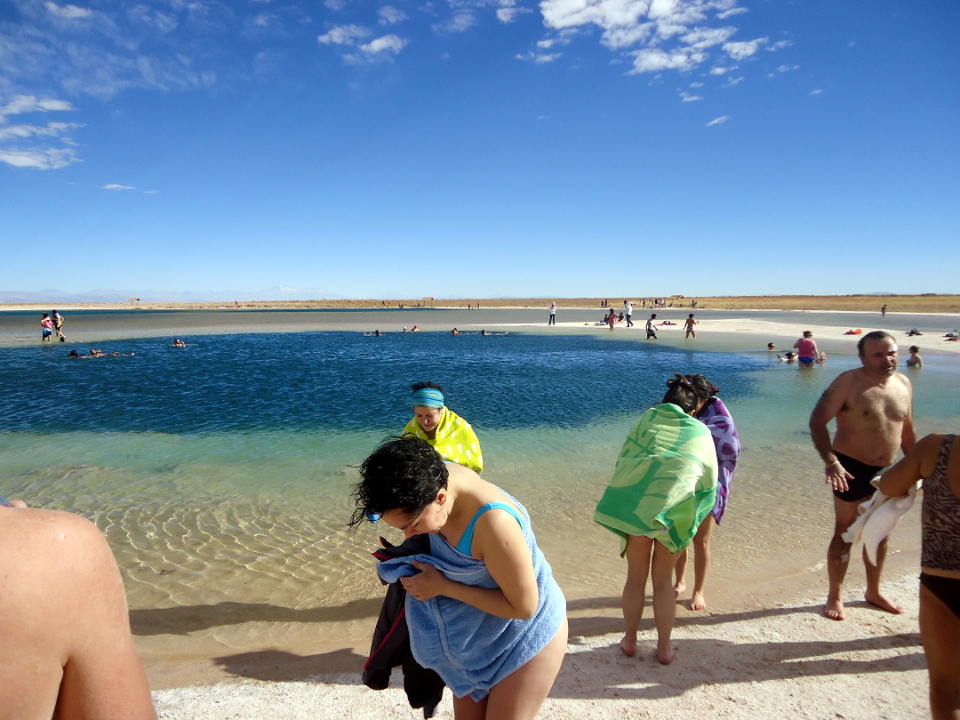
And the next day it was another tour. This time to the Salt… The Sala de Atacama, where we also visited lagoons. Swimming in water with high salt content, meant you can float easily. And then later to a spot where the colours change beautifully when the sun goes down. The temperature drops quickly then too. After the tour I went out with some of the people I had met that day.

Arica

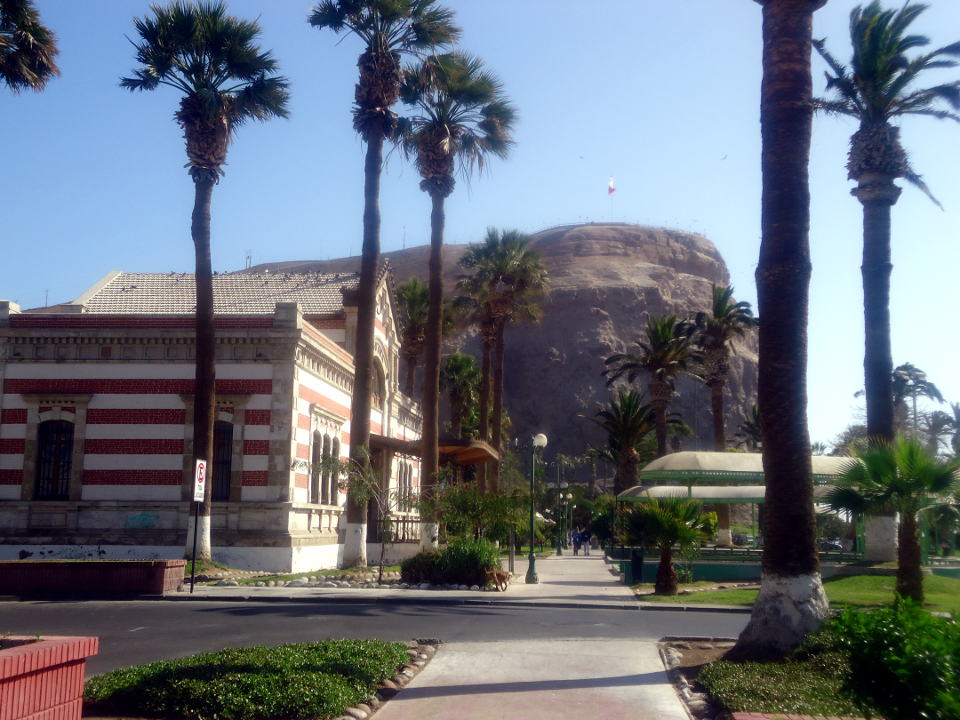
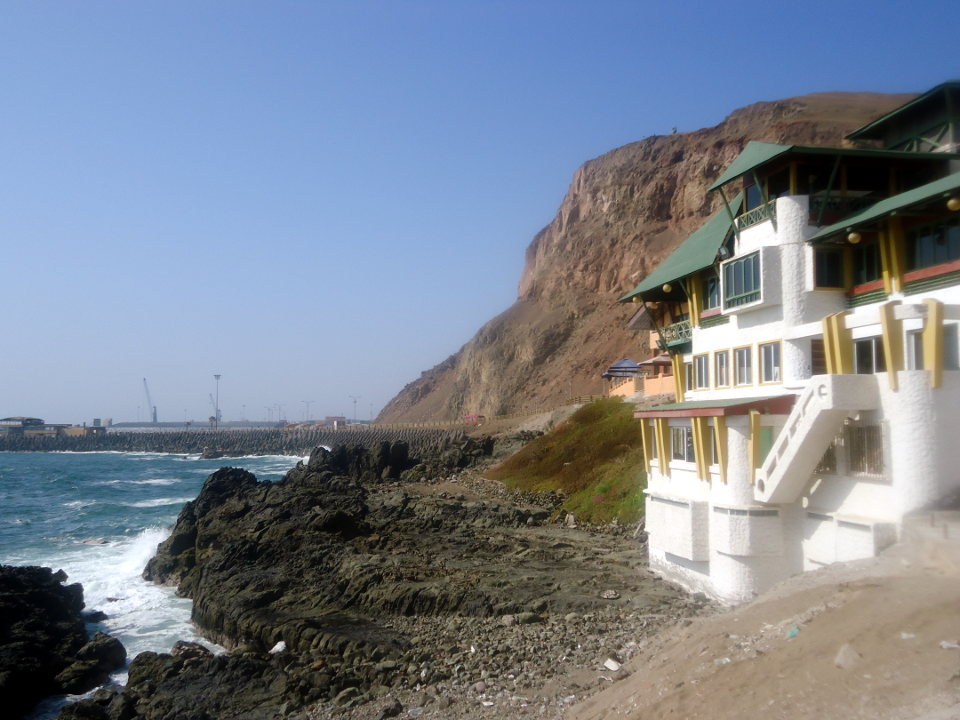
Catching the overnight bus from San Pedro de Atacama, I had a lot of trouble with my ears coming through. In Arica I stayed at Sunny Days Hostel, on Tomas Arvena, in a dorm room. The New Zealand owner and Chilean partner, provided a fantastic free breakfast. Whilst there, I walked to Point El Morro.

Buses in Chile, at the time were either Turbus or Pullman, I caught mainly Turbus. I did a lot of bussing in Chile!  Both of these bus companies delivered an excellent service. The buses were it seemed, much better than the ones I caught in America. If you look at a map of Chile you will see it is a long thin country. So it can be quite a while on a bus.  I remember being on one over night bus. And as night was falling, the conductor came around and put a blanket on each of us. I swear he kind of tucked it under my chin and I felt like I was being tucked in!  Hospitality plus.

9th October, from Arica, crossing over the border to Peru, together with a woman from the hostel. In a shared collectivo taxi with five of us in the car. She was going shopping in Tacna, which is a border Peruvian city. She was off to update her wardrobe with some new jeans and things. I really wasn’t there to go shopping, so we said goodbye at the bus station. I booked on the next bus to Arequipa, Peru.

 Kundalini Movement

“Life may seem to be business as usual, but it is not. We are changing fast… Remember this for life is going to present stranger things to you in your lifetime, and they all have meaning and purpose… Only Mother Earth and ancient Maya know what’s going to happen.”

From the book, ‘Serpent of Light: Beyond 2012’ – The Movement of the Earth’s Kundalini and the Rise of the Female Light, 1949 to 2013. by Drunvalo Melchizedek.

“And with every relocation changed our idea of what spiritual means. And gender. And heart. This time, with much difficulty, the “Serpent of Light” has moved to the Andes Mountains of Chile and Peru”.